The Situation
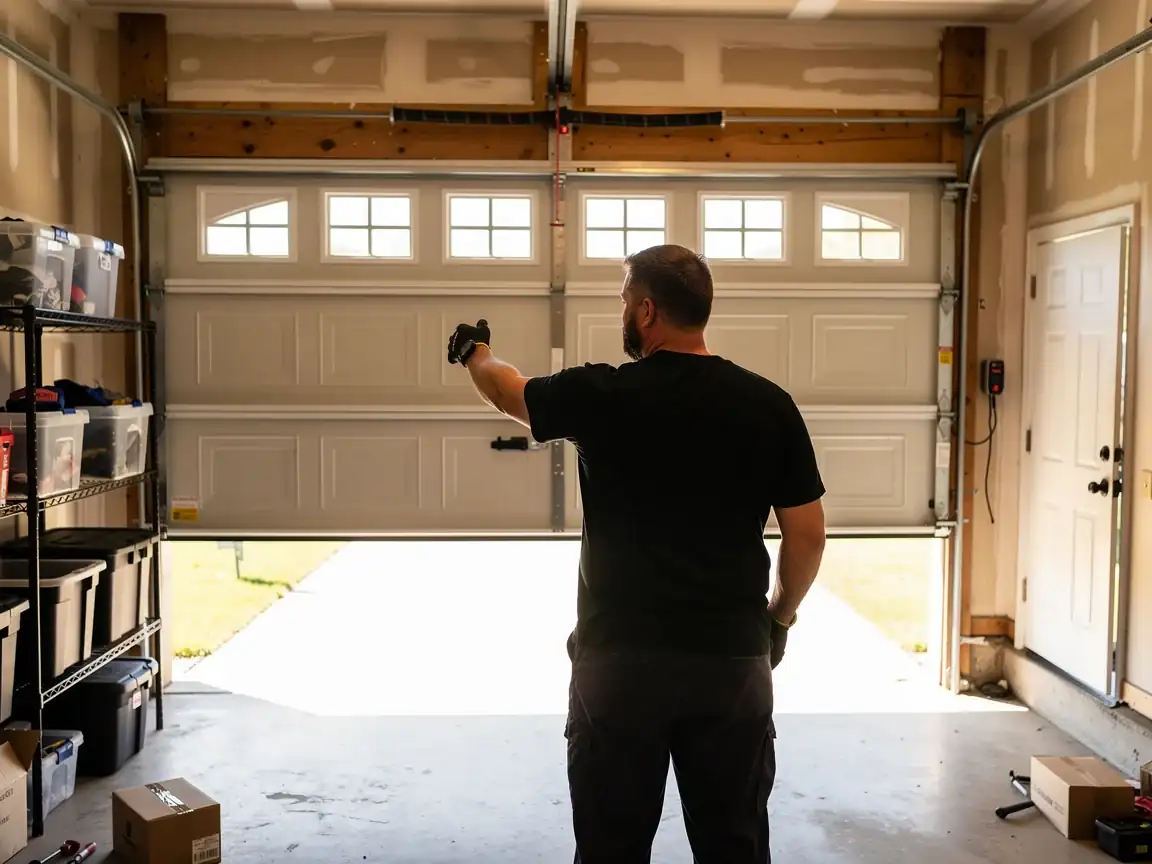
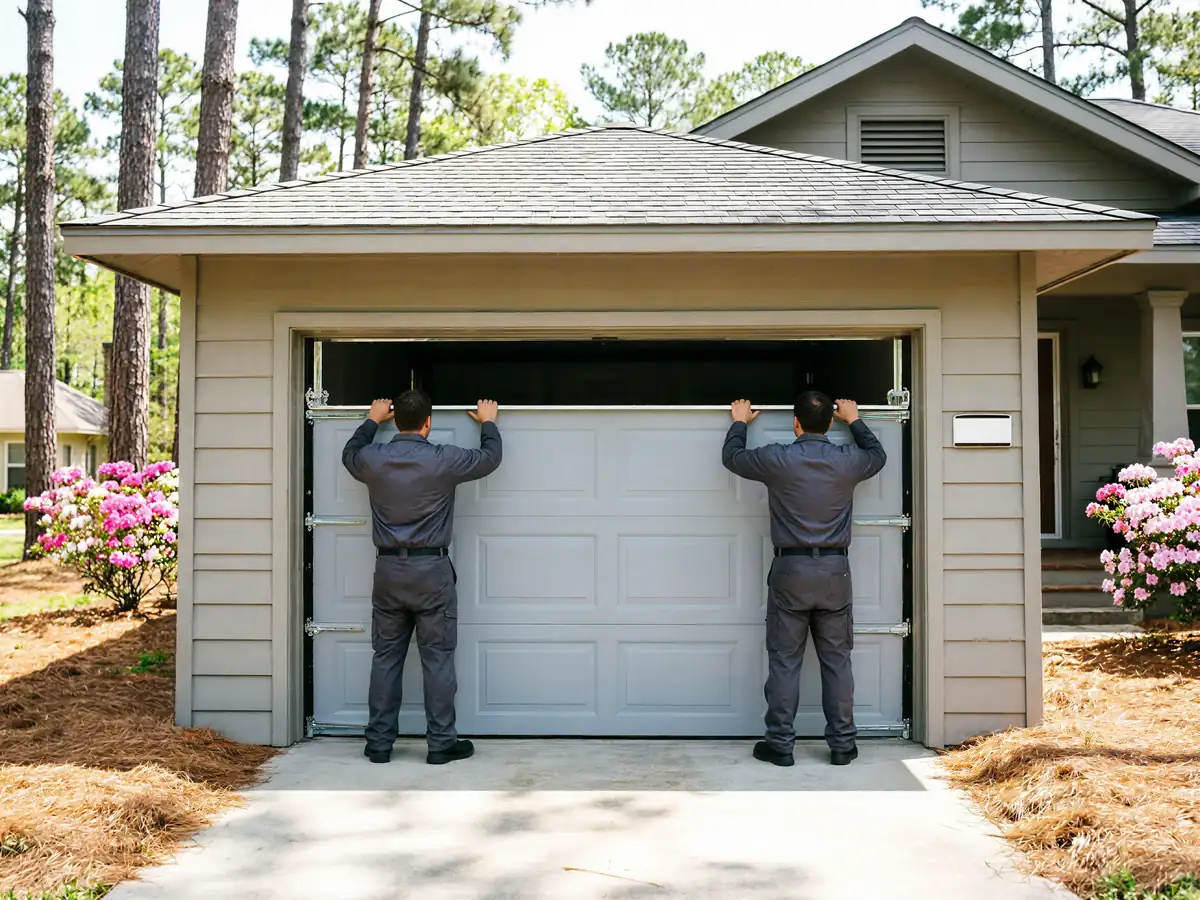
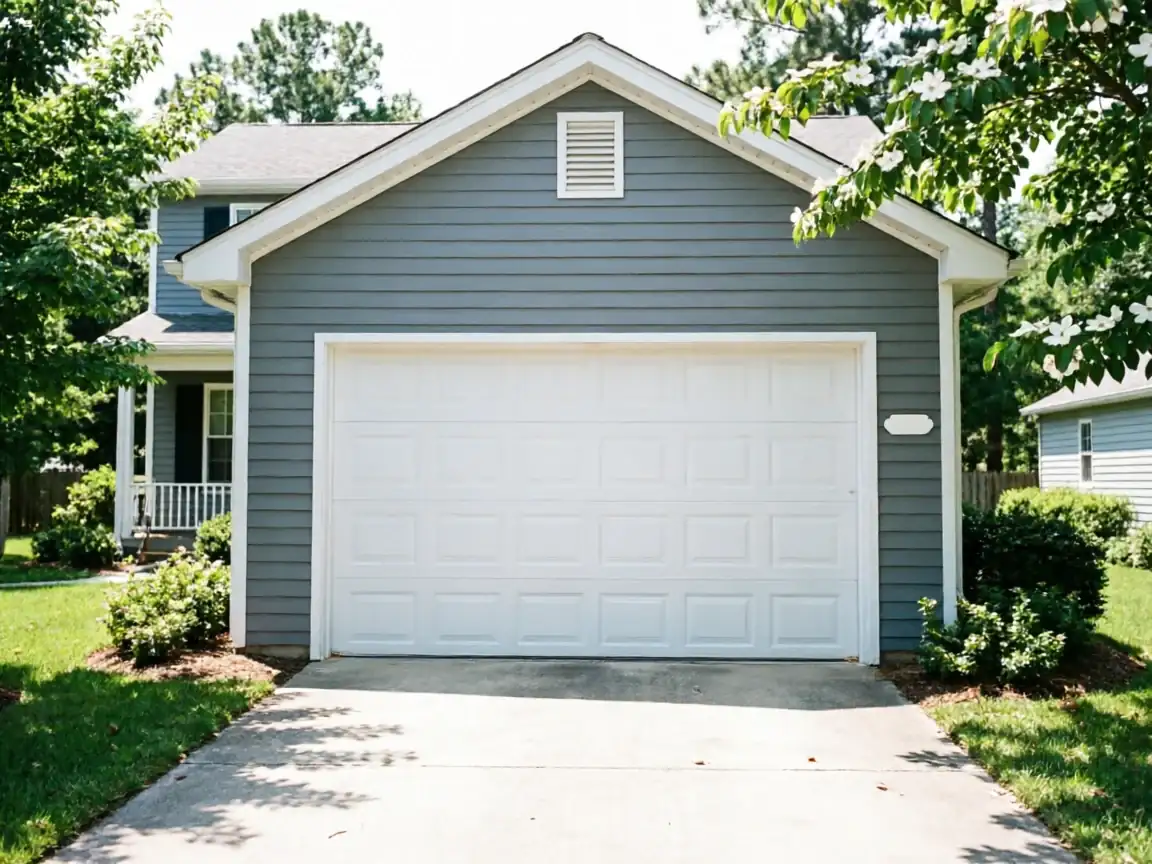
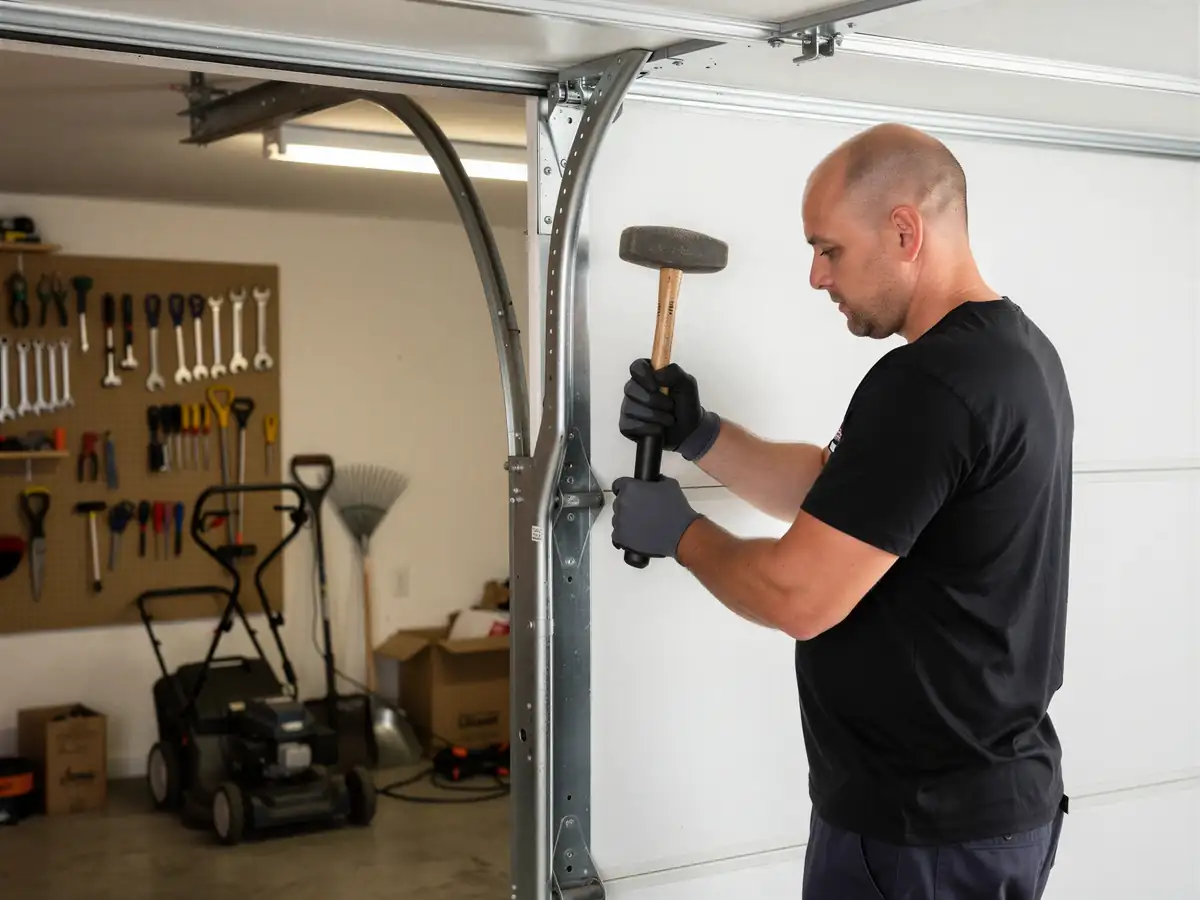
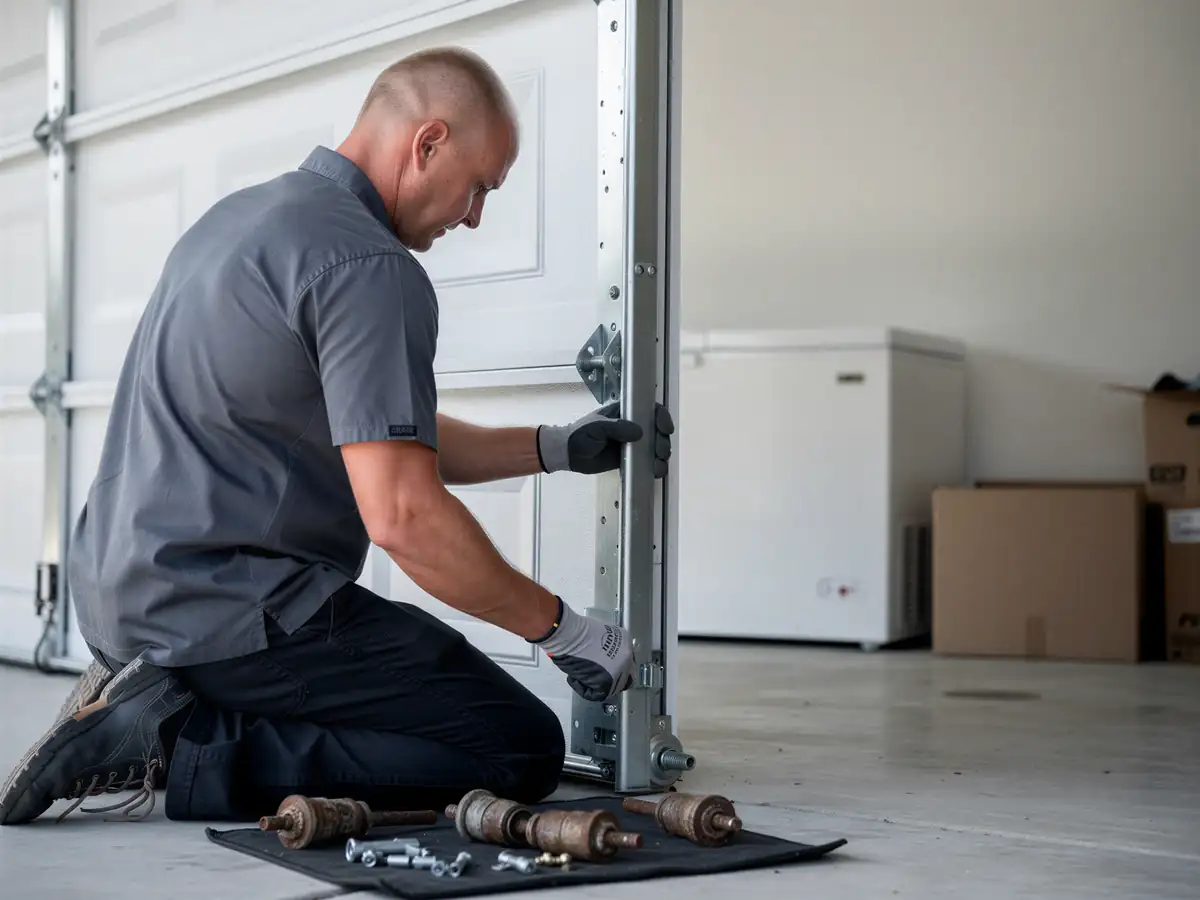
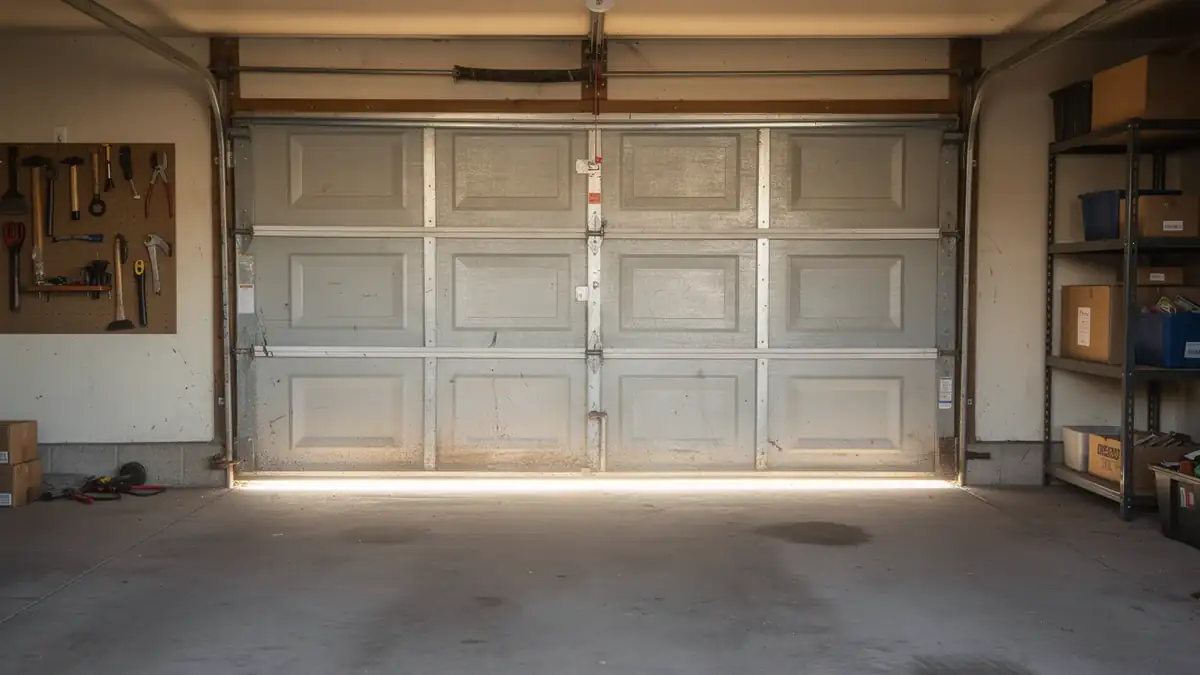
Most of the housing stock around Roanoke went up between 1953 and 2002, with the median landing around 1976, and the heaviest concentration sitting in 1960s and 70s construction spread across the 16 named areas we cover. That matters for garage doors because insulation requirements for residential garage doors weren't standard practice when these houses were framed. A lot of doors on these streets are original or close to it: single-layer steel or wood, no foam core, thin weatherstripping that was never meant to hold back a cold snap. Some owners have swapped in insulated doors already, but plenty haven't, because the old door still opens and closes and nobody thinks about a garage door until it stops working. The ones that haven't been touched are the ones we get called on most, usually for hardware that's outlived its design life rather than the panel itself failing outright.
What It Costs
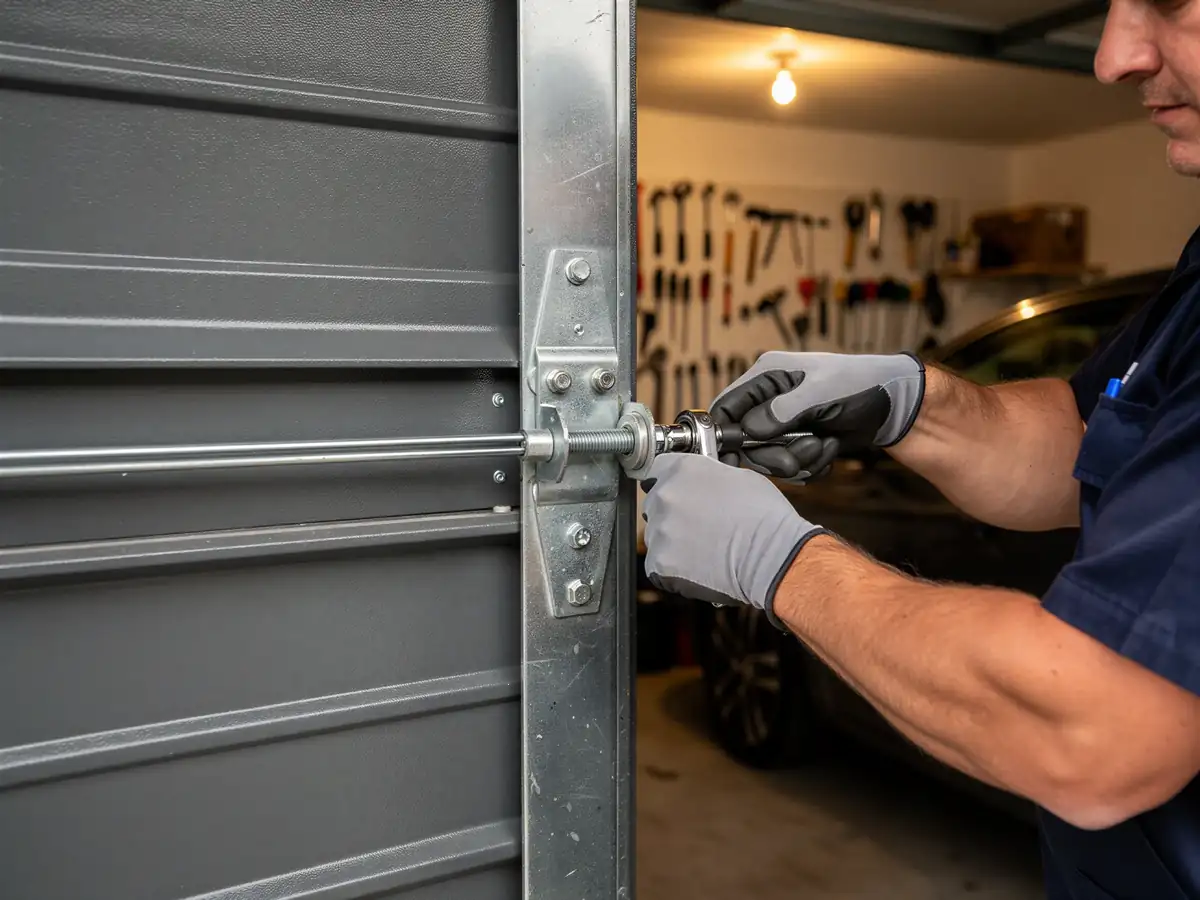
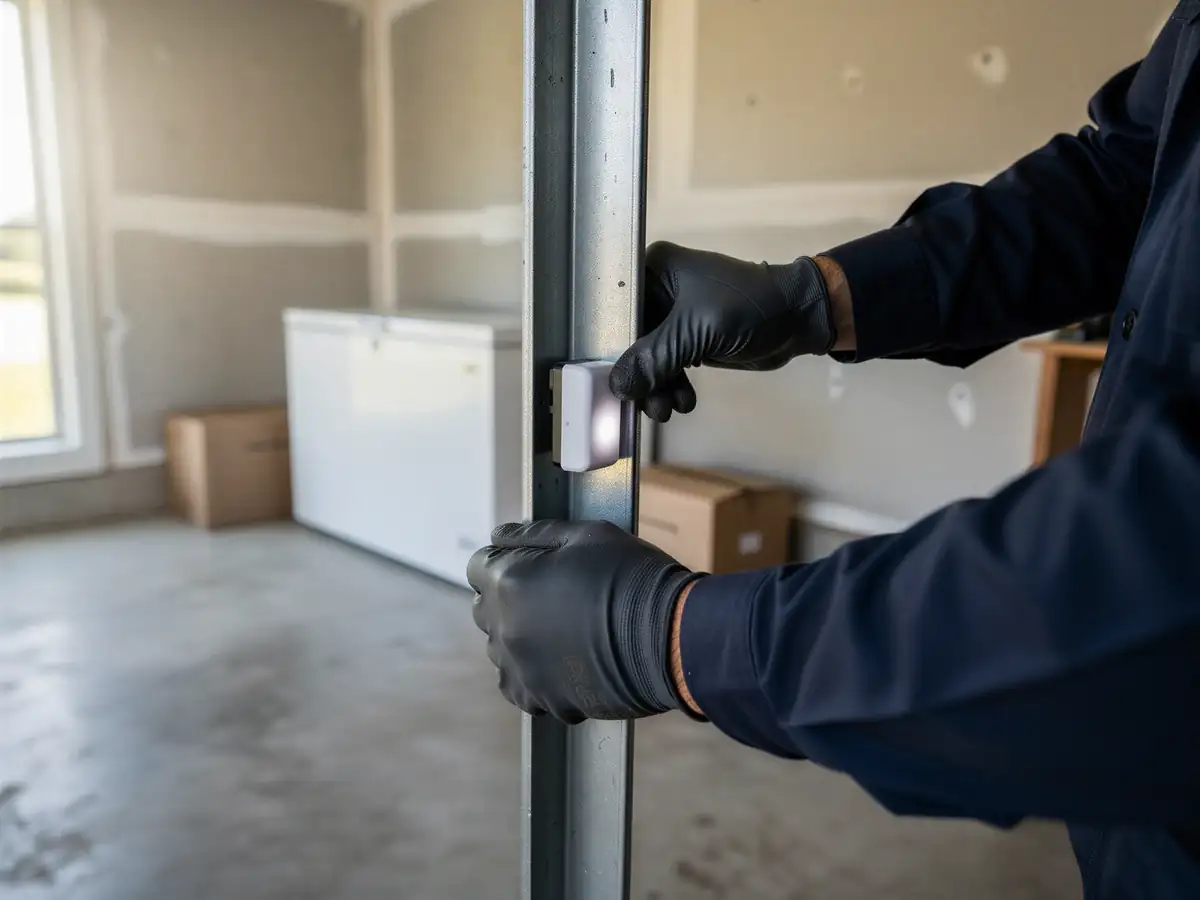
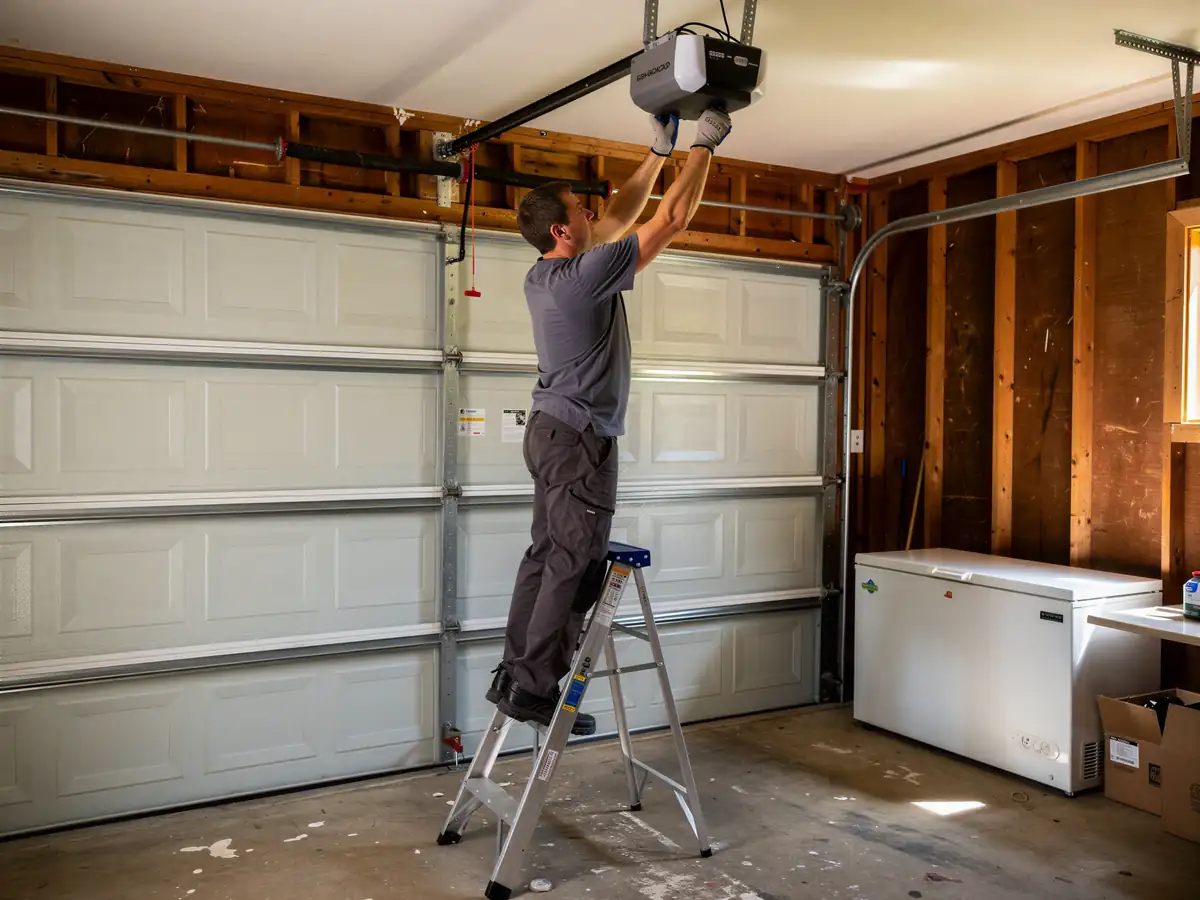
We don't have a price list to hand you here, and giving you a number without seeing the door would be a guess dressed up as a fact. What we can tell you is what drives the cost on a house from this era: whether the track and spring are original 1960s-70s hardware (parts for which aren't always on a shelf anymore), whether the door itself is salvageable or needs full replacement, and whether you're adding insulation that wasn't there originally. Median household income in our service area runs around $71,199, which is useful context if you're weighing repair against replacement on an older uninsulated door - it's a real household budget decision, not a trivial one. A repair on original hardware can run less than people expect; a full insulated replacement costs more but changes the comfort and energy picture of an attached garage for good.
How Local Conditions Play In
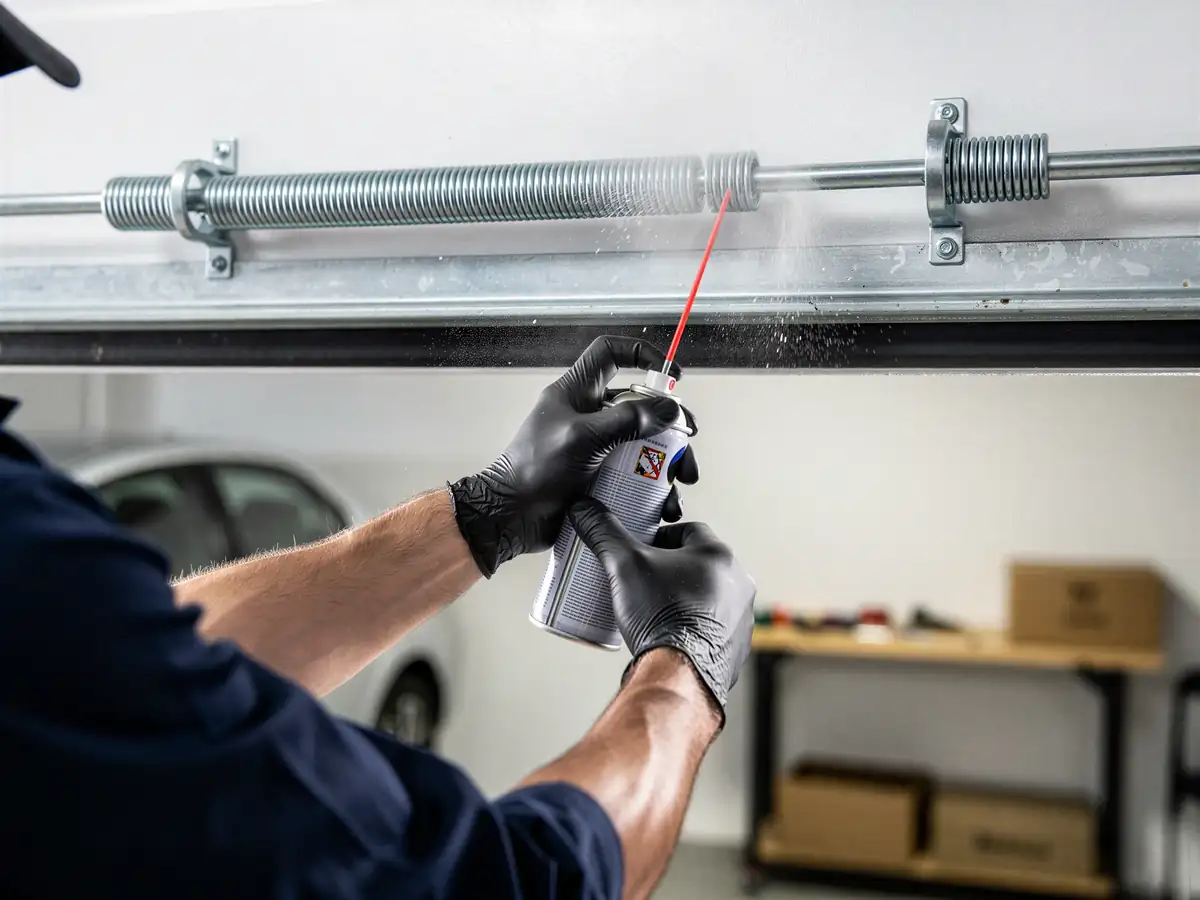
The climate here is cold-moderate, which means the garage door takes a real seasonal swing - cold enough in winter that an uninsulated panel transfers a lot of outside temperature straight into an attached garage, but not so extreme that you need anything exotic. For a door built to 1960s or 70s standards, that cold-moderate swing is exactly what original, non-insulated steel wasn't designed to handle. You'll notice it as a garage that never warms up, condensation on the inside of the door panel, or hardware that gets stiffer and noisier in the coldest months as grease thickens and metal contracts. None of that is dramatic, but over enough winters it accelerates wear on springs and rollers that were already near the end of their service life. It's a slow problem, not a sudden one, which is exactly why it goes unaddressed until the door fails on a January morning.