What You Are Seeing
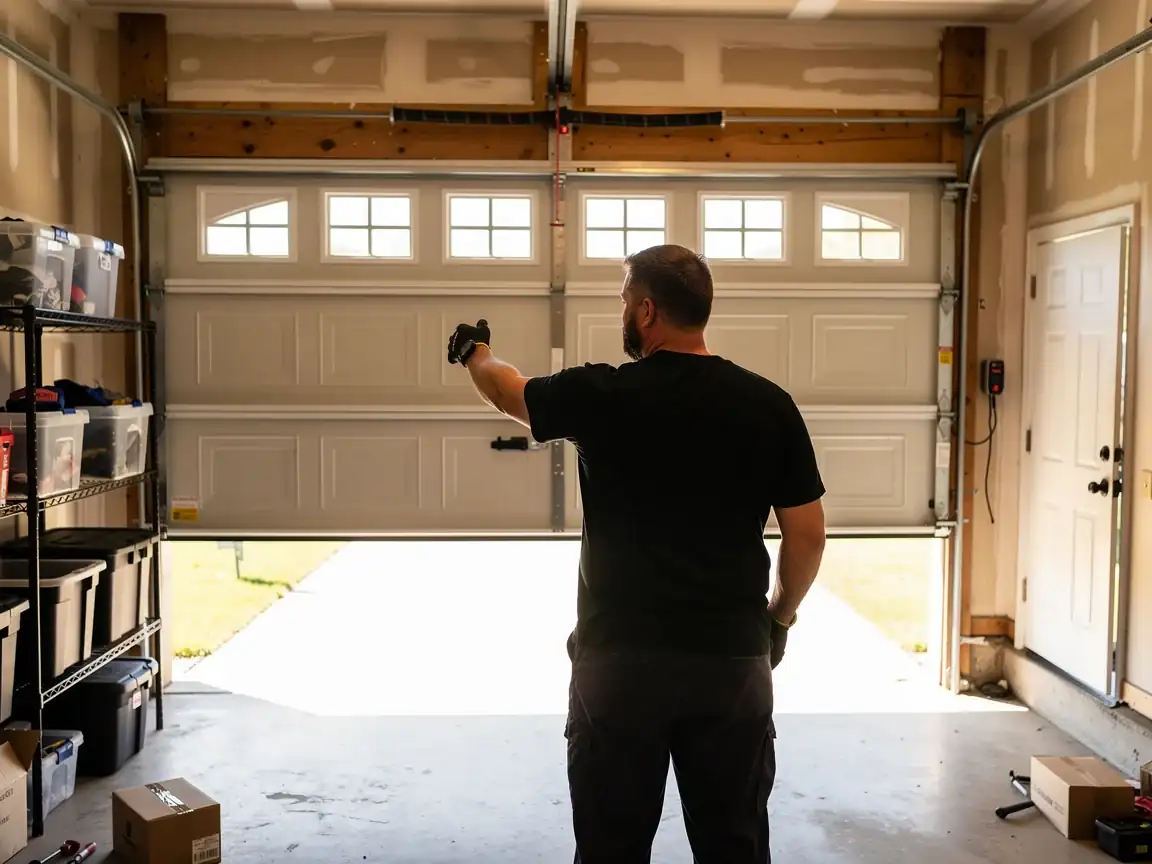
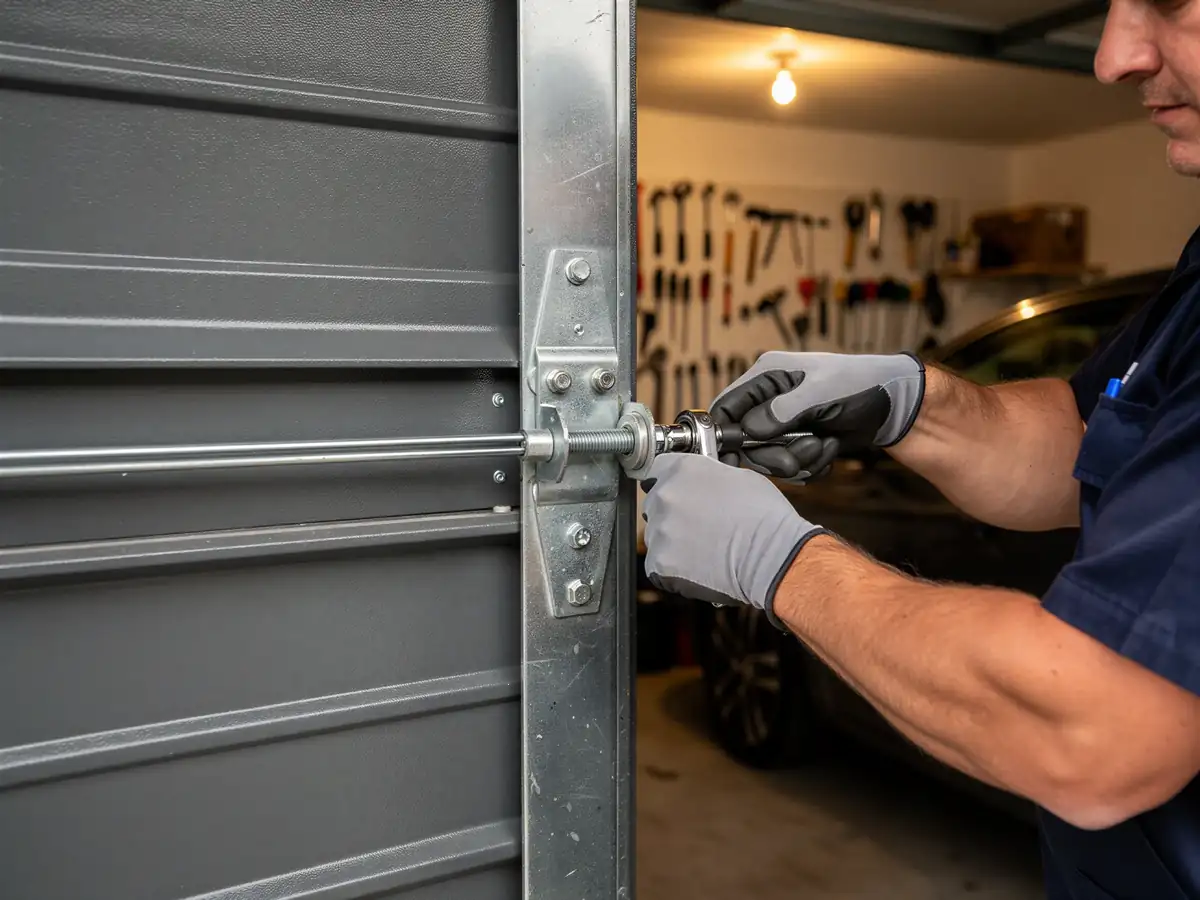
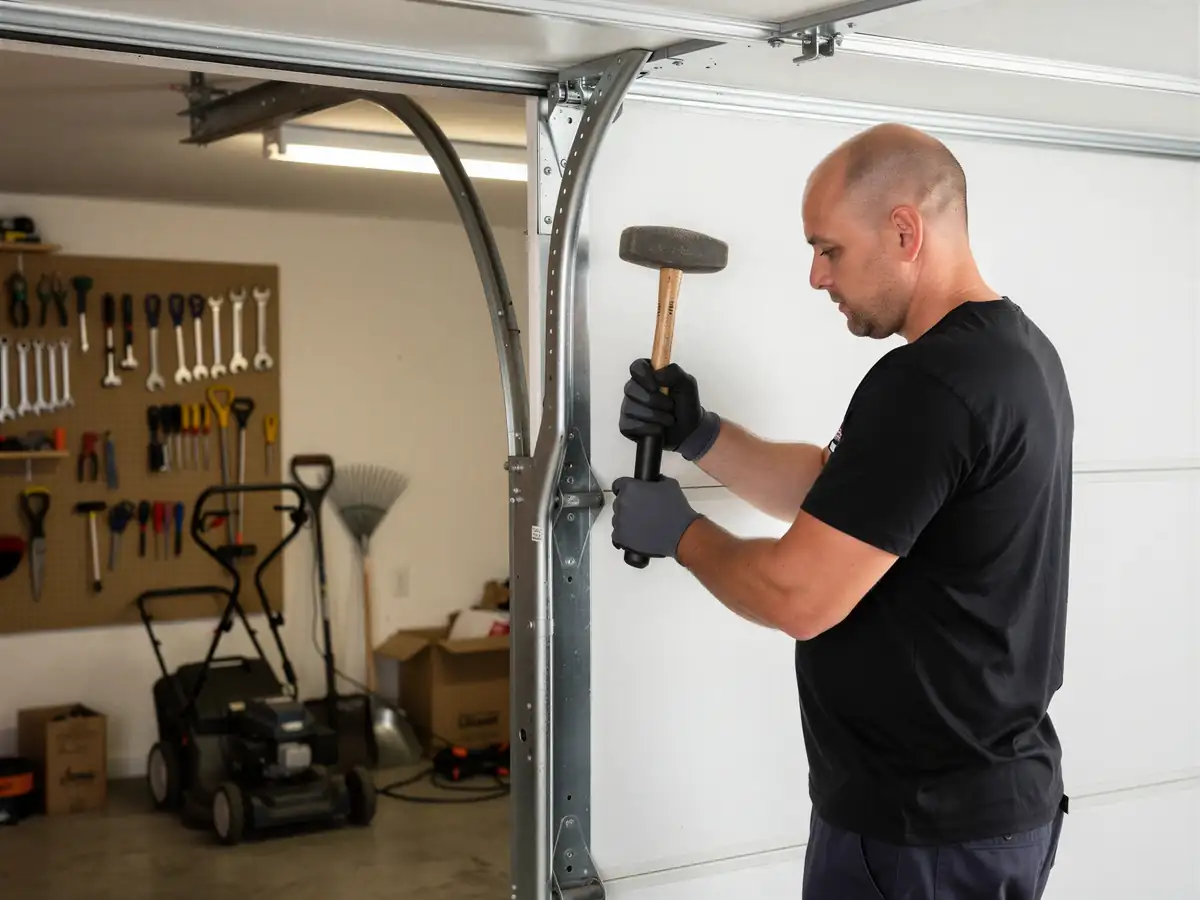
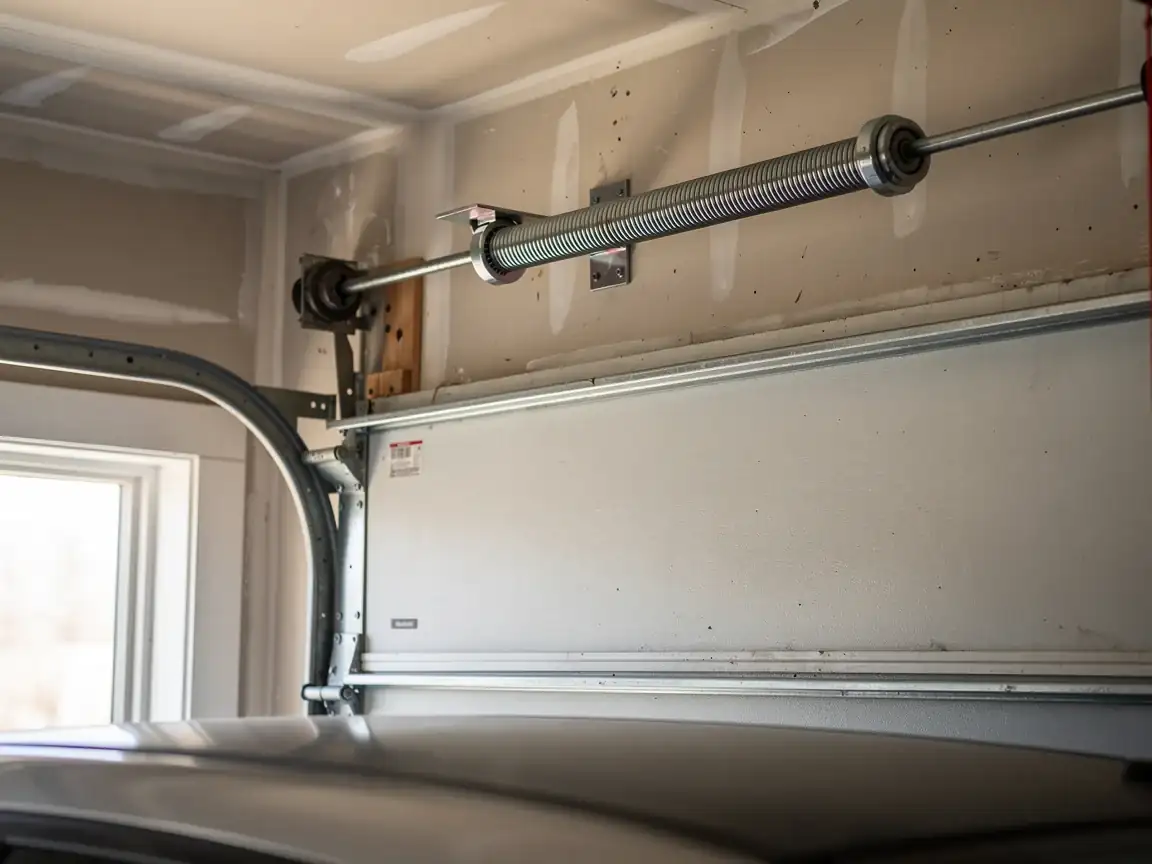
If your door grinds, shudders, or hangs up a few inches into the track, the rollers are usually the first thing we check. You'll hear a flat scraping or clunking sound instead of a smooth roll, especially near the curve where the horizontal track meets the vertical section. Look at the roller itself - a steel roller with a worn or missing bearing will wobble side to side in the bracket, and a nylon roller that's cracked or chipped looks almost chewed at the edges. Some owners also notice the door sticking only on cold mornings, then loosening up once things warm a bit. Roanoke's housing dates mostly from 1953 to 2002, with a lot of stock built in the 1960s and '70s, and that era leaned heavily on steel rollers with open bearings - a design that wears faster and louder than the sealed nylon rollers used in newer builds. If the rollers are original to a house from that window, they've likely done decades of cycles without ever being swapped, and the bearings have simply worn through their lubricant. This is a wear-and-tear job, not usually an emergency, but a roller that's fully seized can bind the door hard enough to strain the opener or bend the track.
What It Costs
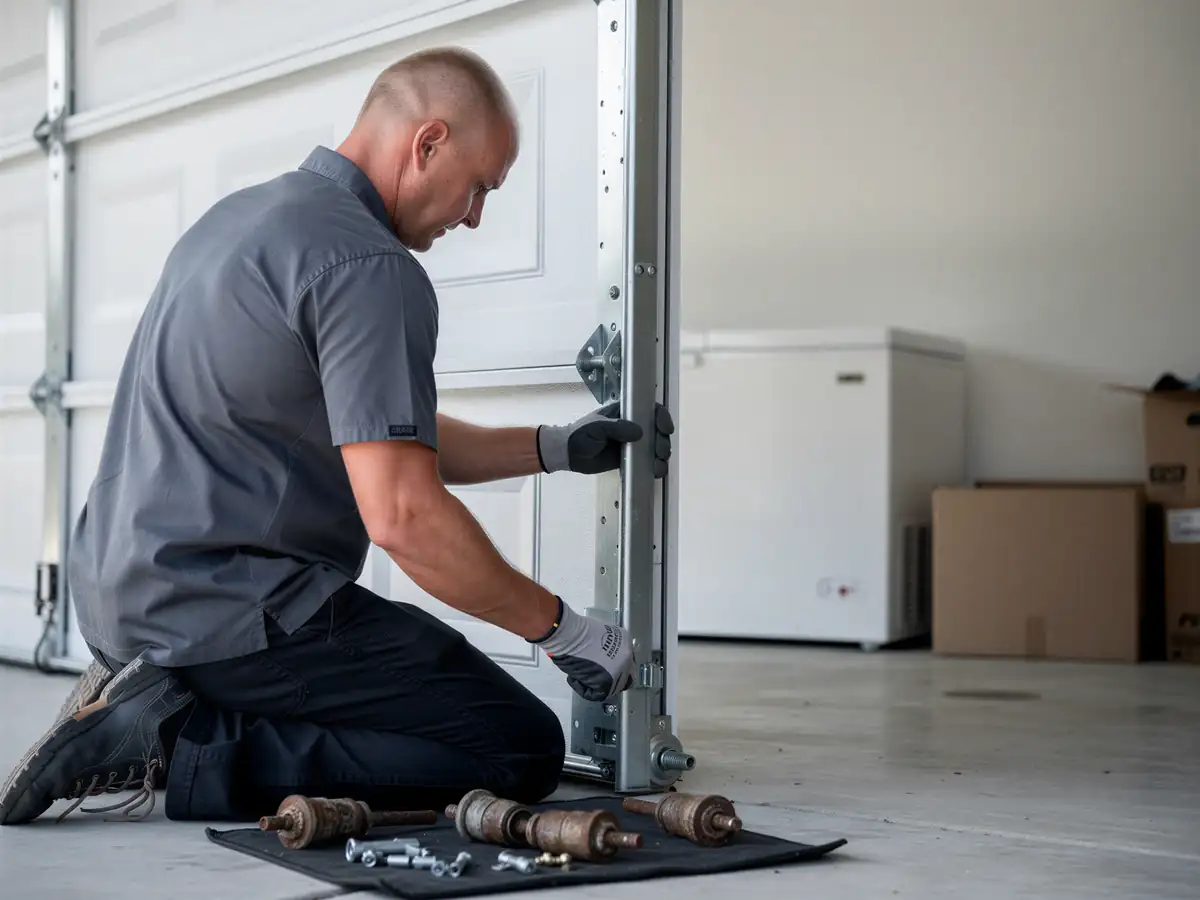
We don't post a flat number here because roller jobs vary more than people expect. A straightforward swap - replacing a full set of rollers on a single door with no other issues - is a different job than one where the track also needs realignment or the bottom bracket has to come off a frayed cable. Steel rollers with sealed bearings cost more per unit than basic nylon, but they hold up better in a cold climate where lubricant stiffens and bearings seize faster. The number of rollers matters too: a standard door uses ten, and if only two or three are bad, some owners want just those replaced rather than the full set, which changes the labor time more than the parts cost. We'll always look at the track and hinges while we're in there, because a roller swap on a bent track is a short-term fix at best. The honest limit here: if your track is bowed or the door is older than the opener itself, replacing rollers alone may not solve the real problem, and we'll tell you that up front rather than sell a partial fix.
The Complications
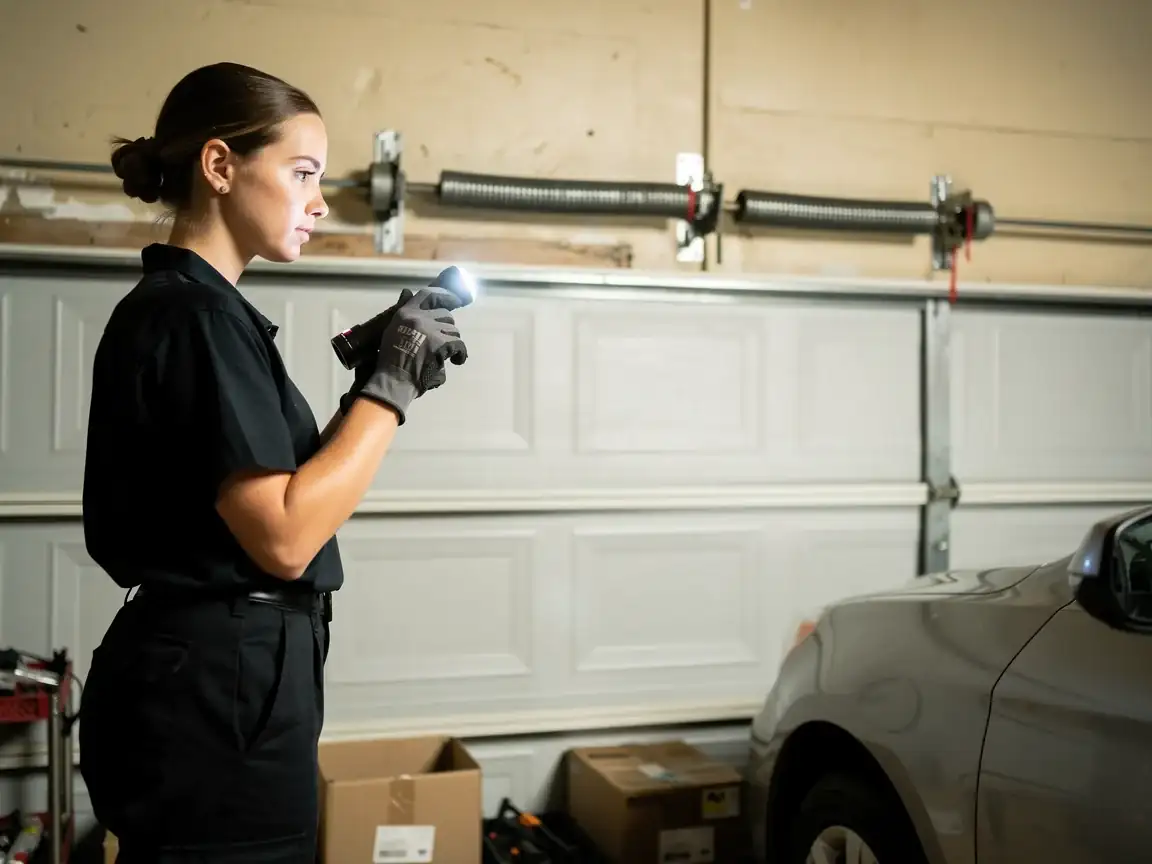
Rollers rarely fail alone, and that's the part worth planning for. A roller that's been grinding against the track for months can leave a groove or burr that chews up the replacement roller just as fast if the track isn't cleaned or straightened first. On older doors, the bottom bracket holding the roller can be rusted enough that it shouldn't be reused, and that bracket also anchors the cable - so a rushed roller swap can expose a cable problem we'd rather catch while the door is already apart. If the track has come loose from the wall studs, which happens more on older framing, new rollers will wear unevenly again within a year even if everything else is perfect. We also check the opener's travel settings after any roller work, because a door that rolls differently than before can trip the safety reversal sensors or bind slightly at the top of travel. None of this means every roller job turns into a bigger one - most don't - but it's why we inspect the full track and hardware rather than just swapping parts and moving on.