What You Are Seeing
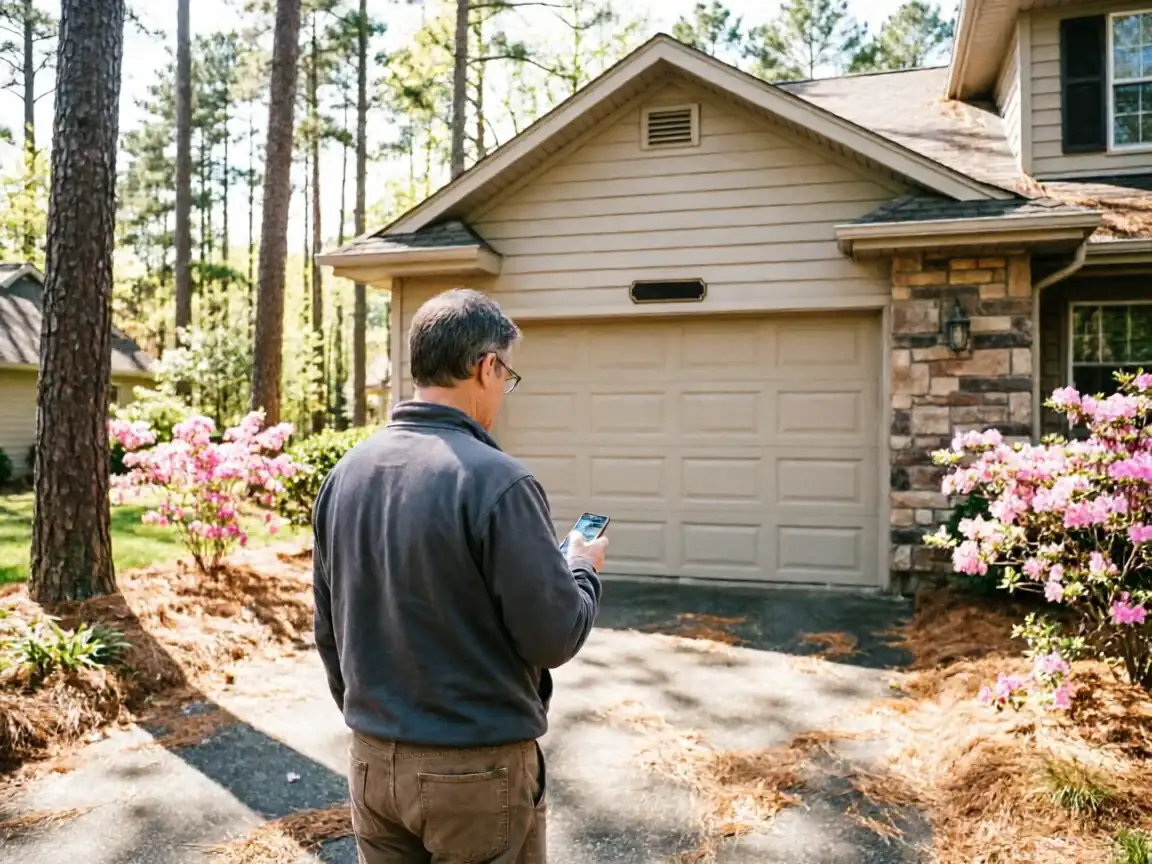
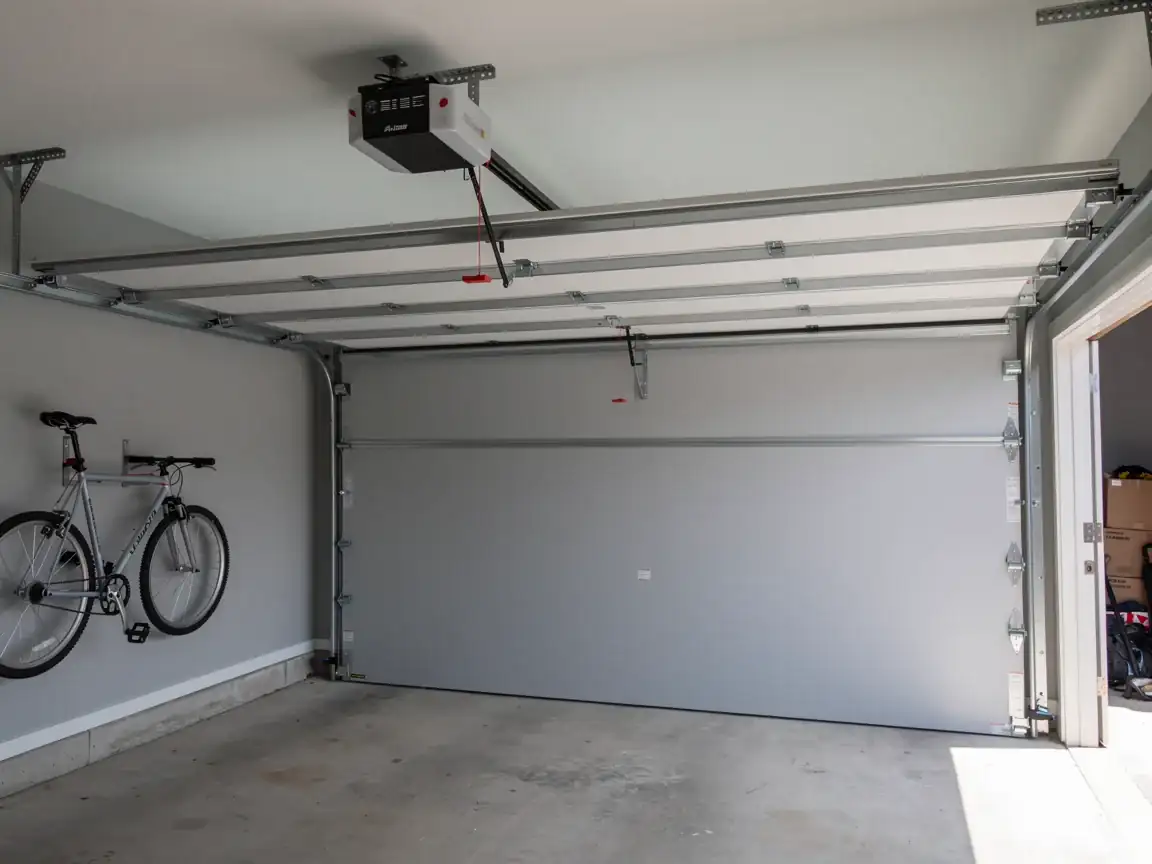
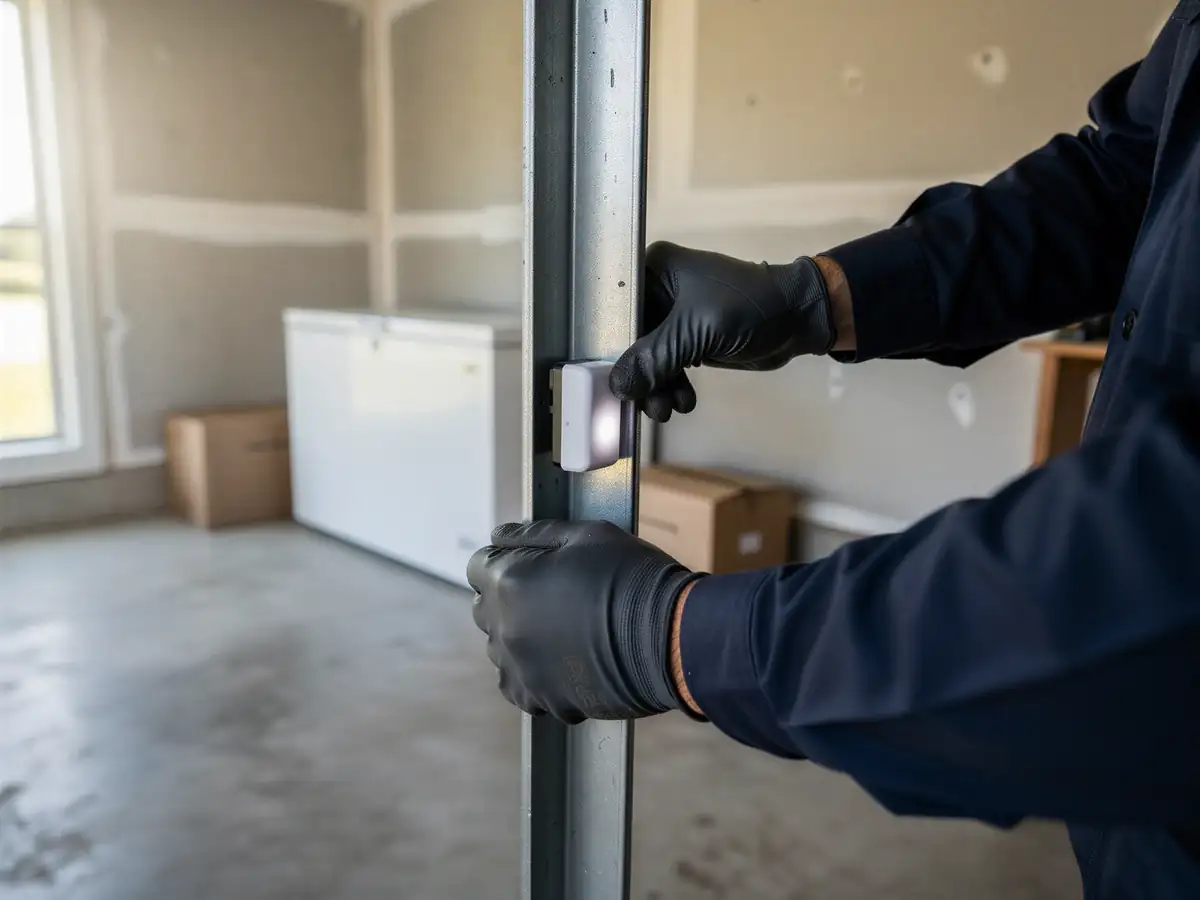
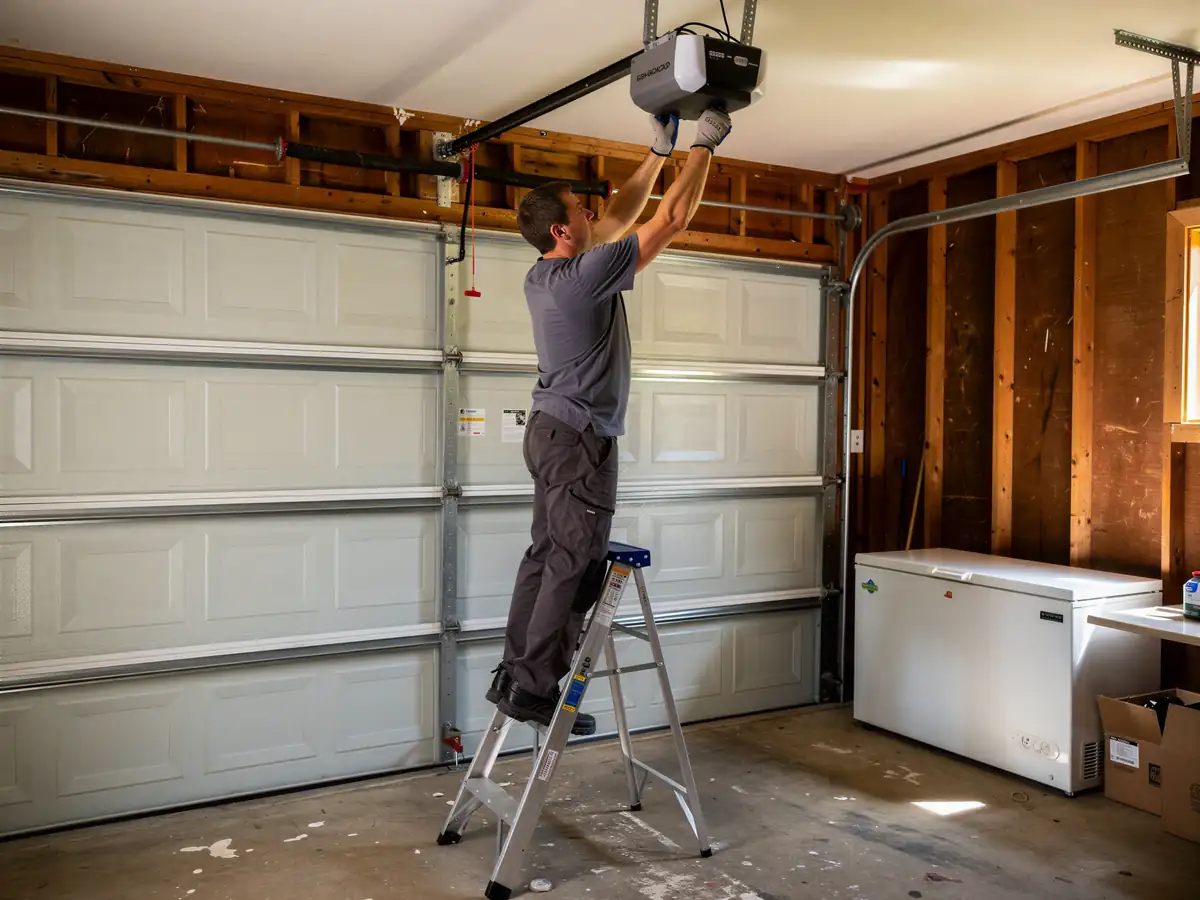
If your opener is grinding, reversing for no reason, or just quit, you're not imagining it getting worse every winter. In Roanoke, most of the housing stock went up between 1953 and 2002, with a lot of it clustered in the 1960s and 70s across the area's 16 named neighborhoods. That means a big share of openers out there are either the original units or a first replacement from decades back - chain-drive models built before modern safety-sensor standards, mounted on brackets sized for doors that have since been replaced or reinforced. When we get a call about a dead opener, it's often not the motor at all. It's a logic board that can't talk to a photo-eye sensor added later, or a drive gear worn out from years of use on a track that was never quite square to begin with. Seeing the carriage move but the door not open, or the opener running hot and tripping its own breaker, both point to a unit working past what it was built for. None of this is dramatic. It's just old hardware meeting a door it wasn't designed around.
What It Costs
We don't post a flat number here because the honest answer depends on what's already on your door - the opener itself is only part of the job. A straightforward swap where the rail, brackets, and wiring are in good shape costs less than one where we're also replacing rotted header boards or running new wiring because the old unit was hardwired without a dedicated circuit. Belt-drive and chain-drive units price differently, and if your door doesn't have working safety sensors or a manual release in good condition, code requires we bring those up to standard as part of the install, which adds to the job. What we can tell you is that in a service area where median household income sits at $71,199 across roughly 40,000 households, most homeowners are weighing a full opener replacement against patching an opener that's already near the end of its life - and a patch job on a 20-plus-year-old unit rarely saves money over the next few years. Ask for a written quote before the truck leaves; a phone estimate without seeing the door and header is a guess, not a price.
The Complications
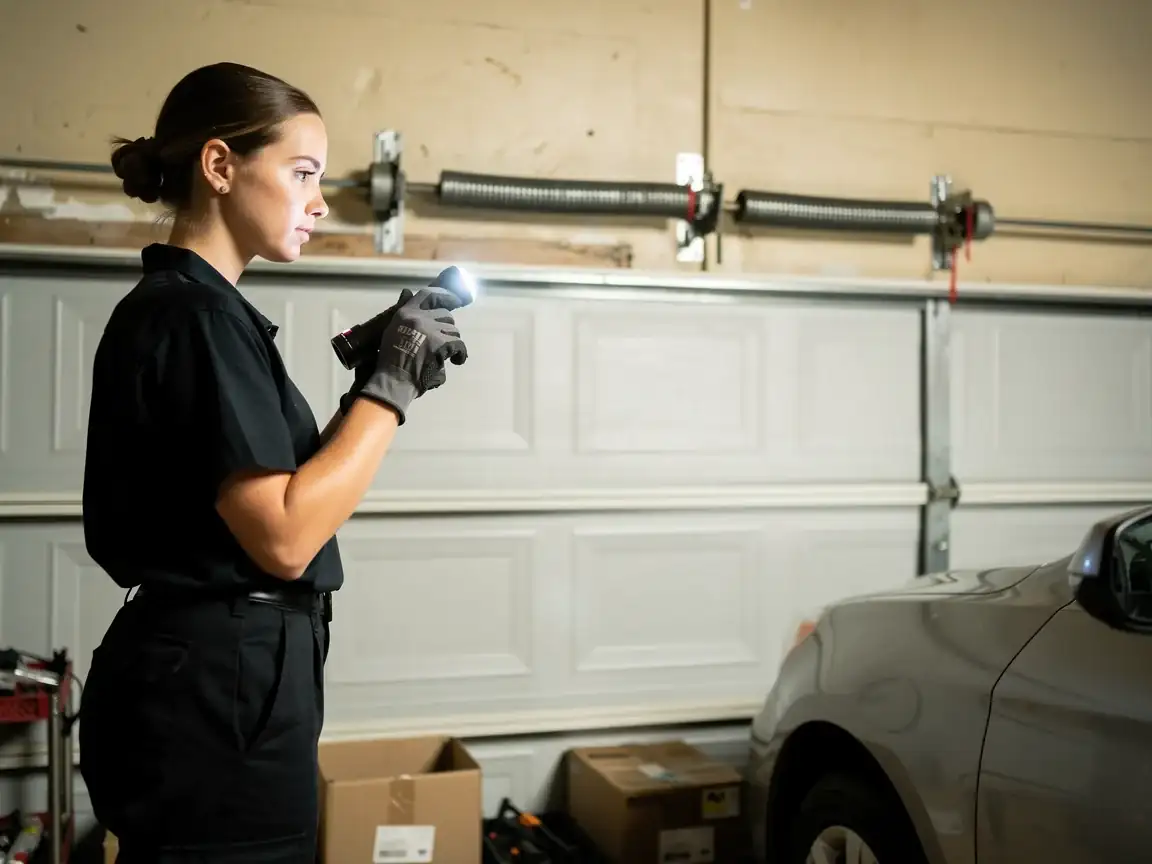
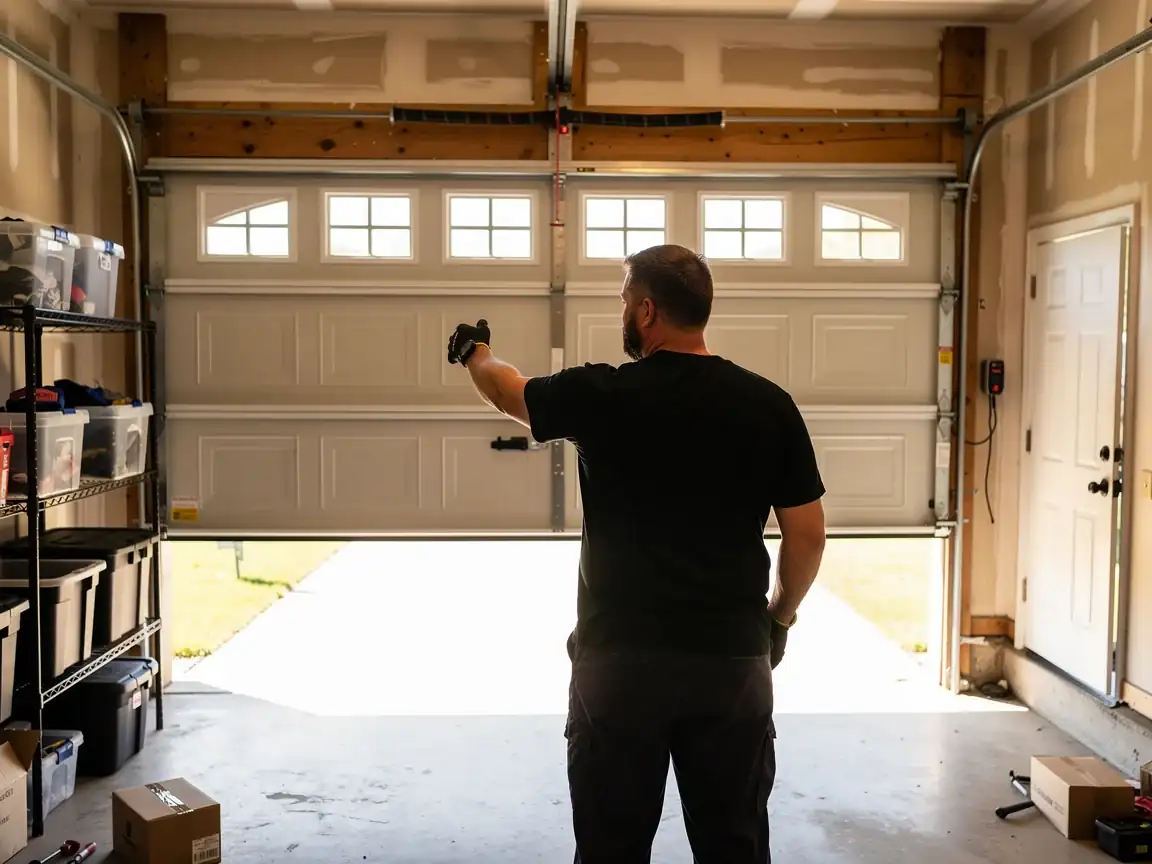
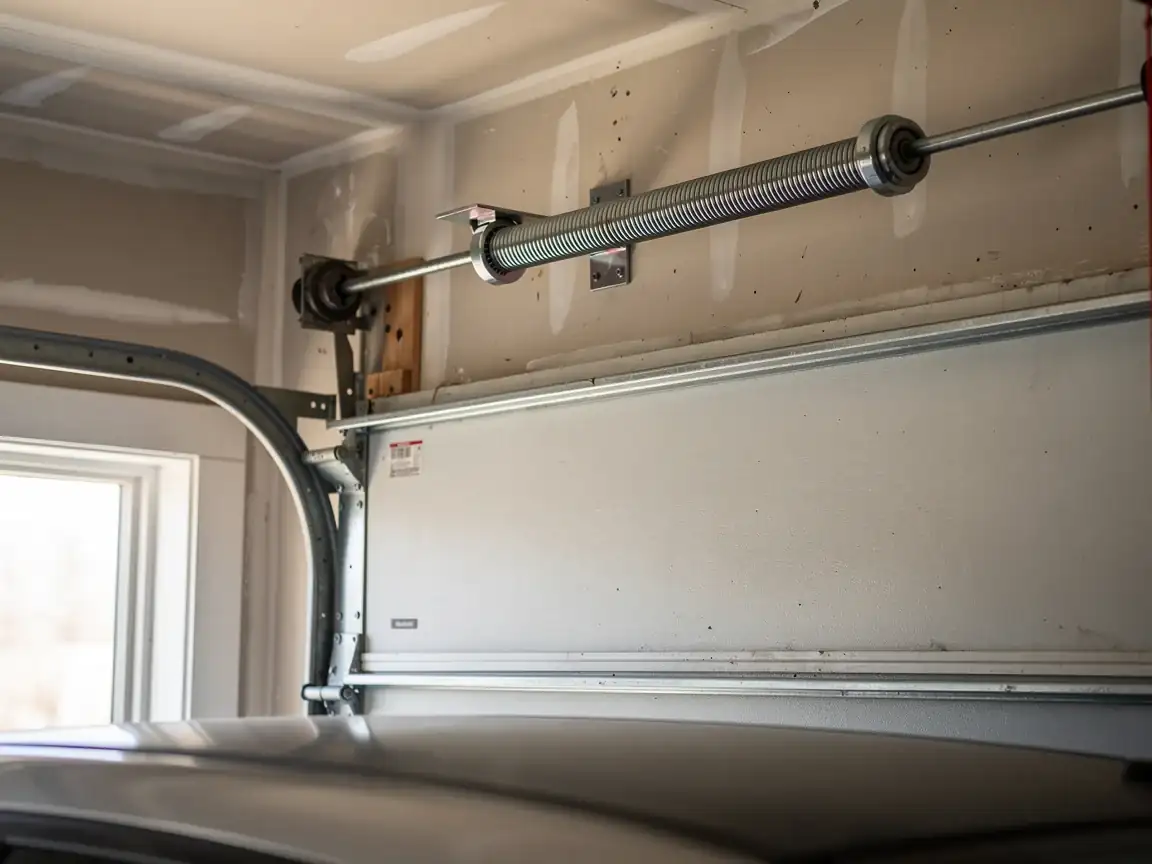
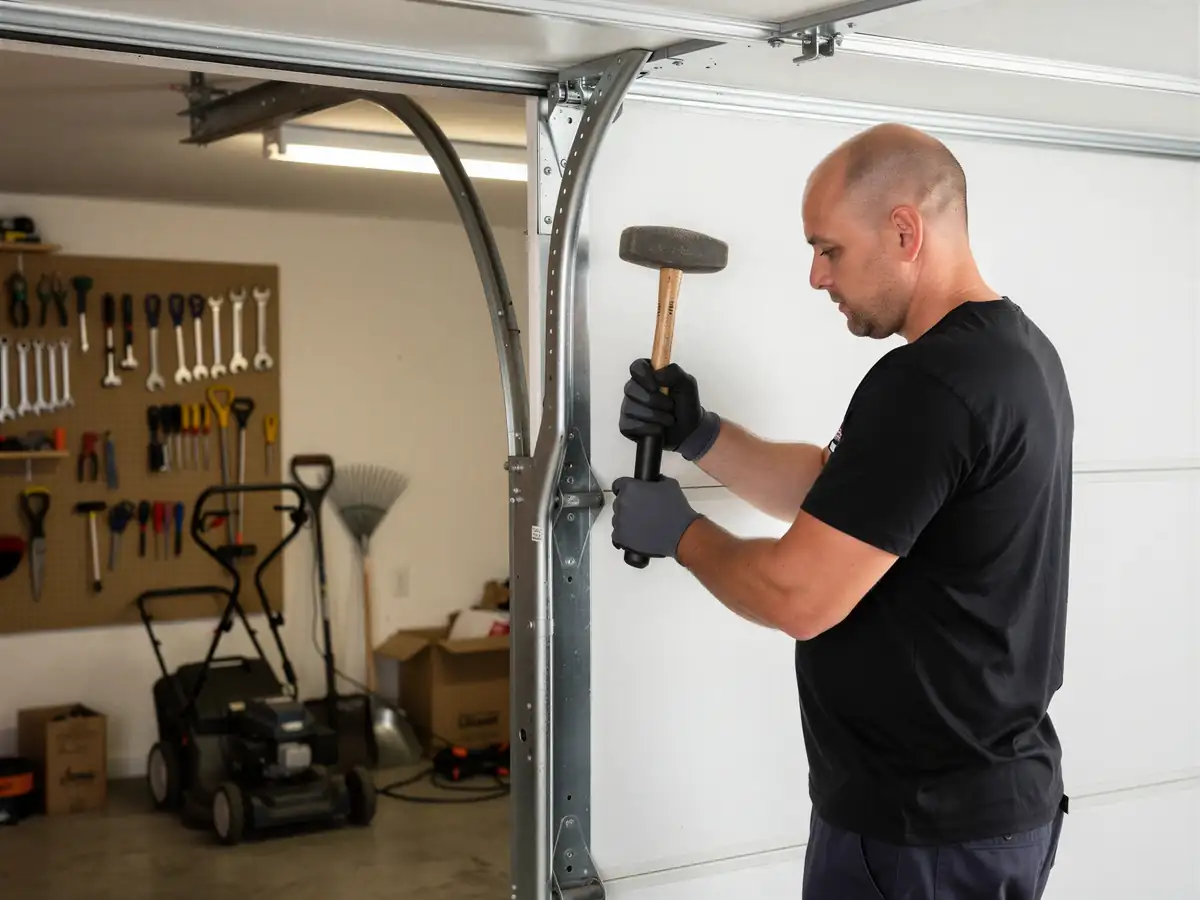
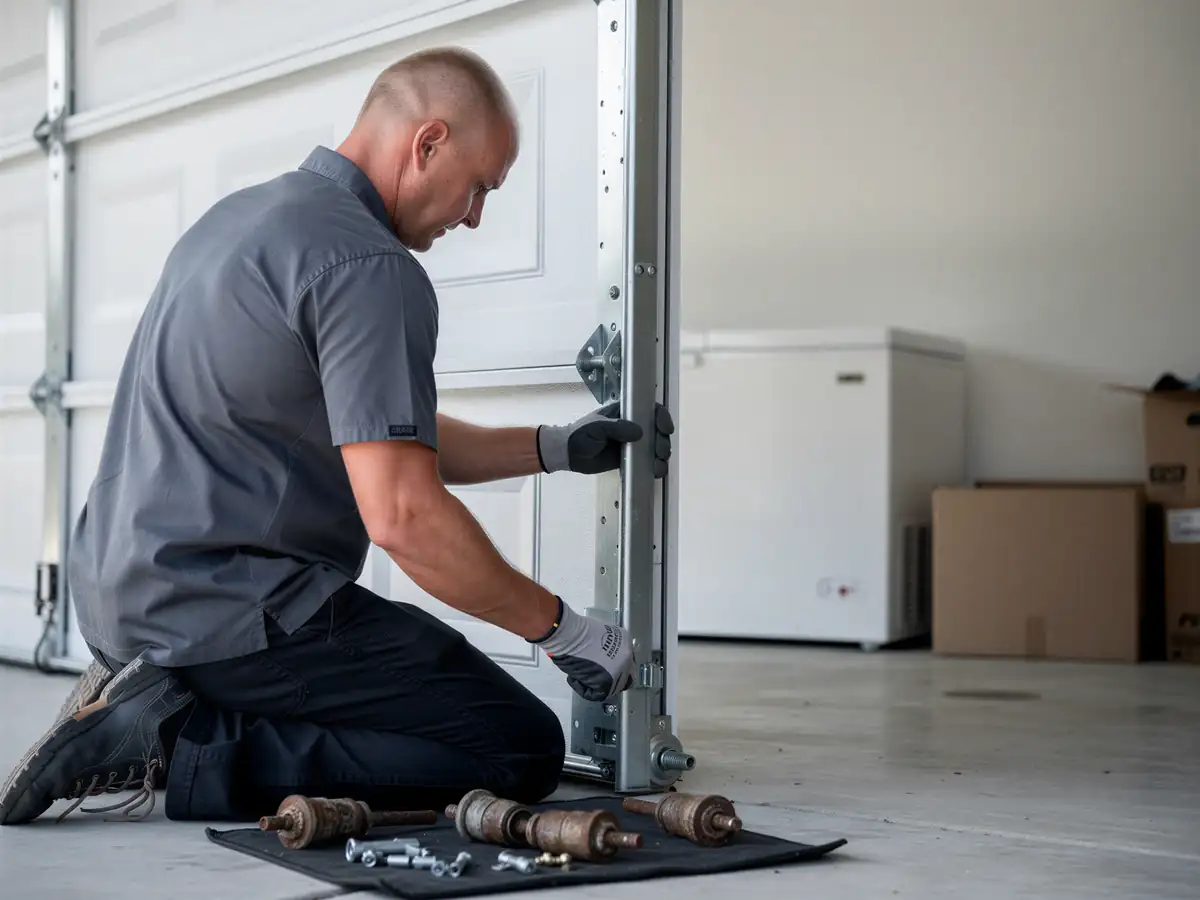
Not every opener job is a straight swap, and we won't pretend otherwise. Houses built before modern code sometimes have headers that can't support a bracket without reinforcement, and that's extra carpentry before the opener goes in at all. Homes from the 1976 median era often have wiring that predates dedicated circuits for openers, which can mean an electrician's visit if your panel can't take a new circuit safely. We also run into doors where the track is so out of alignment that no opener, new or old, will run quiet or reliable until the door itself is serviced first - installing a new opener on a bad track just transfers the wear to new parts faster. One limitation worth saying plainly: we don't install openers on doors that are structurally unsound or badly rusted through; replacing the opener on a door that needs to be replaced itself is money spent in the wrong place, and we'll tell you that instead of taking the job.