The Situation
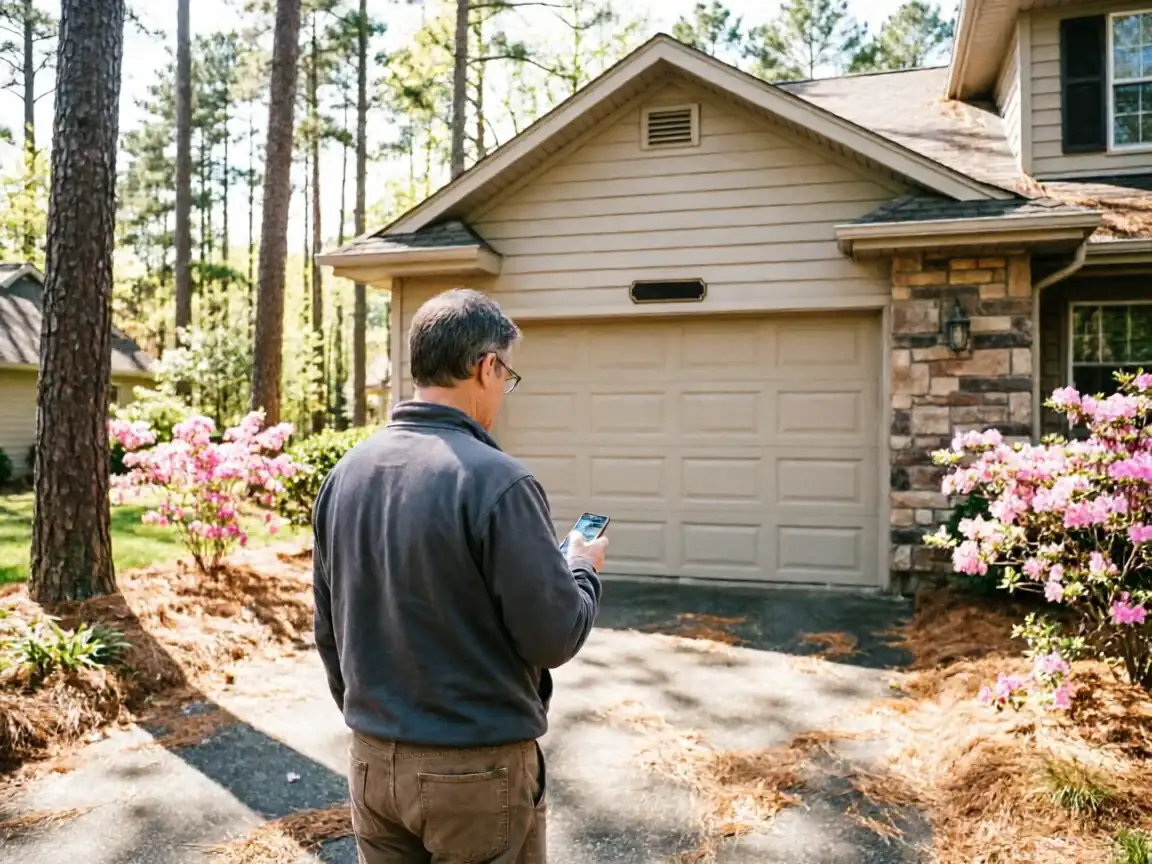
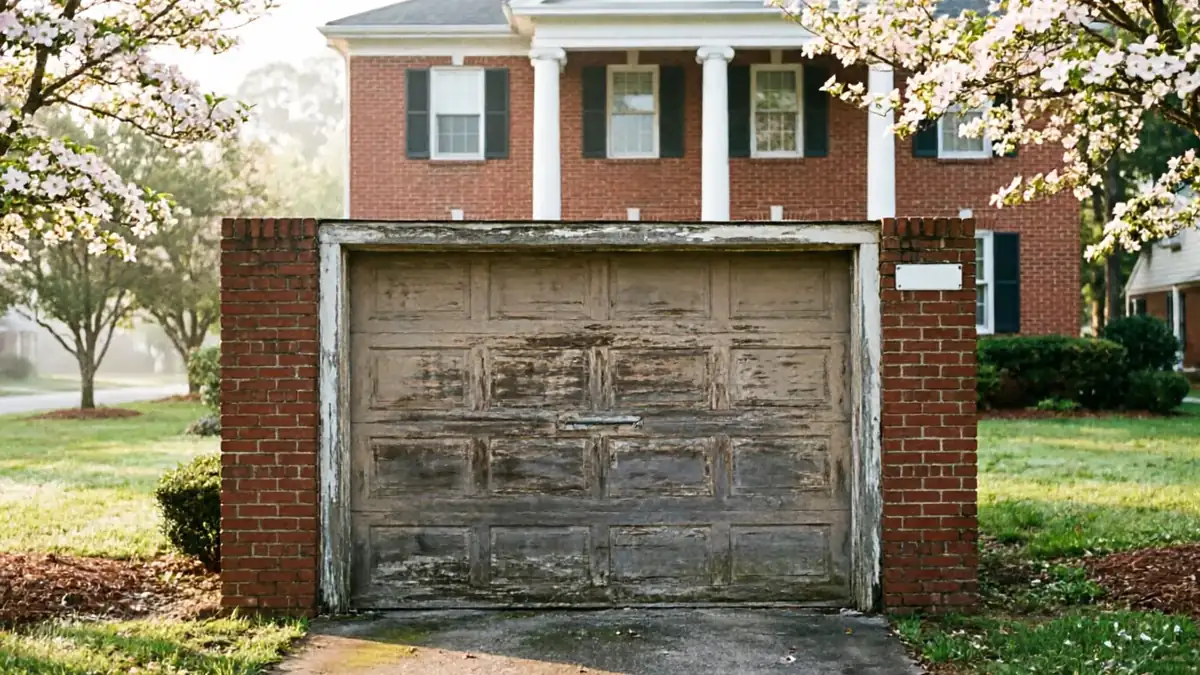
Most of the housing stock across this service area went up between 1953 and 2002, with the median build year sitting around 1976. That matters more than people think when a door starts acting up. A door and opener installed when a house was built in the mid-70s is pushing fifty years old if nobody's touched it since. Across the 16 communities we work in - places like Cave Spring, Hollins, and Cloverdale among them - the bulk of the stock is still 1960s and 70s construction, which means a lot of original garage hardware: single-torsion springs sized for lighter steel doors, chain-drive openers from before anyone worried about noise, tracks that were never leveled to current spec.
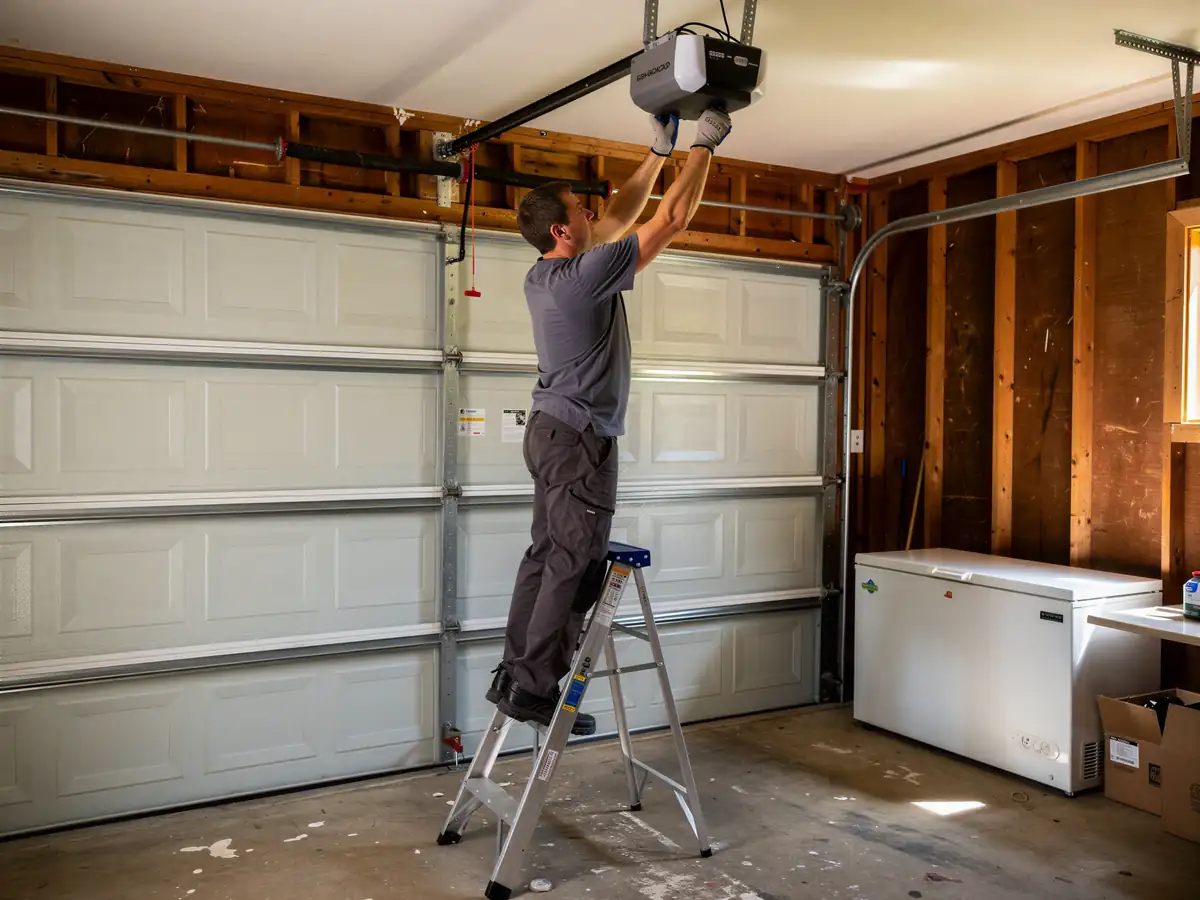
When a door from that era starts binding, dropping unevenly, or the opener starts grinding, the question isn't just "can this be fixed." Almost anything can be fixed. The real question is whether the parts underneath are original 1970s hardware nearing the end of its service life, or a newer door with one bad part. Those are two different calls, and they don't get made the same way twice.
What It Costs
We don't have a standard price list to hand you here, because the honest answer is it depends on what's actually wrong and how old the rest of the system is - and we're not going to put a number in writing that doesn't hold up on your driveway. What we can tell you is how the decision usually breaks down in this area. Median household income across the region sits around $71,199, and that's the number most people are weighing against when they decide whether to sink money into a door that's original to a house built in the 70s or 80s versus a door that's only ten or fifteen years old.
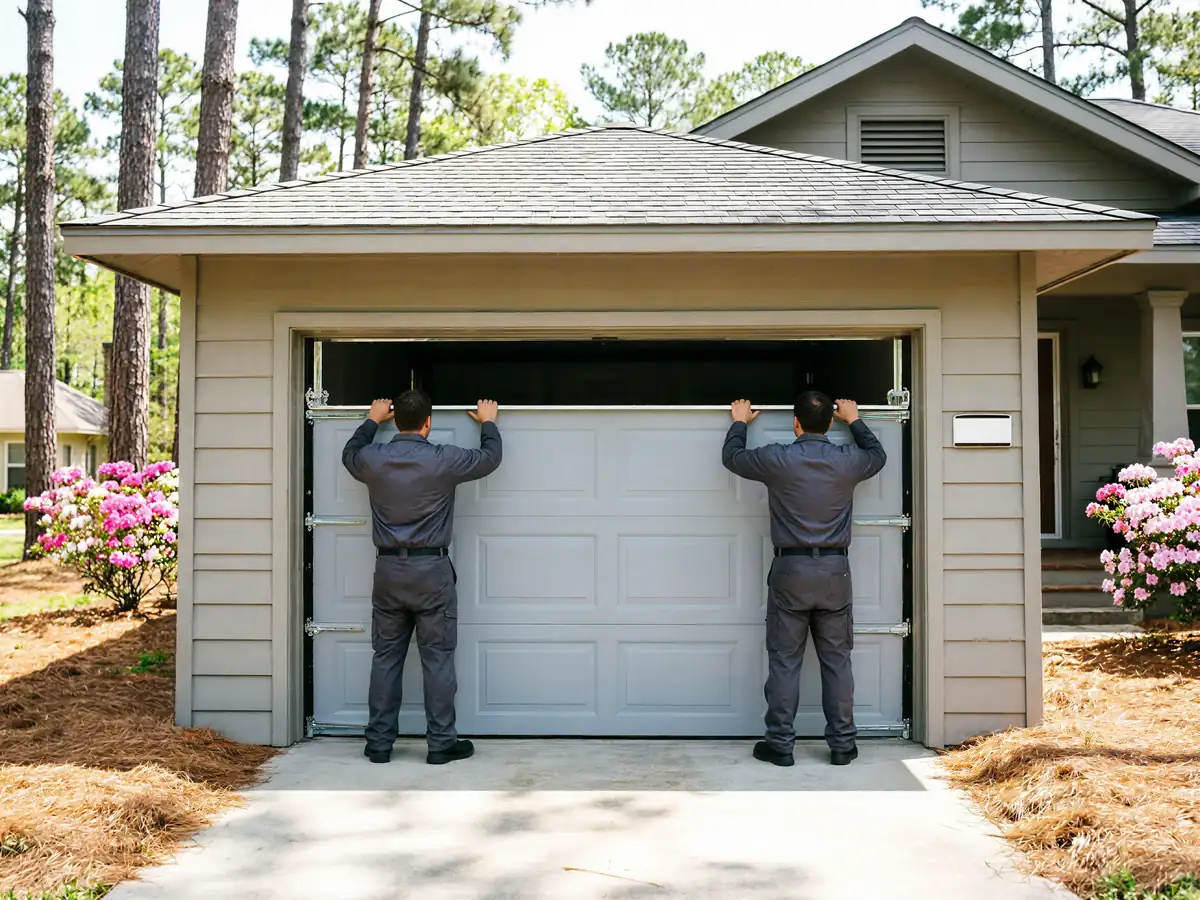
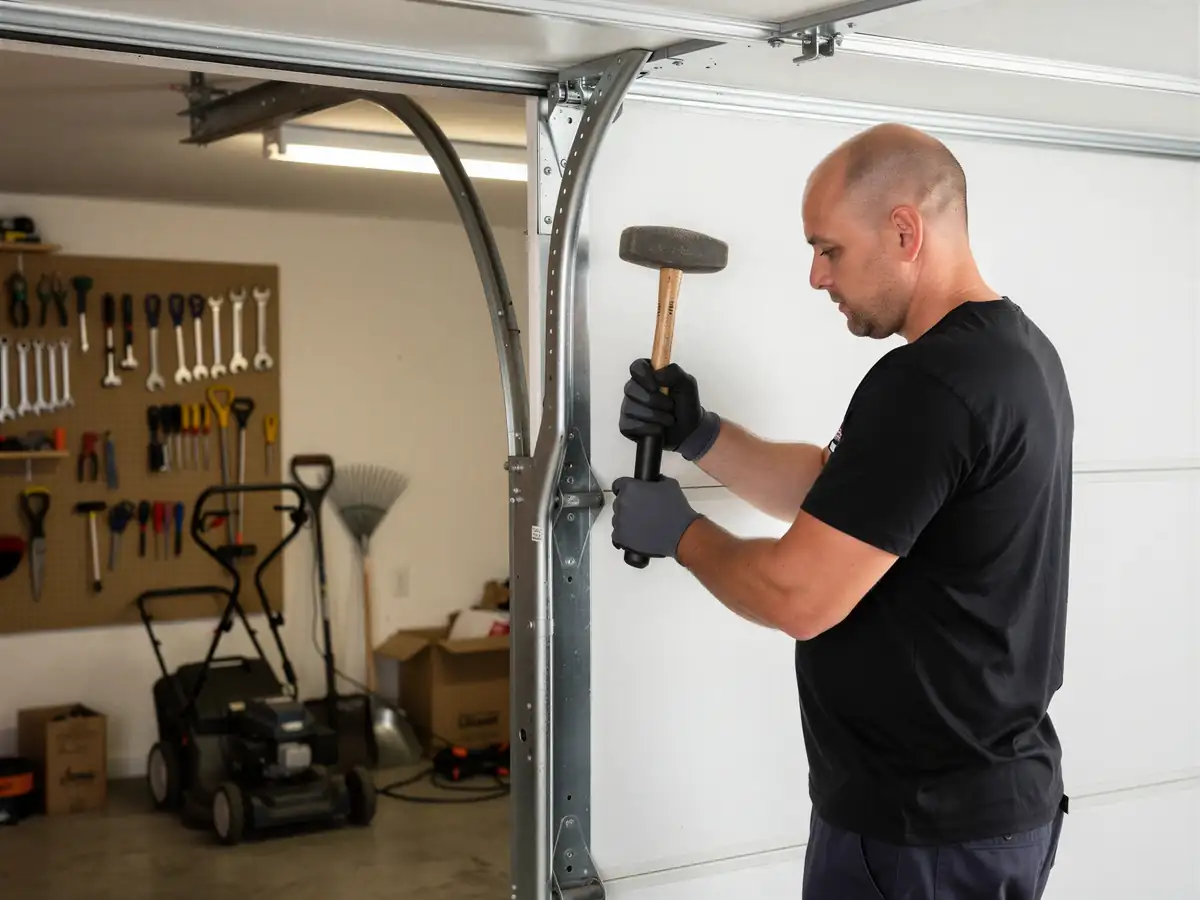
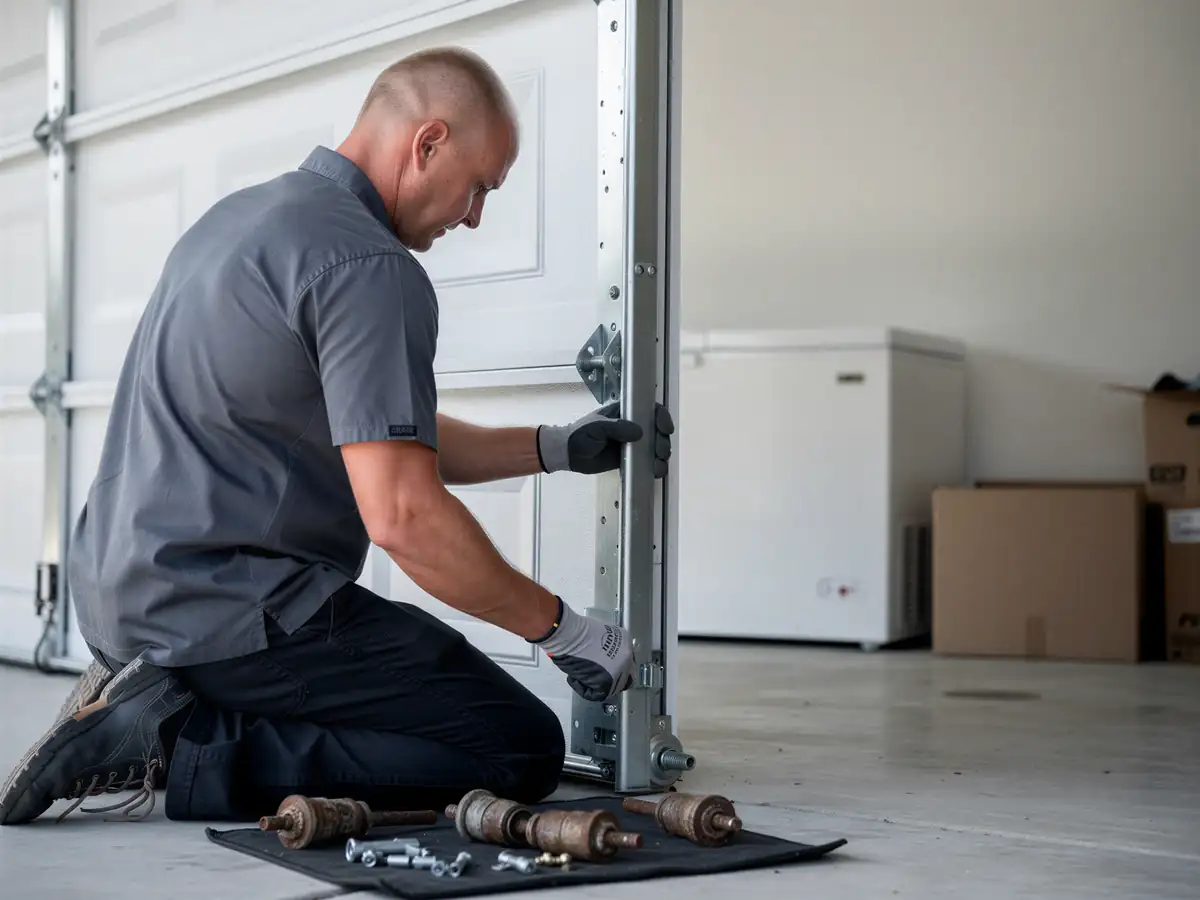
A single repair - a spring, a cable, a roller - on a door that's otherwise sound is almost always worth doing regardless of age, because the door itself isn't the expensive part. Where it stops being worth it is when the track is bent from decades of use, the panels are original steel that's rusted through at the bottom, and the opener is the same unit that came with the house. At that point you're paying to patch something that's going to need the next thing fixed within a year or two.
What to Check
Before you call anyone, look at four things
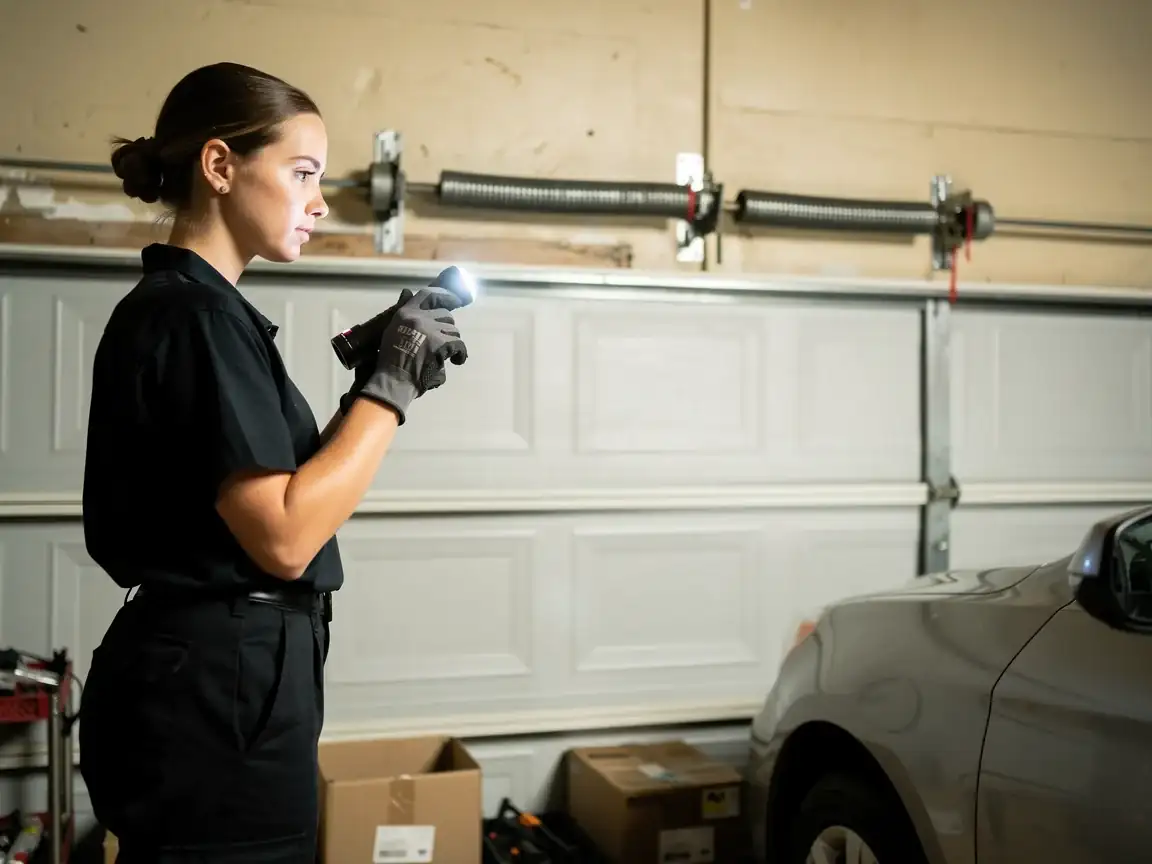
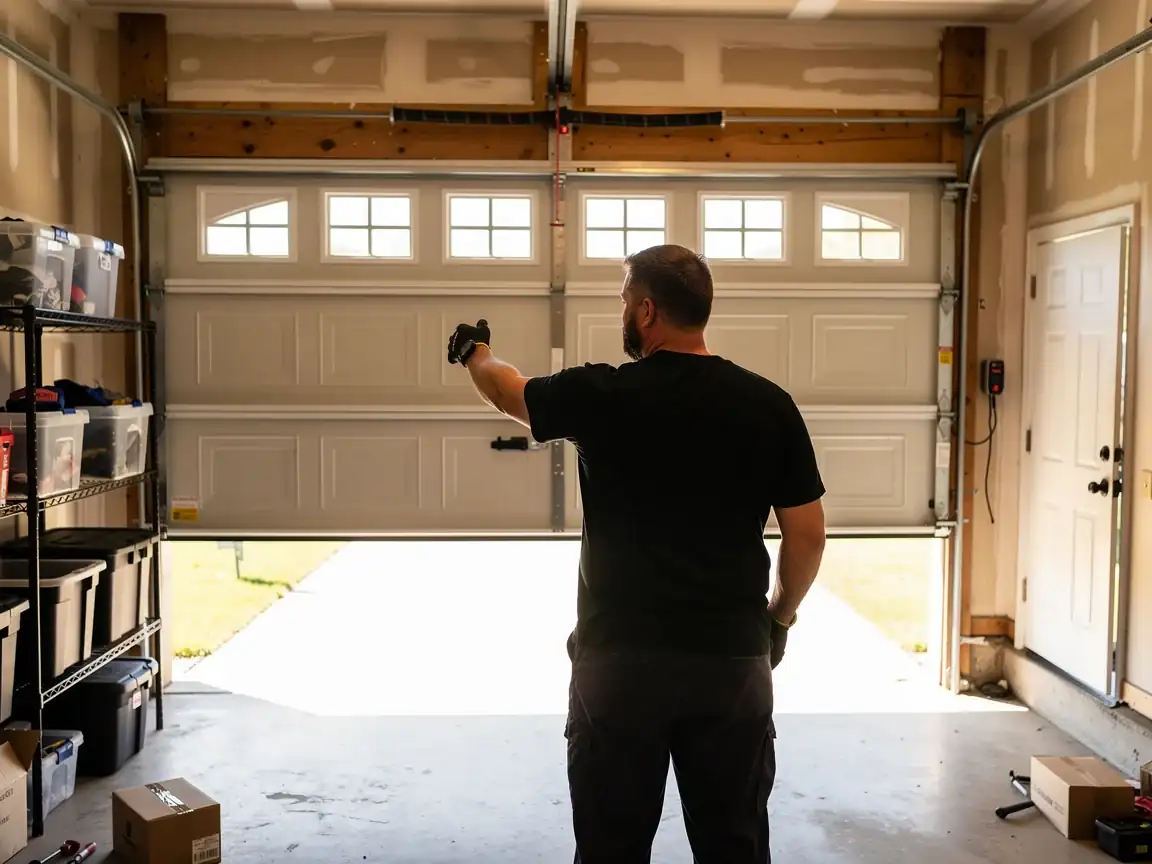
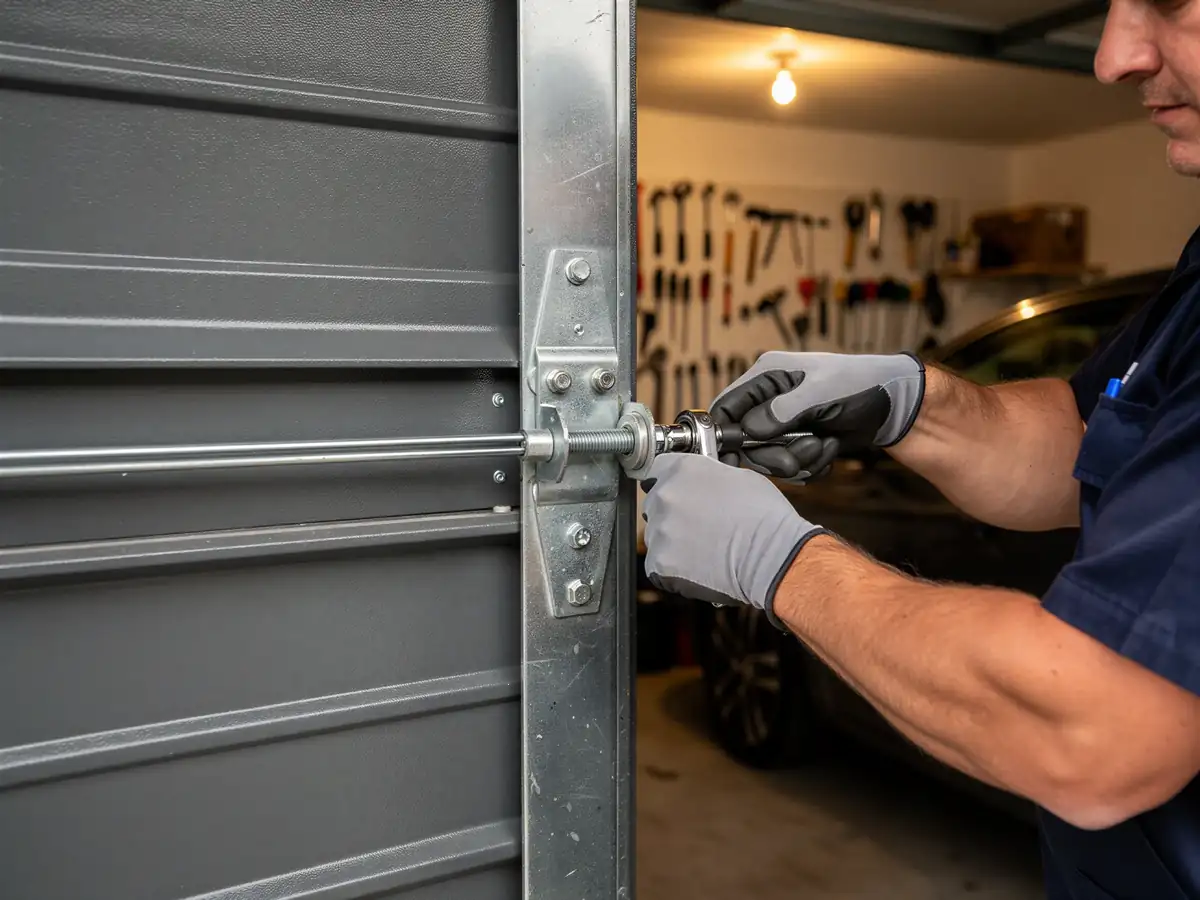
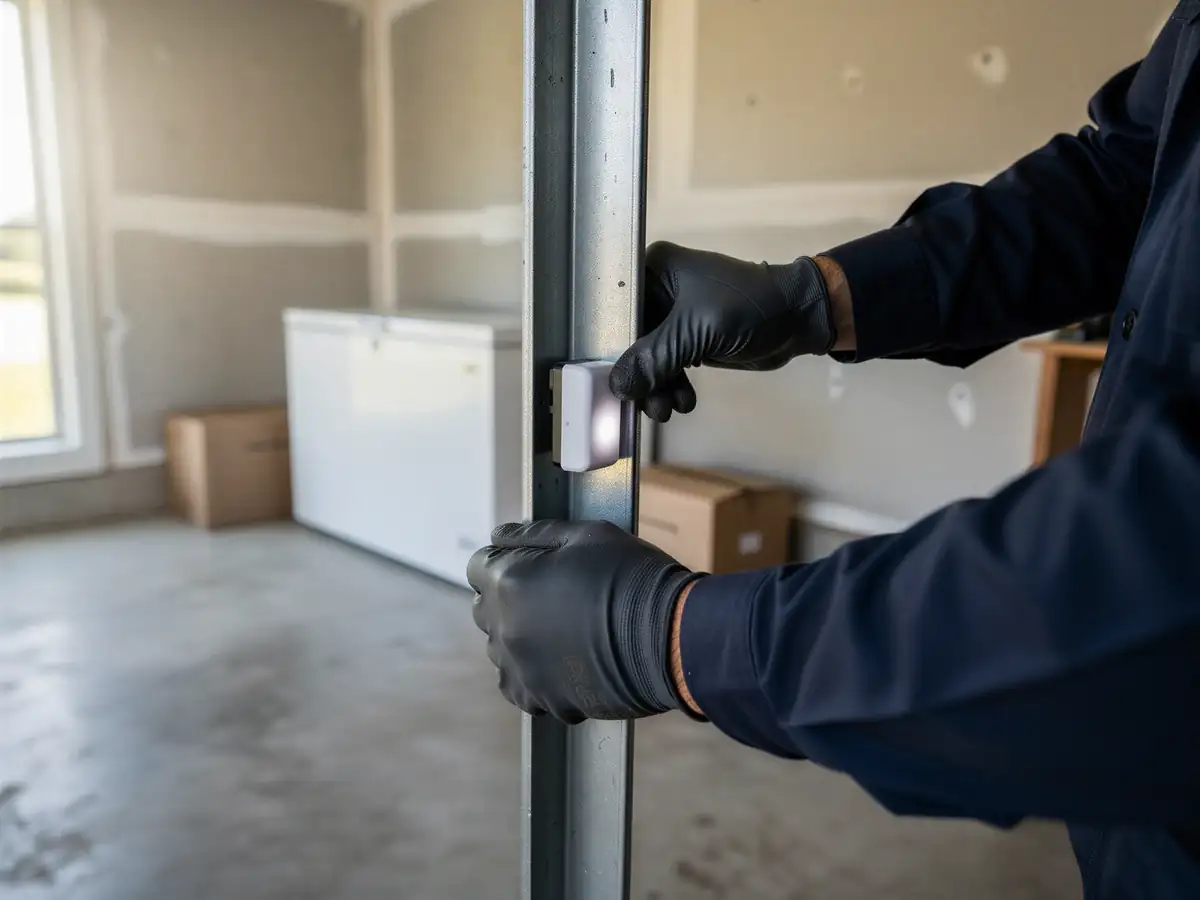
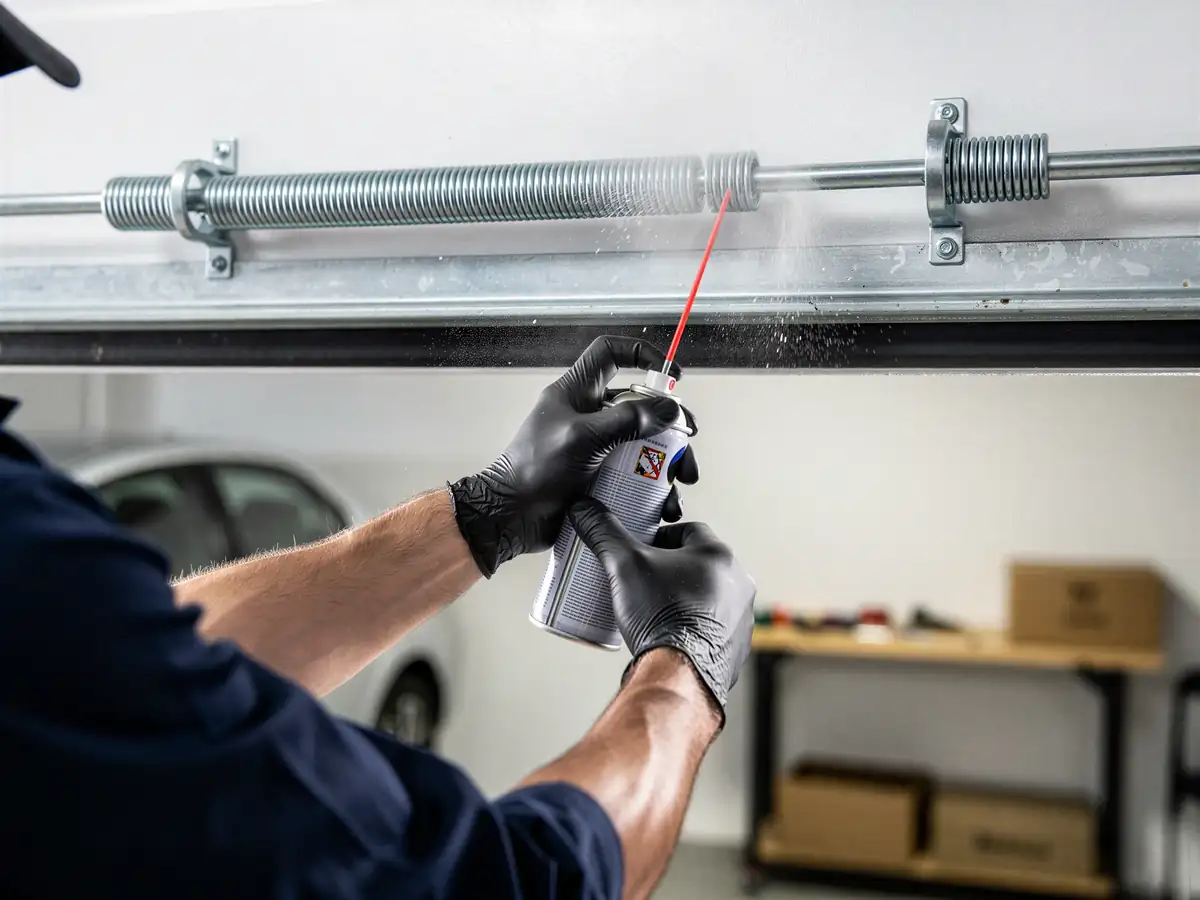
First, the springs - if they're the original torsion springs on a door from a 60s or 70s build, check for rust pitting or a visible gap in the coils; springs from that era weren't rated for the cycle counts we expect today. Second, the track alignment - older doors on original hardware tend to have tracks set slightly out of plumb because leveling standards have tightened since they went in. Third, the bottom panel, especially on doors facing north or west where snow and ice sit longest; steel from that period rusts from the inside out, so it looks fine until it isn't. Fourth, the opener's safety reversal - if the door doesn't stop and reverse when it hits something, that's not a maintenance item, that's a hazard, and it's worth addressing regardless of what else is going on with the door.
If you're checking an original 1976-vintage door for the first time in years
Expect to find at least one of these. That's normal for the age of the stock out here, not a sign the whole door is junk.
How Local Conditions Play In
This area sits in a cold, moderate climate band, which means freeze-thaw cycles through the winter months rather than extreme cold snaps. That cycle is harder on garage door hardware than straight cold would be, because metal contracts and expands repeatedly instead of just sitting cold. On an older door, that shows up as loosened hinge screws, stiffened rollers, and weatherstripping that's cracked and no longer sealing - all things that get worse every winter they're ignored.
For a door built to 1970s or 80s standards, insulation was rarely part of the spec at all, which means an original door in this climate band is doing nothing to keep the garage above outside temperature. That's not a safety issue, but it's a real cost issue if the garage is attached and heated space sits on the other side of that wall. We'll say plainly: if your door is original to a house built in that era and the panels are intact, sometimes the right fix is new weatherstripping and a serviced opener, not a full replacement. We're not going to tell you to replace a door that doesn't need it.