How We Get to You
We run out of Roanoke, and Cave Spring sits about 4 miles out, which keeps it an easy stop on most days rather than a special trip. We don't keep a depot or drop box in Cave Spring itself - every job starts with a truck leaving Roanoke, so you're getting whoever's closest on the route that day, not a crew stationed around the corner. That's worth saying plainly: we're not local to Cave Spring, we're local to Roanoke and we cover it. The short distance means parts runs back to the shop don't blow up your day if we find something we didn't expect once the door's open. If you call and we're mid-job elsewhere in the service area, we'll tell you honestly where you sit in the queue rather than promise a window we can't keep.
What Neighbours Usually Call About
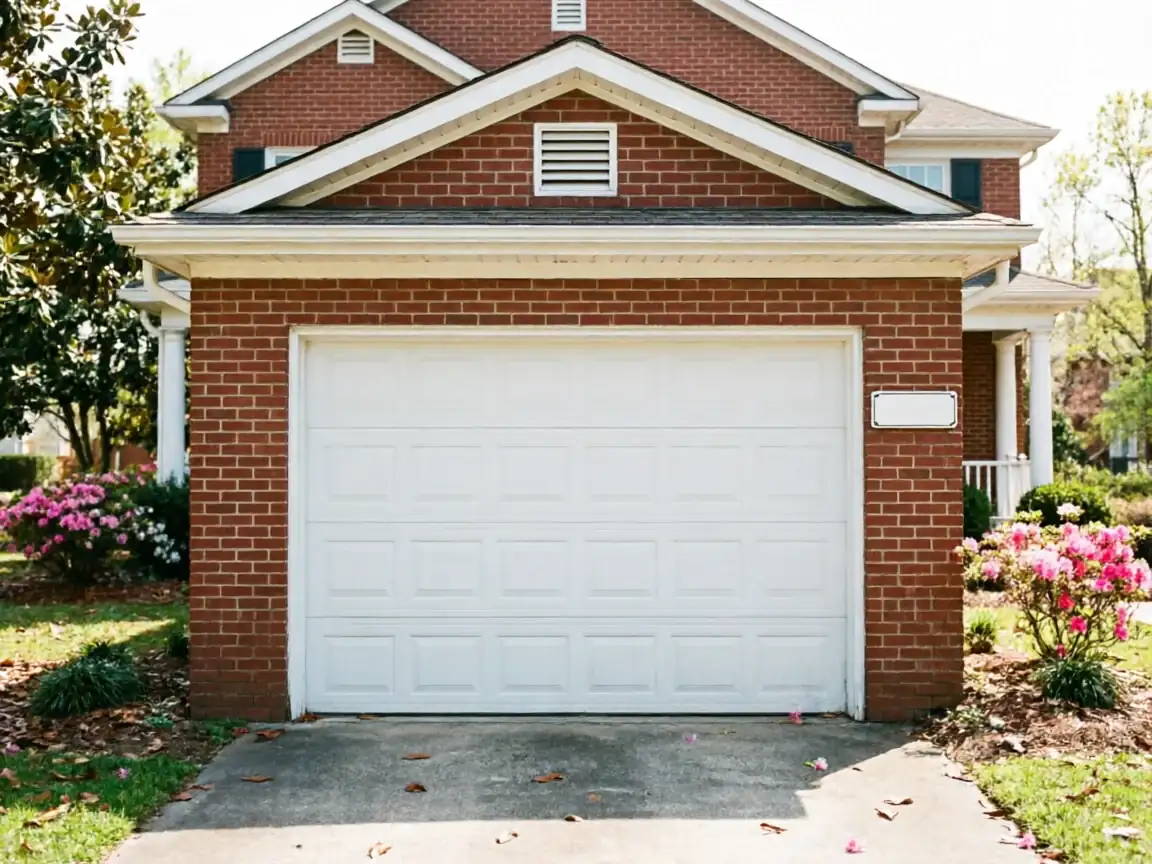
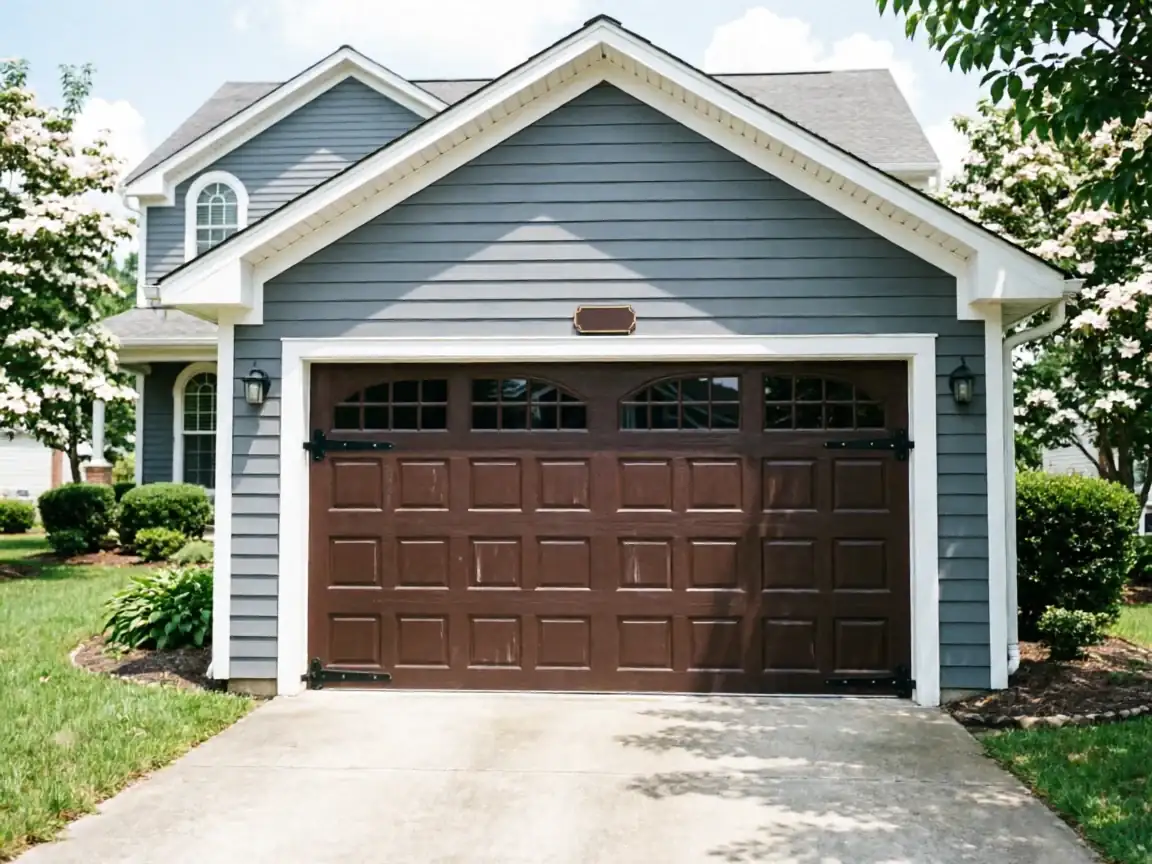
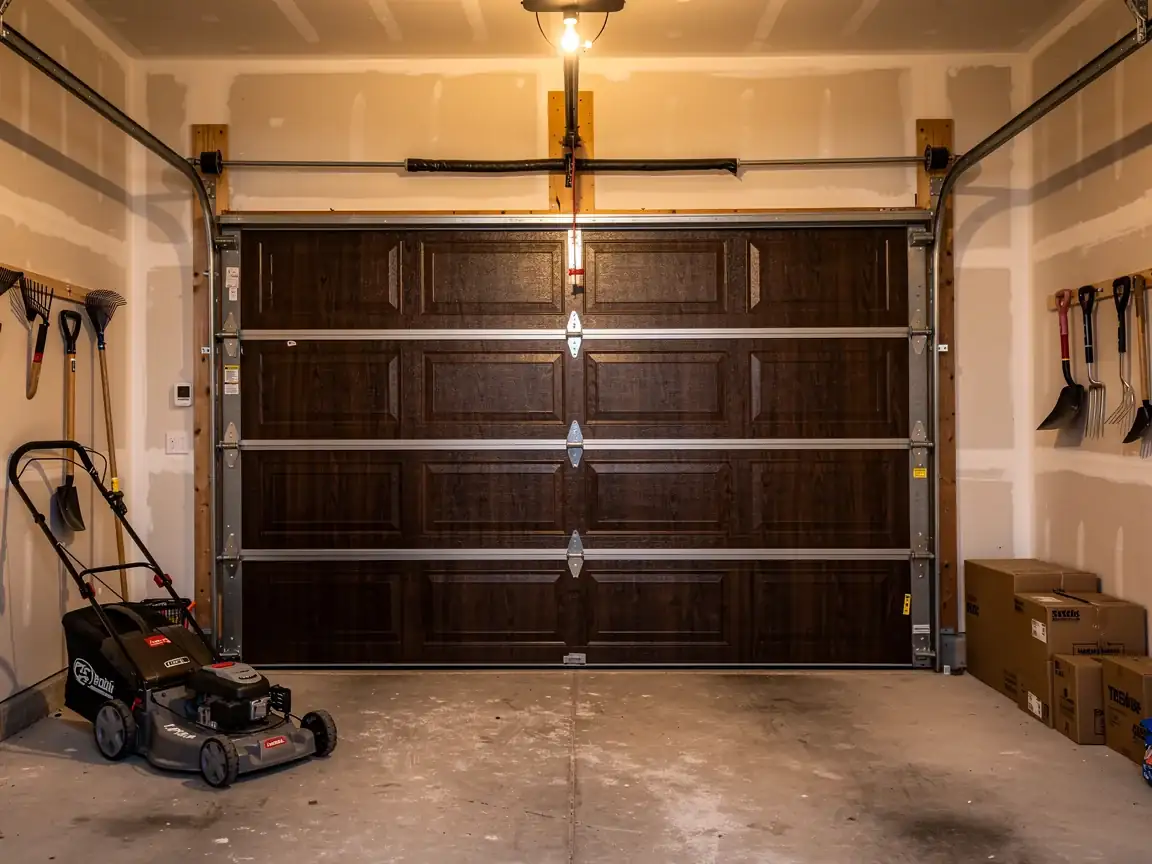
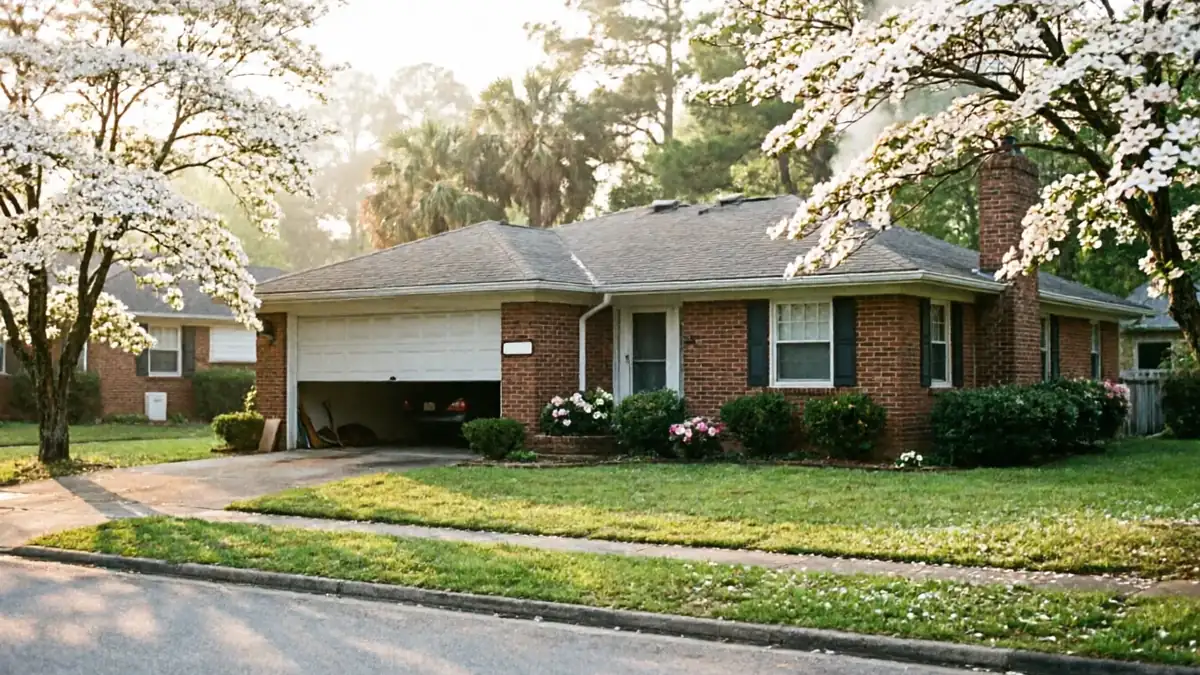
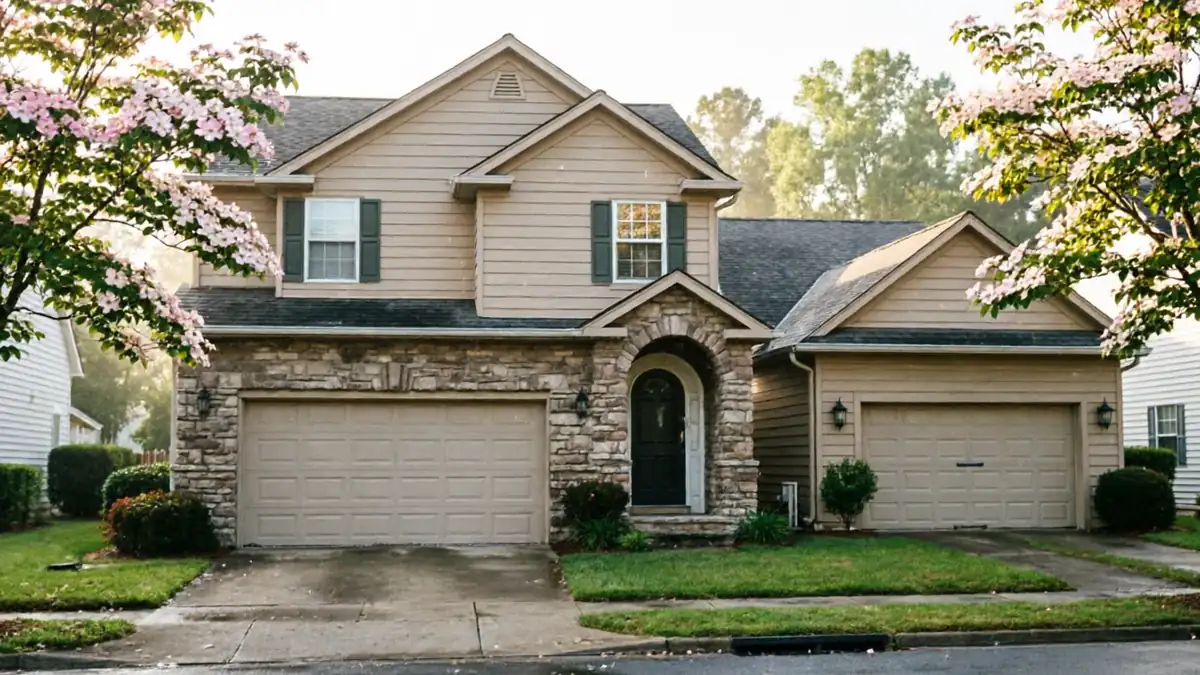
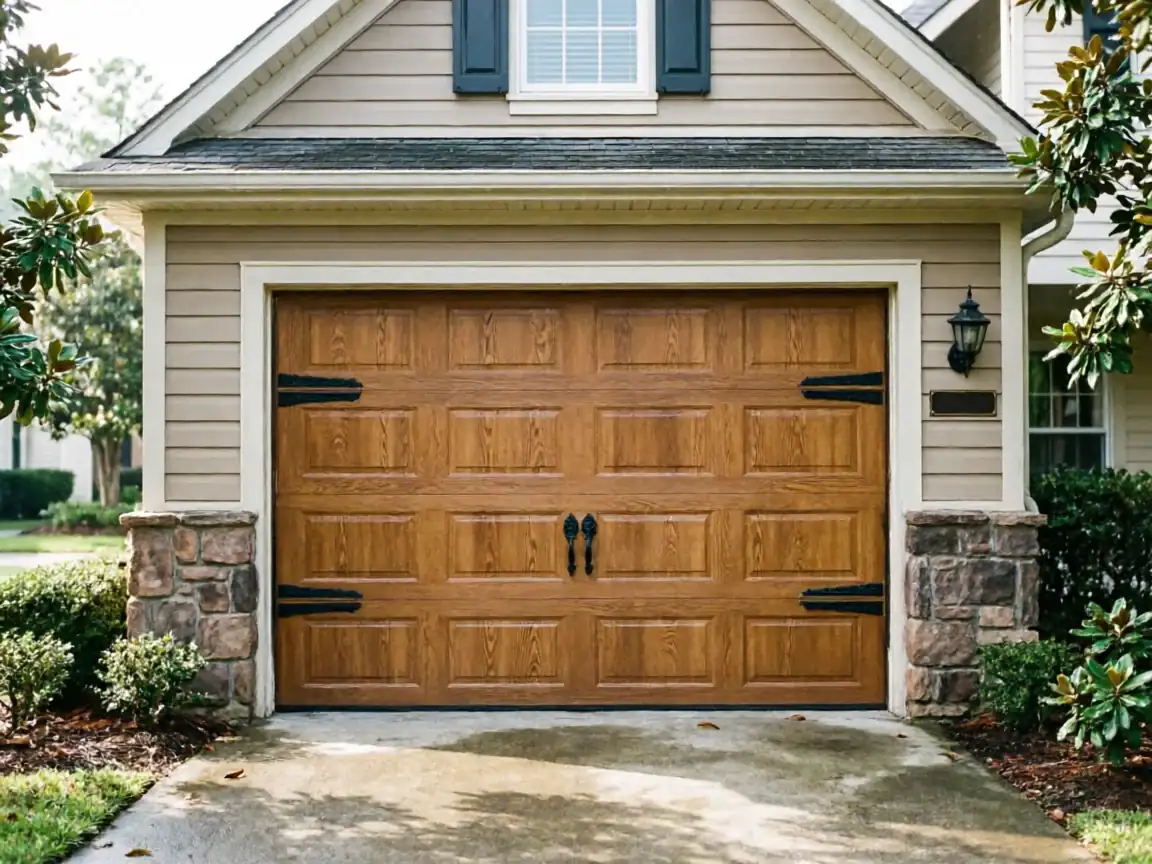
The calls we get from this part of town skew toward doors and openers that are original or close to it - torsion springs that have simply outlived their cycle count, and openers from an era before modern safety reversal sensors were standard. A lot of Cave Spring garages still have the single rolling-door panel style that was common when these houses went up, and those don't always match the two-inch track hardware you'd find on anything built in the last fifteen years. We also see cables that have started to fray at the drum, which on a door this age usually means the whole cable-and-drum set needs replacing together rather than patched piece by piece. What we don't see as much here: the thin, builder-grade steel panels that show up in newer subdivisions and dent with one bump of a bumper. The honest limit is that if your opener motor is original to the house, parts for it may simply not exist anymore - at that point replacement is the real answer, not a repair quote that keeps you waiting on a part nobody stocks.
What the Housing Means for Your Door
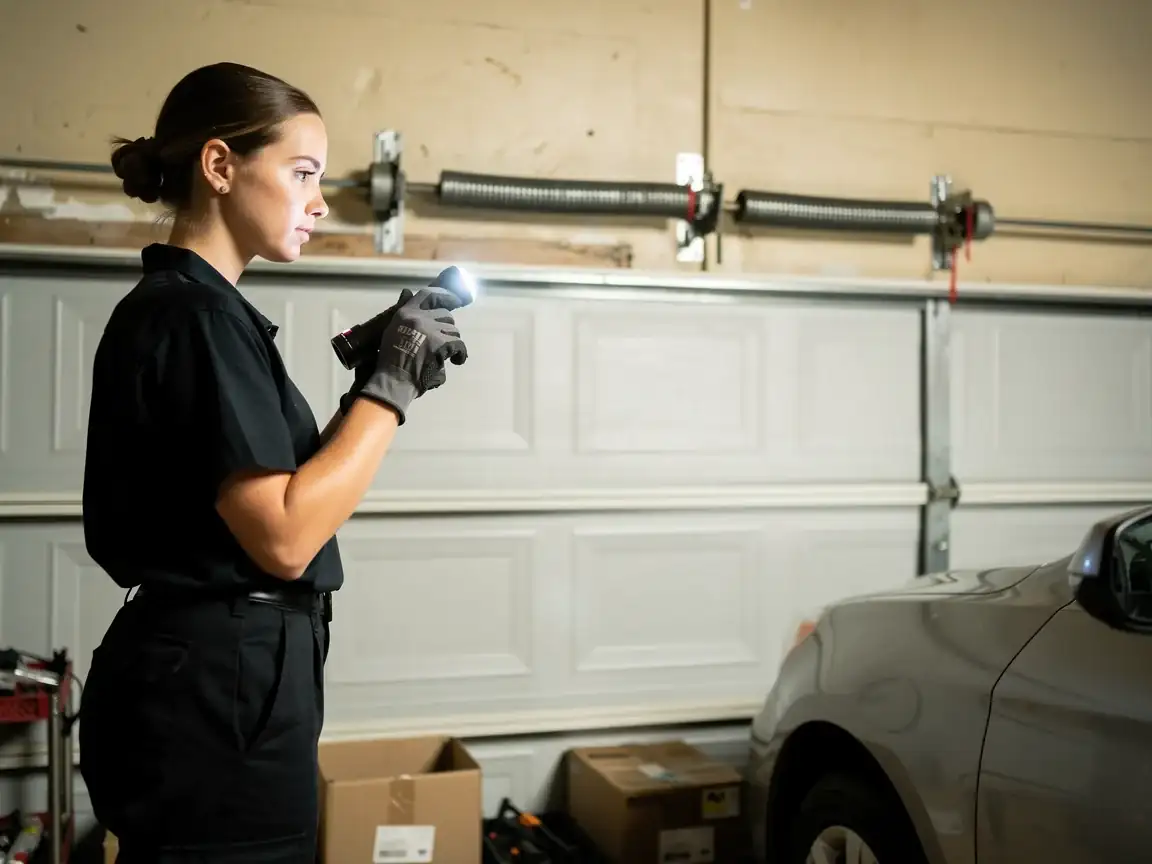
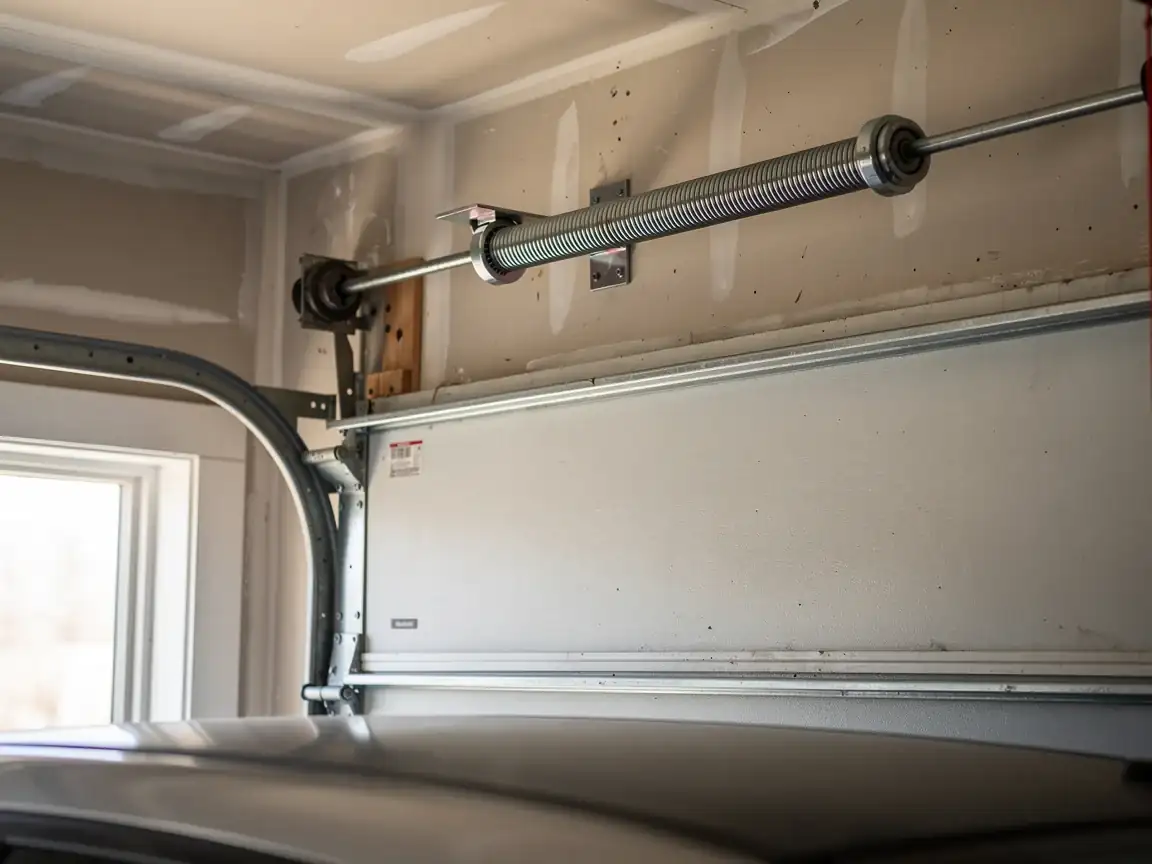
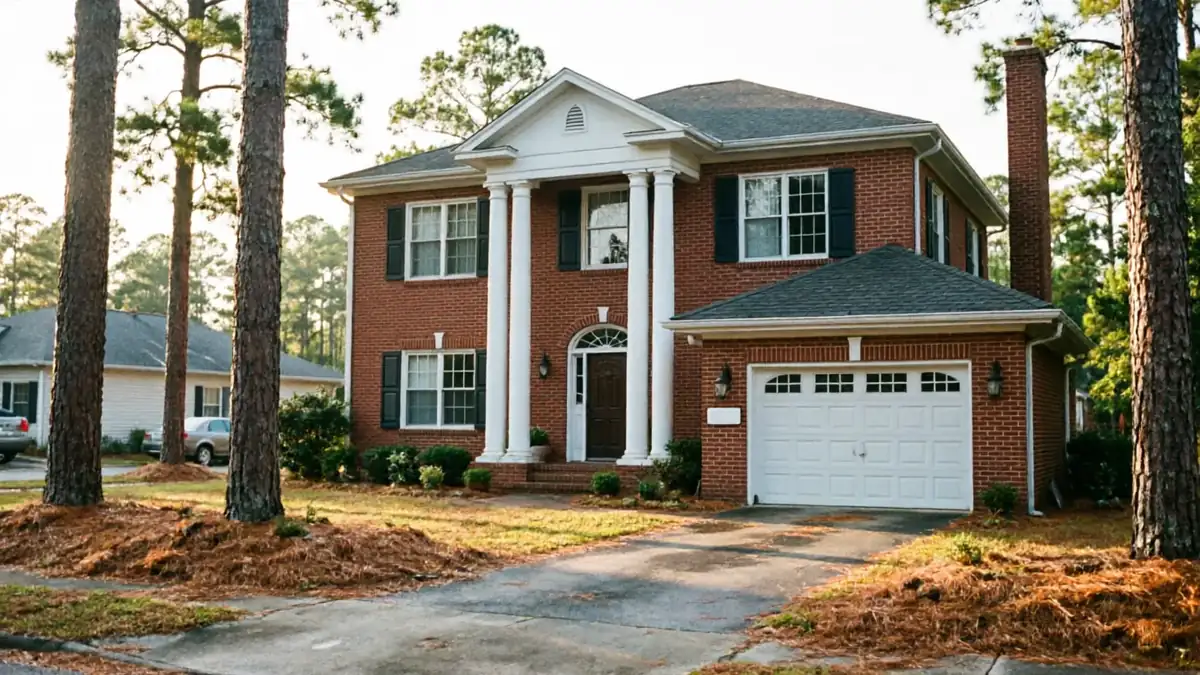
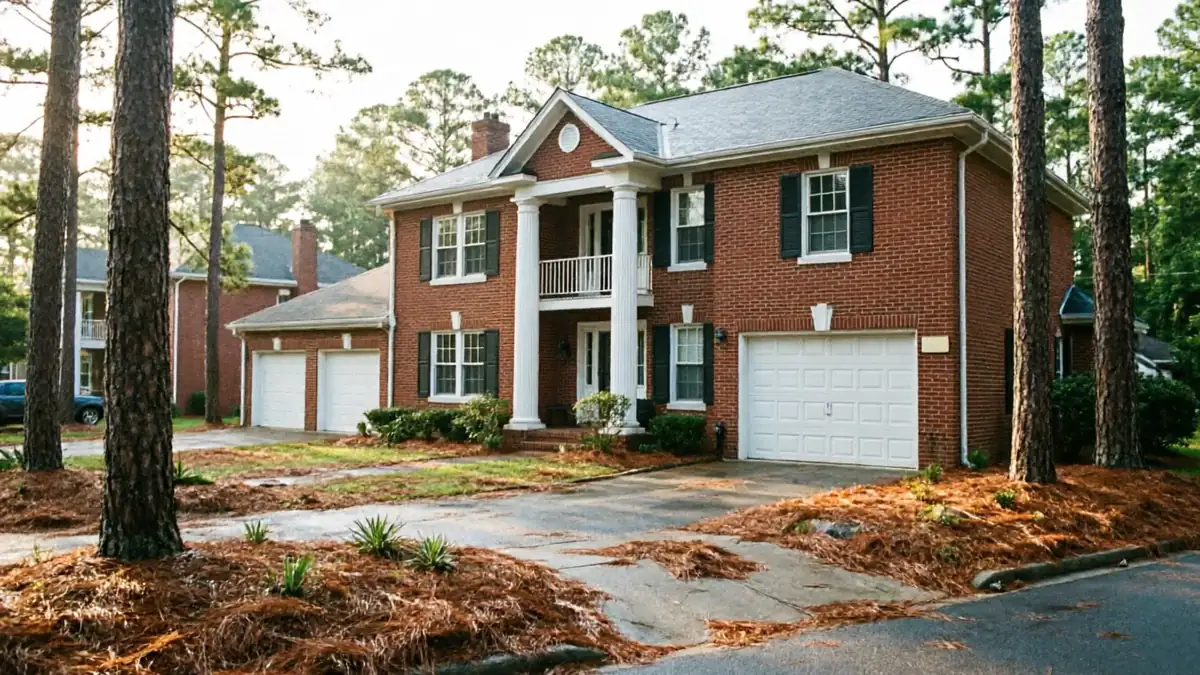
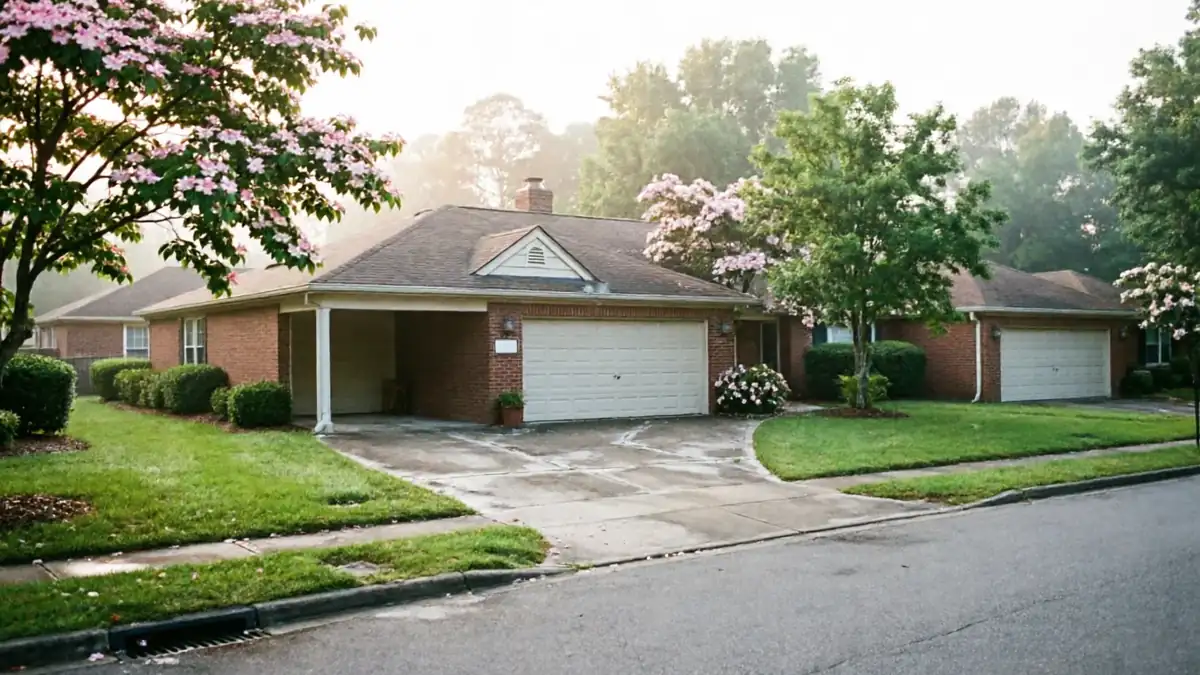
A door built around 1978 was engineered for a different winter than the ones we get now, and the cold-moderate climate here still puts real stress on steel track and springs through freeze-thaw cycles each year. On a door this age, the torsion spring has usually been recoiled or replaced at least once already, and the galvanizing on the original springs is often gone - that's the thing to check before anything else squeaks or jumps off track. Side-mounted torsion setups from this period also use a different drum size than what current double-door kits ship with, so a technician needs to actually measure rather than guess off a parts catalog. If your door is still running the hardware it came with, the honest move is usually a full spring-and-cable swap done together rather than waiting for the second failure six months later.