How We Fix It
Most houses in Cave Spring went up around 1978, which puts the typical door and track system at close to half a century old if nobody's touched it. On a door that age, the rollers are almost always the original steel ones - stamped steel wheel, open bearing, no nylon sleeve. Those were standard equipment in the 1970s and they're exactly what starts grinding, flat-spotting, or seizing after this many open-close cycles.
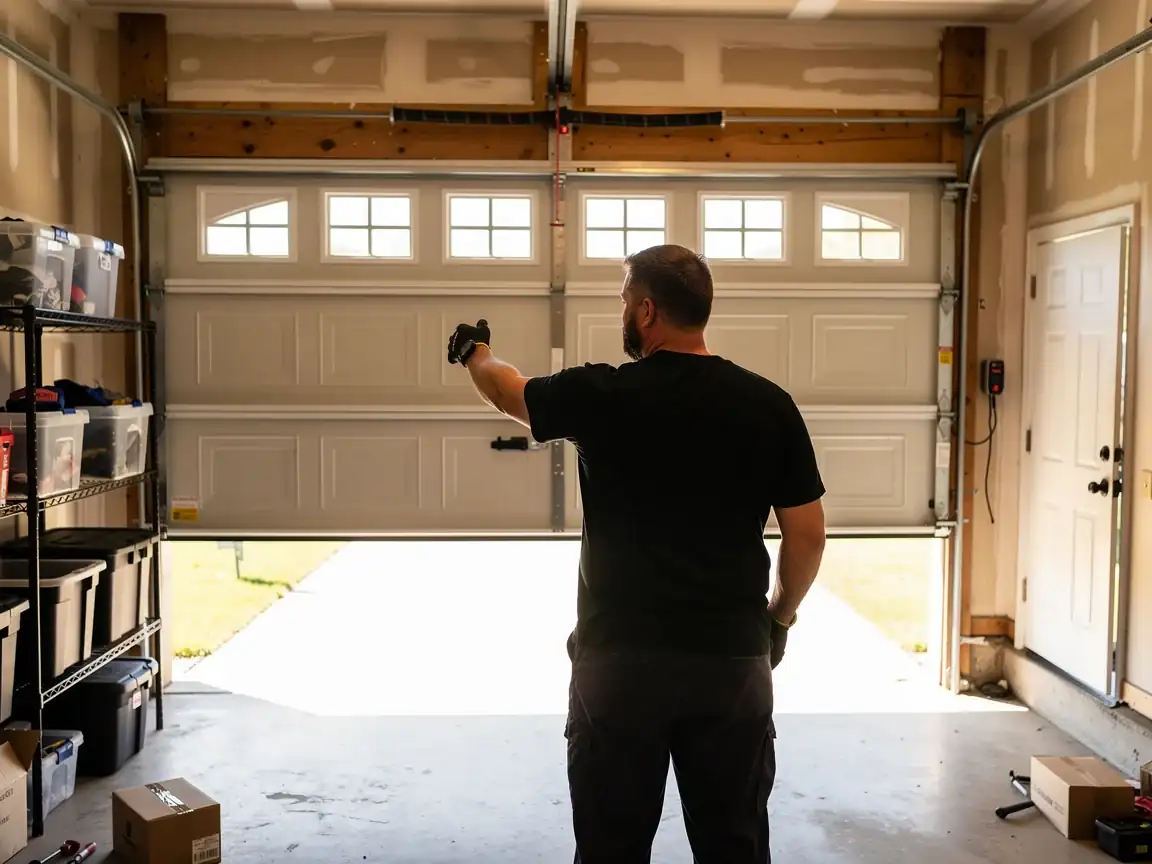
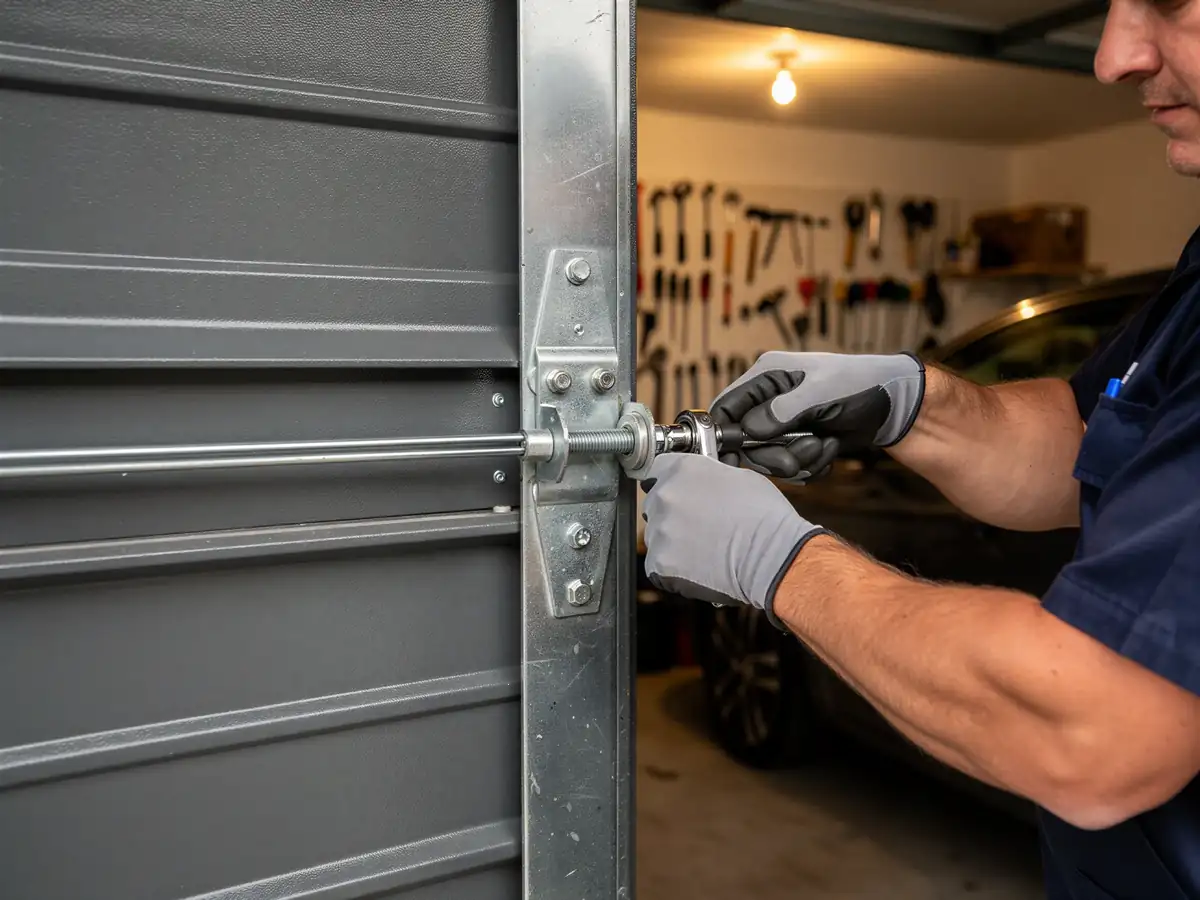
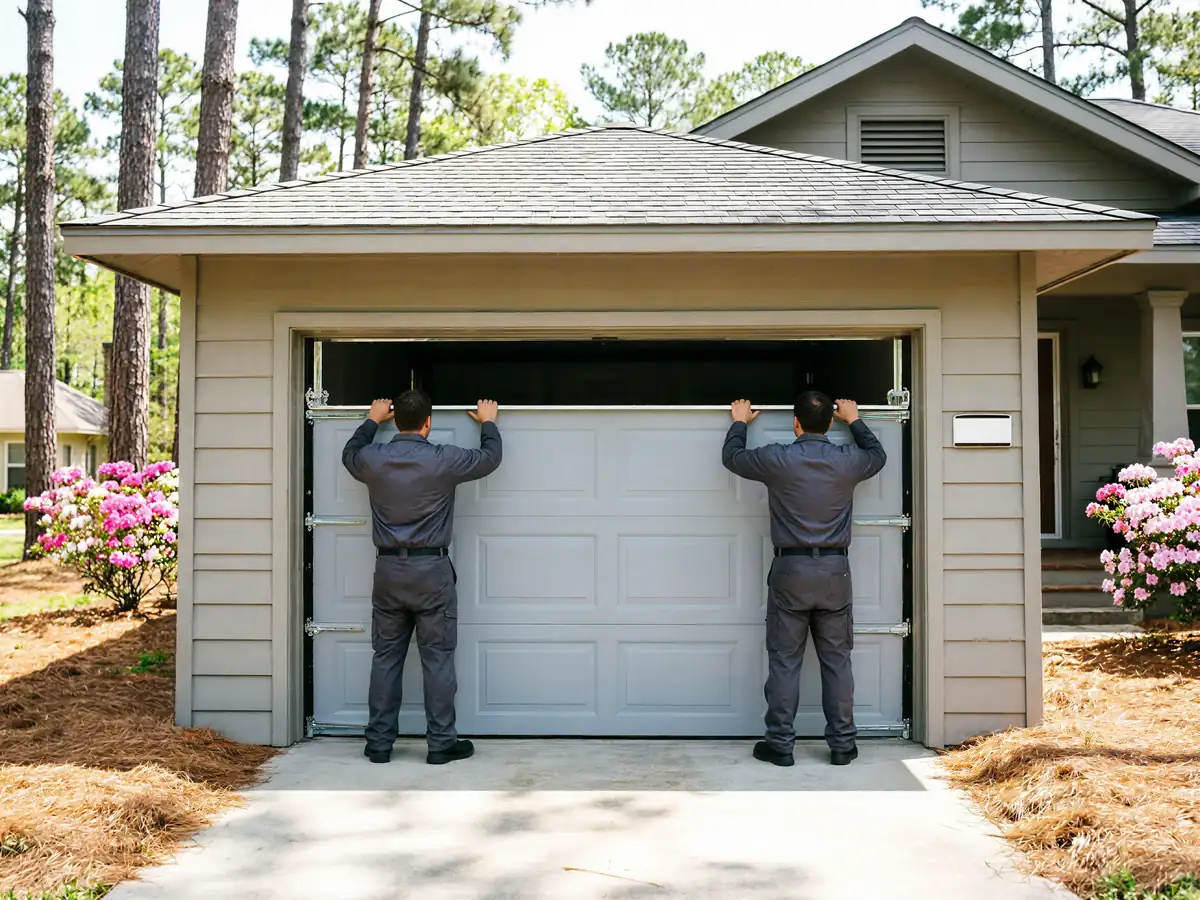
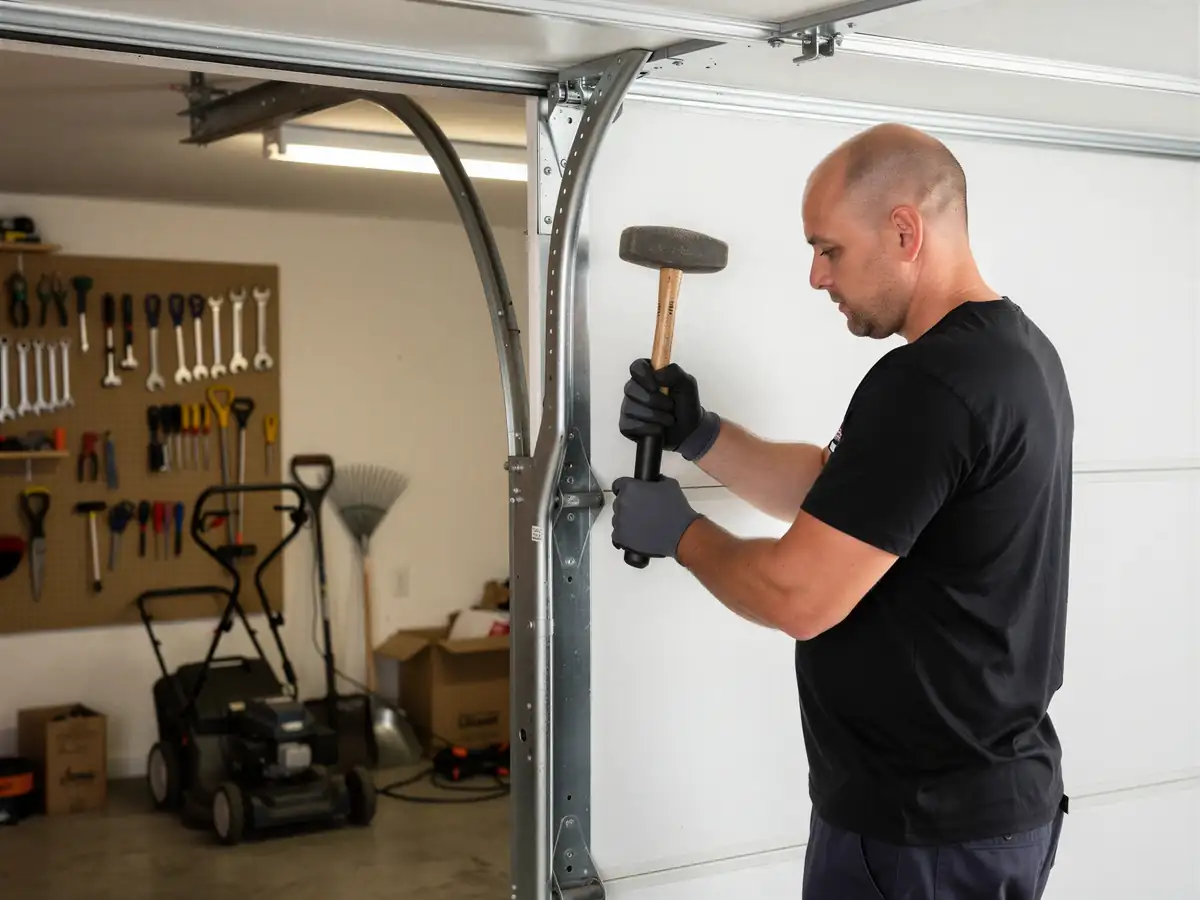
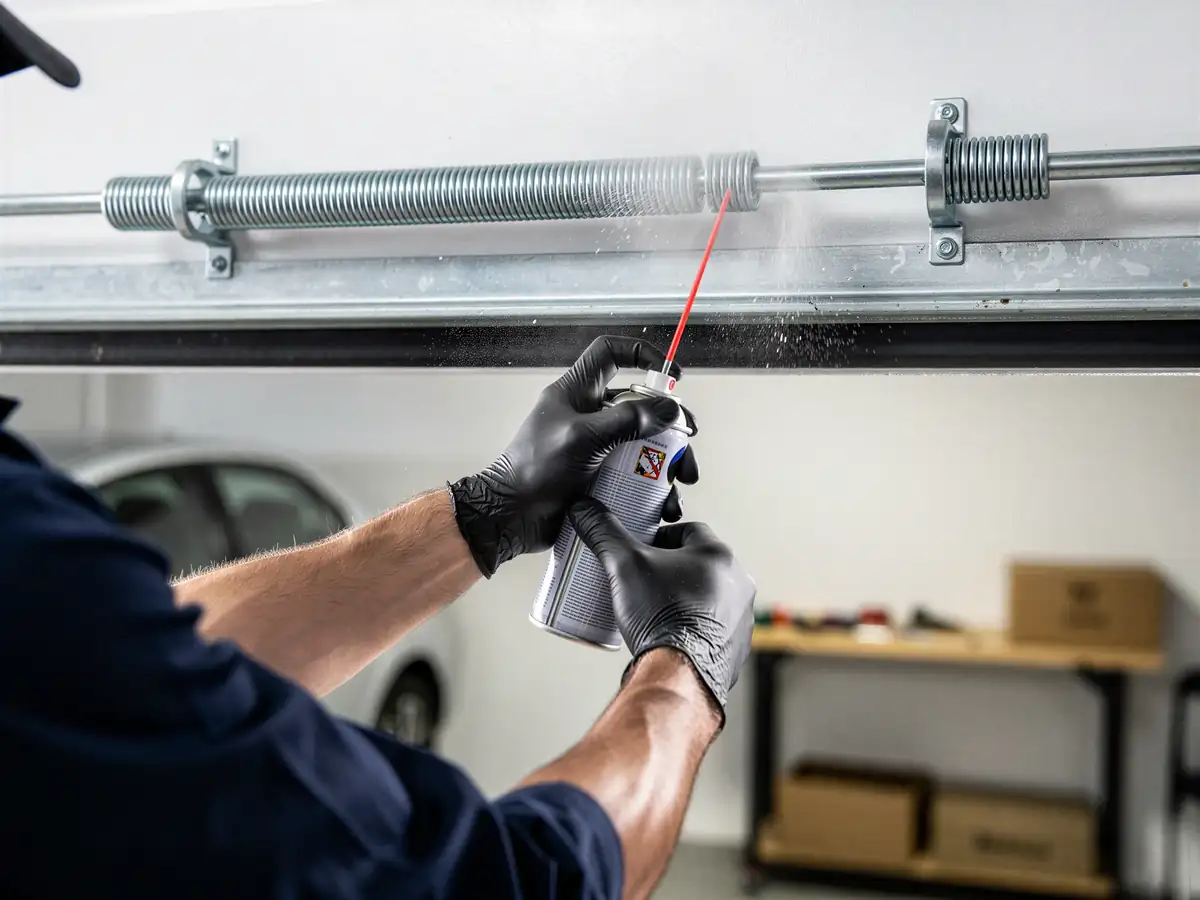
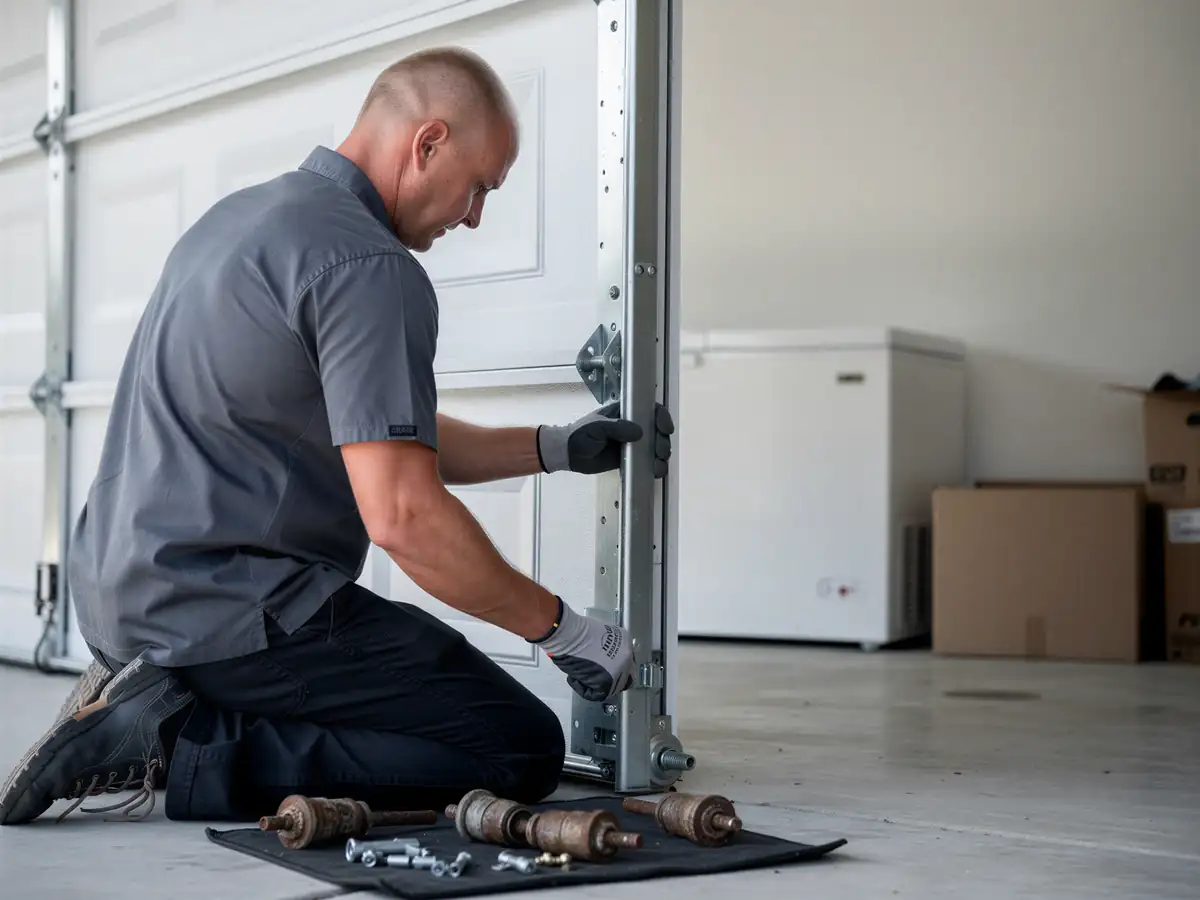
We pull the door, support it so the springs don't drop it on anyone, and work the rollers out of the track one at a time - top hinge first, then down each side. If the track itself is still straight and the hinges aren't elongated, we're just swapping rollers, usually to a sealed nylon roller that runs quieter and doesn't need the periodic oiling steel does. If a hinge bracket has worn oval from decades of steel-on-steel wear, we replace that bracket too, because a new roller in a stretched hinge will just repeat the problem in a year or two.
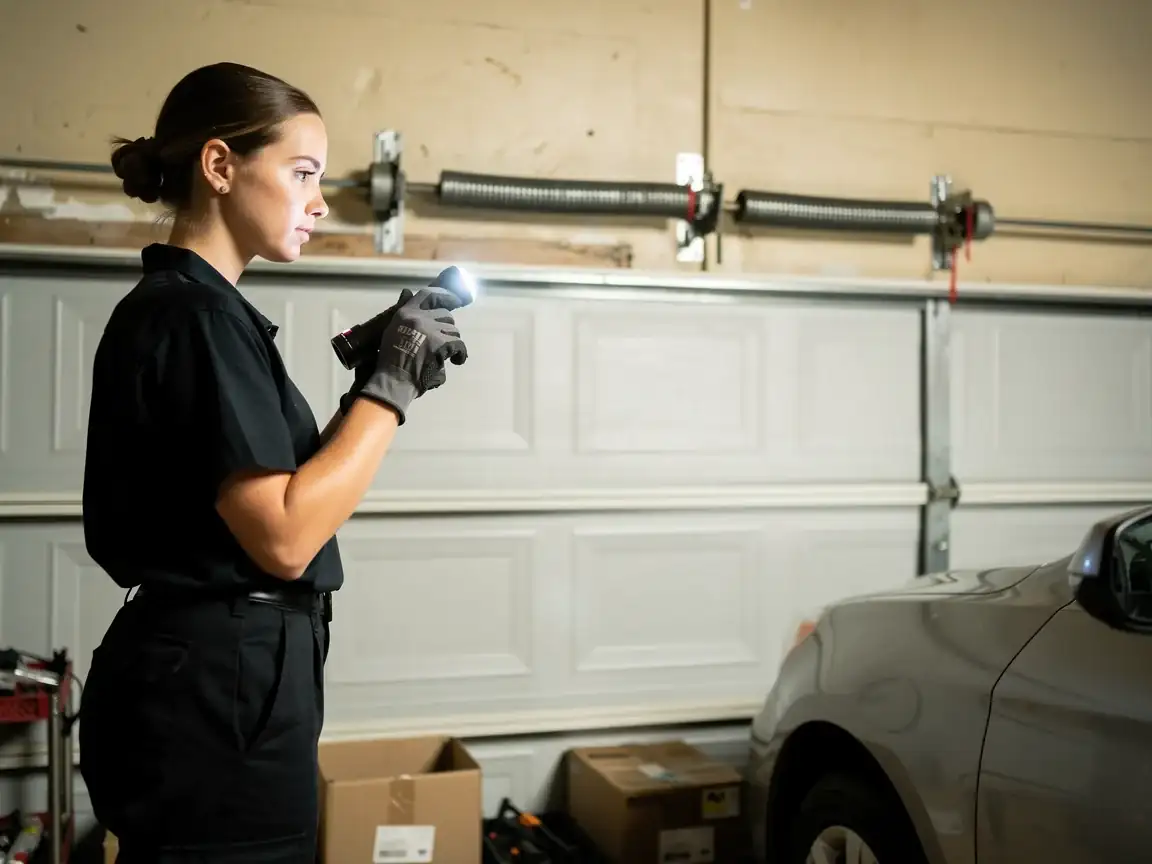
We check the whole run of track on both sides while we're in there. On a door this old, a bent section low on the track - from a car bumper, a kid's bike, whatever - is common, and it's worth catching now rather than on a second visit.
How Long It Takes
A straightforward roller swap - all ten or twelve rollers, no track damage, no hinge replacement - runs about an hour on site once the truck is parked. If we find a bent track section or worn hinges, which isn't unusual on a door built in the Carter administration, add thirty to sixty minutes.
We travel from Roanoke, and Cave Spring sits about four miles out, so getting a technician to your driveway isn't the long part of the job - the roller work itself is. We don't carry every roller and bracket combination on every truck, since doors from the 1960s through the 1990s used different roller stem lengths and hinge gauges, so if your hardware is an odd match we may need to confirm the part before we cut you a firm time.
Booking a Visit
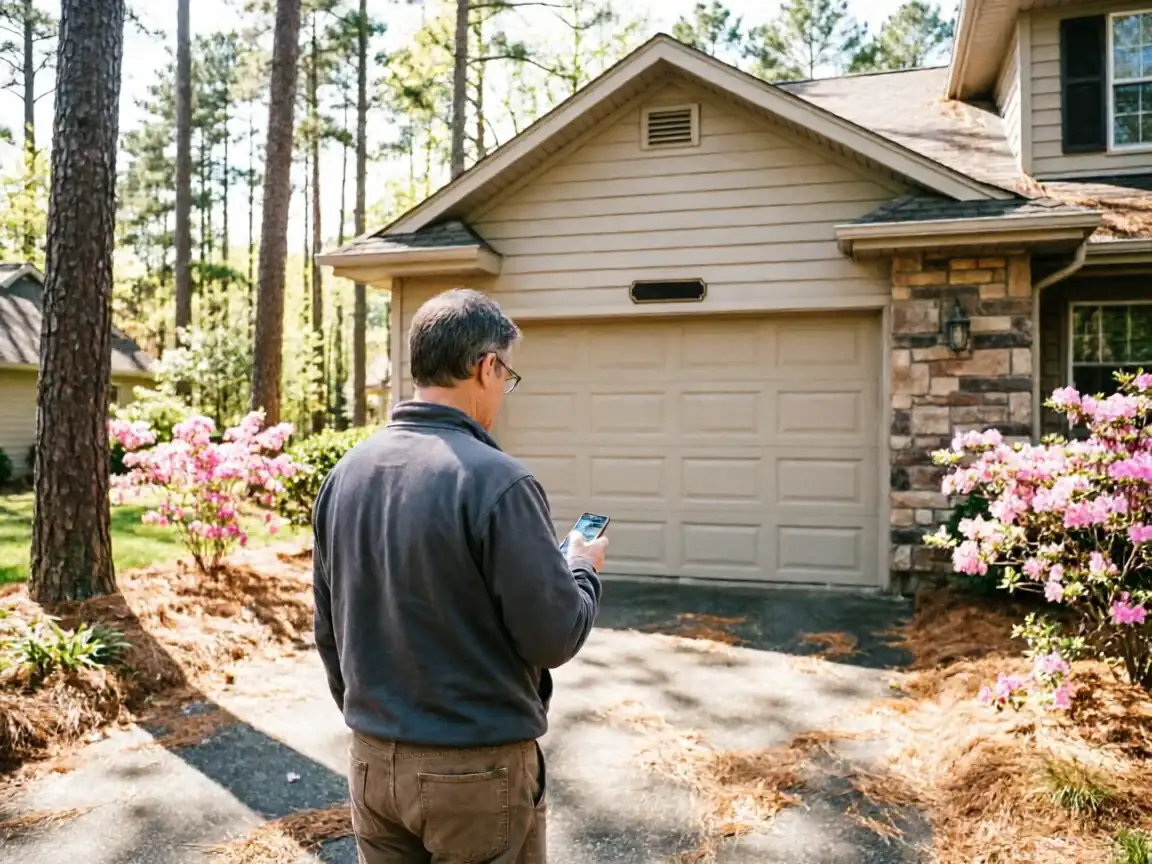
Tell us the rough age of your house when you call
If you know it was built in the late 1970s or thereabouts, that alone tells us what kind of rollers and hinges to expect before we ever see the door. It also helps to know if the door sticks, grinds, or jumps the track at a particular spot, since that points to which rollers are worst.
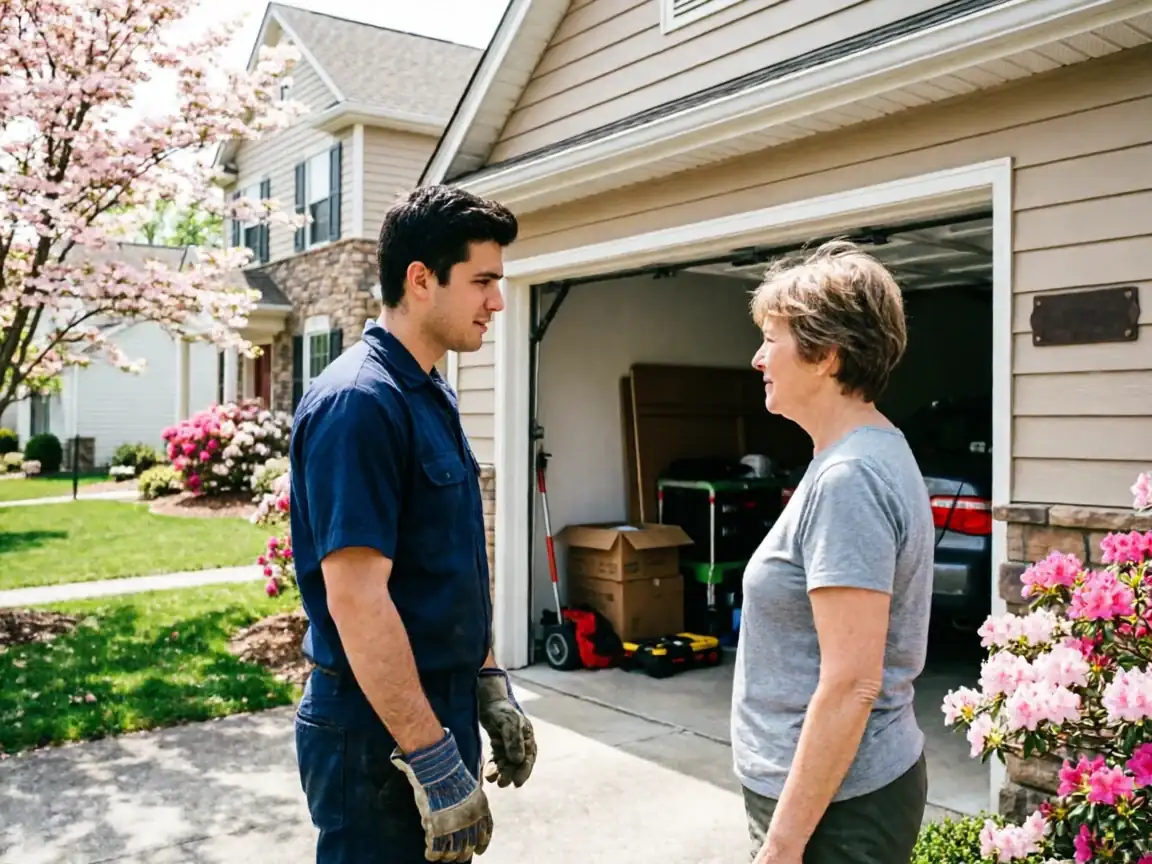
We book the visit out of Roanoke and come to you in Cave Spring
There's no local branch here, just a truck that makes the four-mile run. If you want the full rundown of what we handle on garage doors generally in the area, that's a separate page - this one's about rollers specifically.
The Complications
The complication we see most in this part of the service area is roller wear paired with a track that's slightly out of plumb - common on doors from the 1970s and 80s where the original installation didn't always anchor the track bracket into solid framing. Swap the rollers without checking the track alignment and you'll have a quieter door that still binds in the same spot.
Cold matters here too. This area sits in a moderate-cold climate band, and steel rollers with dried-out bearings get stiffer and noisier in the low temperatures of a winter morning than they do in July - another reason owners with original hardware tend to call this time of year.
One honest limit: if the rollers are worn because the opener has been fighting a broken spring or an off-balance door for months, replacing rollers alone won't fix the real problem. We'll tell you if that's what's going on rather than sell you a roller job that doesn't last.
What It Costs
We don't have a posted price for roller replacement to quote here - it depends on how many rollers need replacing, whether hinges or track sections come with it, and which roller stem length your door takes. What we can tell you is that with median household income in this area running higher than the region overall, most owners here opt for the sealed nylon roller upgrade rather than a like-for-like steel replacement, since the difference in noise and lifespan is worth it to them. We'll give you the number before we start, not after.