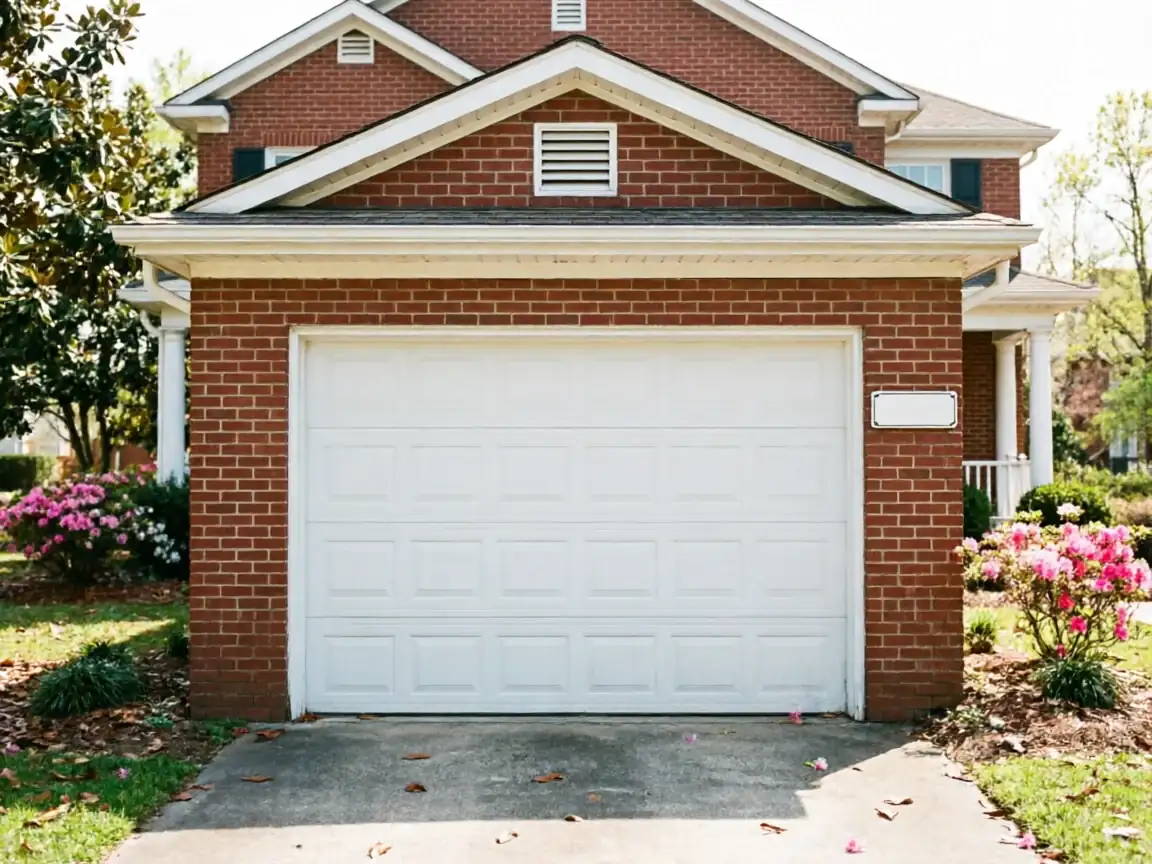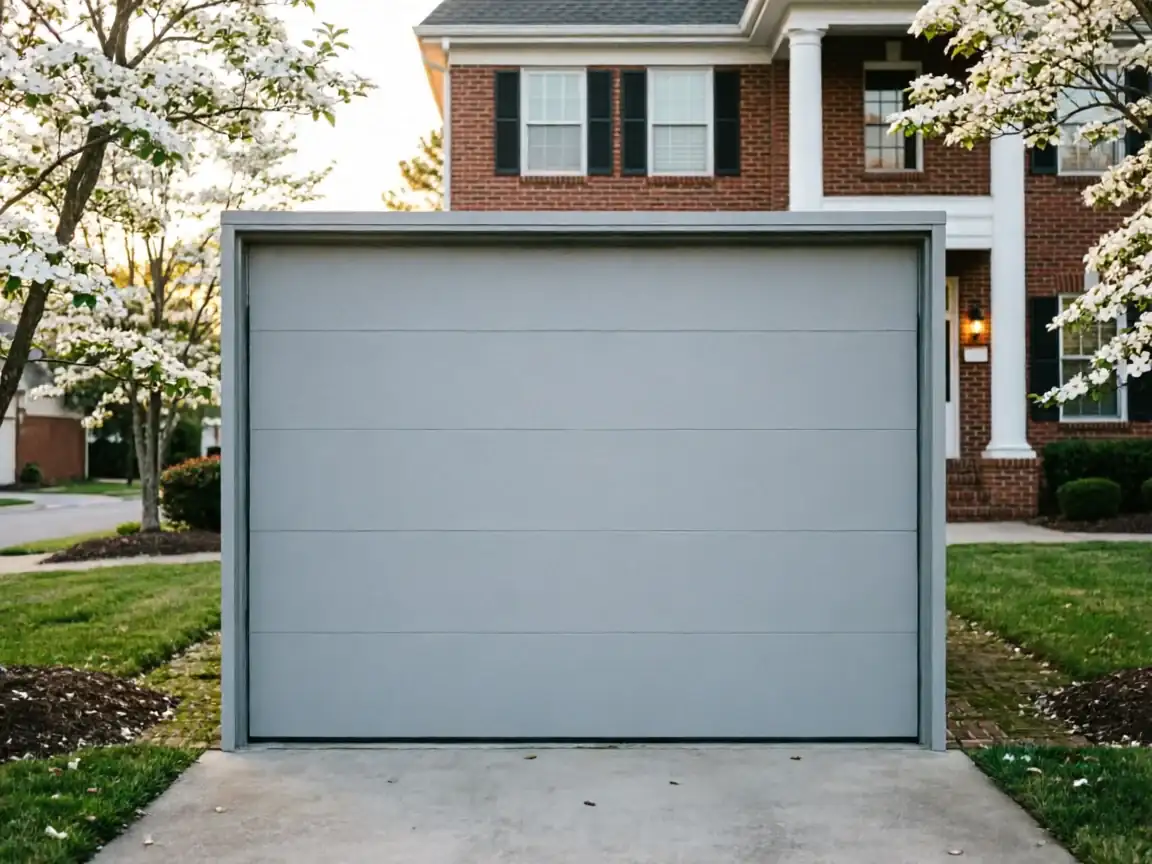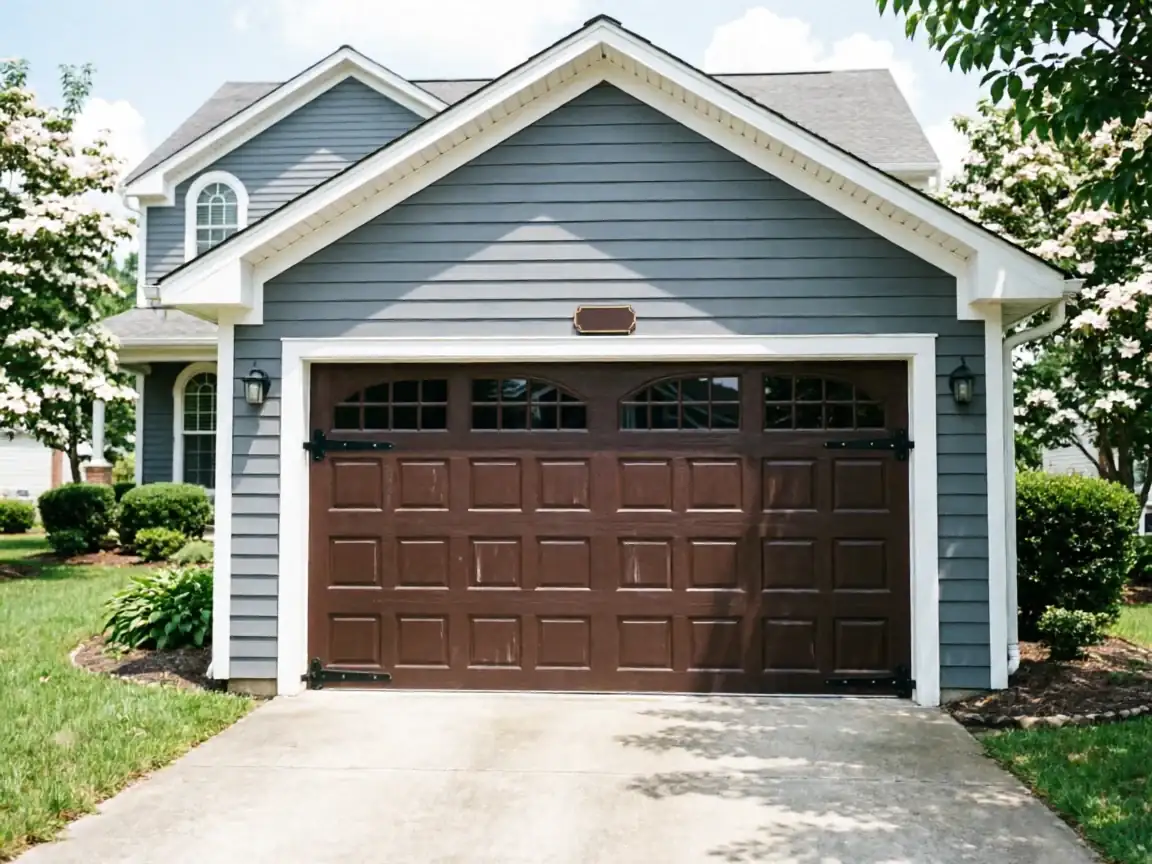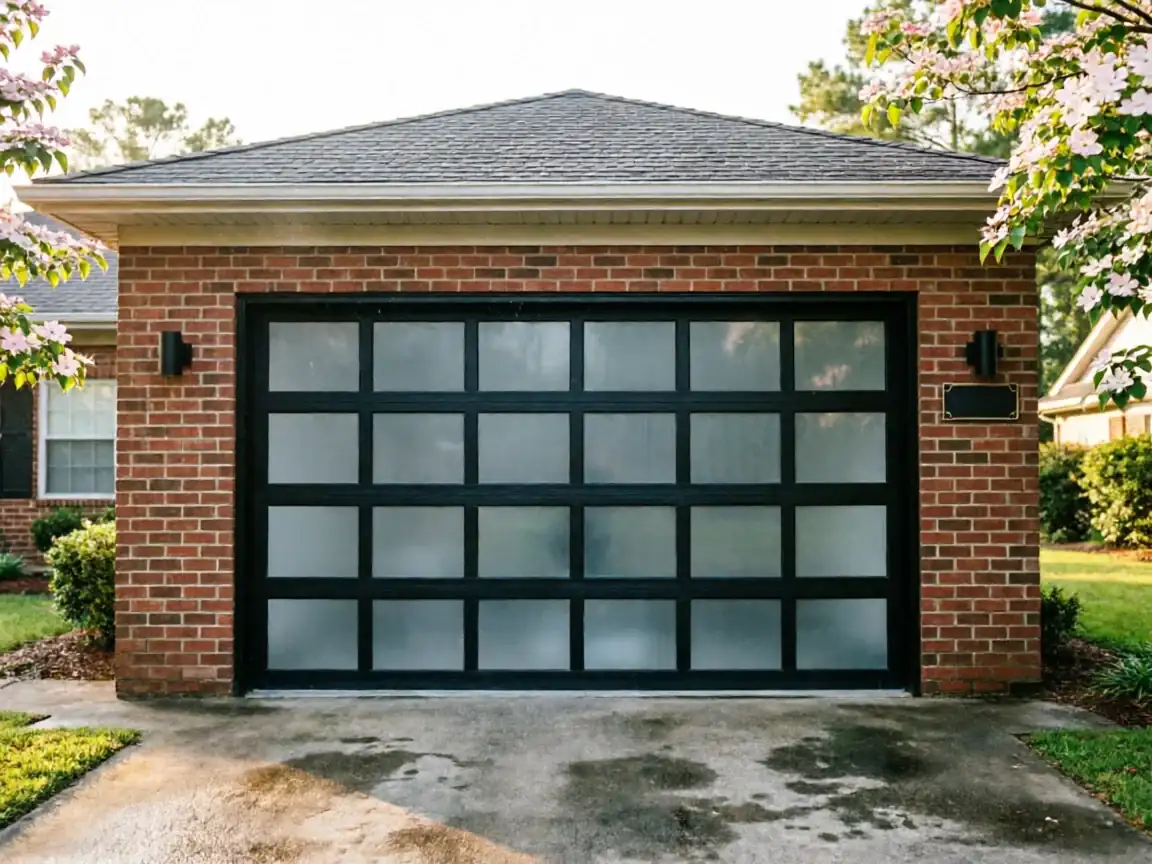
What You Are Seeing
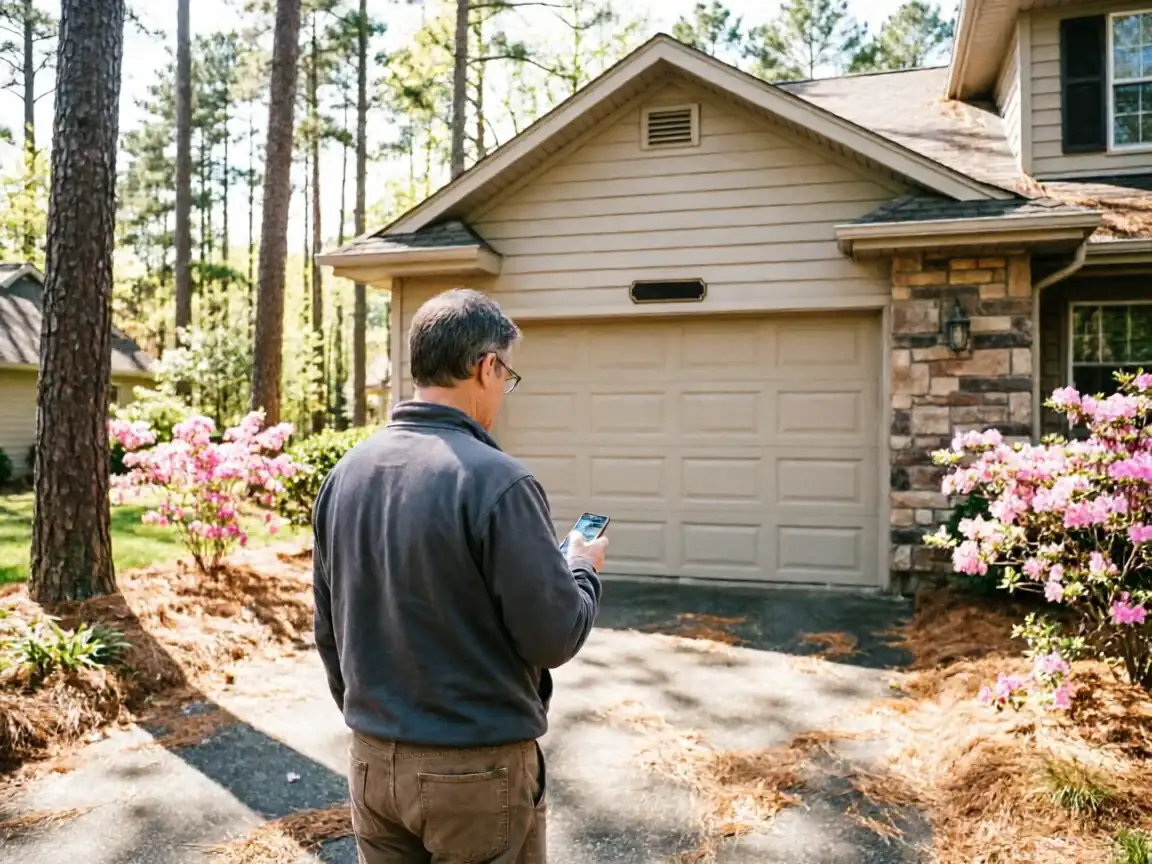
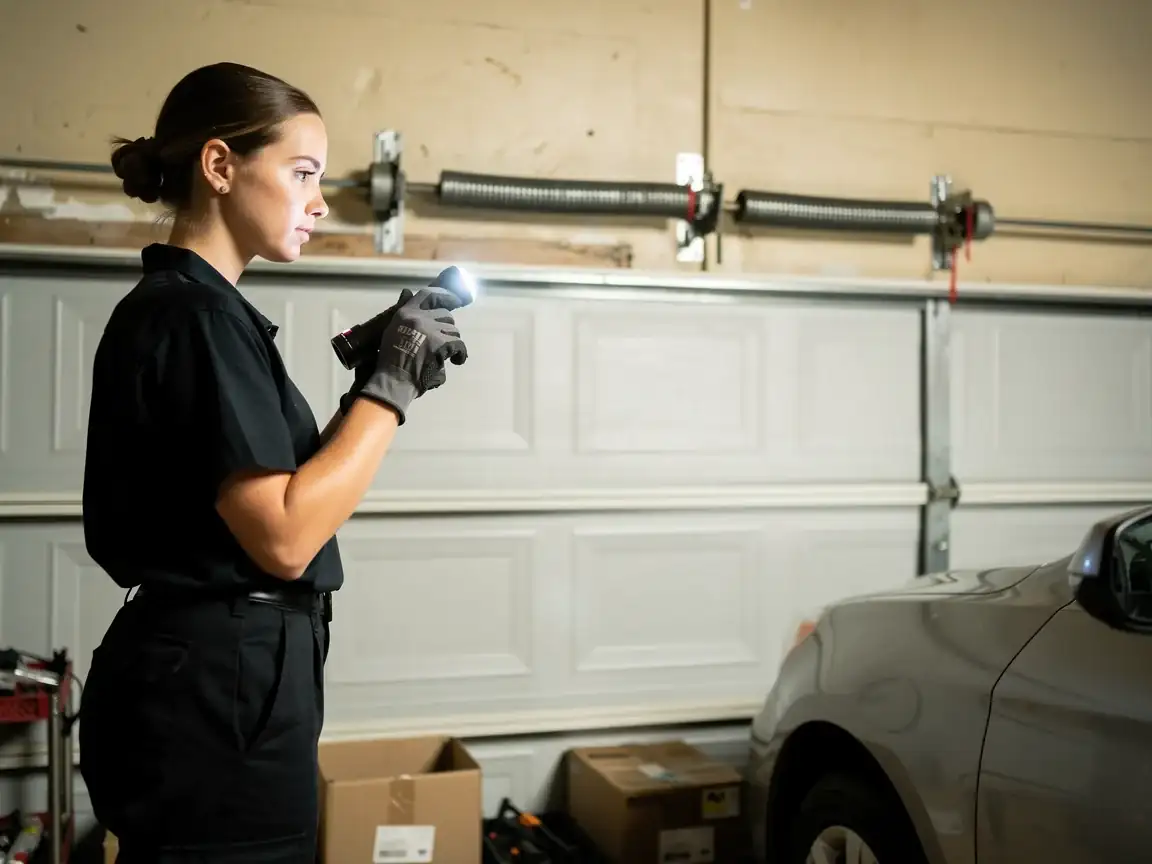
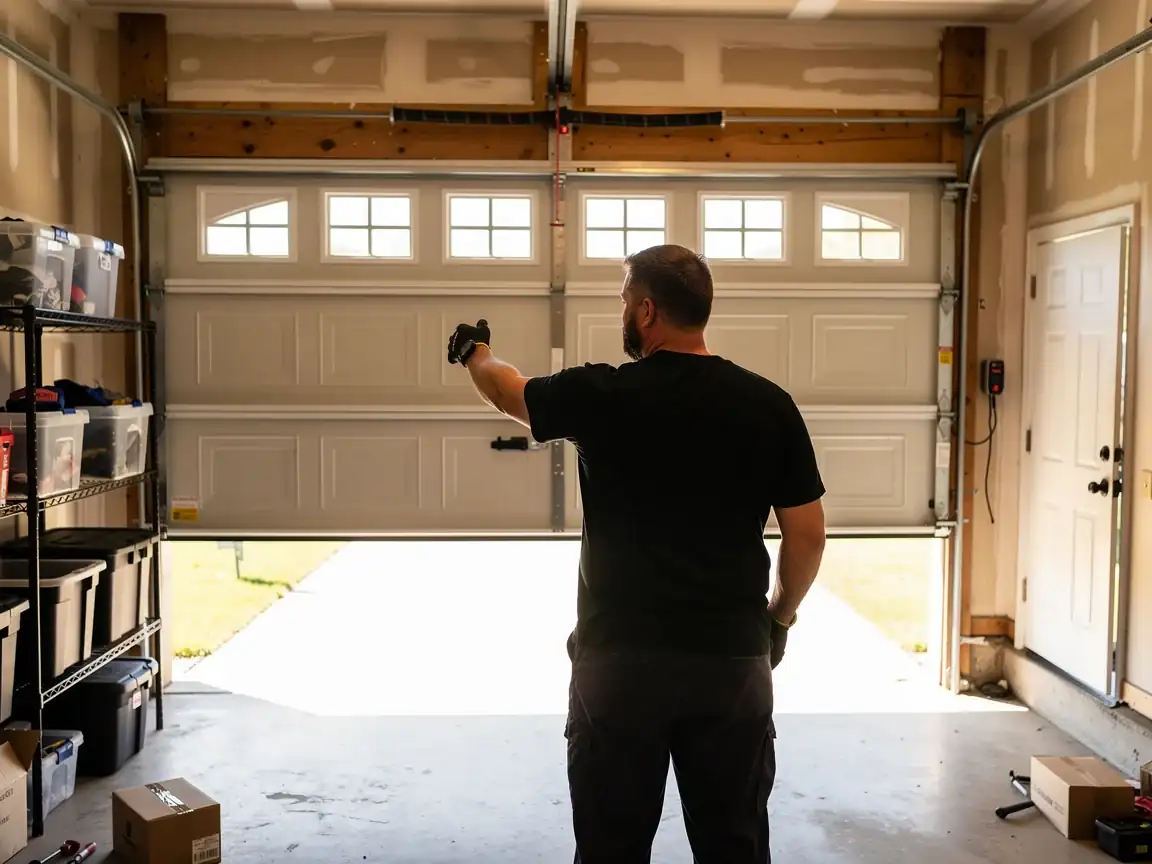
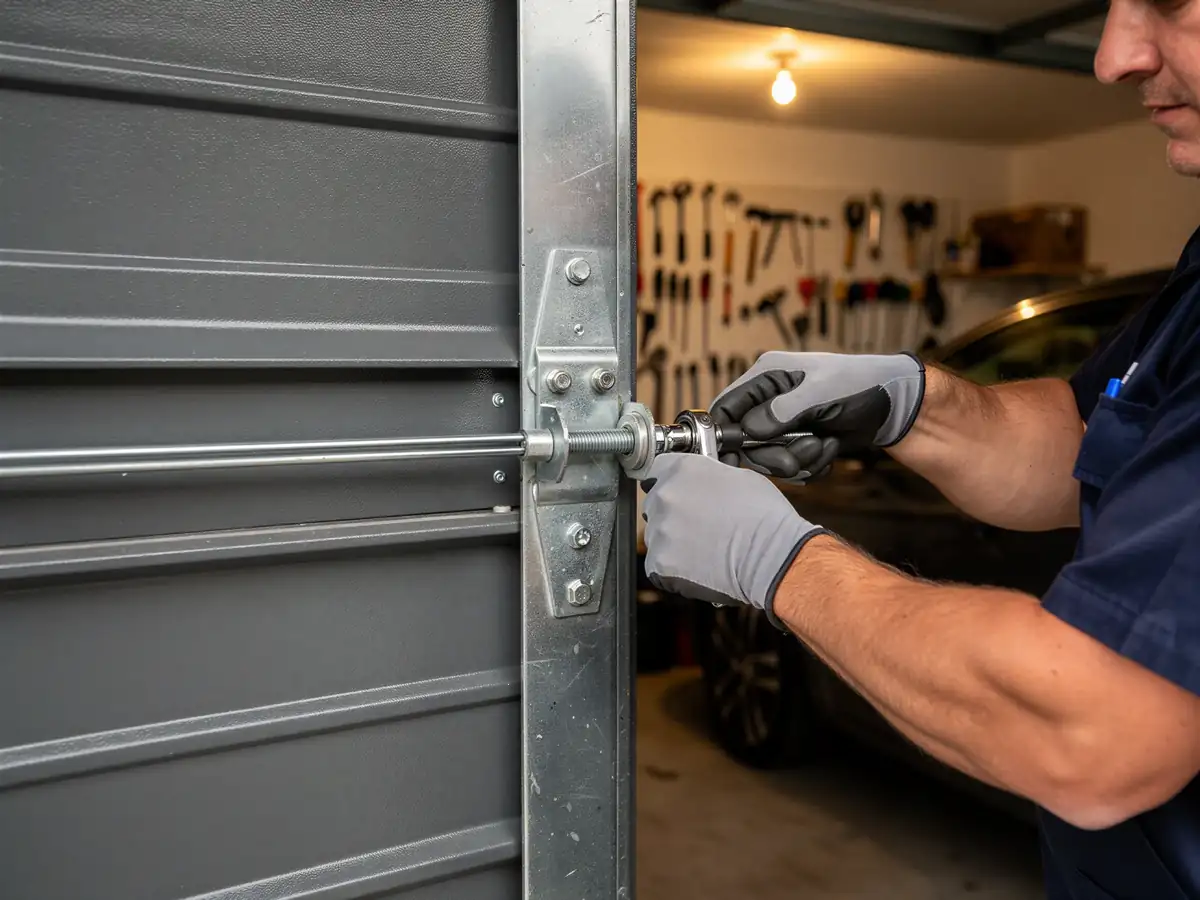
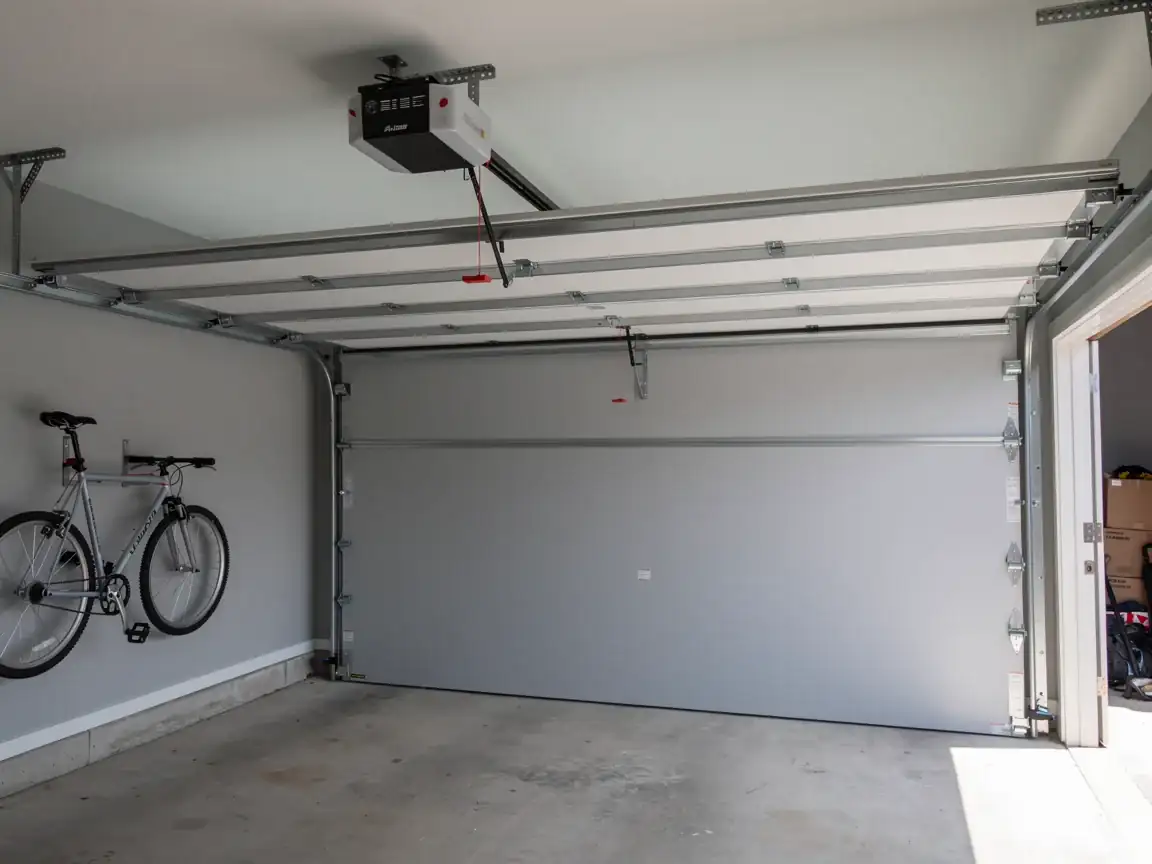
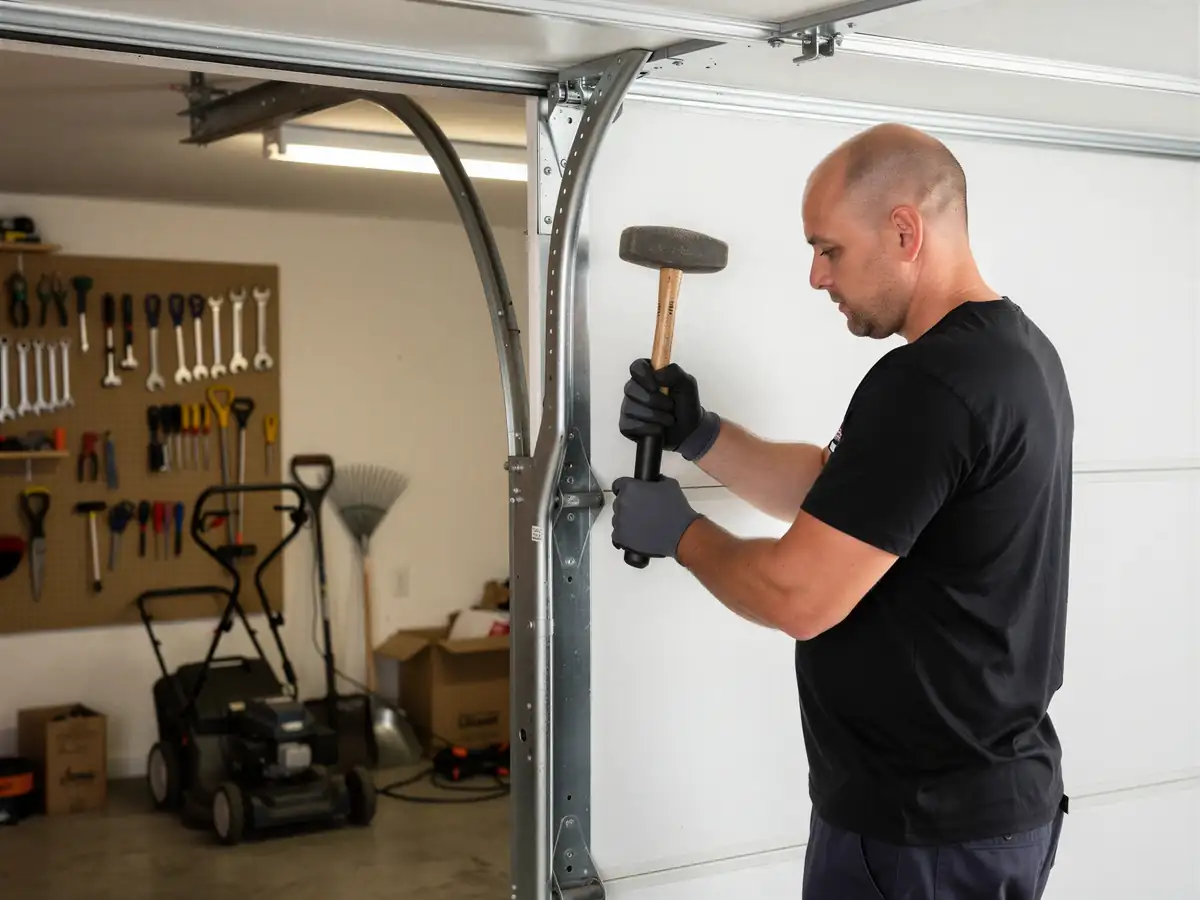
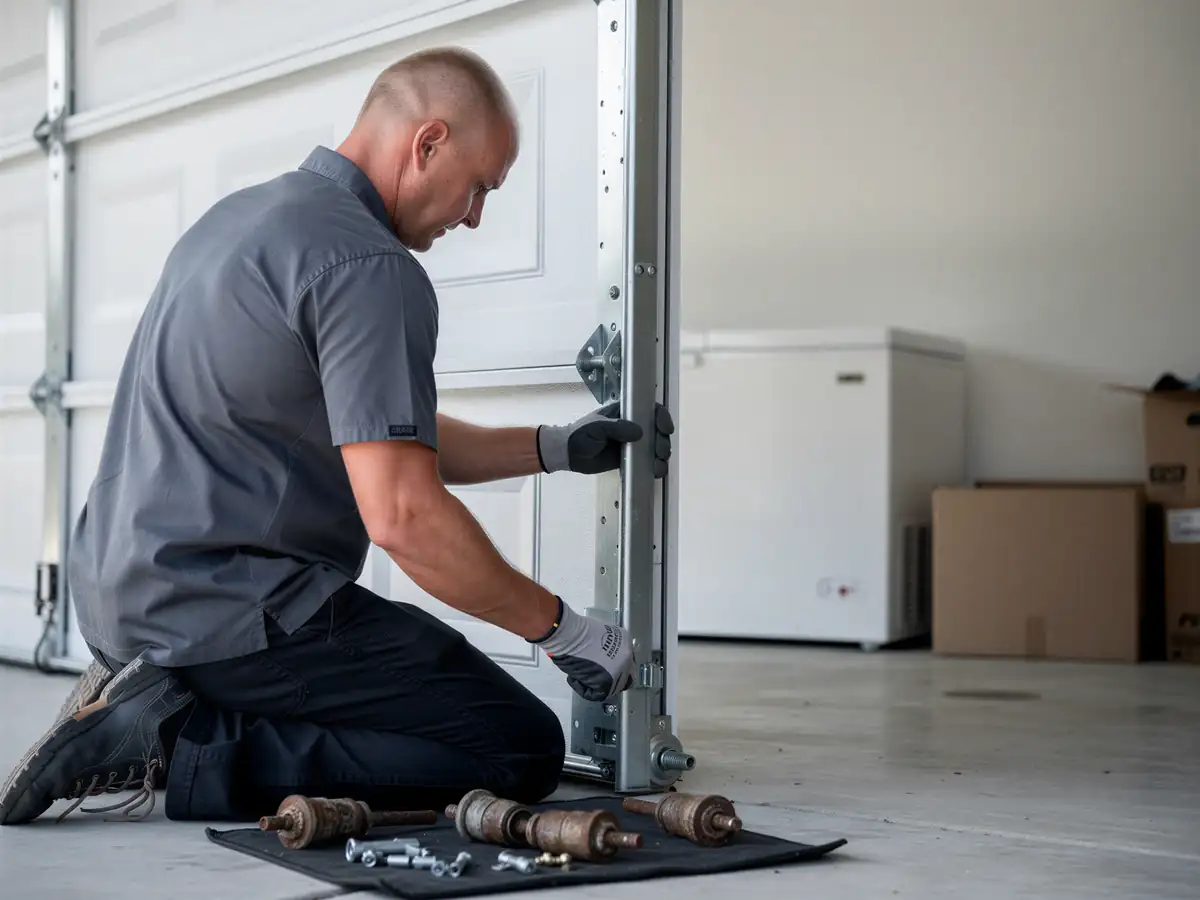
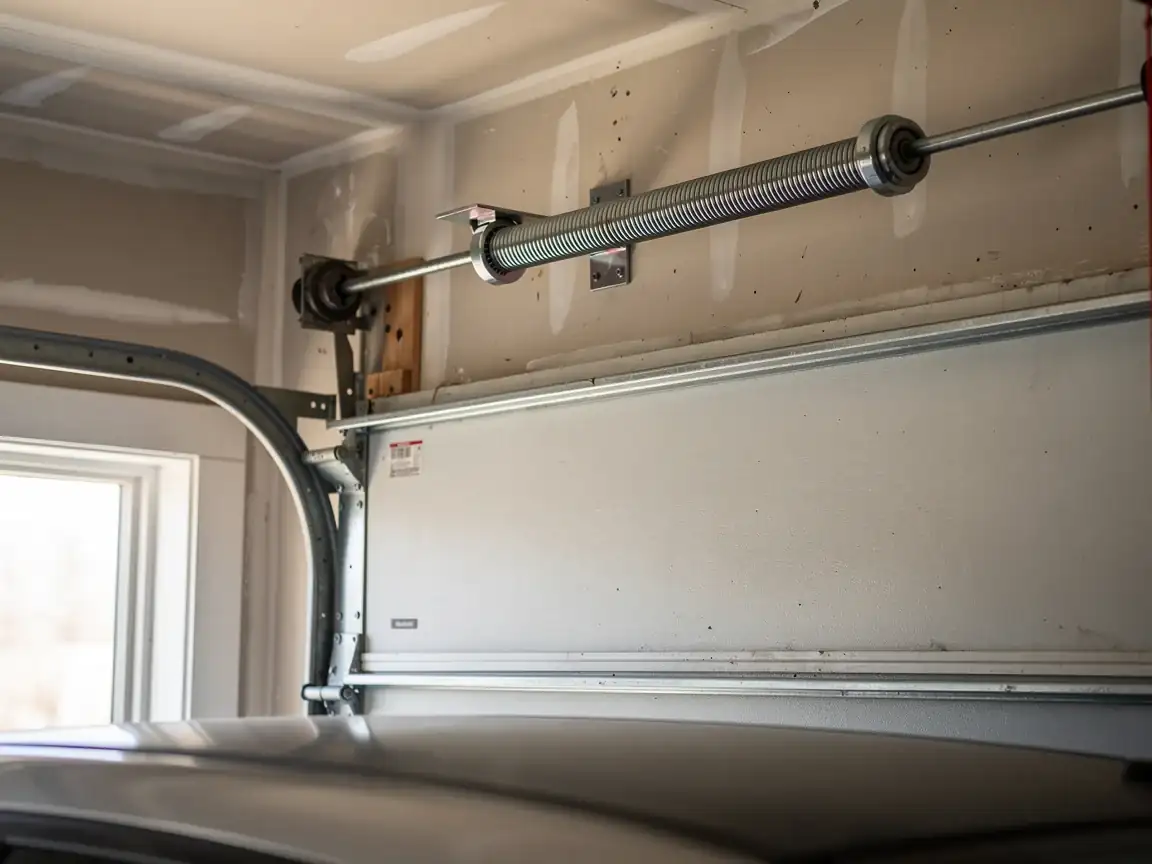
Most calls start the same way: the door hesitates halfway up, the opener strains and reverses, or you hear a grinding noise from the track as the door travels. On its own none of that stops you from getting the car out, which is exactly why people wait on it. In a service area where housing runs from 1953 up through 2002, with the bulk of that stock dating to the 1960s and '70s across the sixteen communities we cover, a lot of these doors are still running original springs, rollers, and hinges that were never swapped out. Steel rollers wear oval instead of round. Hinges stretch their mounting holes. Torsion springs lose coil tension years before anyone notices, because the opener just compensates by pulling harder - until it can't. What you're seeing isn't usually one failure. It's small wear stacking up on hardware that's 30, 40, even 50 years old, on a door nobody's opened up to look at since it was installed.
What It Costs
We're not going to put a number here that doesn't hold up once a tech is standing in your driveway - too much depends on whether it's a tune-up on working hardware or a spring and roller swap on a door that's been ignored a decade. What we can tell you is how to think about it. A maintenance visit on a door that's still moving under its own power costs less than any repair call where something has already failed, because failed torsion springs and burnt opener motors almost always mean an after-hours or same-day call, and that urgency shows up in the bill. Regular maintenance is the cheaper half of this trade, not because the labor is less - it's close - but because you're paying to replace wear items before they take something else with them, like a cable snapping and bending the track on the way down. If a part isn't failed yet, fixing it is a planned job. If it is failed, it's an emergency job. Same parts, different price, every time.
The Complications
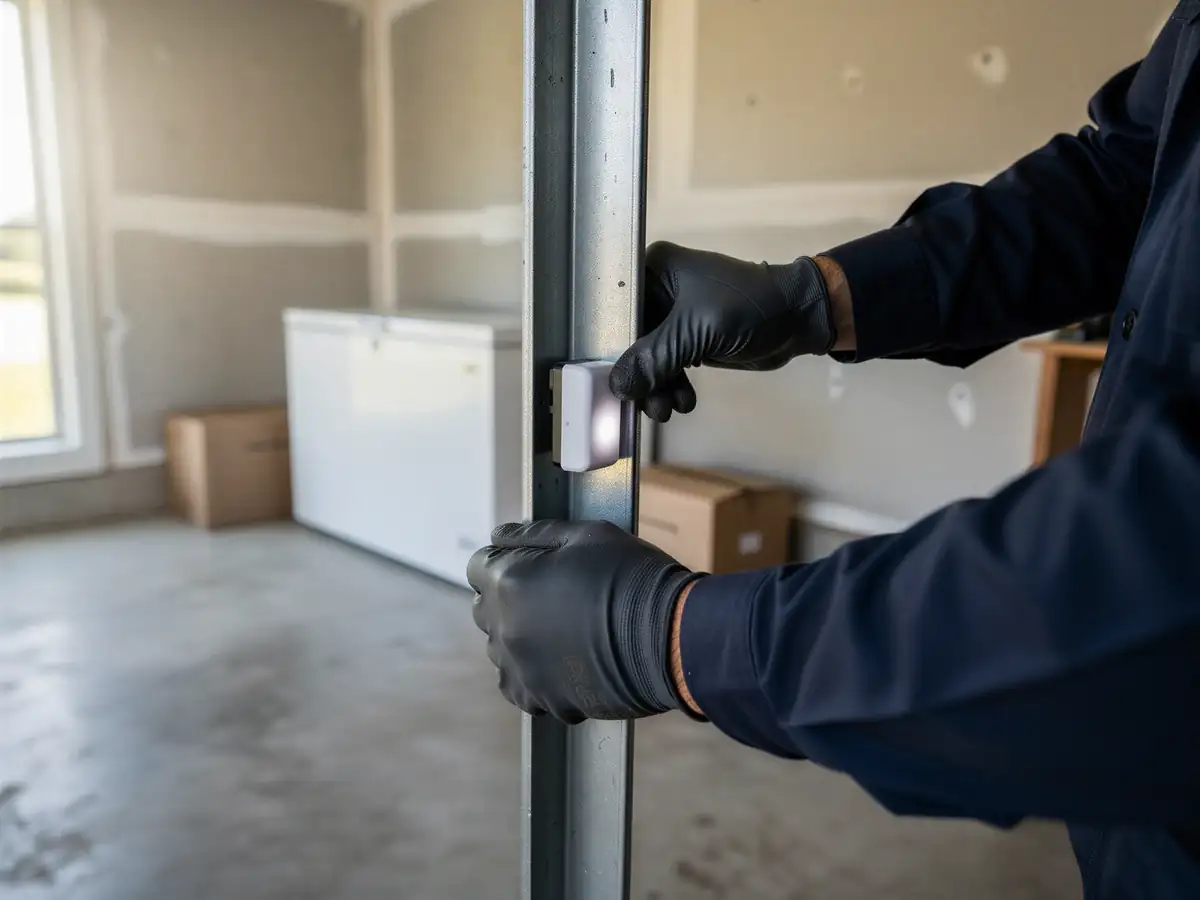
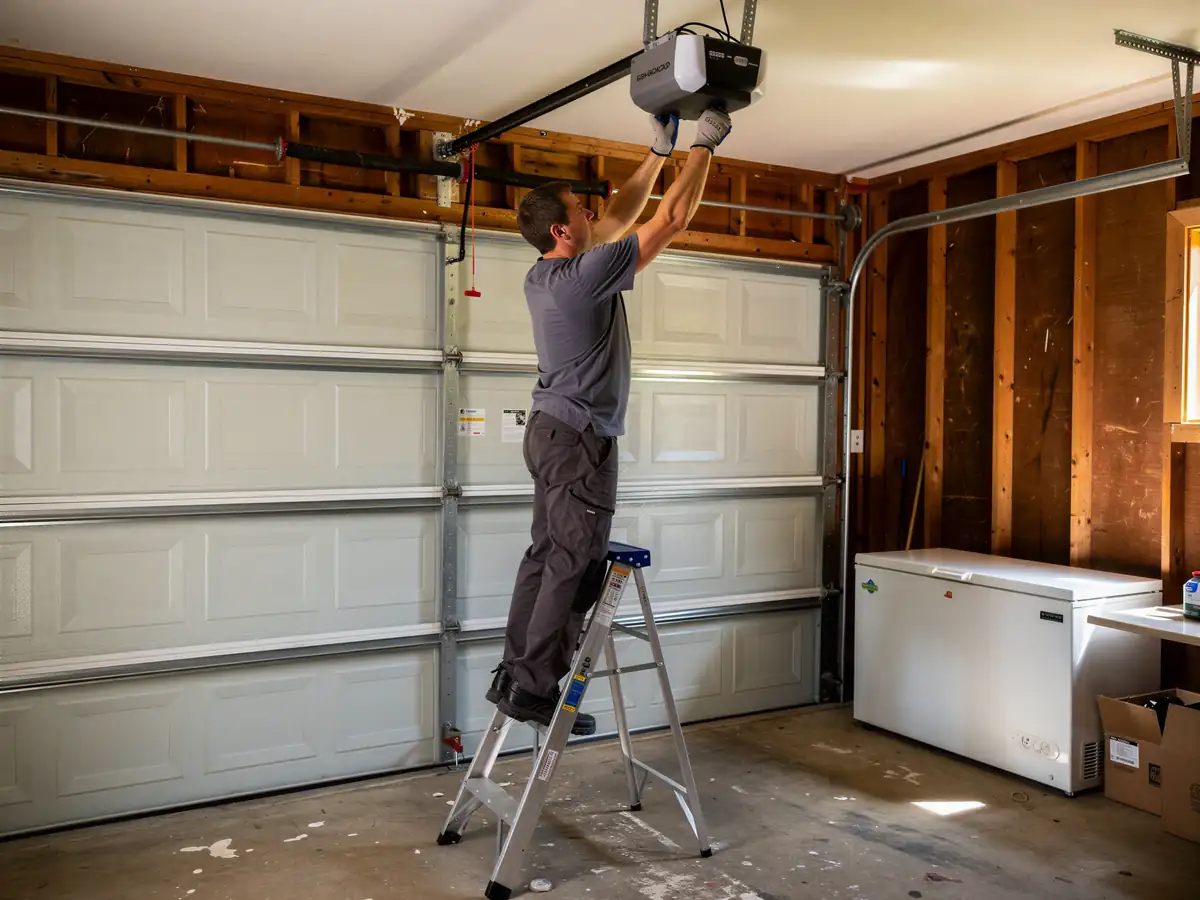
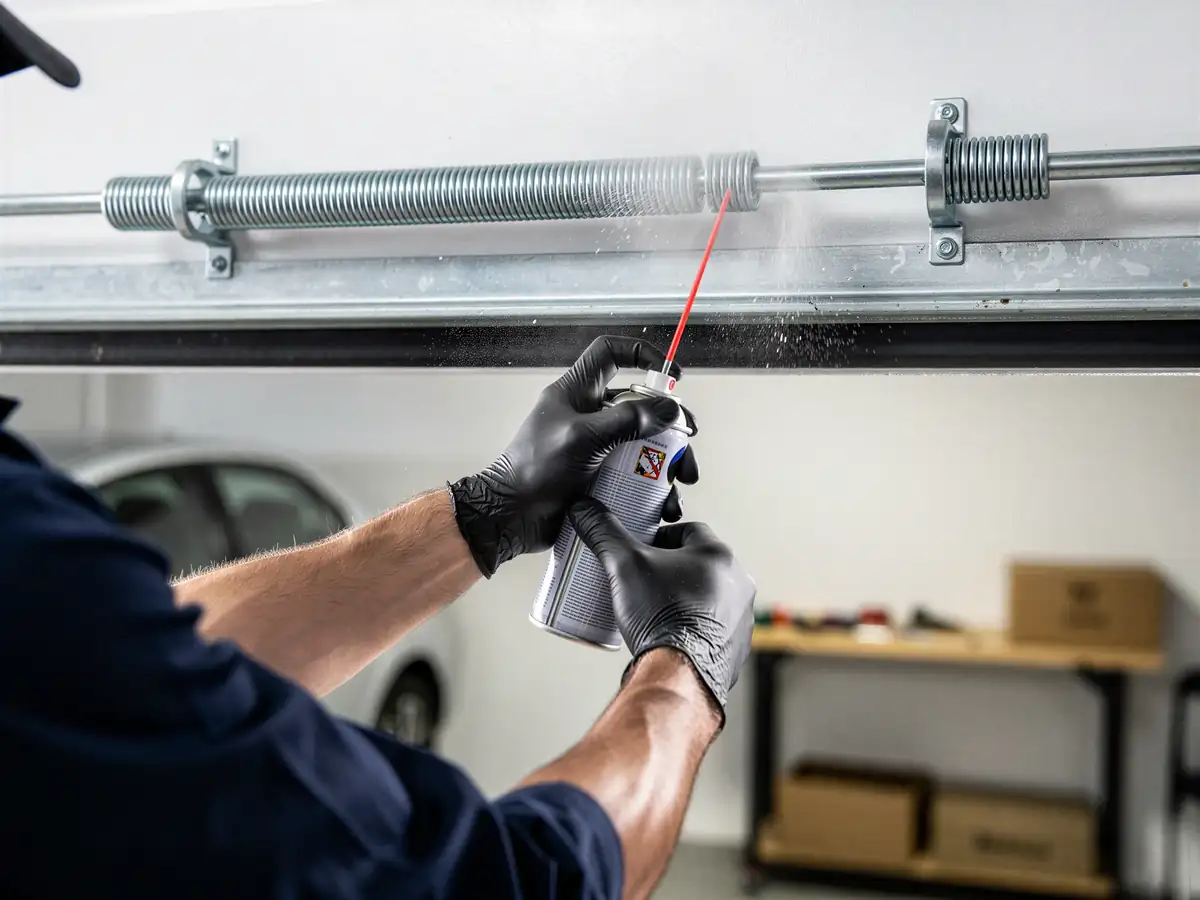
The thing that turns a simple tune-up into a bigger job is almost always the opener, not the door. Openers from the same era as the door's original hardware often don't have the modern safety reversal sensors that current code requires on a replacement unit, so if the opener needs work, you're sometimes looking at a swap rather than a patch - and that's a different conversation than 'tighten the springs and lube the track.' We also won't push a repair on a door where the panels themselves are warped or rusted through; at that point you're paying labor twice, once now and once again in a year or two, and replacement is the honest answer even though it's the bigger number upfront. One limitation worth saying plainly: on some of the oldest doors we see - the ones from the earliest end of that 1953 build range - exact-match torsion springs or track hardware aren't something we keep on the truck, and getting the right part can mean a short wait. We'd rather tell you that before we start than surprise you with it halfway through.