How We Get to You
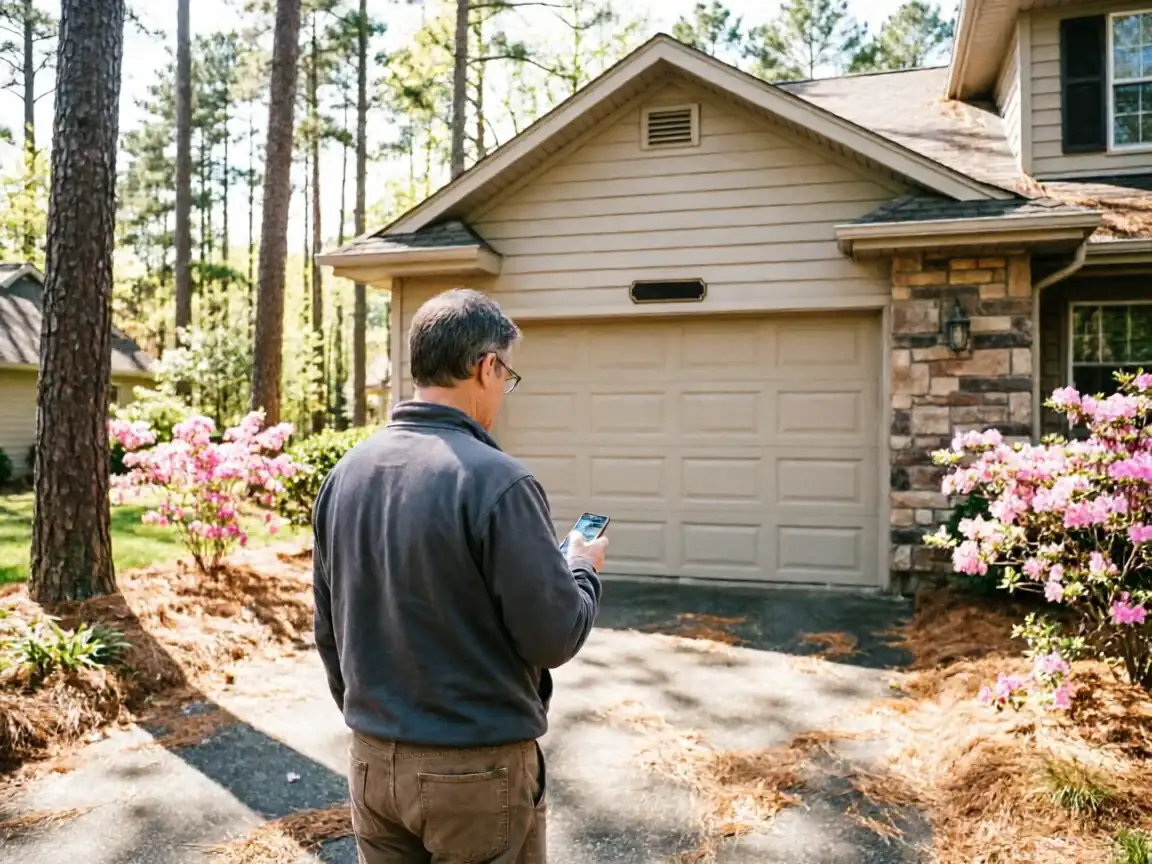
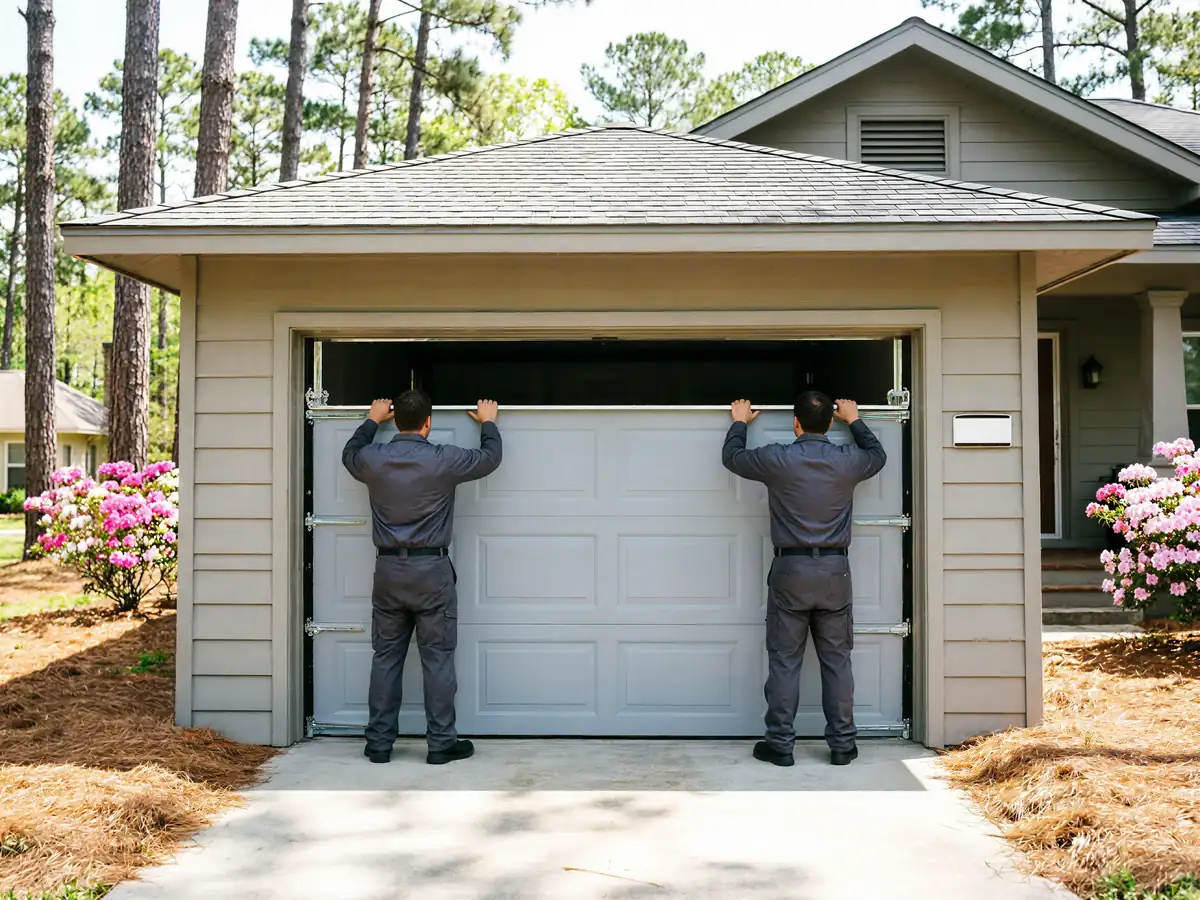
Blue Ridge sits about 10 miles out from our shop in Roanoke, which puts it inside the stretch of county road we run several times a week between the closer-in areas and the farther townships. We don't keep a crew or a drop point in Blue Ridge itself - every job here starts with a truck loaded up at the Roanoke shop and driven out. That means we plan the route around what's already on the schedule that day rather than promising a fixed arrival window before we've seen it. If you're comparing us to an outfit that claims to be based in Blue Ridge, ask them where their trucks actually start the morning. Ours start in Roanoke, and we're upfront about the drive.
What Neighbours Usually Call About
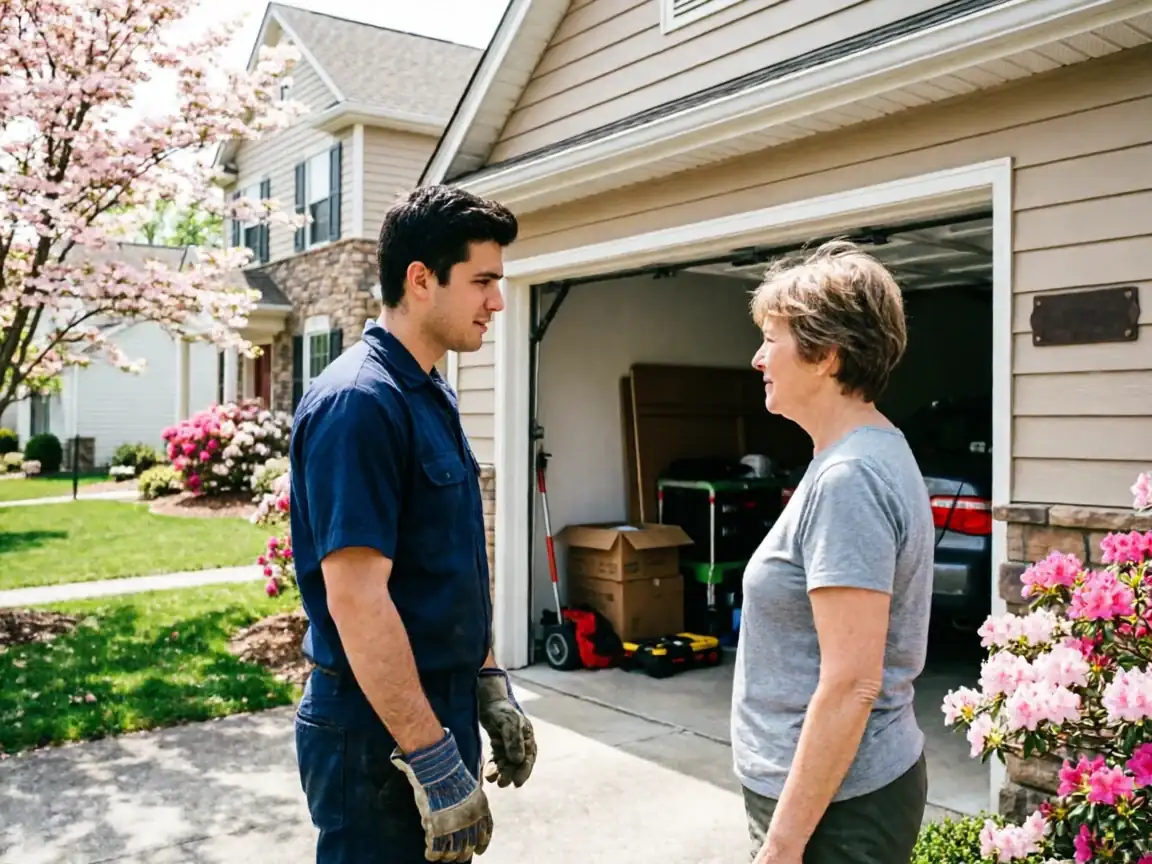
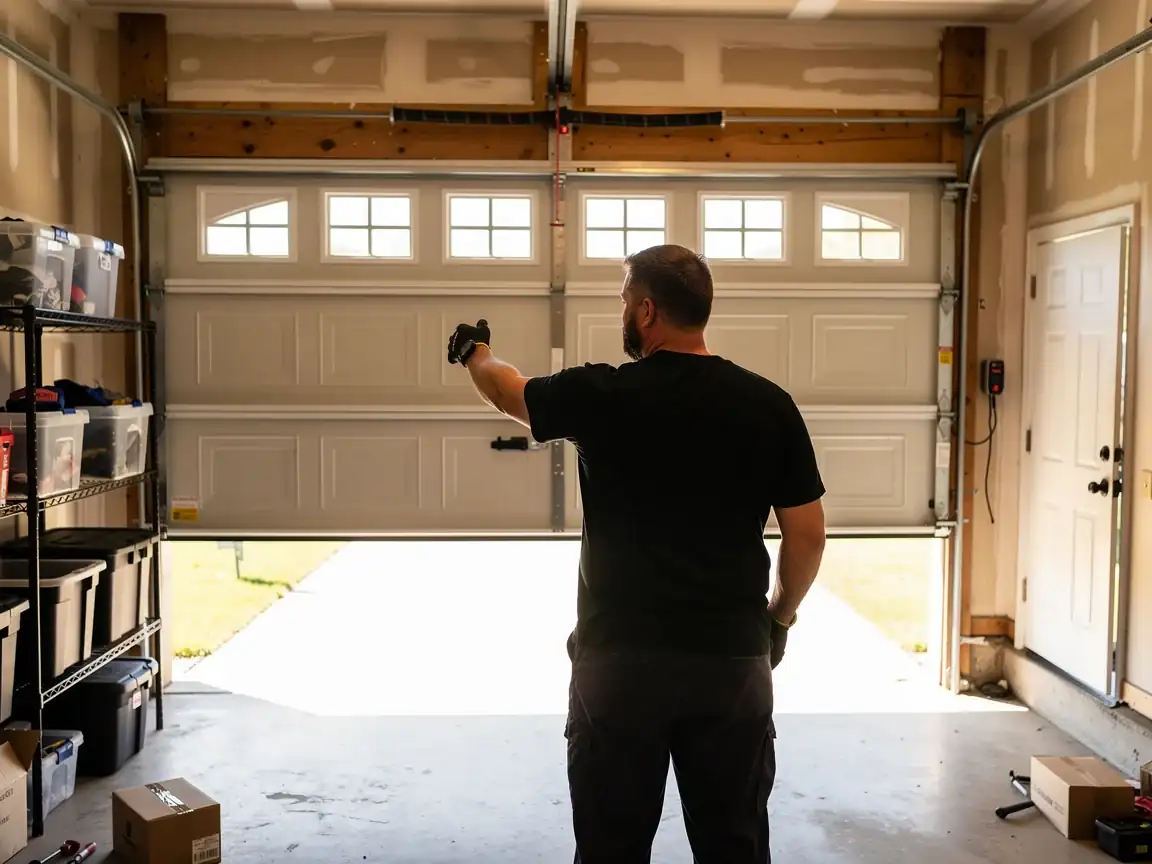
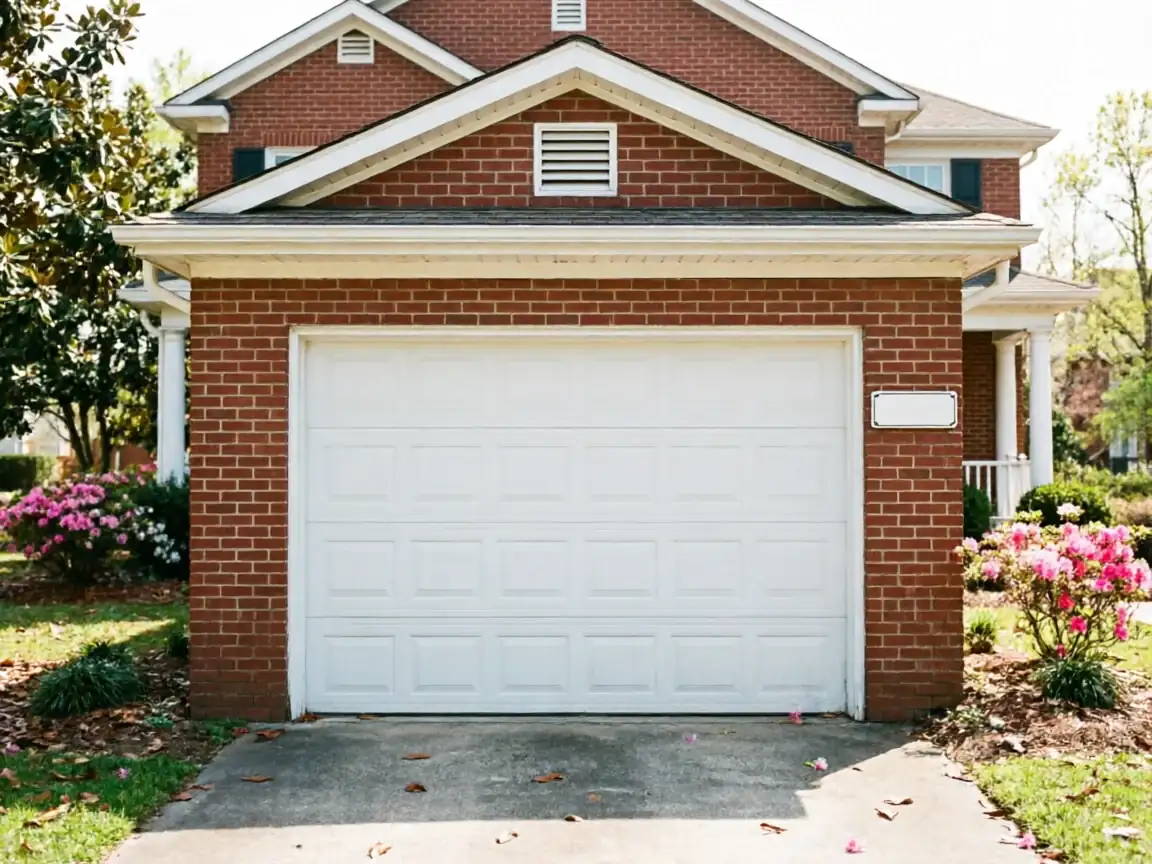
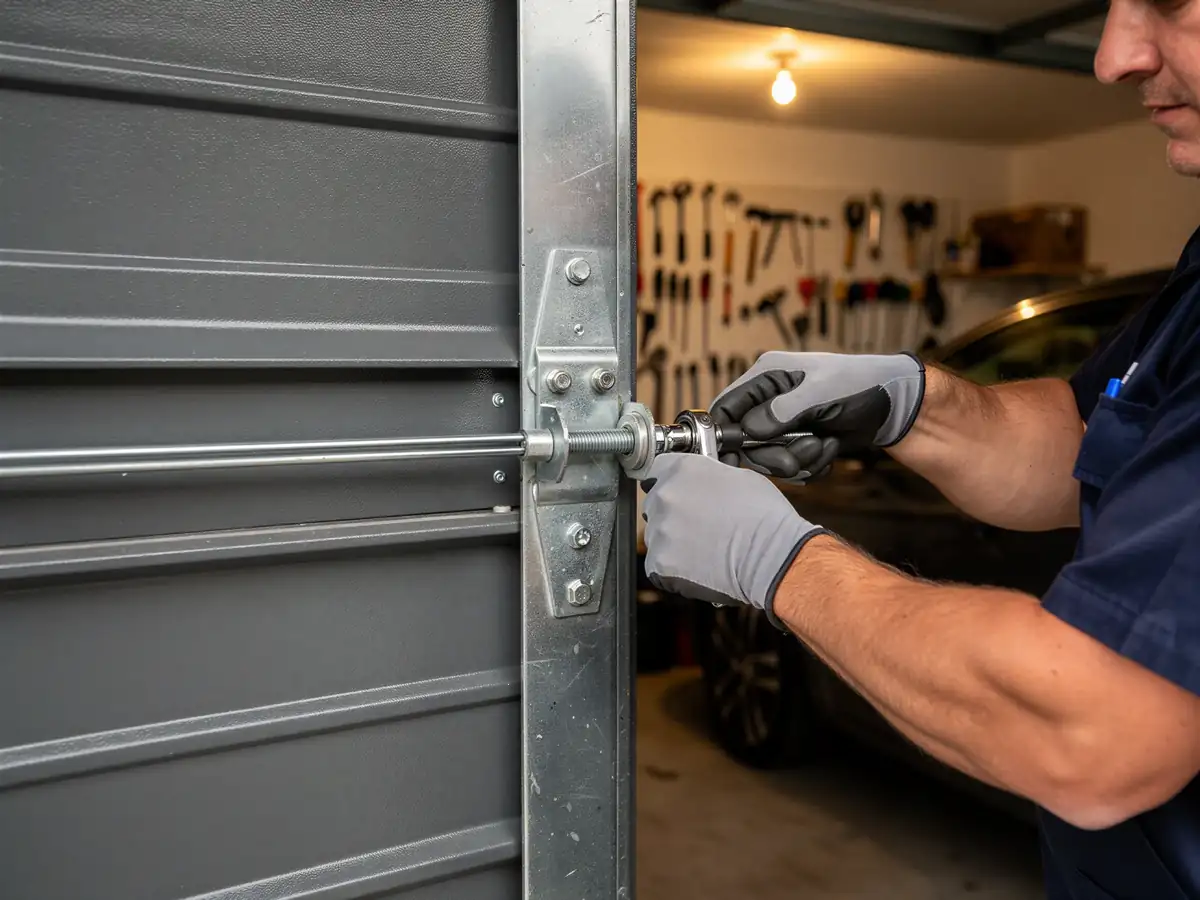
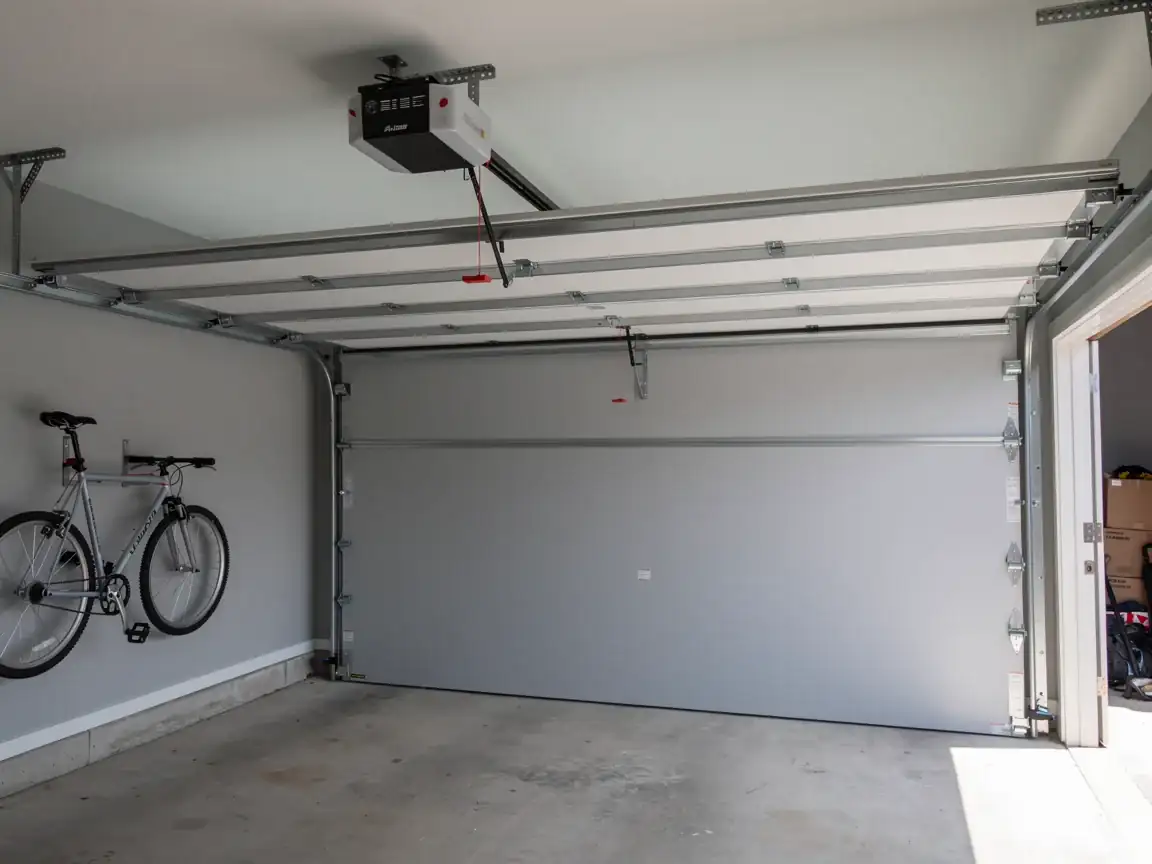
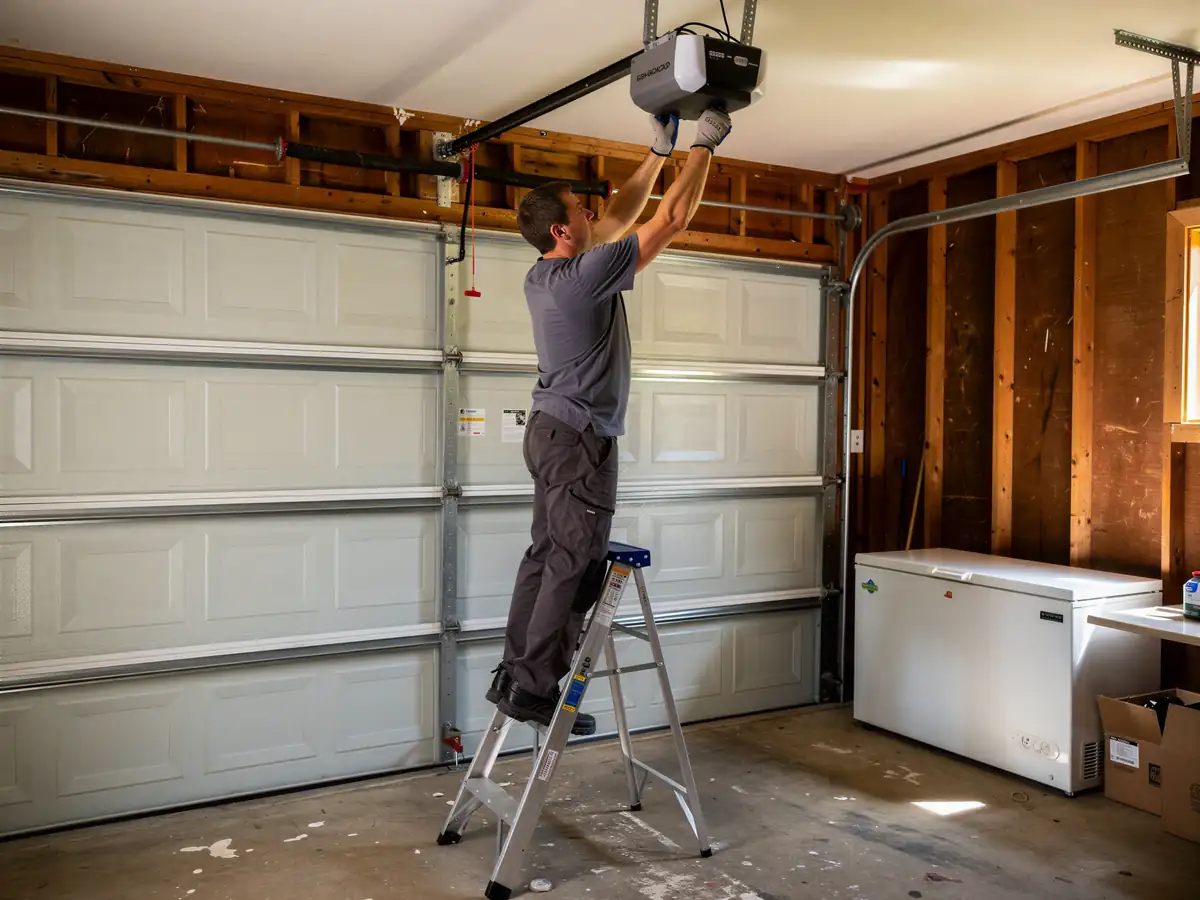
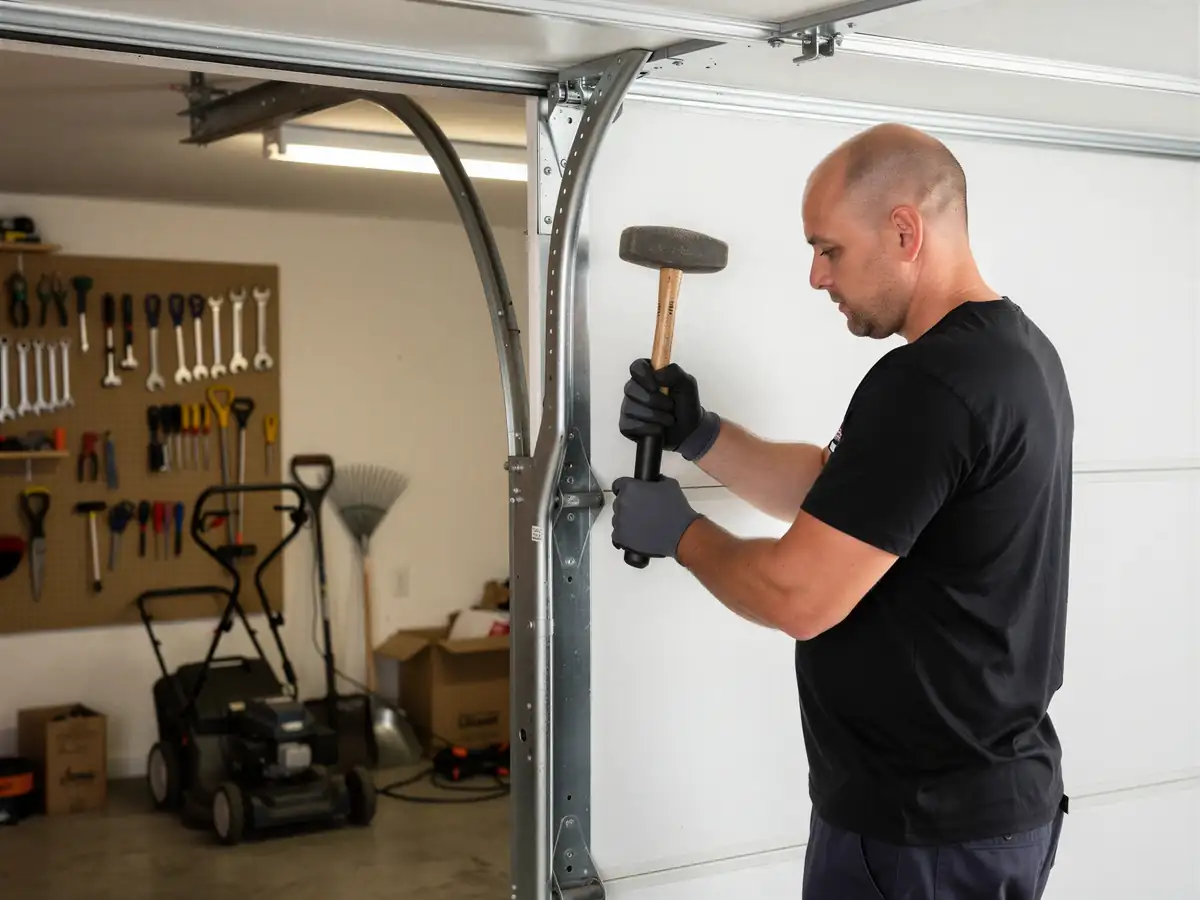
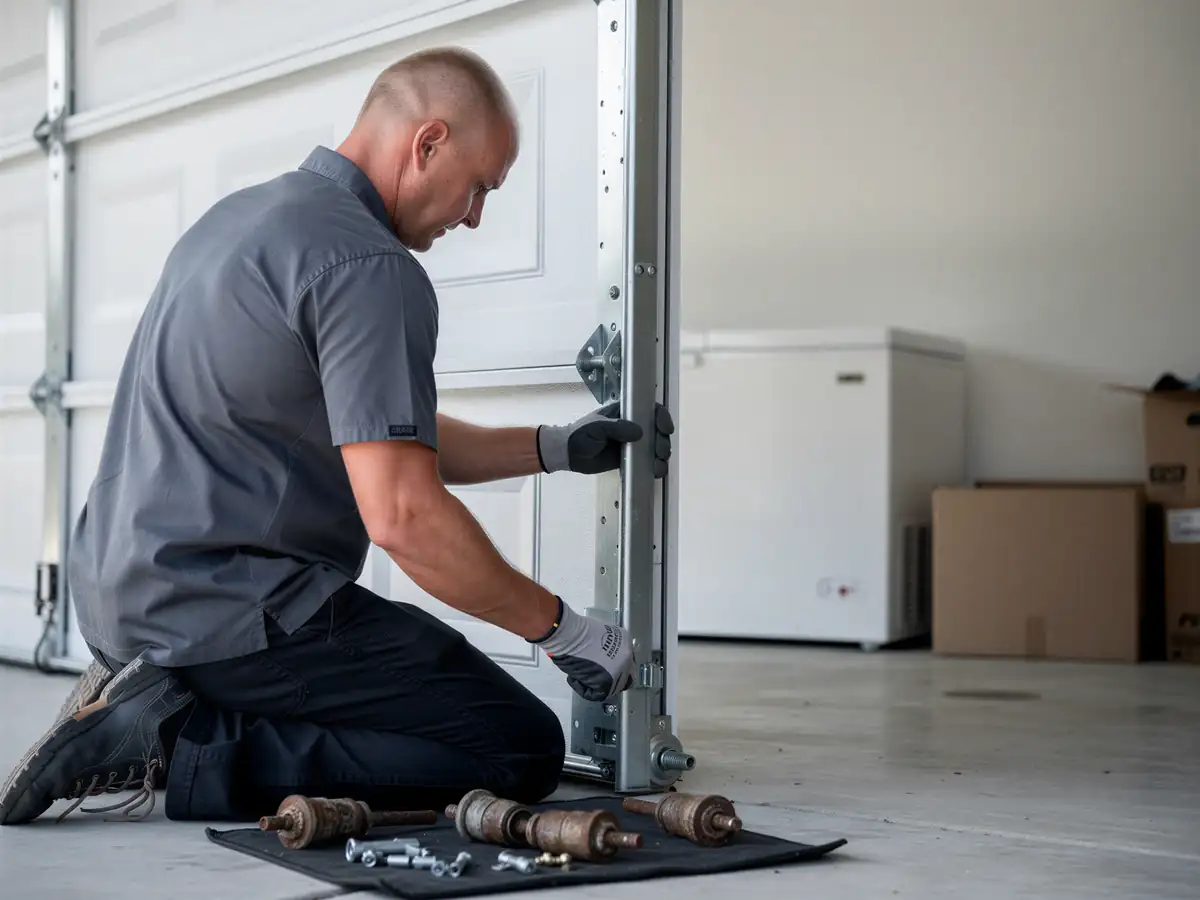
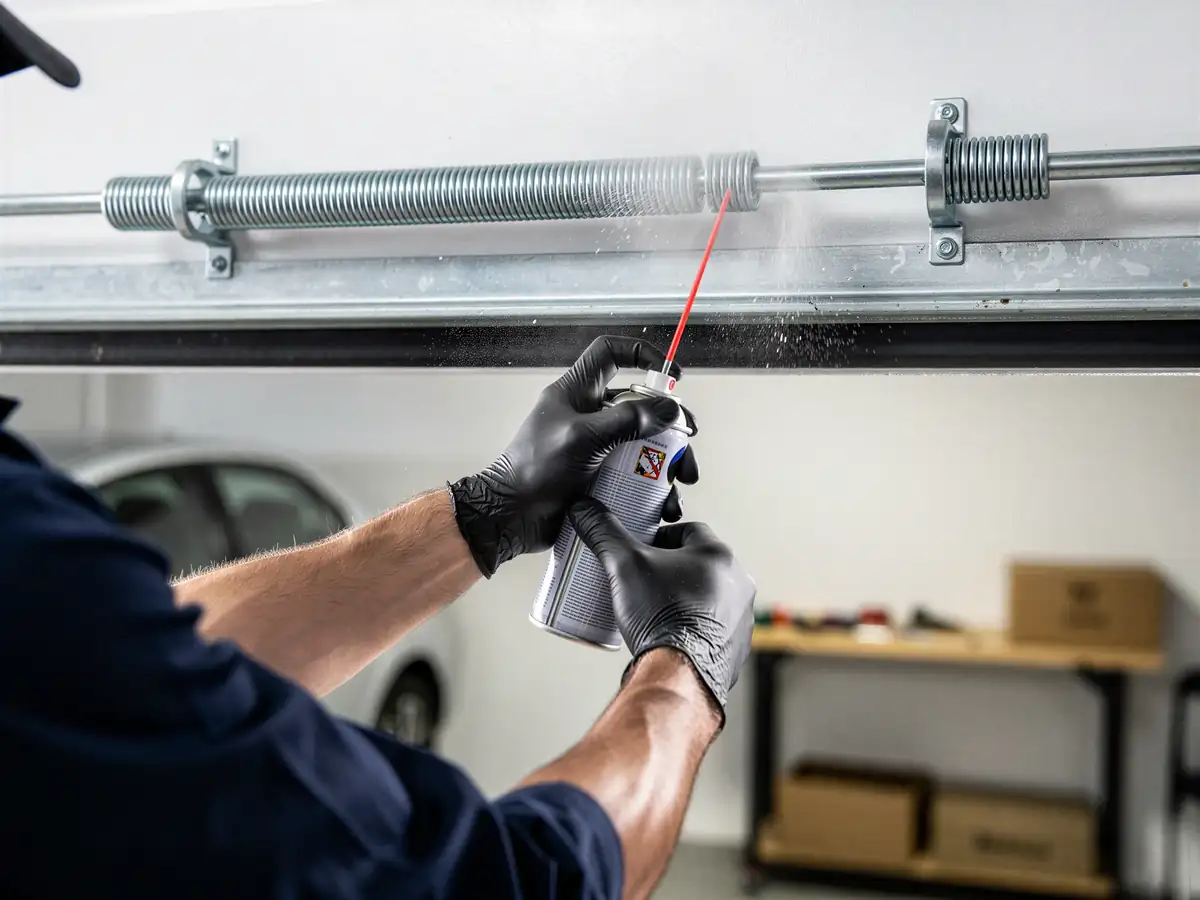
With roughly 1,179 households in Blue Ridge and a median income near $83,113, this isn't a neighborhood where people let a bad door sit for years out of necessity - most calls here are about fixing it right the first time rather than patching it cheap. The complaints we hear track pretty closely with a house built around 1977: a torsion spring that's gone quiet and heavy instead of snapping outright, an opener that's on its second or third logic board, or a track that's slowly worked itself out of plumb after four decades of seasonal ground movement. Cold-climate freeze-thaw cycles are part of that story too - a door that binds in January and runs free by June is usually telling you the track alignment has shifted with the frost, not that the opener is failing.
What the Housing Means for Your Door
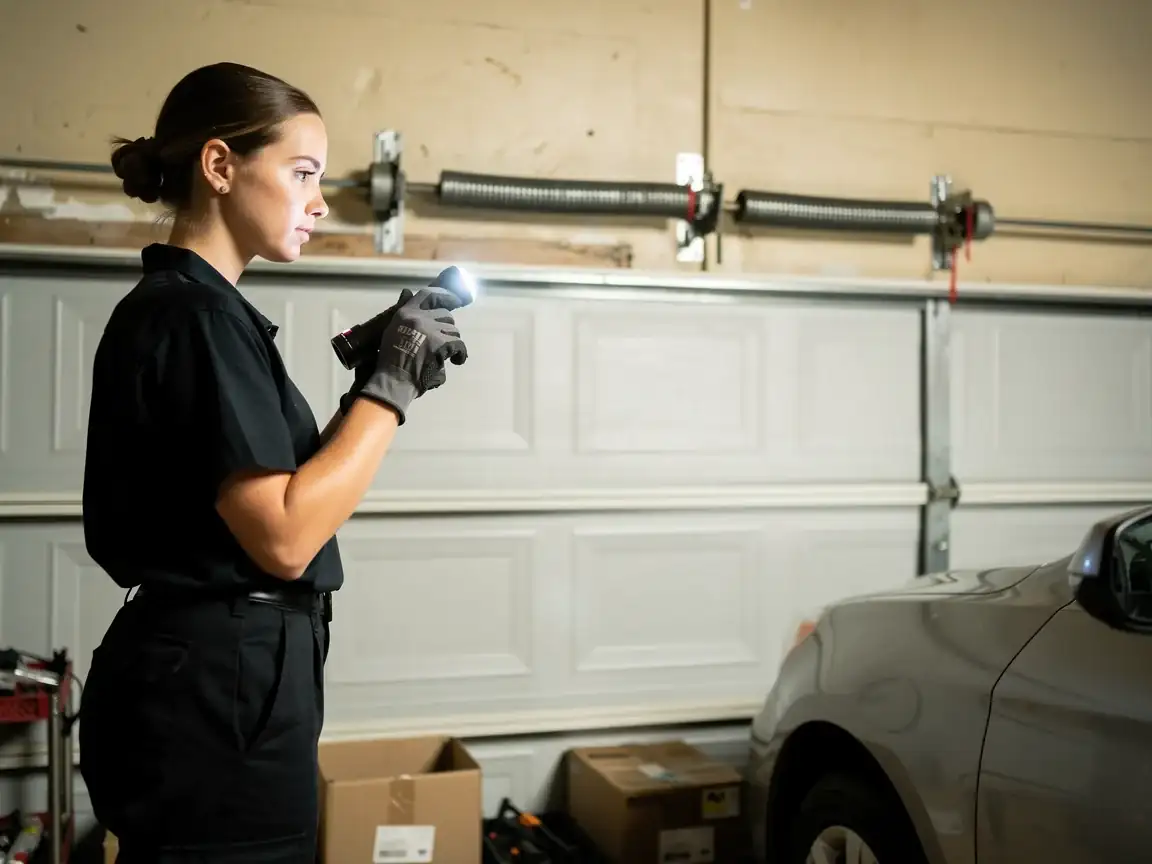
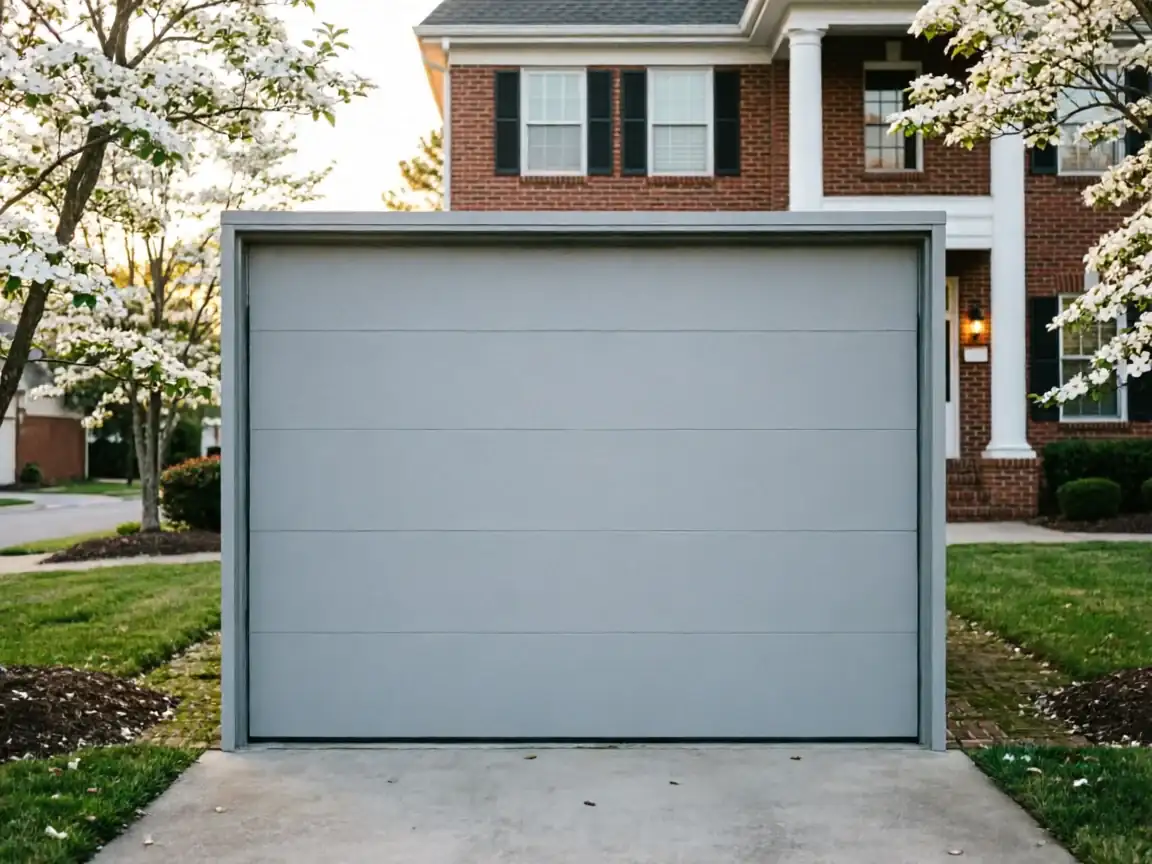
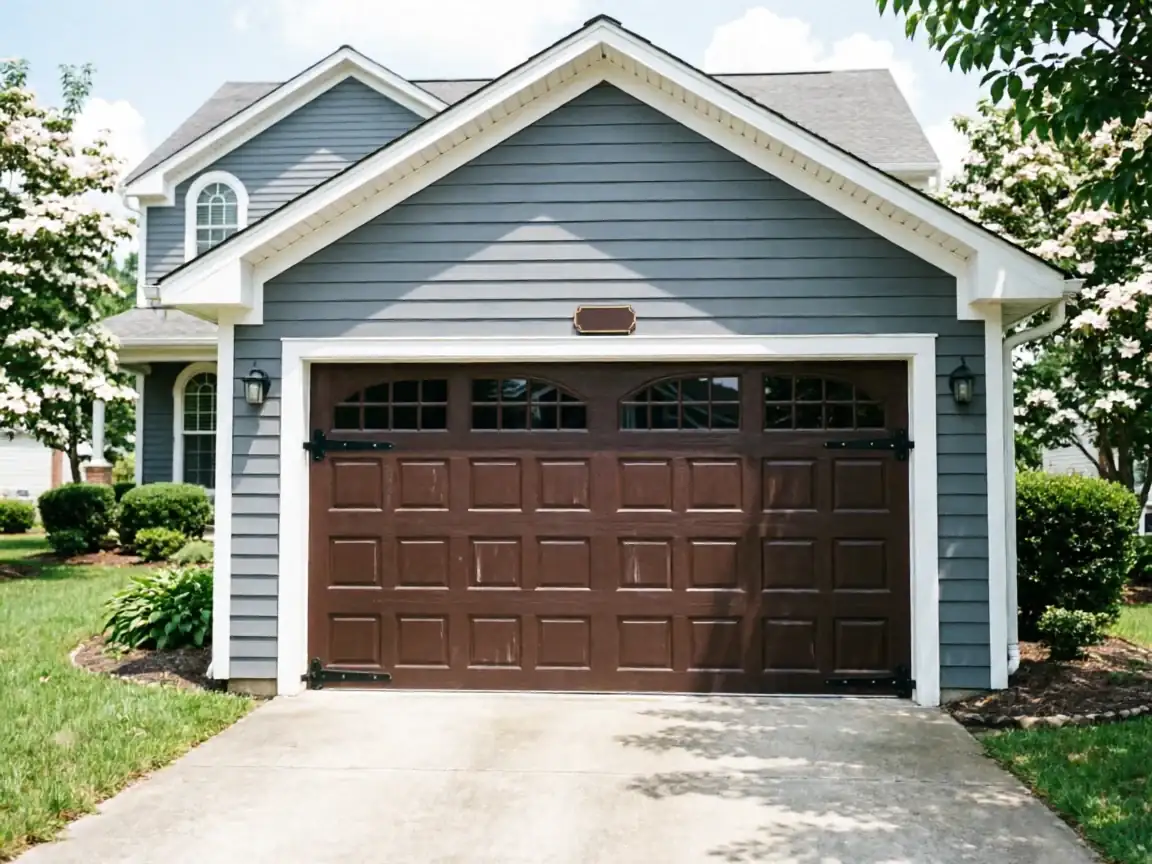
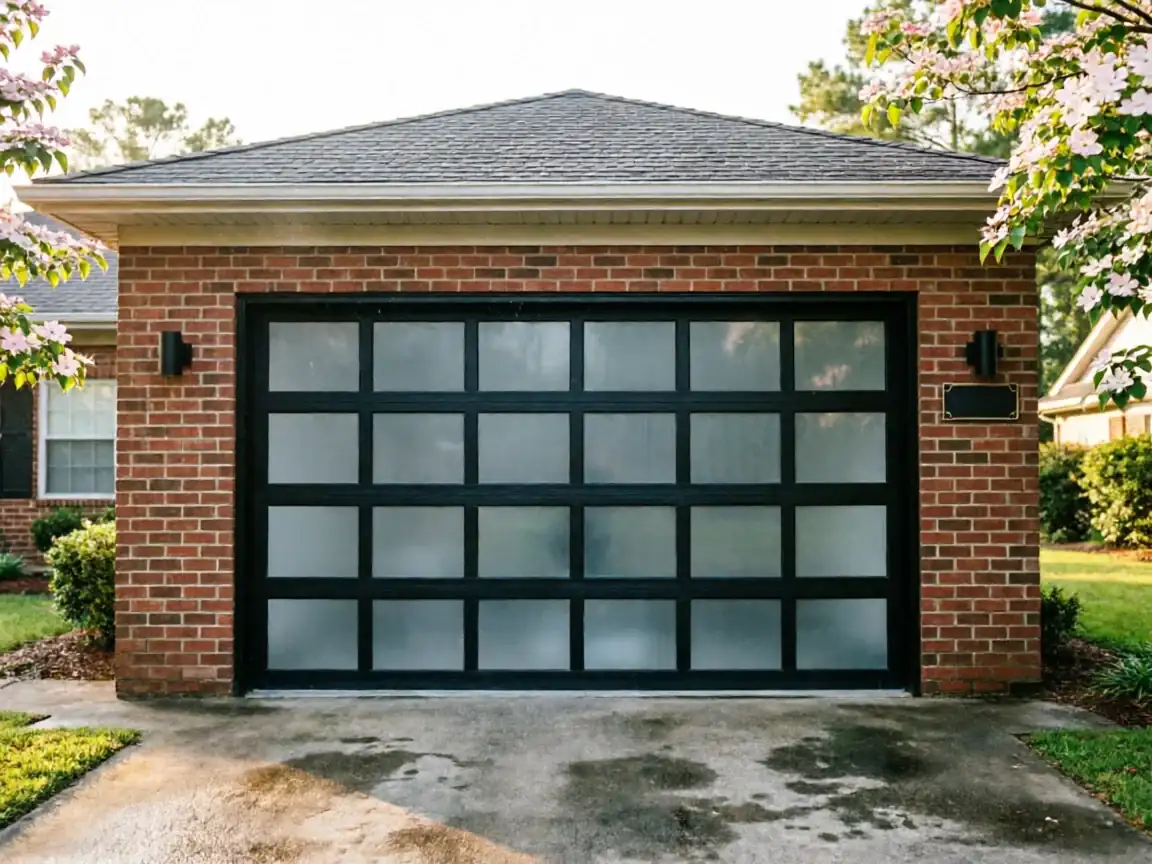
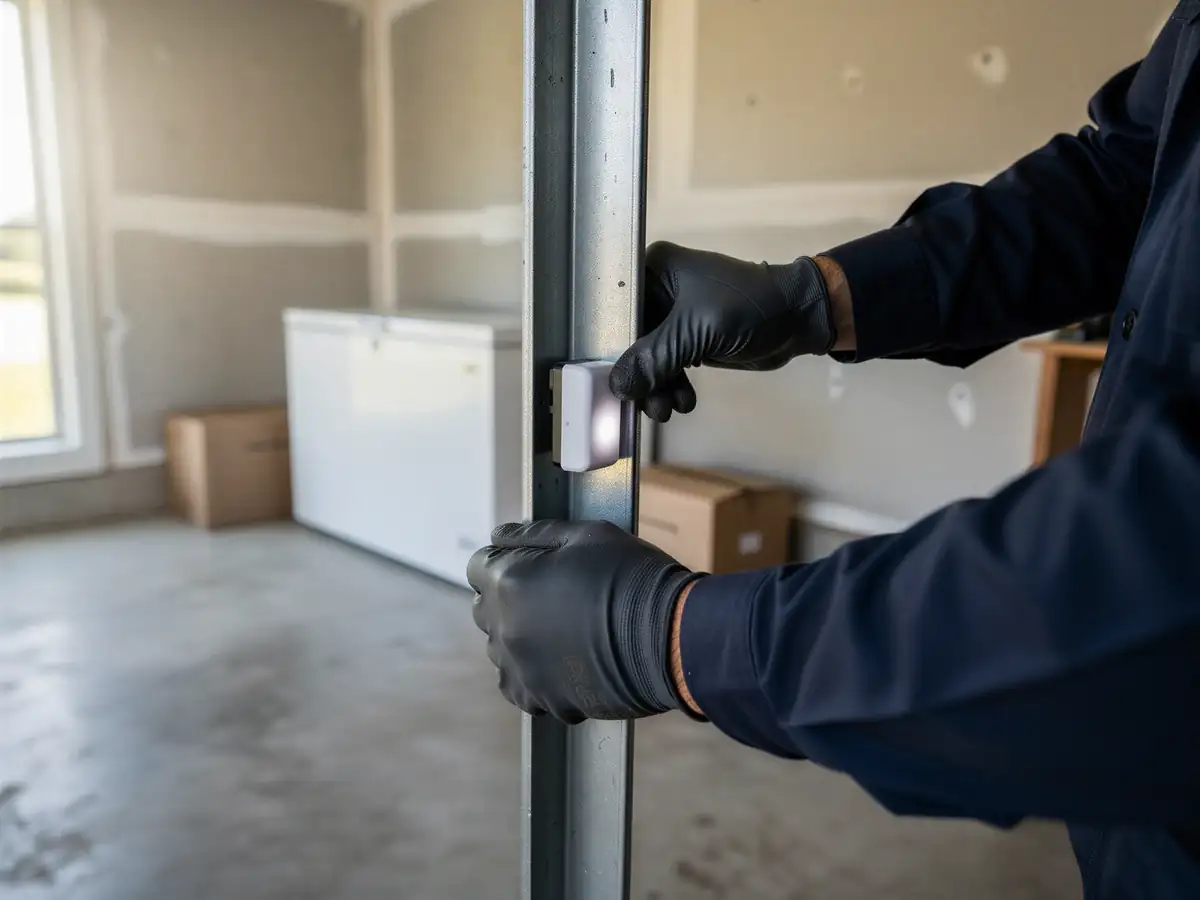
Because so much of Blue Ridge was built around the same few years, a lot of these doors are hitting end-of-life on the same components at roughly the same time - springs rated for a certain cycle count, rollers that were steel-and-nylon rather than sealed ball-bearing, and openers with safety sensors that predate the photo-eye requirement. That's worth knowing before you call: if your spring just went, the opener and rollers from the same install era are probably not far behind. We'll tell you straight when a repair is the right call and when the smarter move is replacing the whole unit rather than nursing 1970s hardware along piece by piece - sometimes the repair costs more over two years than a new door would have cost today. One honest limit: if a part is genuinely obsolete and the manufacturer's stopped making it, we're not going to pretend we can source it overnight.