Stocked Parts
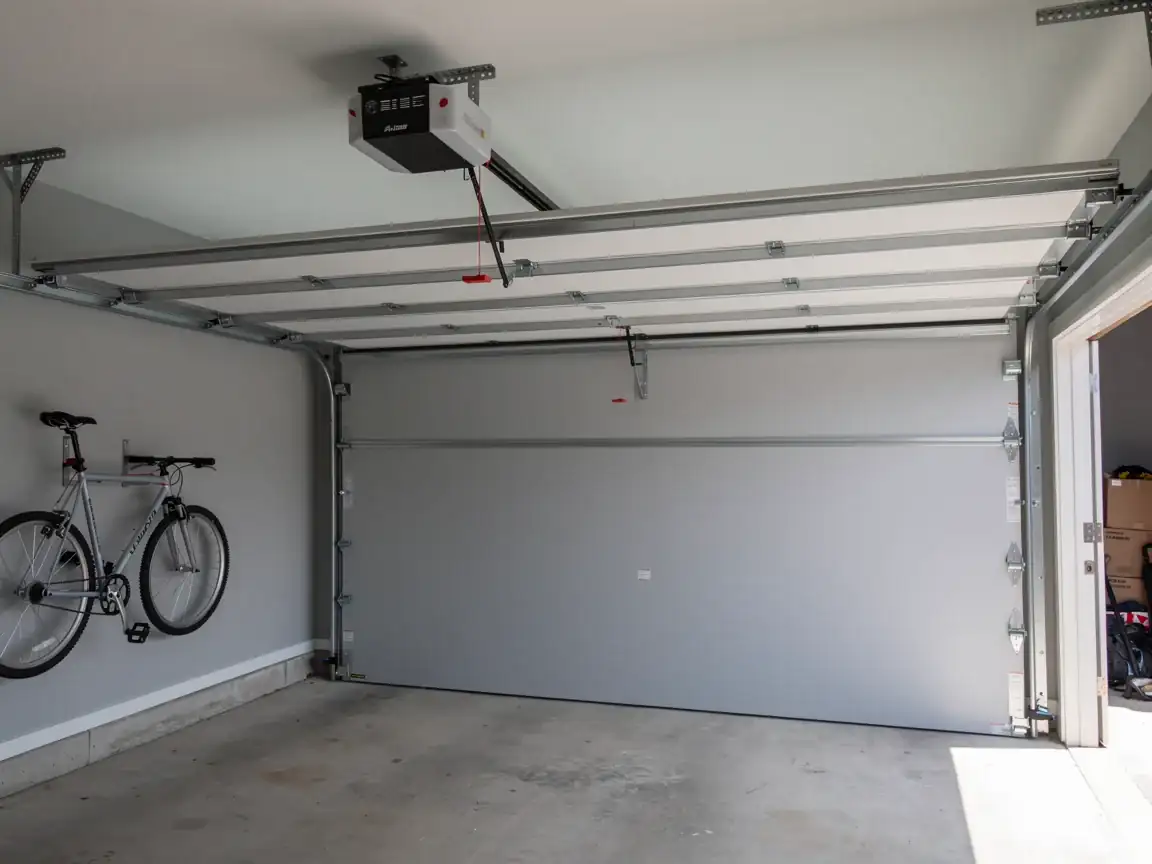
Blue Ridge's median household income sits at $83,113, well above the wider service area's $71,199, and that changes what we bring on the truck. At this income level, most owners aren't looking for the cheapest chain-drive unit on the shelf - they're asking for a belt-drive opener that runs quiet, has battery backup for the ice storms this area gets, and comes with a longer parts warranty. We carry both 1/2 HP and 3/4 HP belt-drive units, plus the steel rail and bracket kits sized for the taller door openings common on houses built in the mid-1970s, which is when most of Blue Ridge went up. We don't stock the bargain-tier chain openers some big-box stores push, because on a house this age the door itself is usually heavy enough that a cheap motor burns out the gears inside two years. If a job calls for something outside what's on the truck, we say so up front rather than installing the wrong unit and hoping it holds.
Doing It Yourself
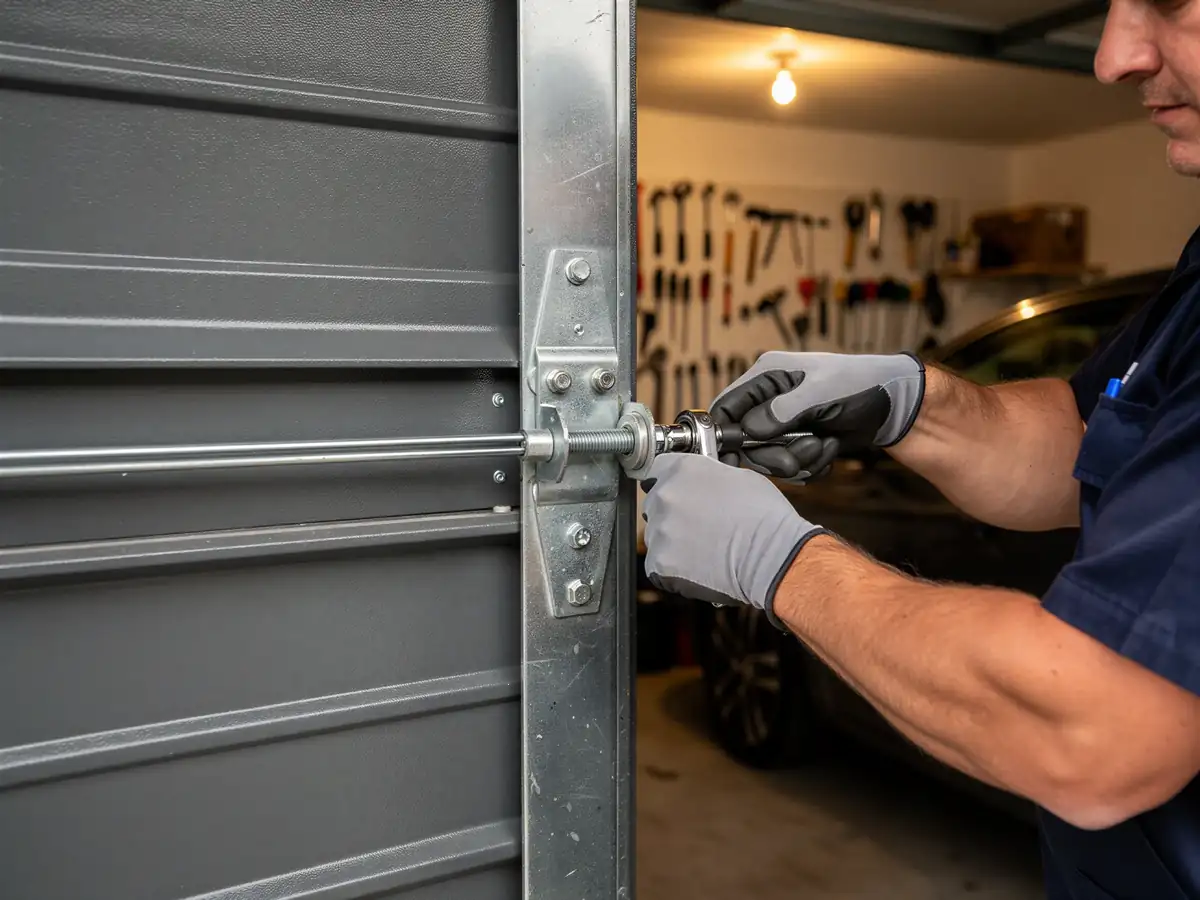
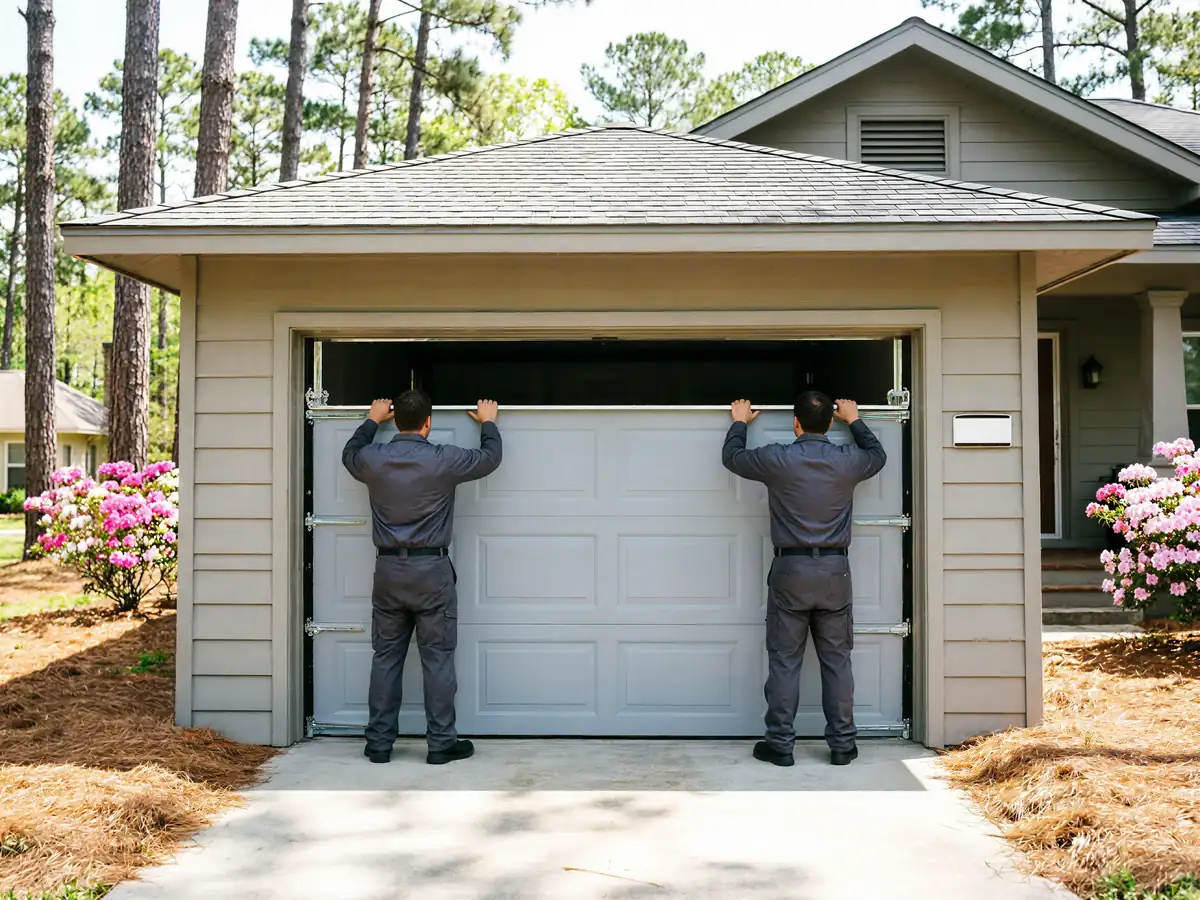
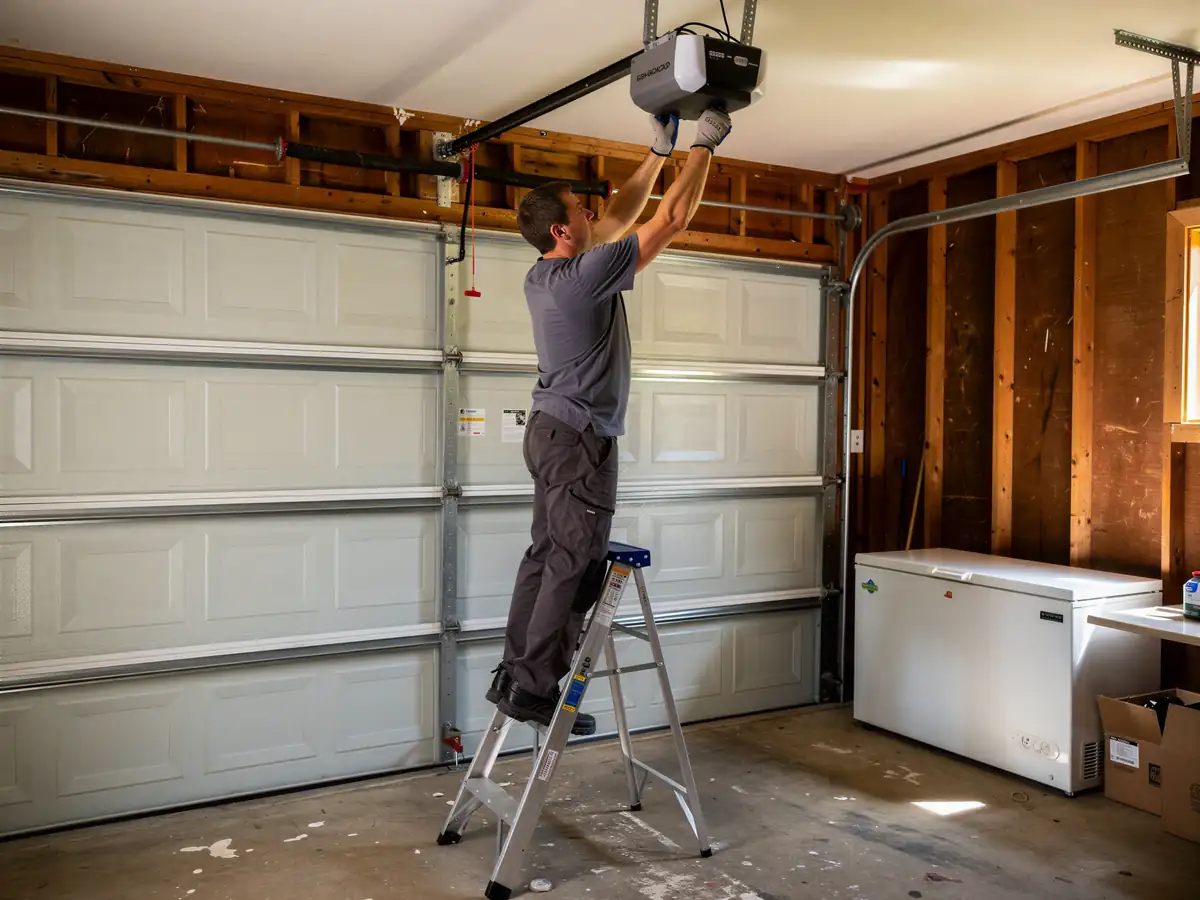
A new opener bracket on a 1970s-built door in Blue Ridge isn't a bolt-in swap most of the time. Houses from that era were framed with the header set for a specific bracket spacing, and a lot of garages here still have the original wood jambs rather than steel. If you buy a universal kit off the shelf and the header doesn't line up, you end up drilling into wood that's over 40 years old and may already be cracked around the old mounting holes. Wiring is the other trap - some of these garages were never run with a dedicated circuit, so a new opener with a stronger motor can trip a breaker that's shared with something else in the house. We're not going to tell you it can't be done by a handy homeowner. It can. But if the existing bracket, header, and wiring don't match what the new unit expects, you're better off having someone look at it before you're up on a ladder with the door half off its track.
What Causes It Around Here
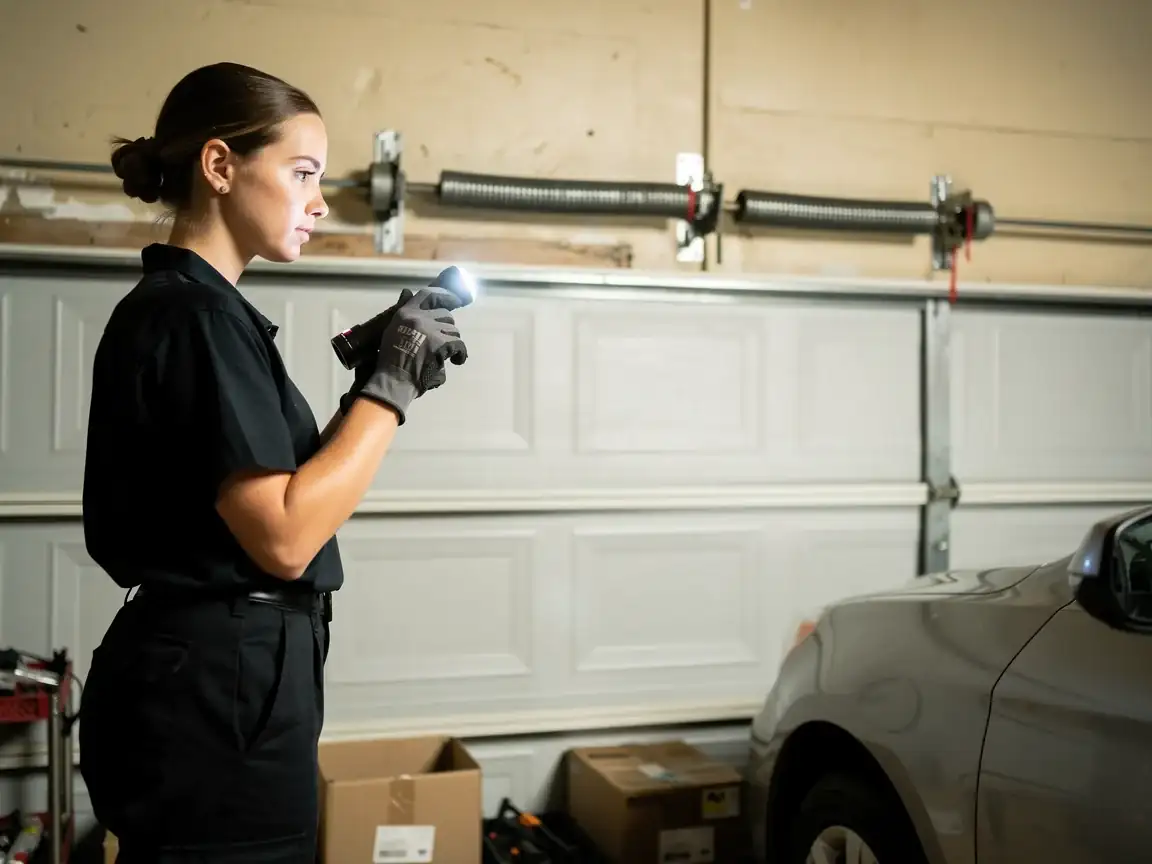
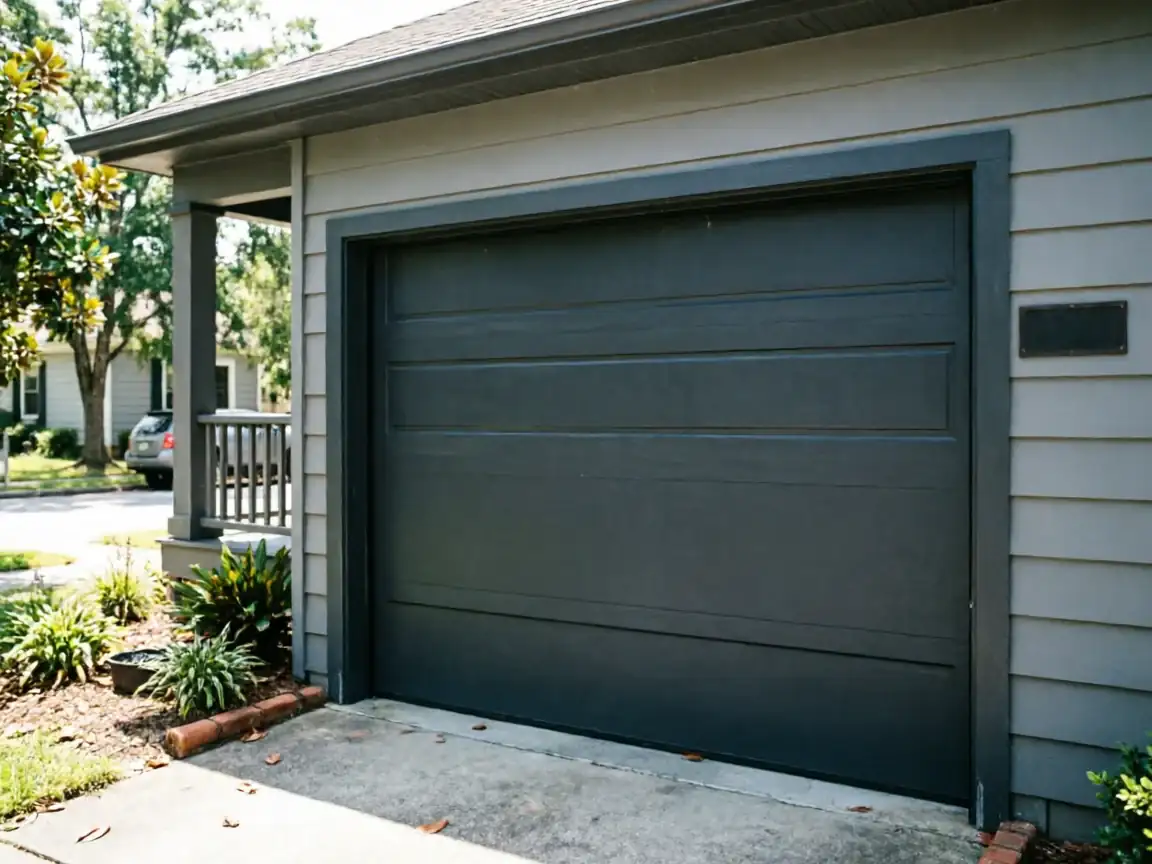
Blue Ridge sits in a cold-moderate climate band, and the opener failures we see out here track with houses built around 1977 - older torsion setups that put more load on the opener's gears than a modern door would. Cold snaps stiffen the grease in an aging opener's drive gear, and if the door itself is heavier than the motor was ever sized for, that's the combination that burns out a motor mid-winter. We also see a fair number of failed limit switches and worn drive belts on units that were installed as builder-grade when the house went up and never upgraded since. None of this is unique to one street - it's just what happens to opener hardware that's been running on original garage framing for close to fifty years. A full look at garage doors in Blue Ridge covers the door side of that same story.