Stocked Parts
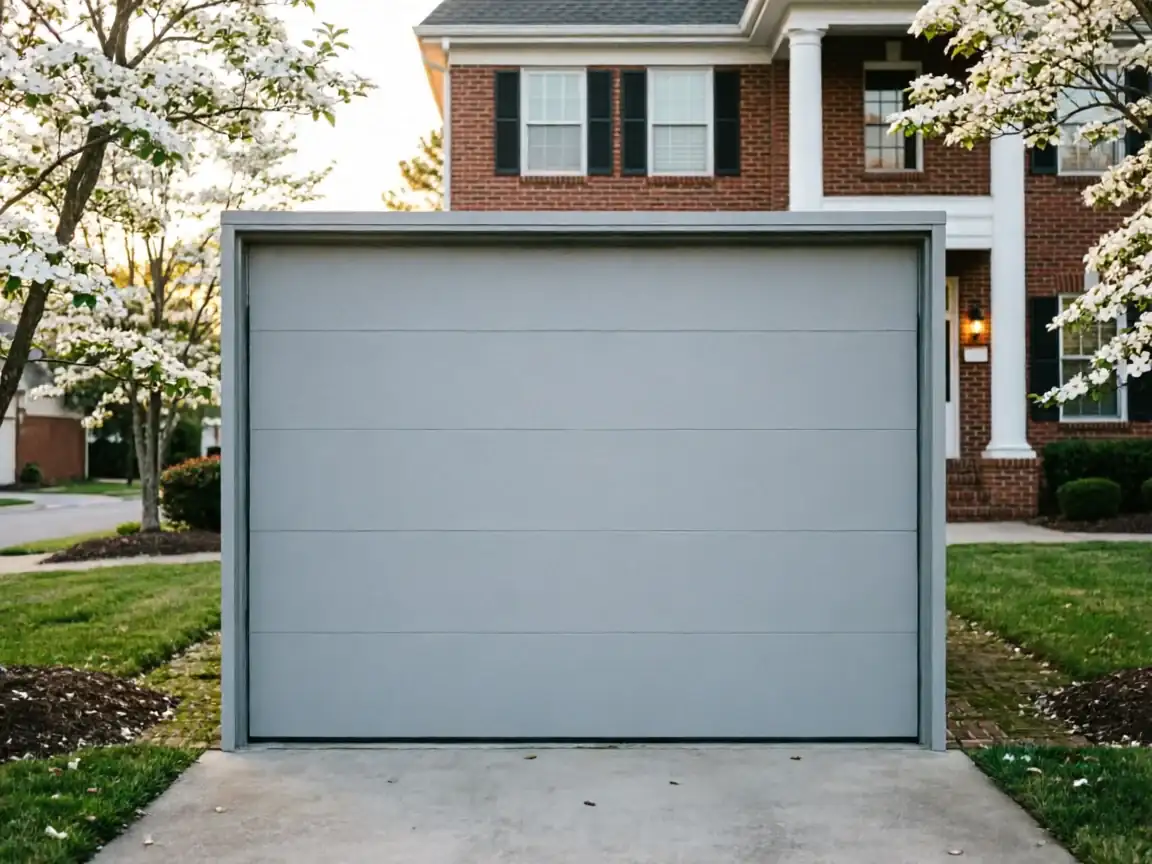
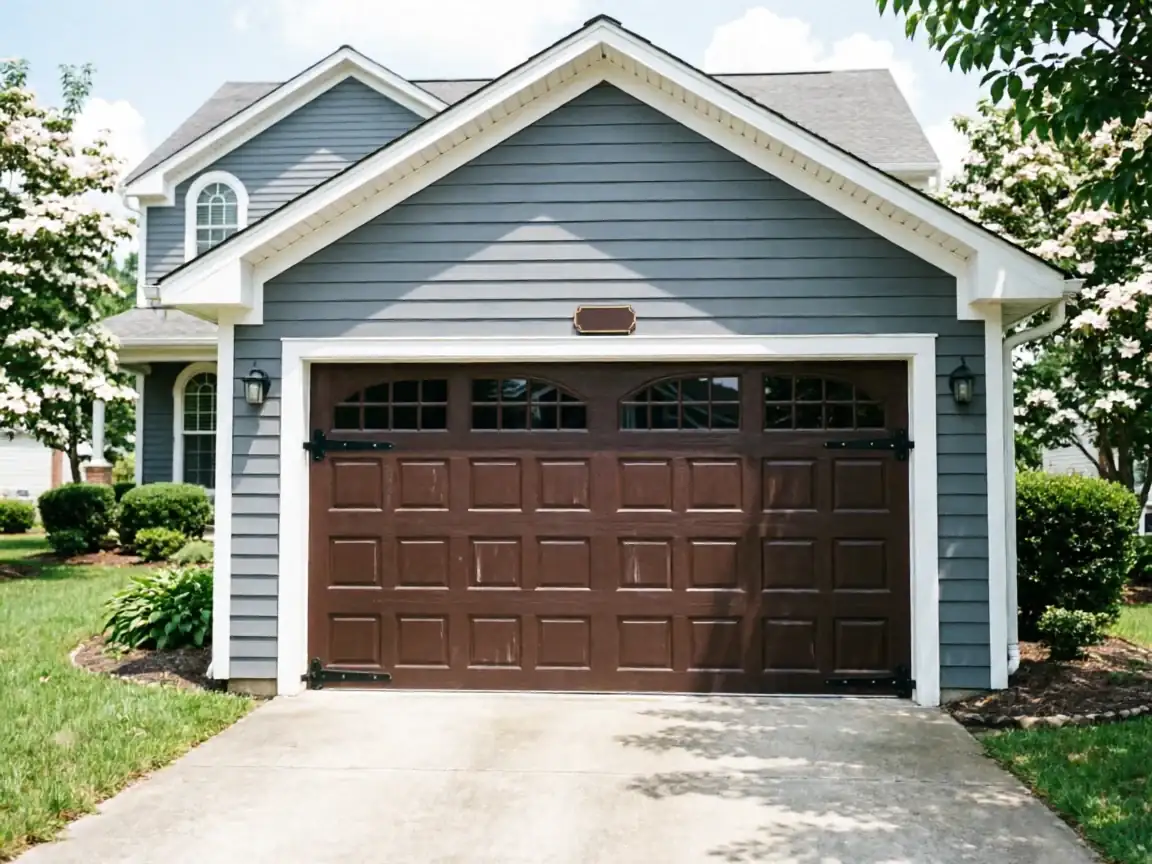
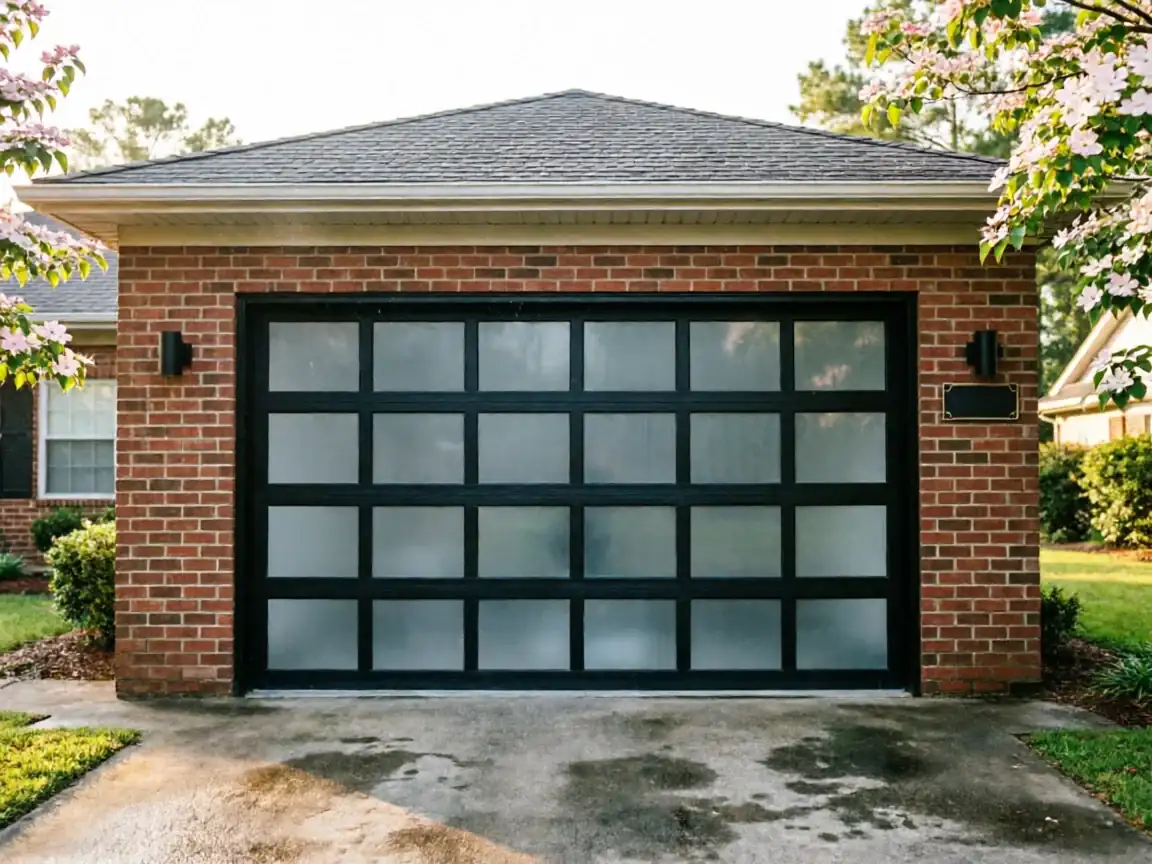
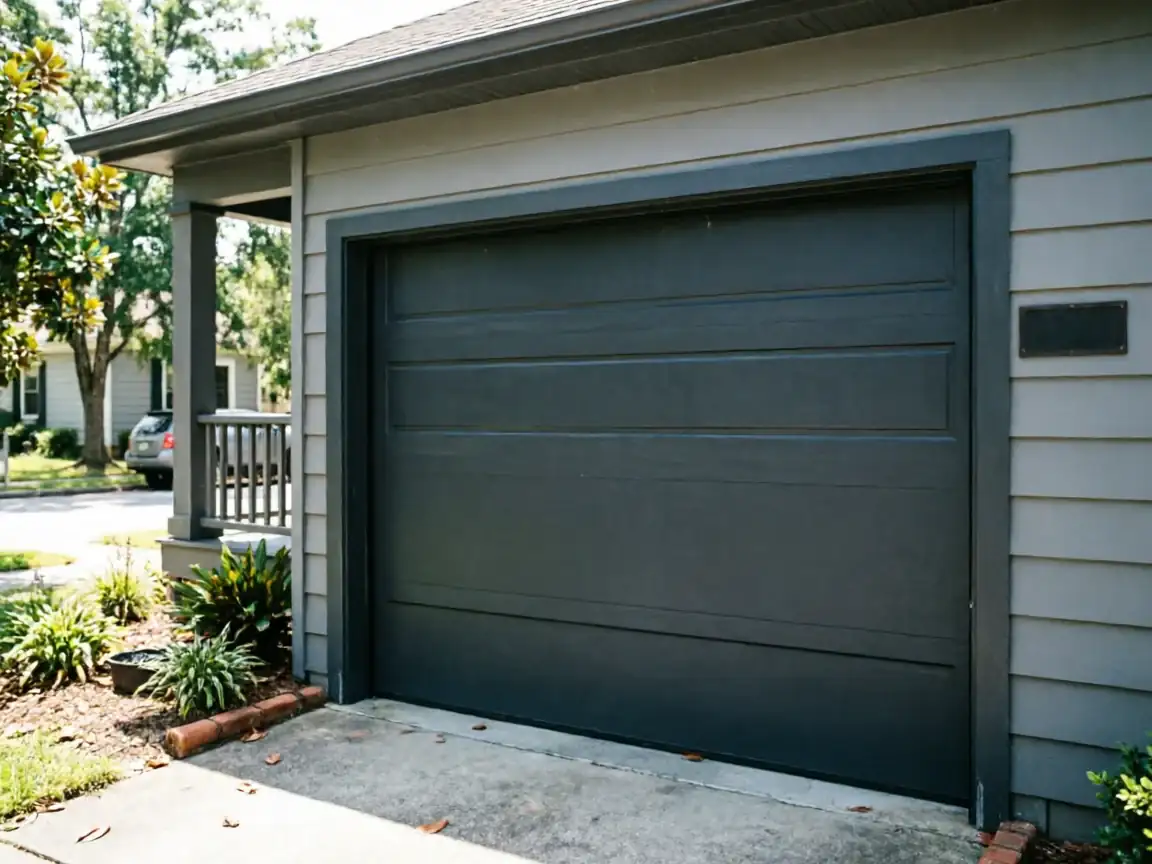
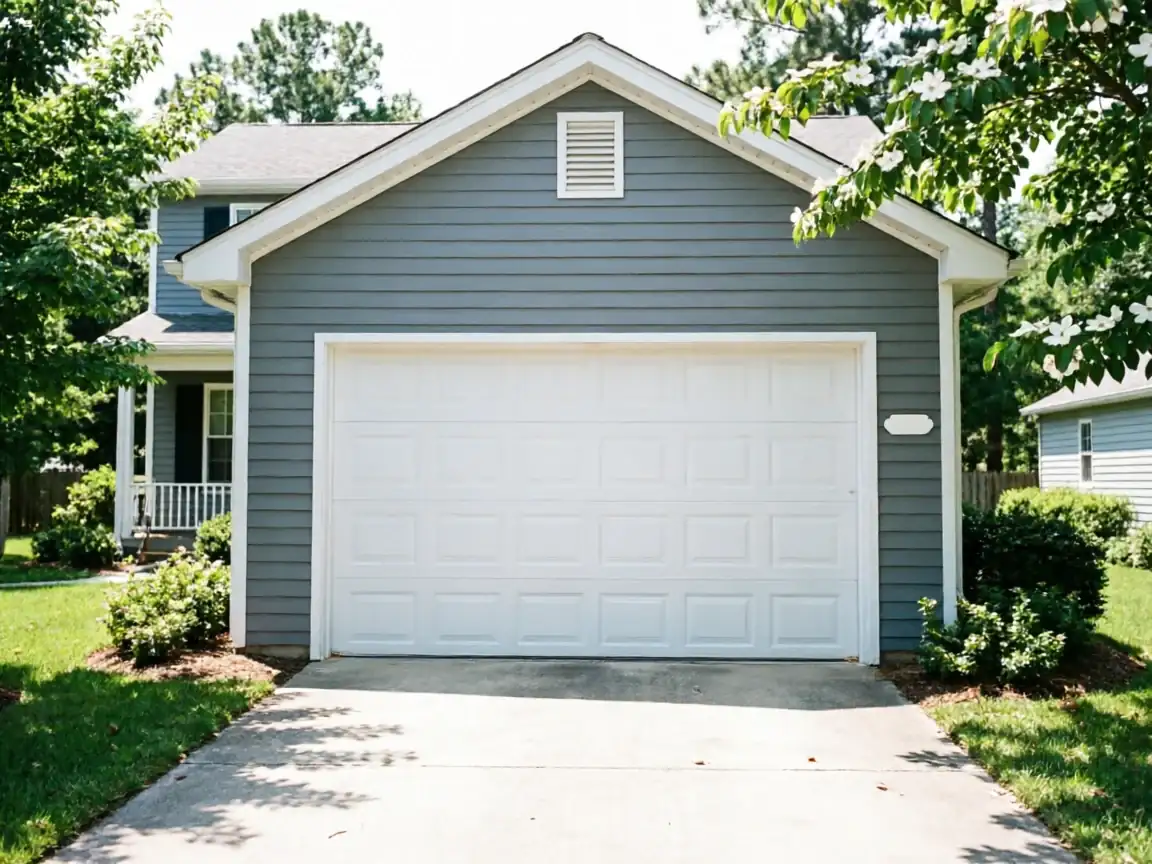
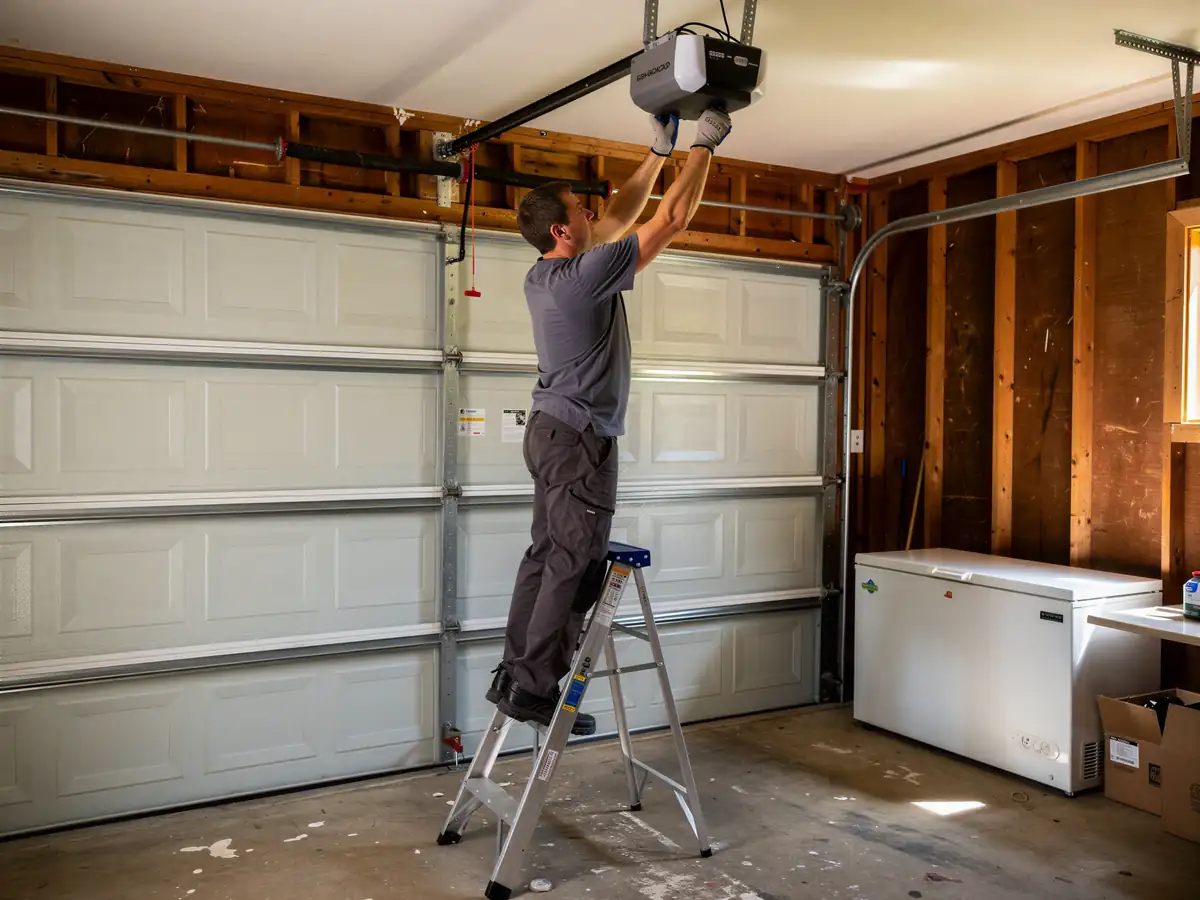
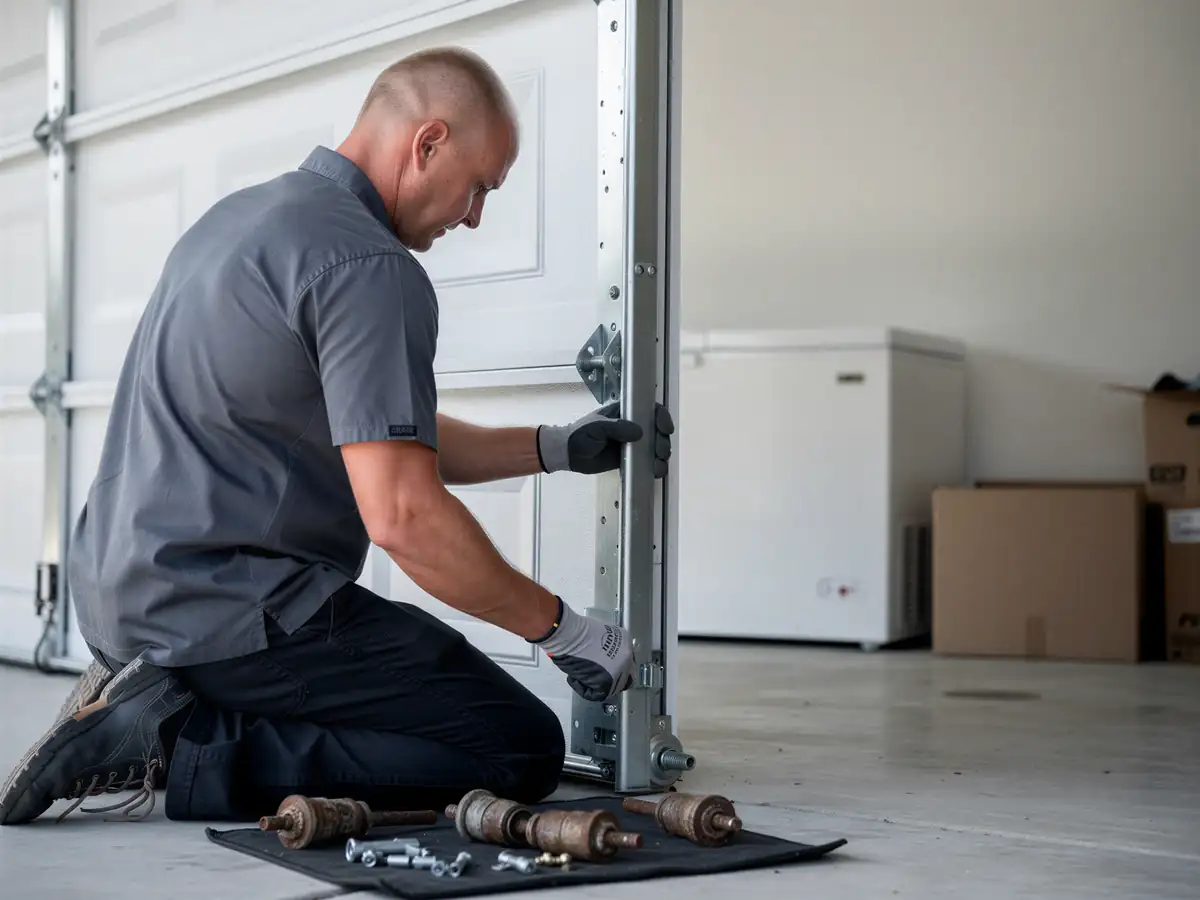
Blue Ridge's housing stock centers on 1977, squarely in the middle of the service area's broader 1953-2002 construction span. That year matters more than it sounds like it should. Doors going up in the mid-1970s were almost always single-layer steel, sized to openings that are narrower and shorter than what builders use now, and hung on torsion hardware built for a door half the weight of what's sold today. When we bring a new install out to Blue Ridge, the first job is measuring the actual rough opening, not assuming it matches a modern catalog size. We carry standard 16x7 and 9x7 panel doors on the truck along with the torsion springs, drums, and track sections sized for them, because those cover most of what a 1970s-era opening in this part of the service area actually needs. What we don't carry as regular stock are oddball widths from additions or garages that got widened after the original build. Those get special-ordered, and that adds lead time. If your opening has been modified from what the house came with, tell us before we quote the job so we can order the right door instead of showing up with the wrong one.
Doing It Yourself
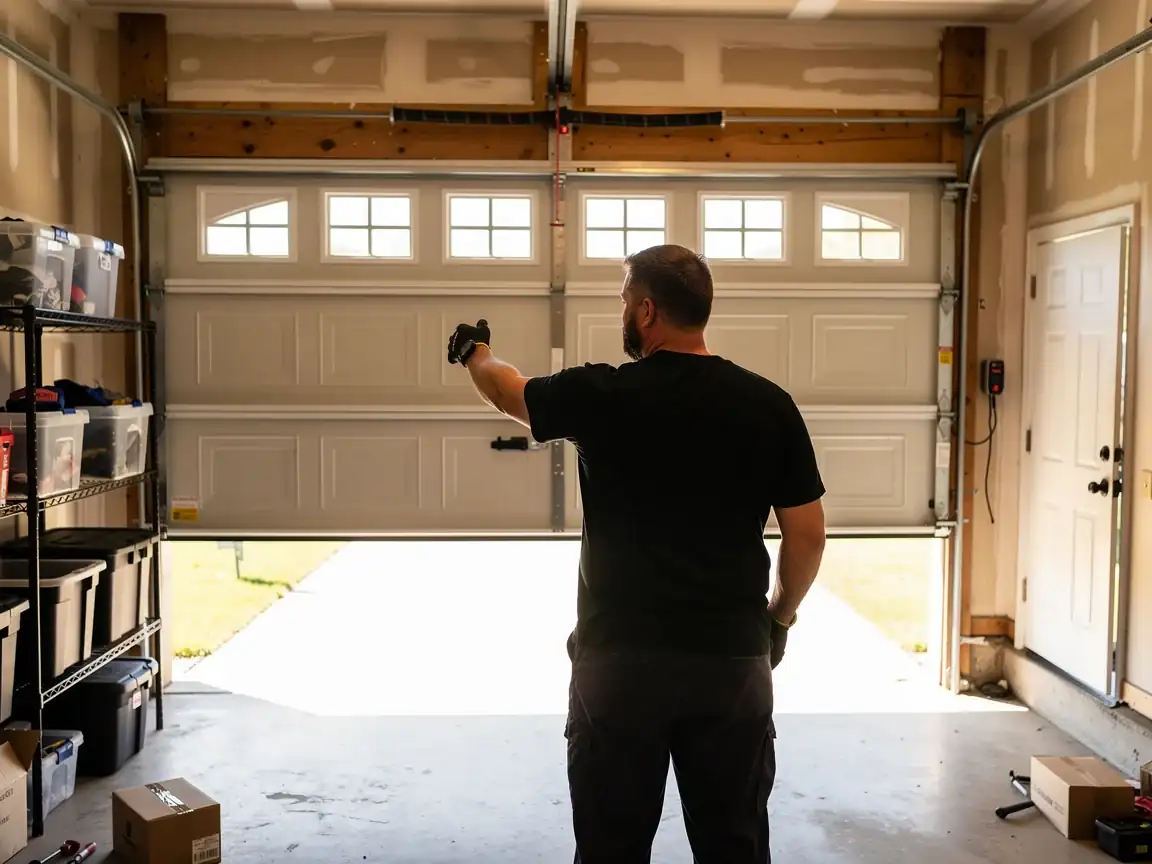
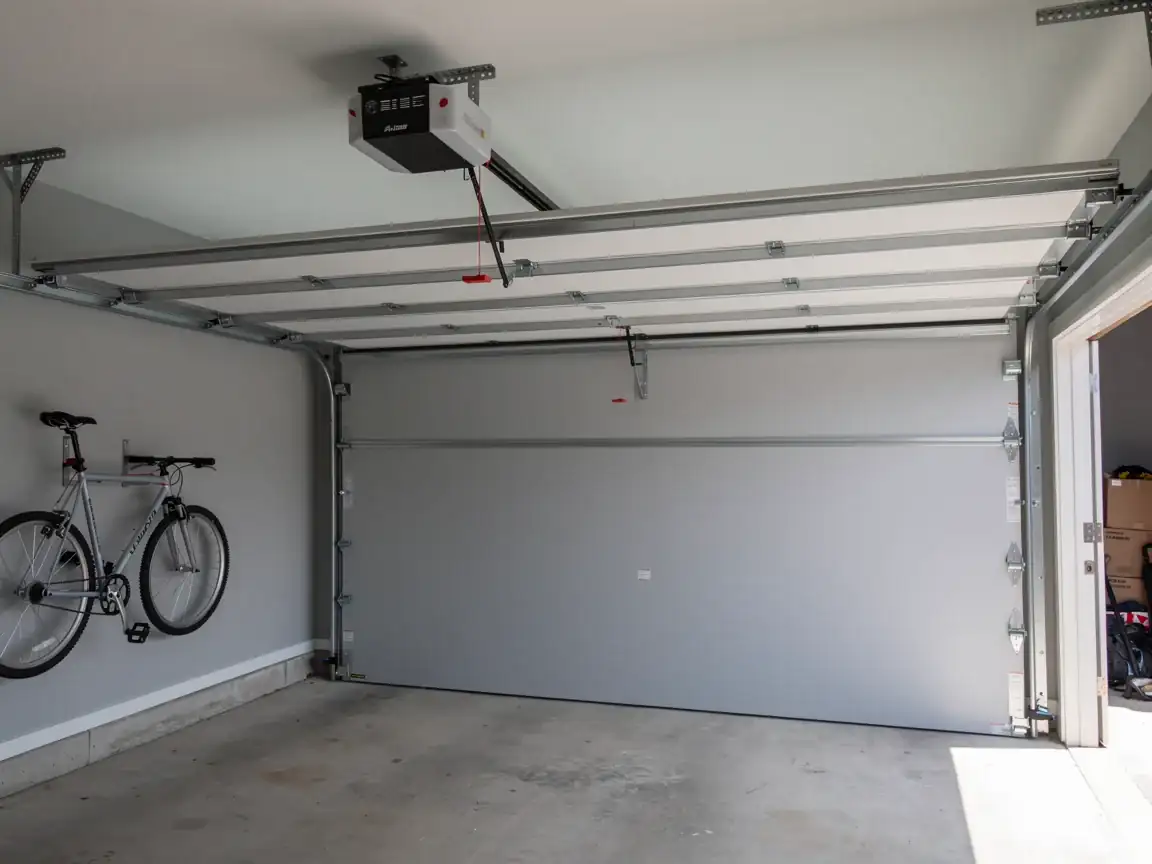
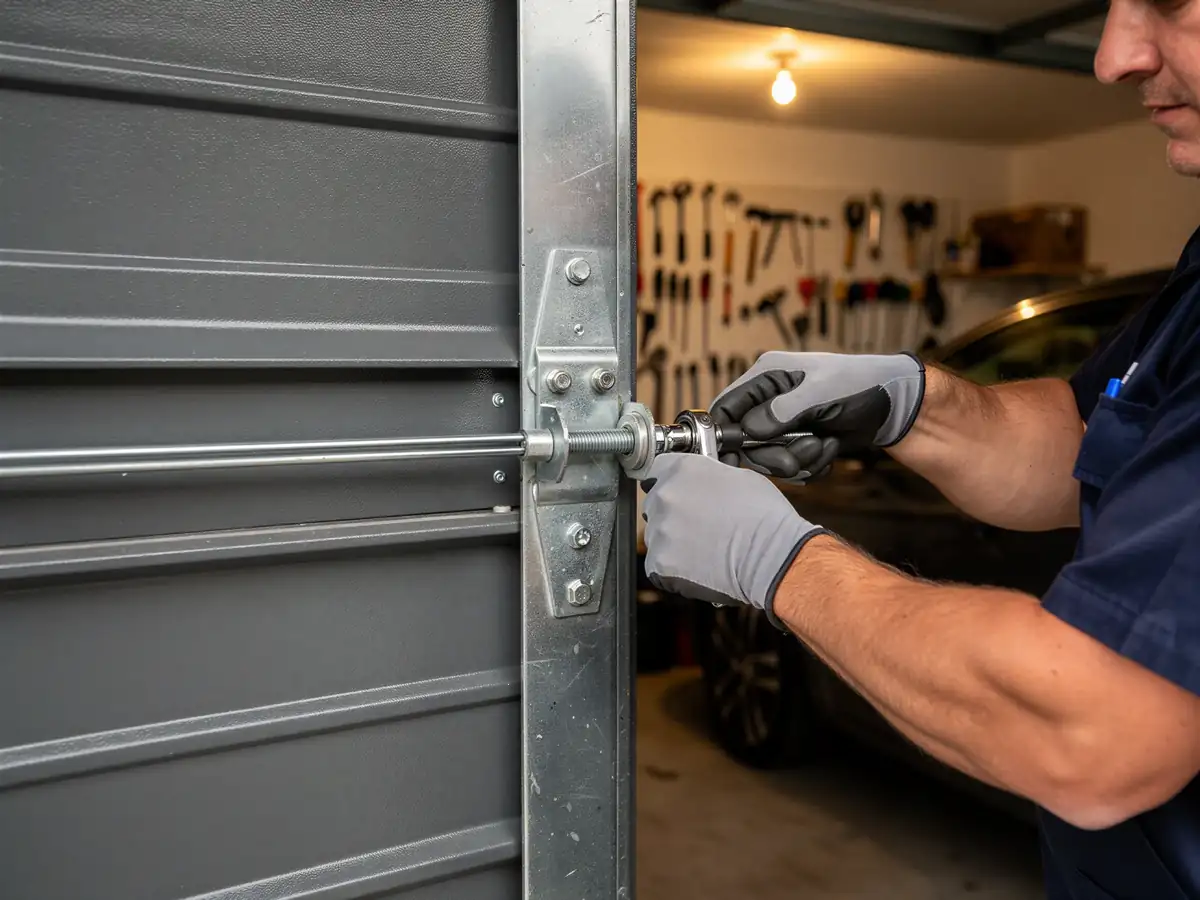
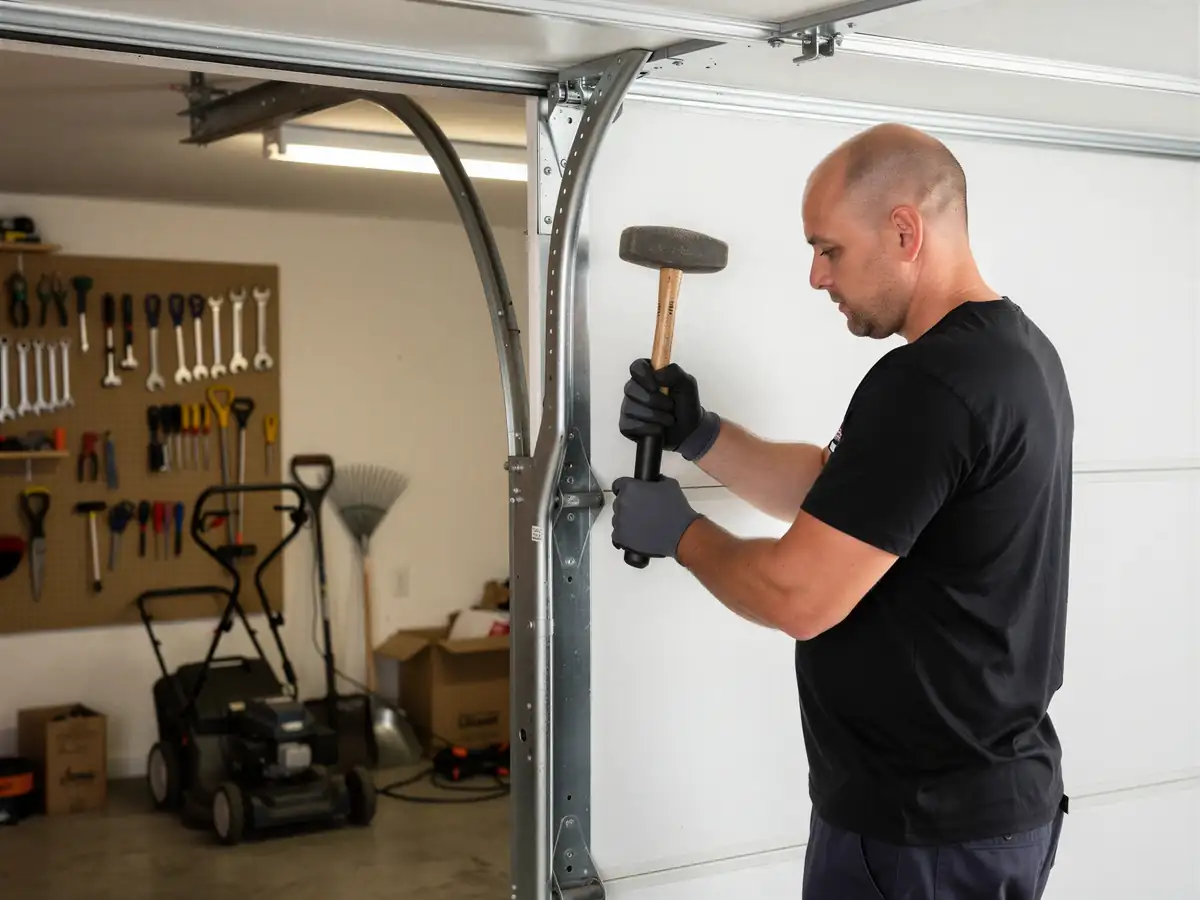
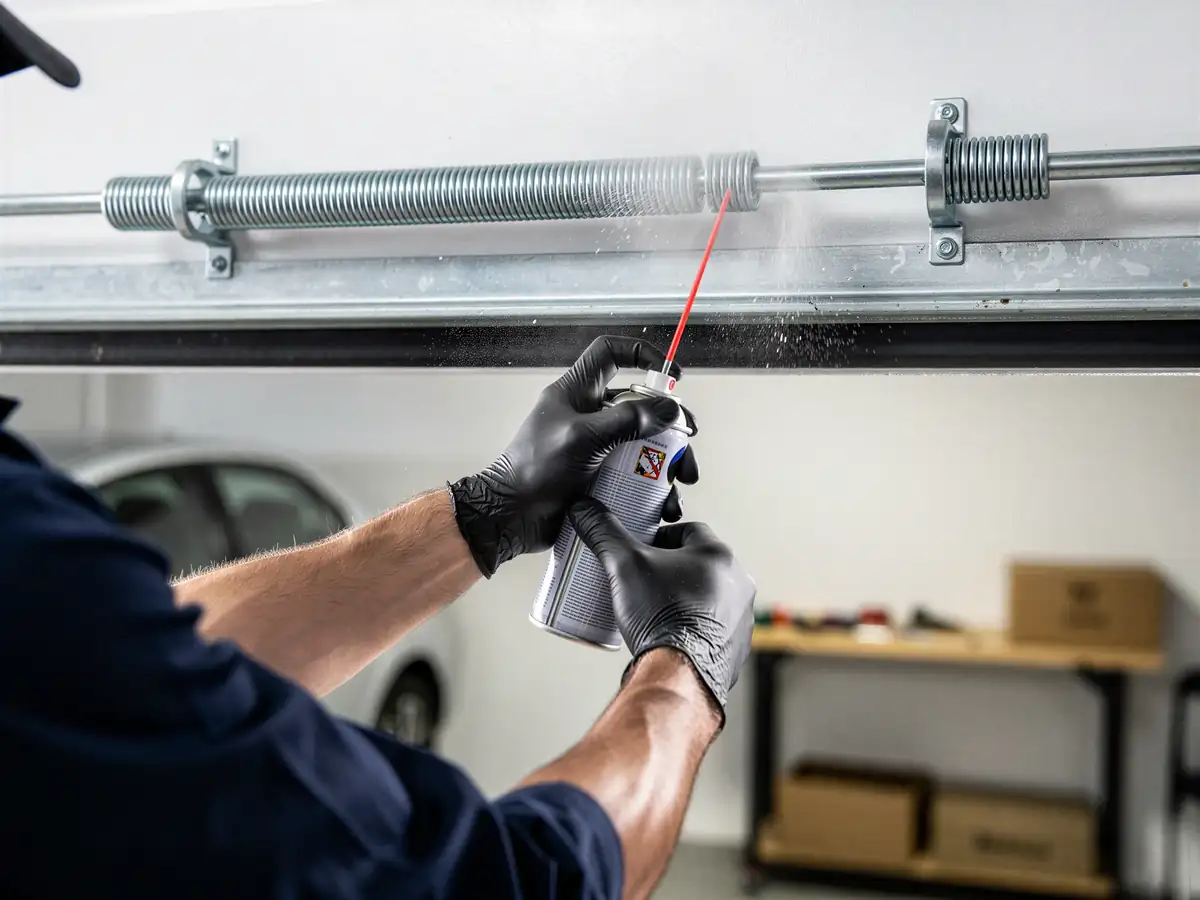
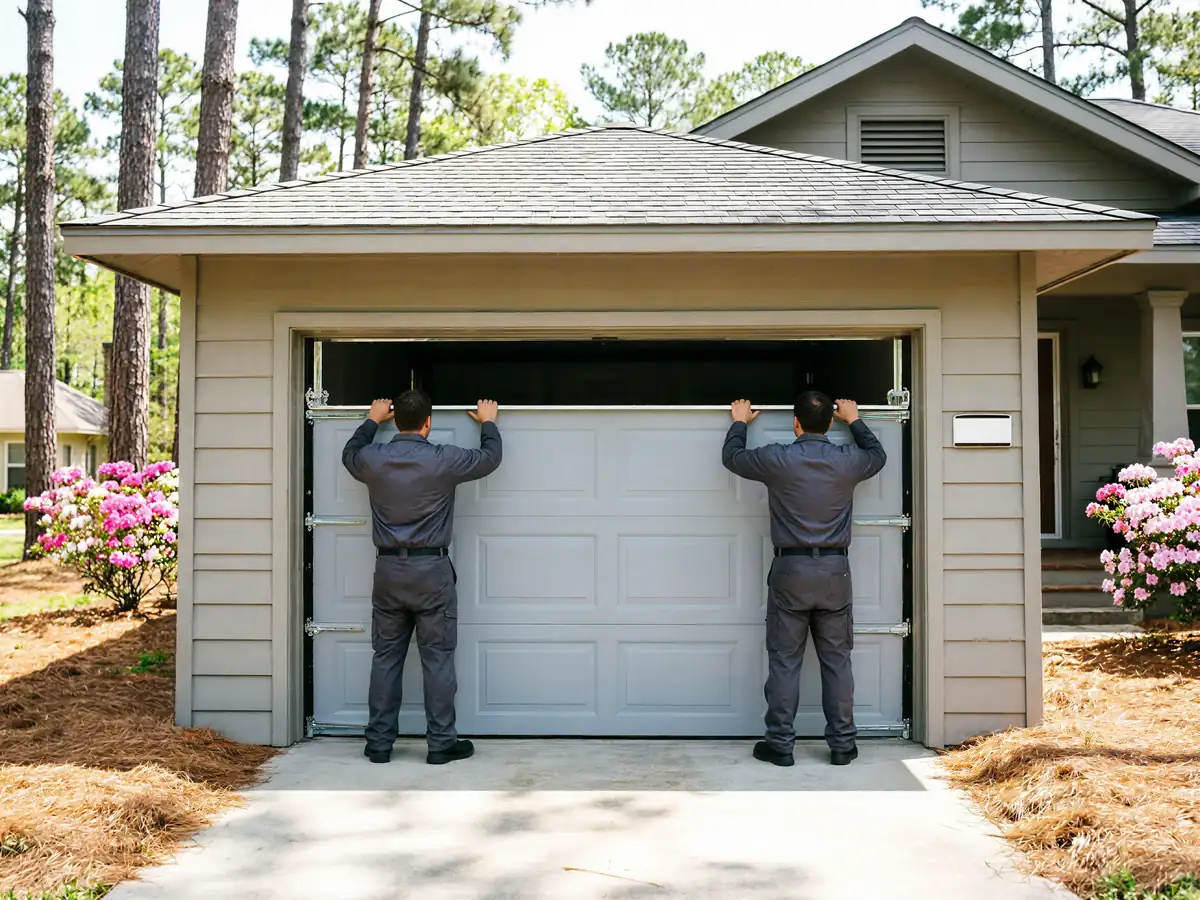
A new garage door looks like a weekend project until you're standing under a 150-pound slab held up by two hands and a feeling. The panels aren't the hard part. The torsion spring system is, and it's the part that puts people in the hospital when it lets go under tension. On a 1977-era opening the spring is sized for the original door's weight, which almost never matches a replacement door's weight, insulation and all. Get that calculation wrong and the door either won't lift cleanly or it slams down with no resistance. We're not going to tell you nobody can do this themselves. Some people do. But we will say plainly: setting spring tension without the right winding bars and without knowing the wire size and wind count for the door you're actually installing is the single most common way this job goes wrong. If you're comfortable swapping rollers, weatherstrip, or hardware on a door that's already hung and balanced, that's a different level of risk. Replacing the whole door and spring system from scratch on an opening built in the 1970s is where we'd tell most owners to call instead of improvise.
What Causes It Around Here
Driving to Blue Ridge from Roanoke is a 10 mile haul, farther out than Vinton, Cave Spring, or Hollins at 4 miles each, and that distance is part of why we schedule installs here in blocks rather than one-offs. On the door itself, the main failure pattern we see tied to this area's 1977 median build year is original hardware that was never upgraded - galvanized torsion springs rated for a lighter, uninsulated door, track that's slightly bent from decades of use, and steel panels that have rusted through at the bottom where water sits. Blue Ridge counts just 1,179 households, a small slice of the roughly 40,029 across the full service area, which means fewer total doors but a lot of them aging on the same rough schedule since they were built in the same stretch of years. The region sits in a cold moderate climate band, so a replacement door here needs weatherstripping and a bottom seal sized to actually close out winter drafts, not just hardware that looks right. We size new installs to the opening we find, not to a generic catalog default, because a 1977 opening and a 2015 opening are rarely the same width.