Stocked Parts
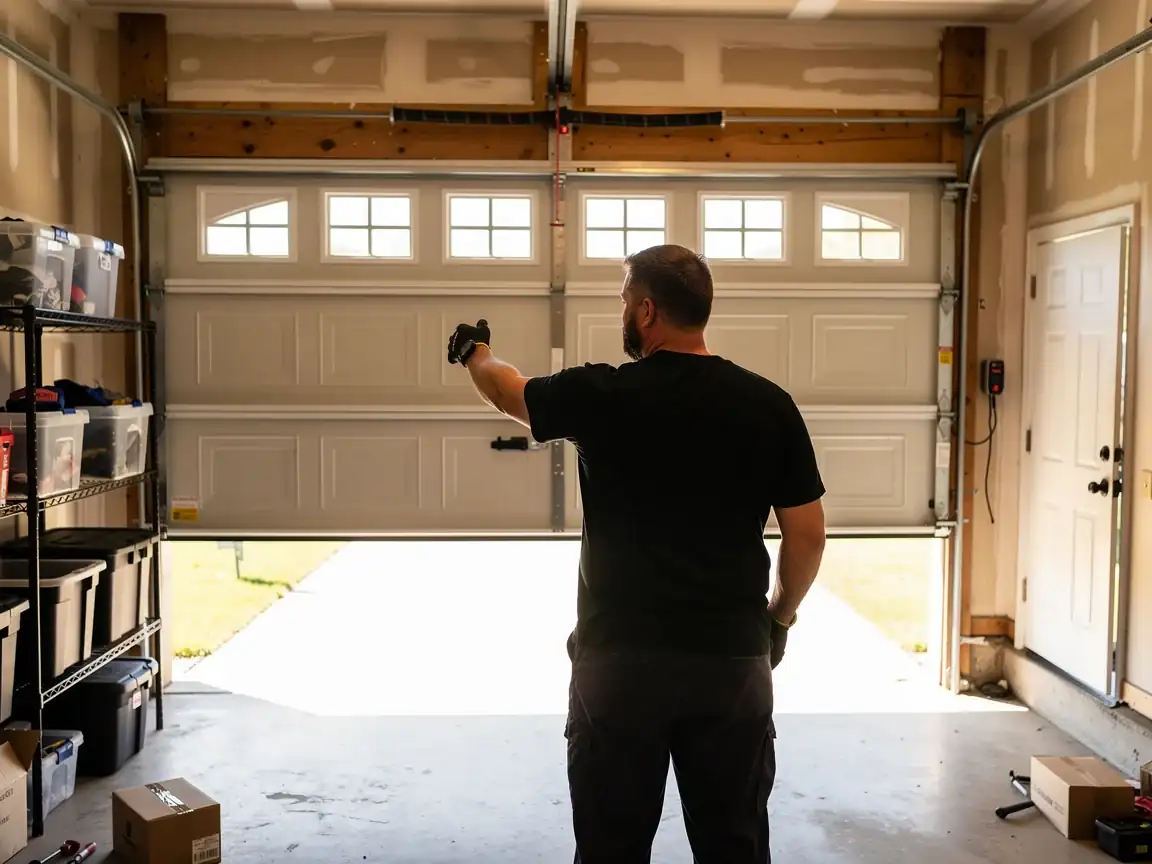
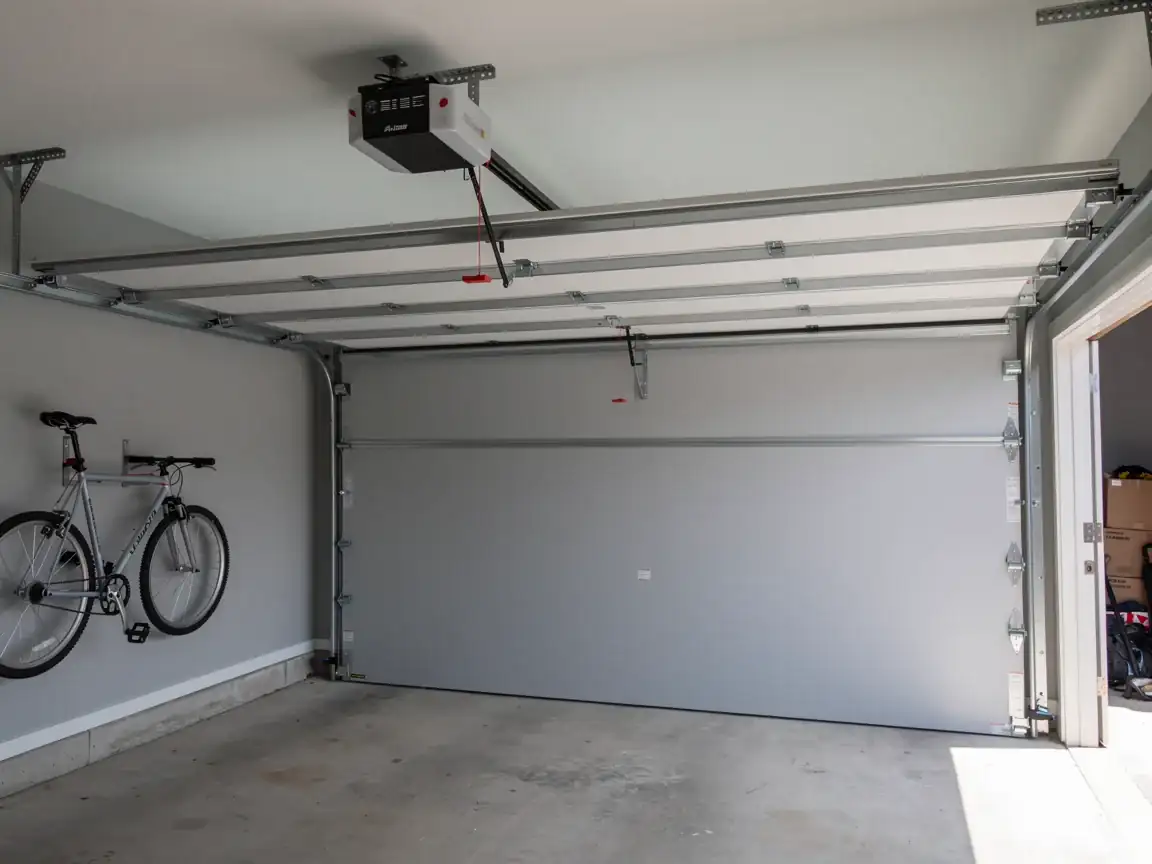
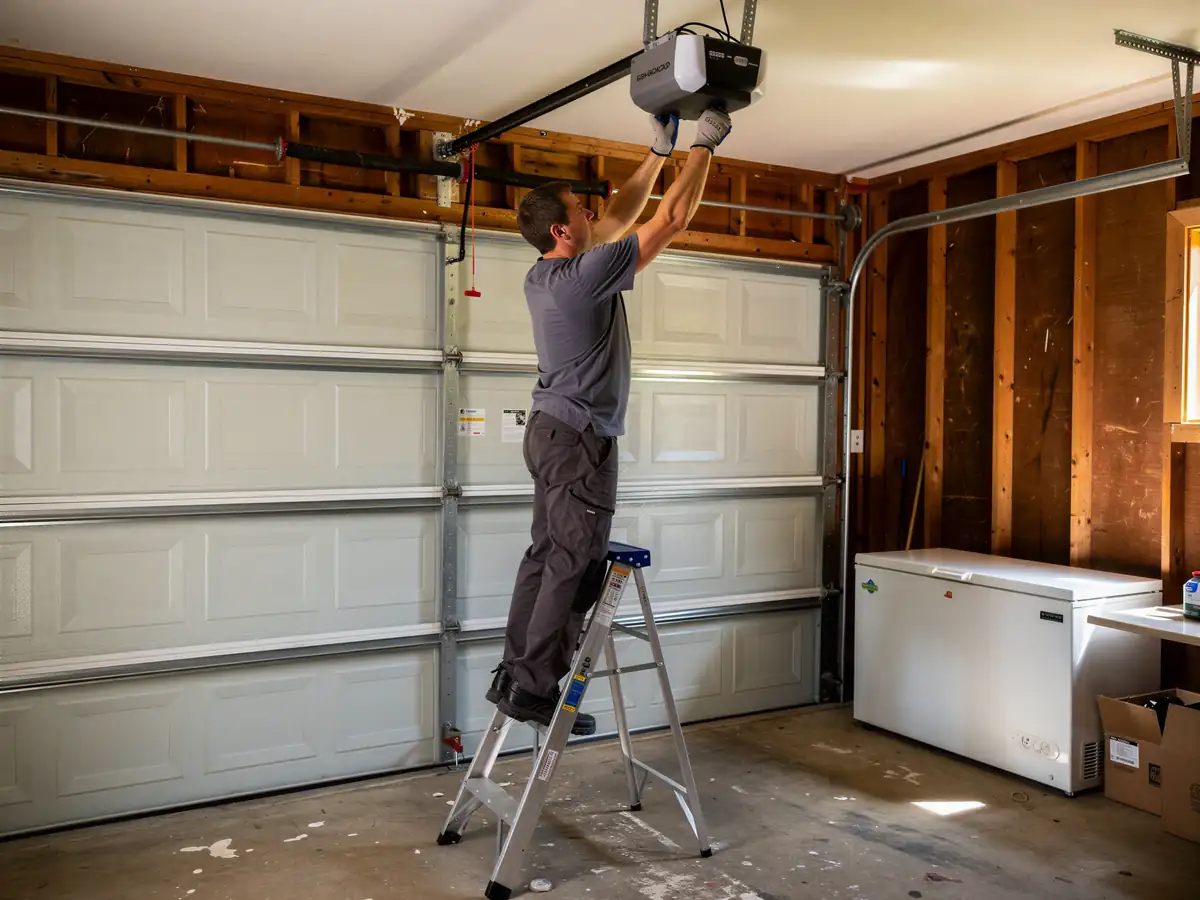
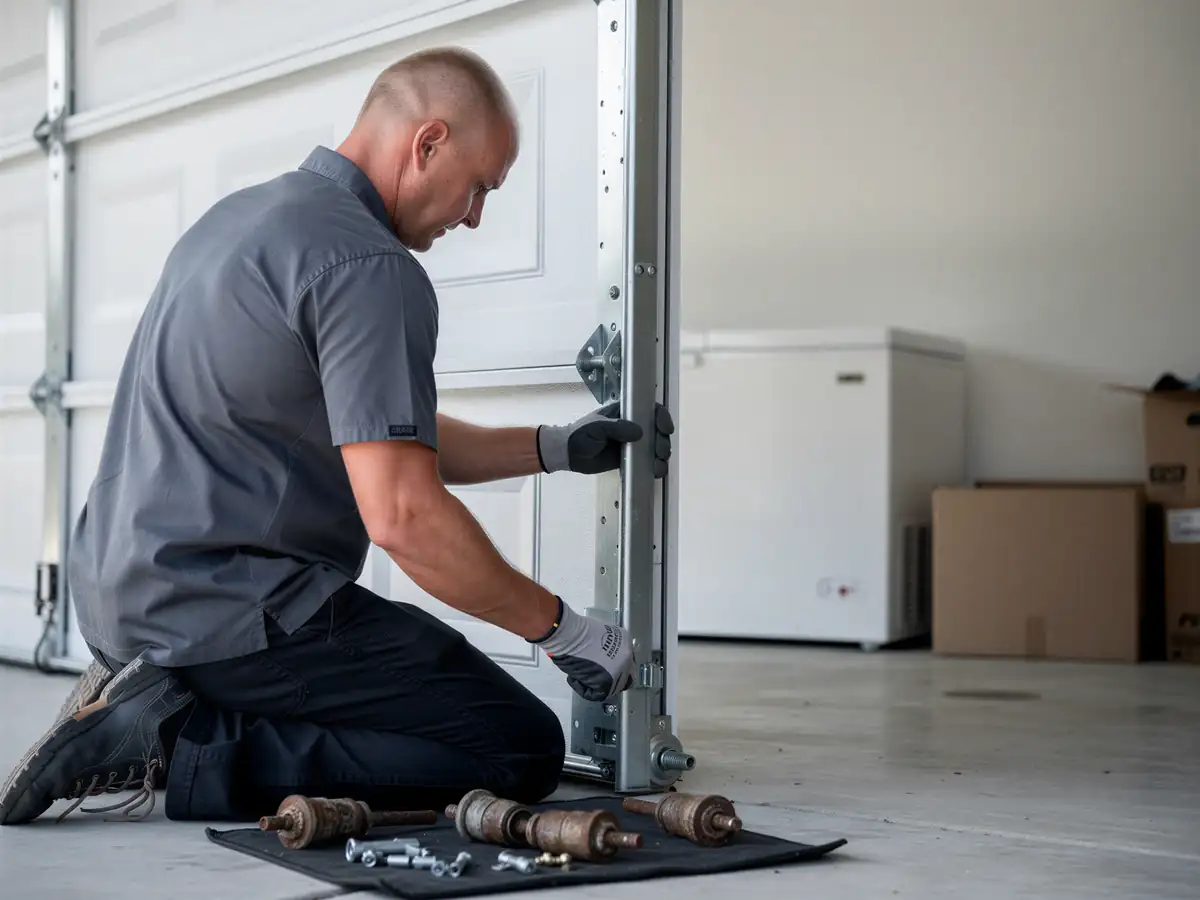
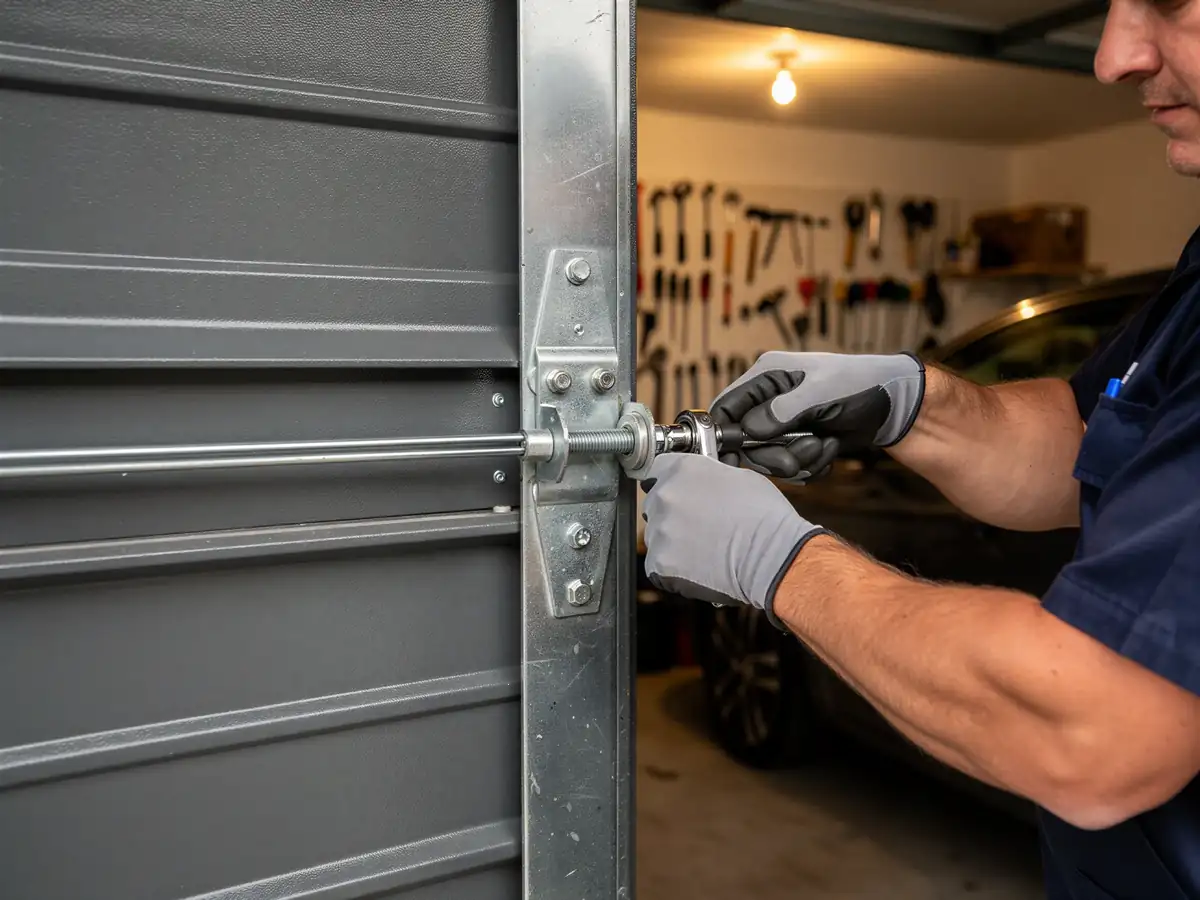
With a median build year of 1977 in Blue Ridge, a lot of garages out here still have the torsion spring, the drum, and sometimes the opener that went in when the house was framed. Nobody swaps hardware that isn't broken, so it's common for us to find a spring that's close to fifty years old doing the lifting on a door that's been repainted twice. That's the part we stock on the truck: standard torsion springs sized for the single and double door openings common to this build era, plus rollers and cables that match the same vintage track. What we don't carry on the truck is anything built for a door wider than the two-car standard, or a commercial-grade opener - those get special-ordered and that's a day or two lead time, not a same-visit fix. If your opener is original to a 1970s build, parts for the motor itself can be the long pole; sometimes replacing the opener outright is faster and cheaper than chasing a part for a unit that age.
Doing It Yourself
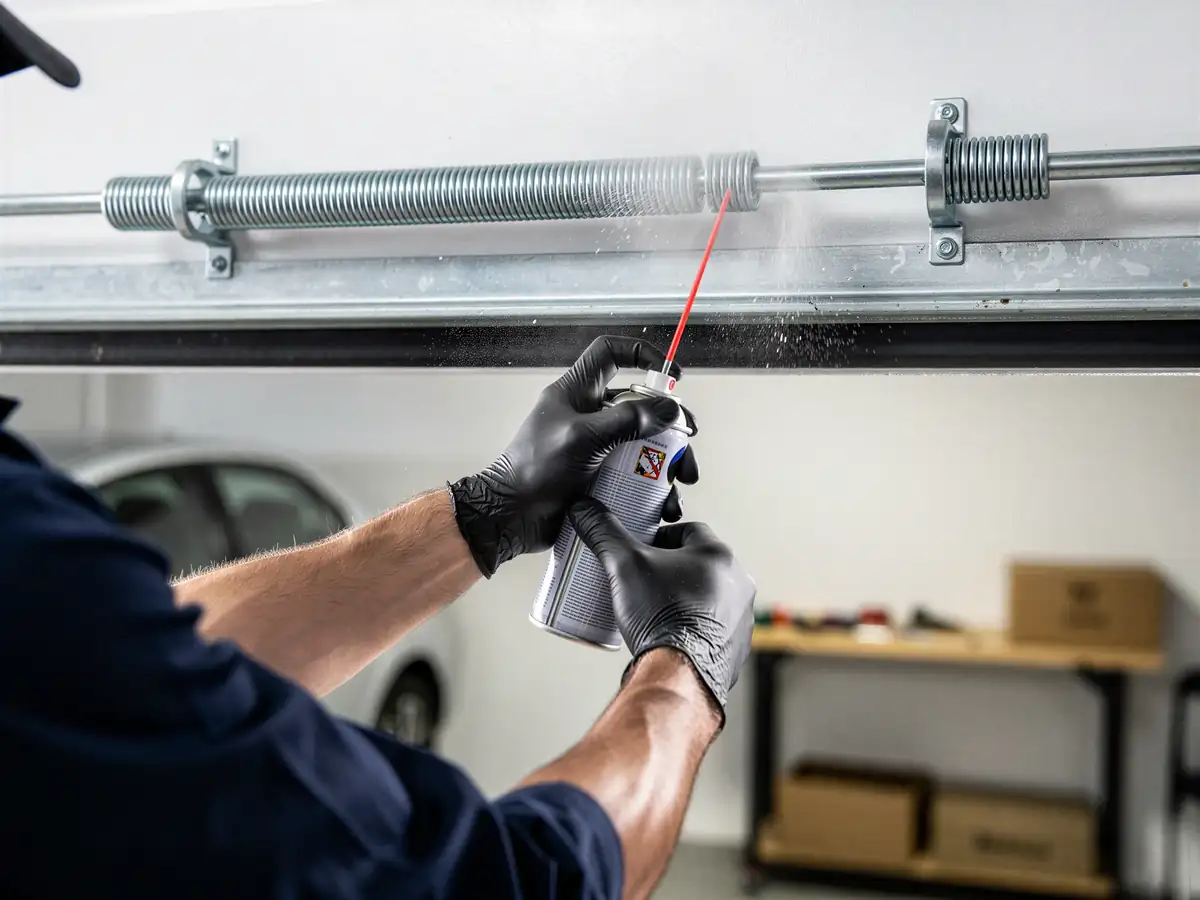
A door built when the house was - meaning sometime around 1977 for most of Blue Ridge - runs on a torsion spring under real tension, and that's not a weekend project with a socket set. We'll walk you through resetting a sensor or re-greasing a track over the phone, that's fine. What we won't talk you through is pulling a winding bar on a spring that's original to the house, because a spring that's held tension for close to fifty years doesn't fail gently. If your opener is the original unit, the travel limits and force settings are often undocumented at this point - nobody kept the manual. Resetting those without knowing what's underneath the cover is how people get hurt or crack a panel. Know your limit: tightening hinges, lubricating hinges and rollers, checking the weatherstrip - do that yourself. Springs, cables, and anything that involves taking the door off its track, call it in.
What Causes It Around Here
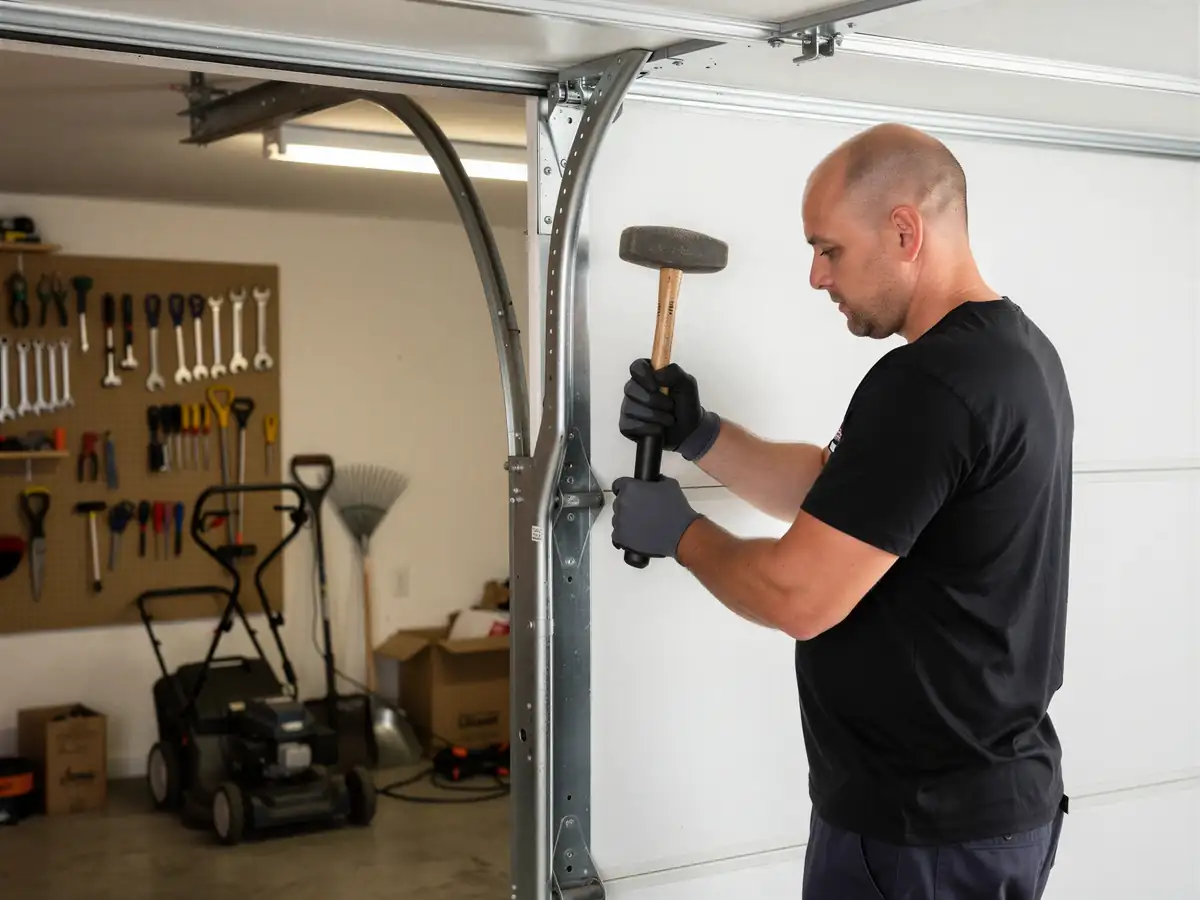
Blue Ridge sits about 10 miles out from Roanoke, and the climate here runs cold-moderate like the rest of the service area - winter cold snaps are what we see stress original springs and hardware the most. On a door with 1970s-era steel and a torsion spring that's never been swapped, cold tightens the metal and that's often when a spring that was already fatigued finally goes. We also see openers from this build era struggling with worn drive gears - they just weren't built to run forever, and most of them are at or past that point now. Track misalignment shows up more on original hardware too, since the mounting brackets have had decades to work loose from seasonal temperature swings. None of this is unique to one house - it's a function of age and the band of weather this part of the Roanoke area sits in.