Stocked Parts
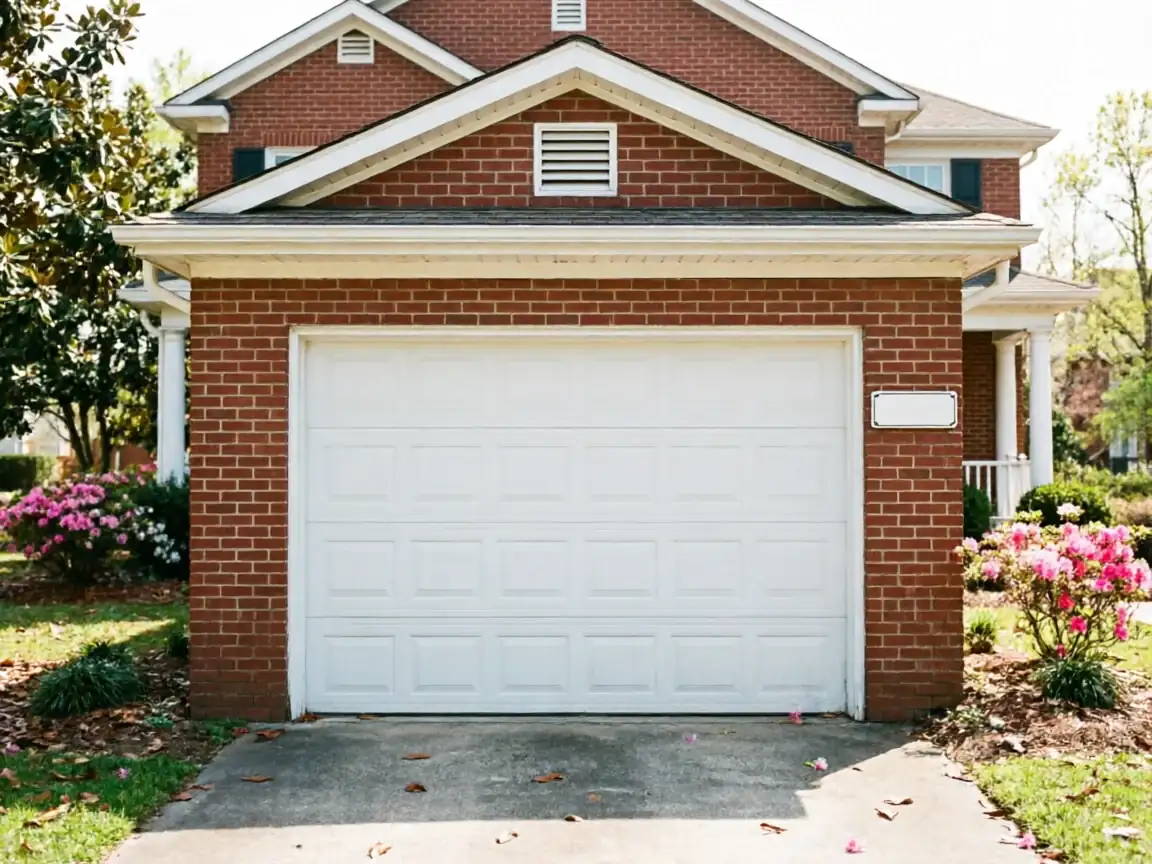
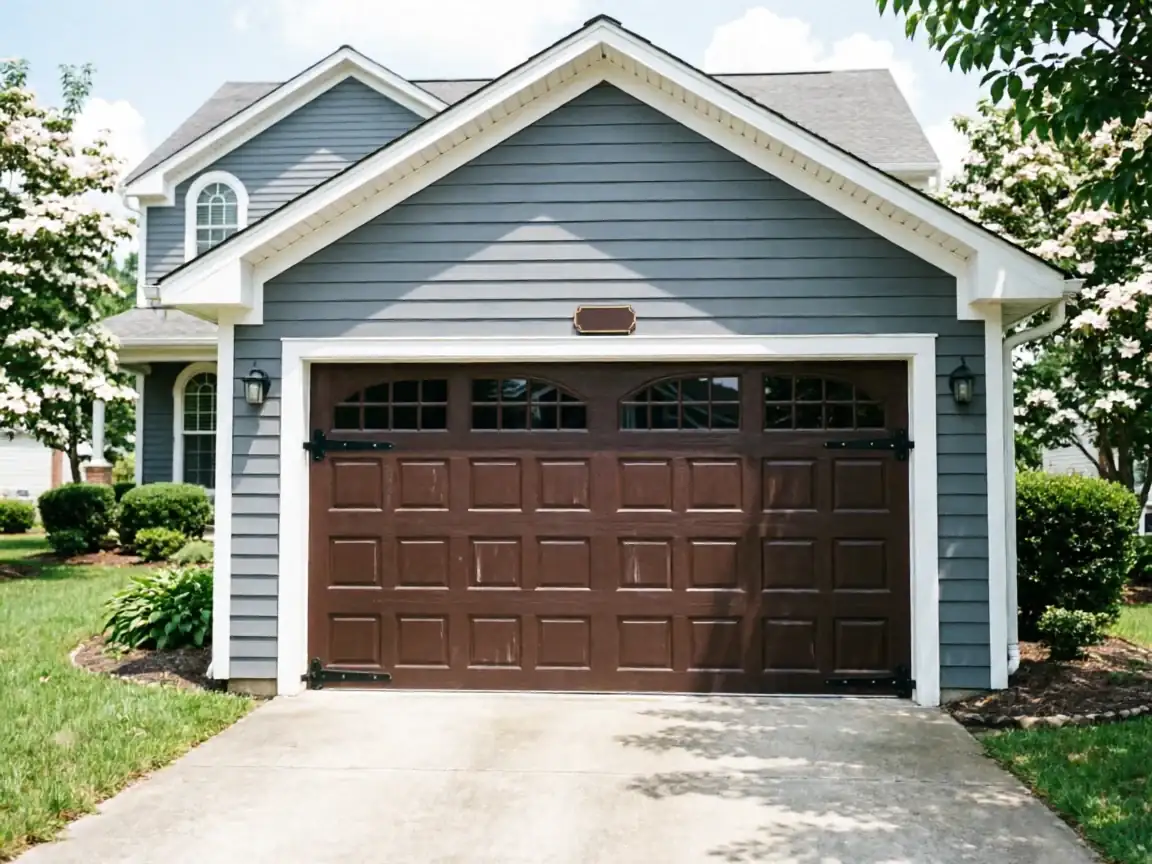
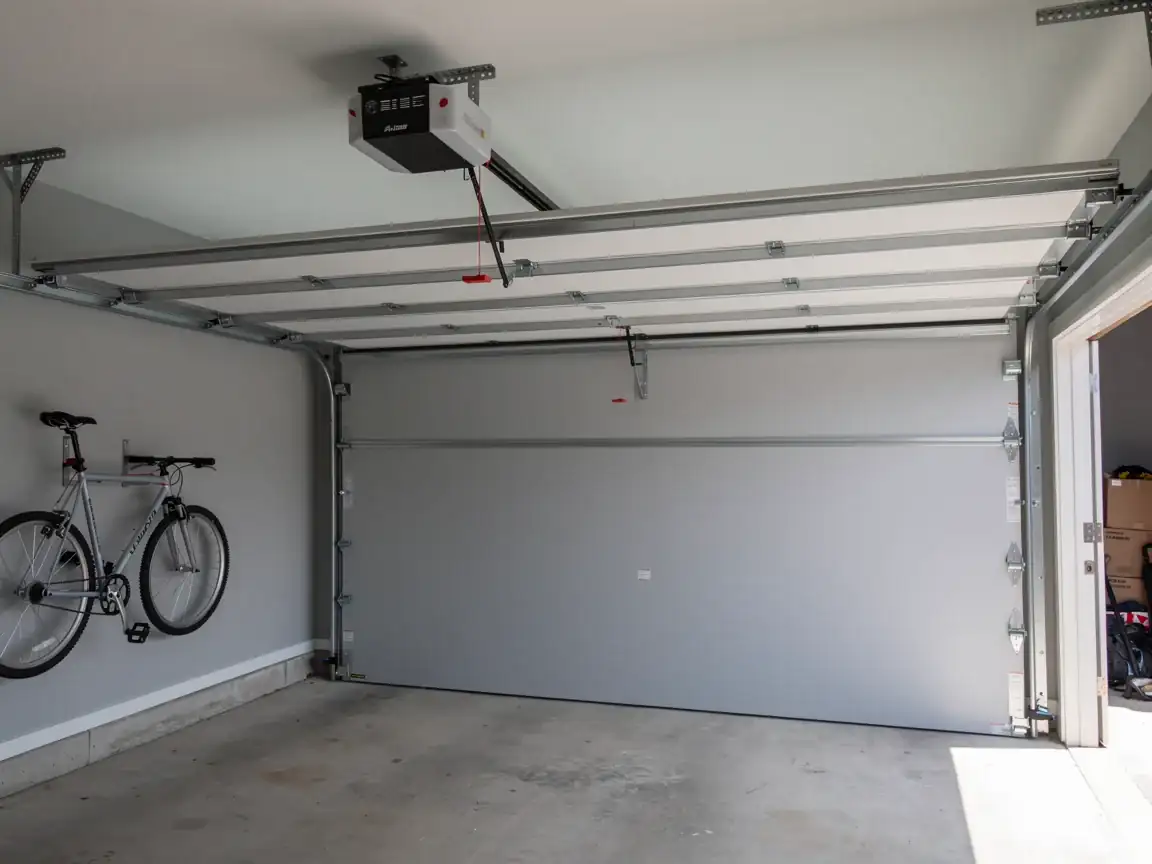
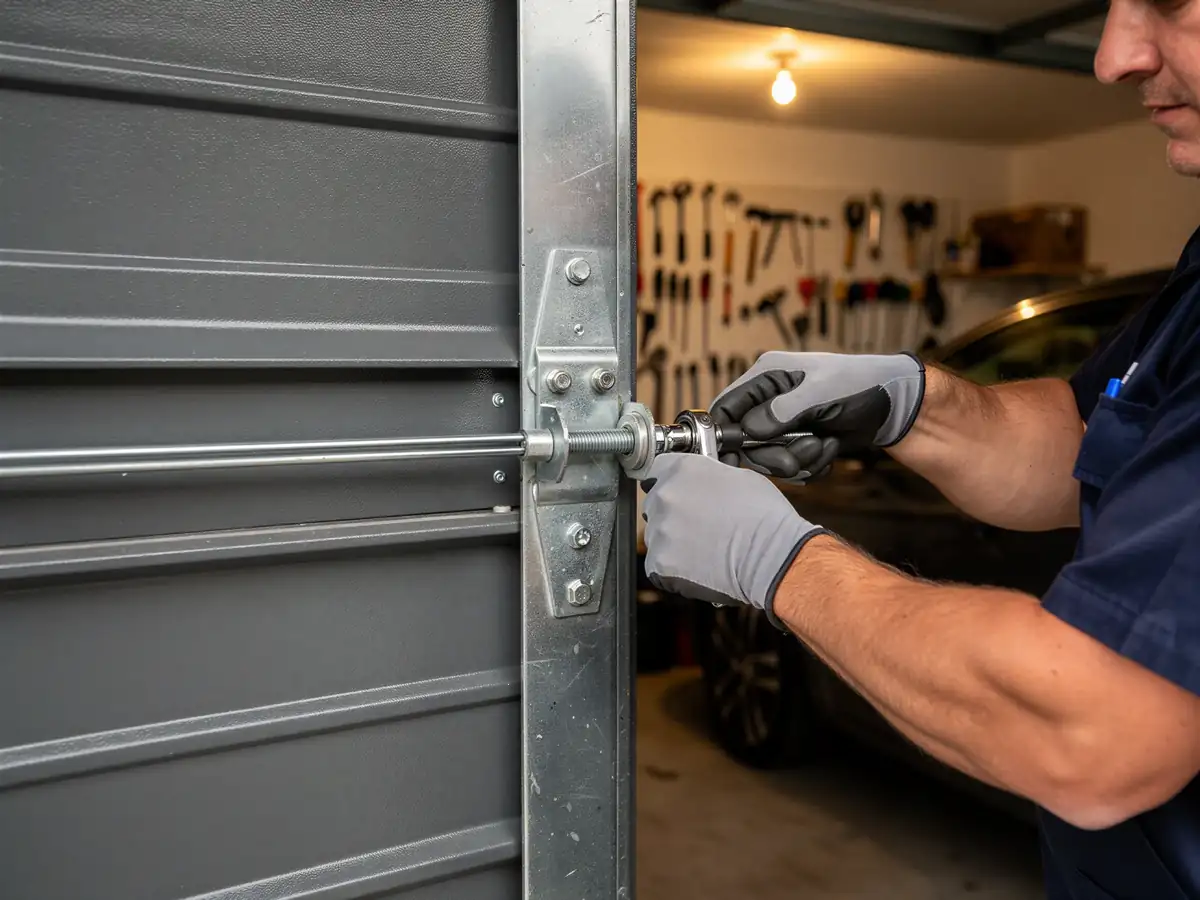
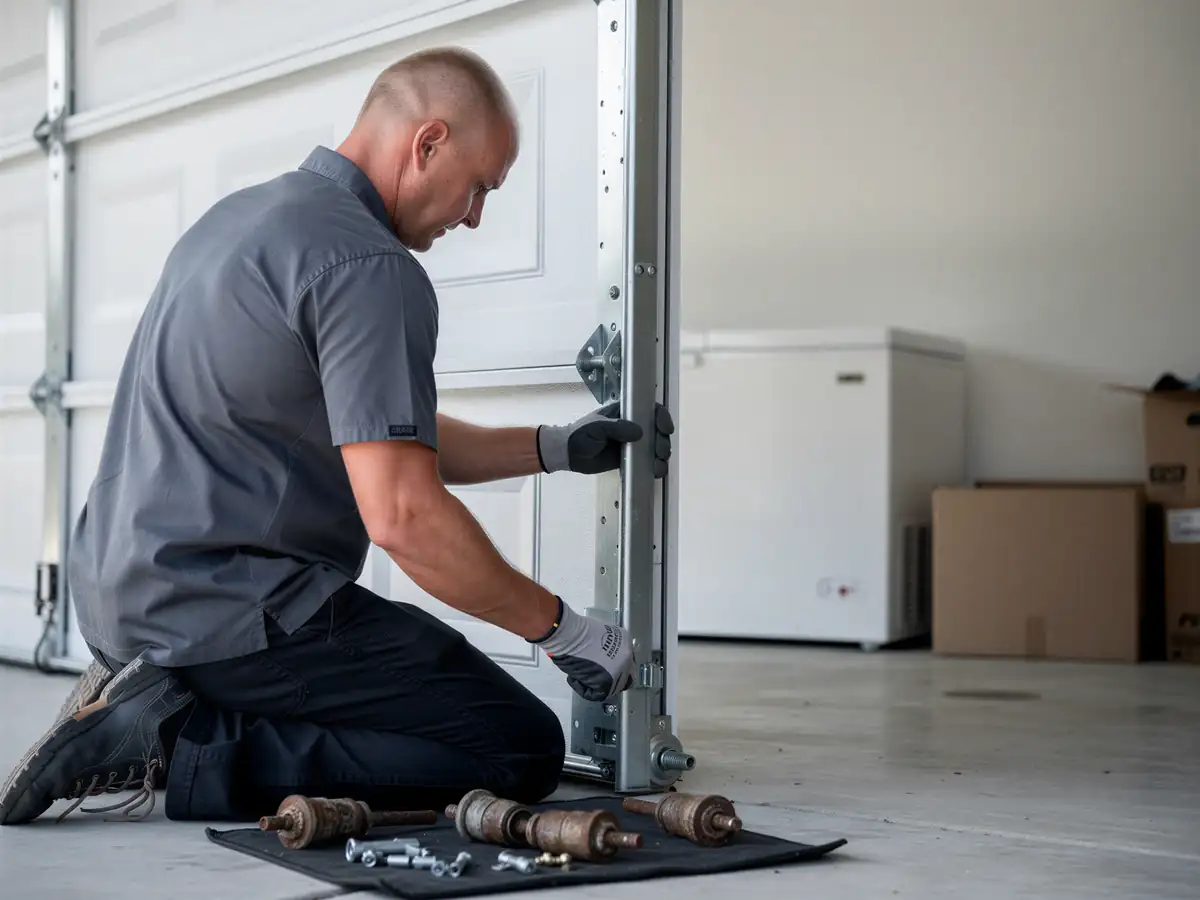
Blue Ridge is small - 1,179 households total - so we don't run a depot out here. We load the truck in Roanoke before the 10-mile drive out, which means the rollers, hinges, and track sections that go on it are picked to match what's actually on the ground in Blue Ridge, not a generic assortment. With the median home here built around 1977, most doors are steel sectional units on standard track widths from that era, and the galvanized roller brackets and nylon rollers that fit them are common stock, not special order. Where we run into trouble is older hardware that's been welded or modified on-site over the years - a bent track bracket someone patched with a mismatched part decades ago. That can mean a second trip once we've confirmed the exact fitting in person. We'd rather tell you that up front than promise a one-visit fix we can't back up. For doors that are closer to the 2002 end of the area's housing range, the hardware tends to be newer production and more standardized, so those jobs usually close out faster.
See our full Blue Ridge service page for what else we cover out this way.
Doing It Yourself
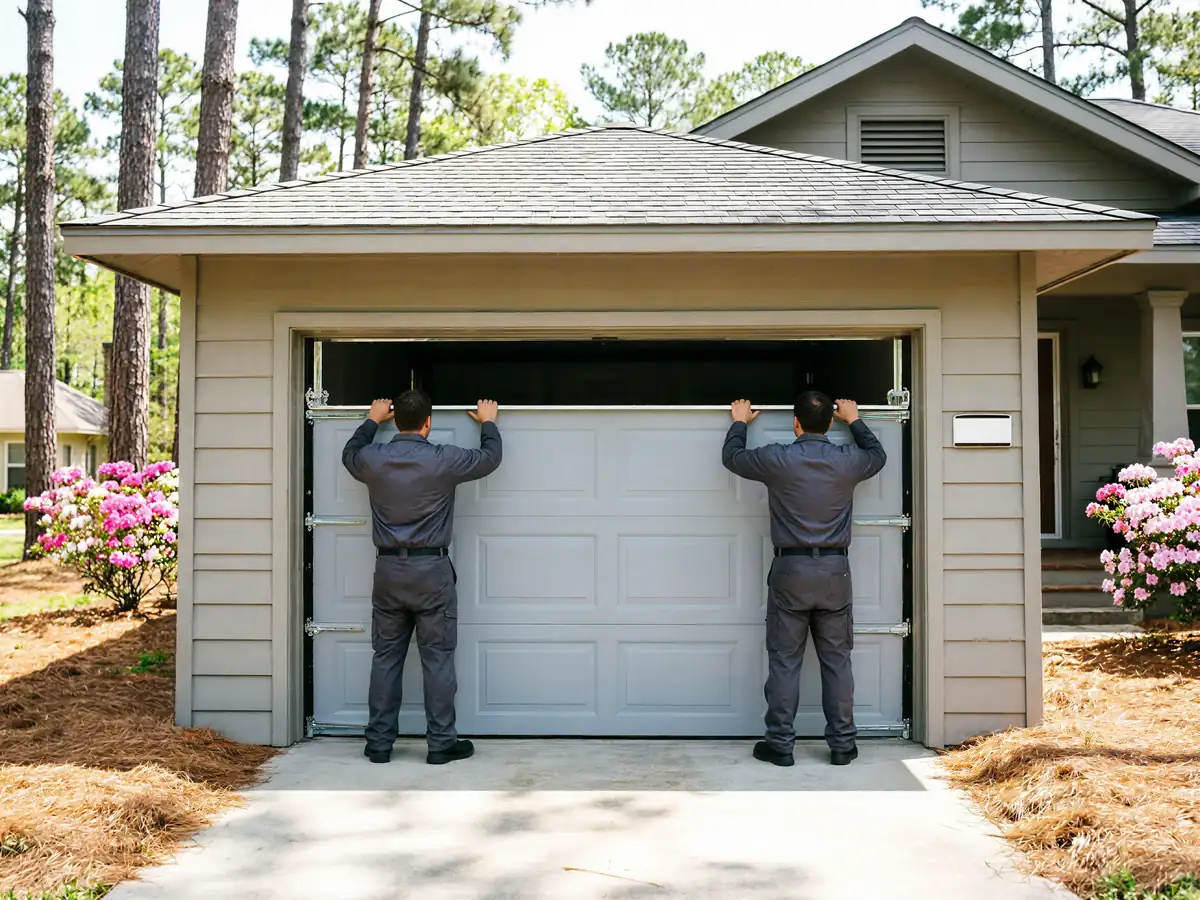
If one roller has popped out of the track and the door is sitting crooked but still closed, you can sometimes walk it back in - disconnect the opener, lift the door by hand a few inches, and see if the roller seats again. If it does and the door moves smoothly after, you're done and you saved yourself a call. If the cable has come off the drum, the bottom bracket is bent, or the door won't budge at all, stop there. A torsion spring holds enough stored tension to break fingers or worse, and a door that's off-track on one side only is usually one bad pull away from coming down off both. We're not going to tell you to attempt a spring-side repair yourself - that's not a DIY job regardless of how handy you are. The honest limit here: if you're not sure which kind of off-track you're looking at, don't force the door either way. Leave it where it sits and call. A door that's merely cosmetic-crooked costs you nothing to wait on; a door you've forced back onto a bent track usually costs more to fix afterward than it would have the first time.
What Causes It Around Here
The service area sits in a cold moderate climate band, and that matters more for off-track doors than people assume. Freeze-thaw cycling through the winter works on steel track brackets and the lag bolts holding them to the jamb - enough cycles and bolts back out a quarter turn at a time, which lets the track drift out of plumb just enough for a roller to walk off the edge. Blue Ridge's own housing sits right at the 1977 median, while the wider service area spans 1953 to 2002 - so unlike some of the surrounding towns with more mixed-era stock, a lot of doors here are the same vintage of roller and track hardware, which means they tend to fail the same way around the same age. The other common cause is simpler: a roller worn thin from decades of use loses its grip on the track wall and pops free under normal operation, no weather involved. We see both causes out here, and with 1,179 households total, it's not a high-volume call, but it's a recognizable one once you've seen the pattern a few times.
For the broader off-track service covering Roanoke and the surrounding area, see our main off-track repair page.