Stocked Parts
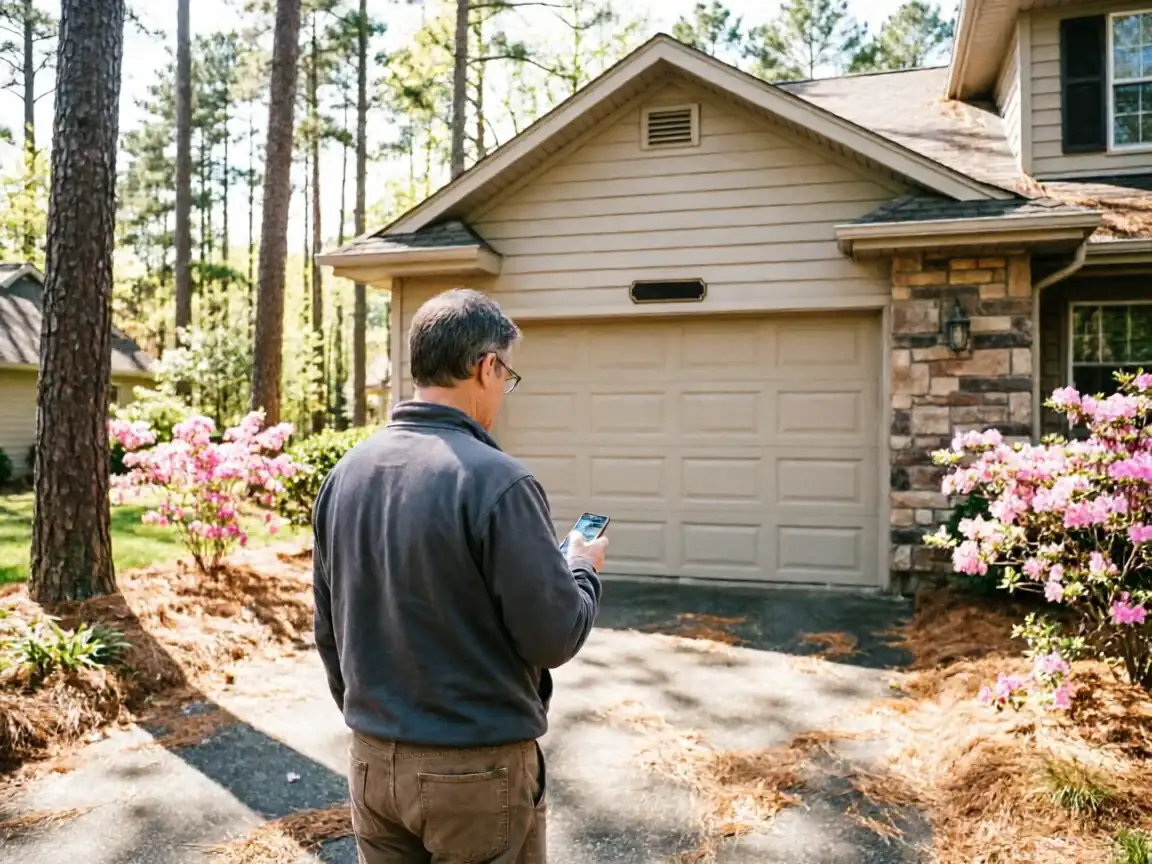
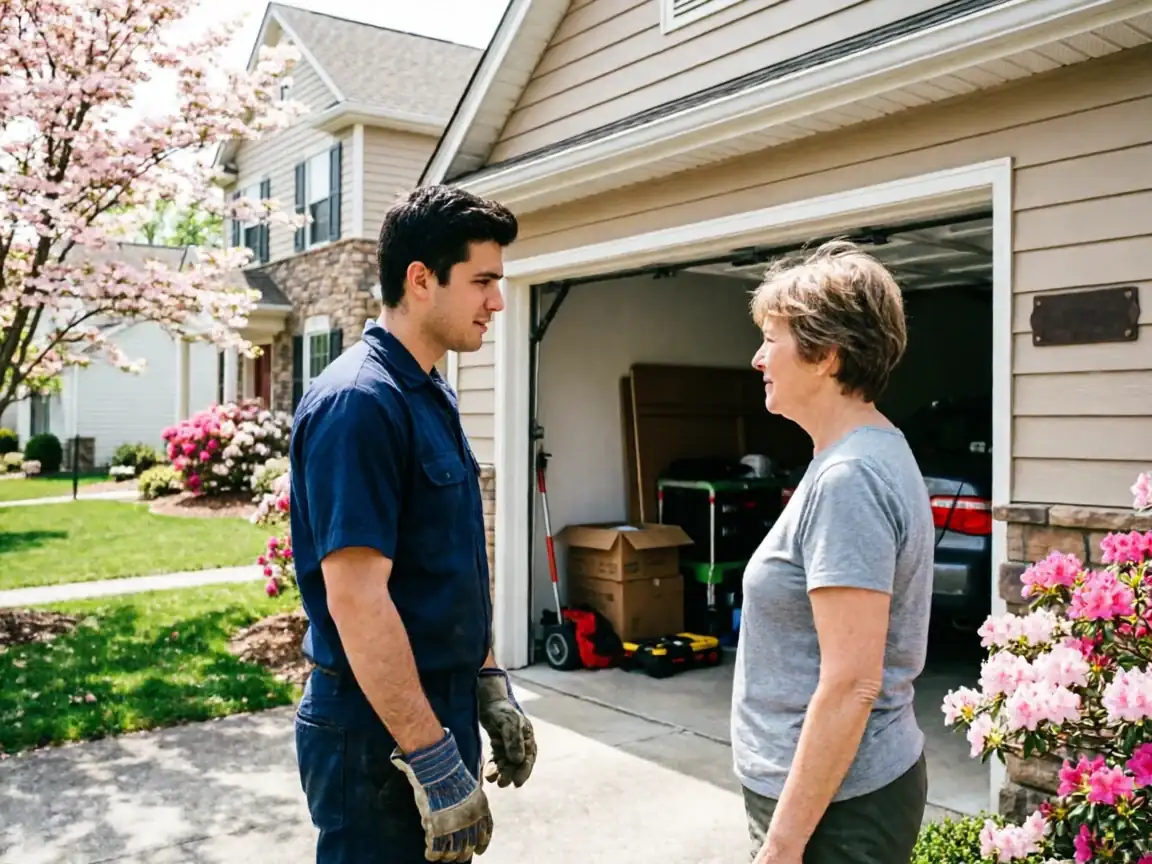
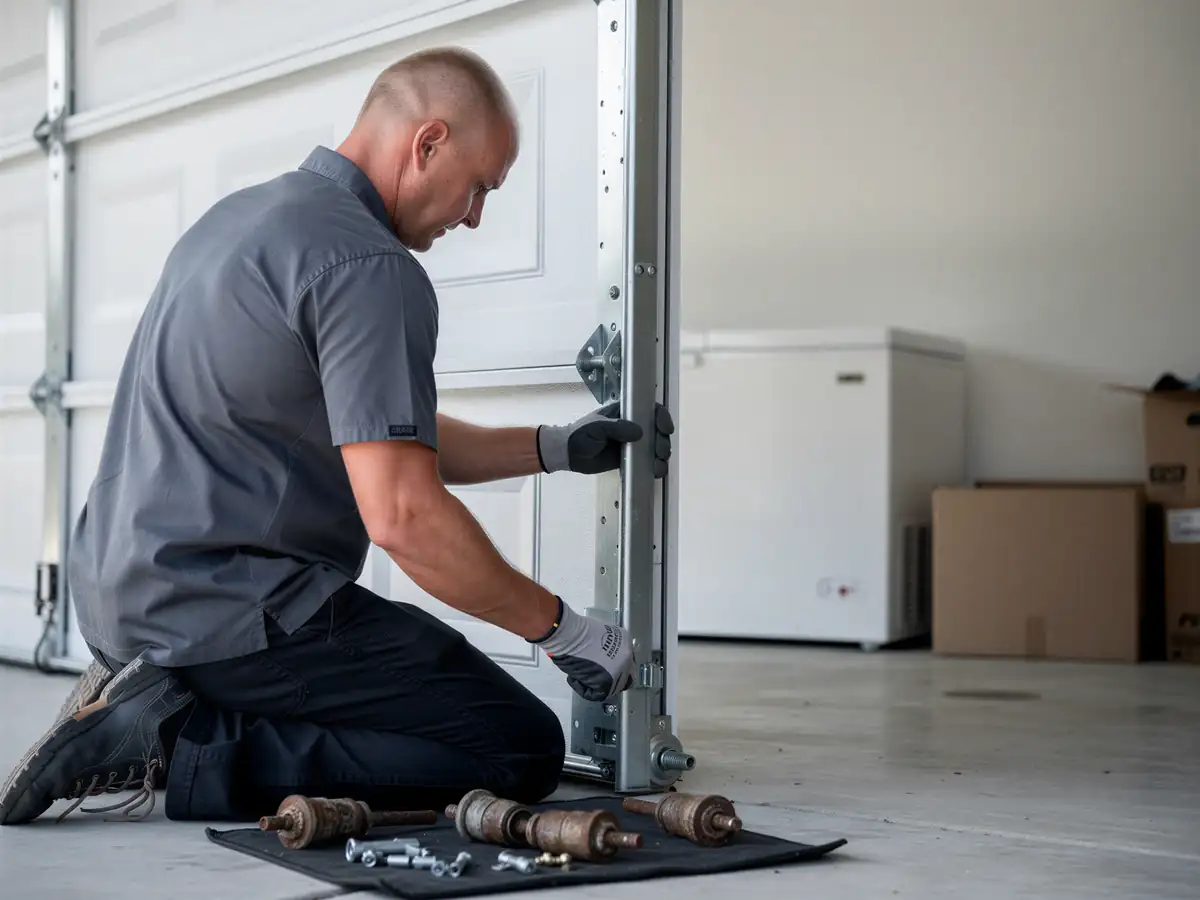
Blue Ridge sits about 10 miles out from our shop in Roanoke, which changes how a maintenance call here actually runs. We don't keep a second stock of parts out this way - everything rides out on the truck that makes the drive, so when we schedule a tune-up we load for what the house is likely to need before we leave, not after we're standing in the driveway.
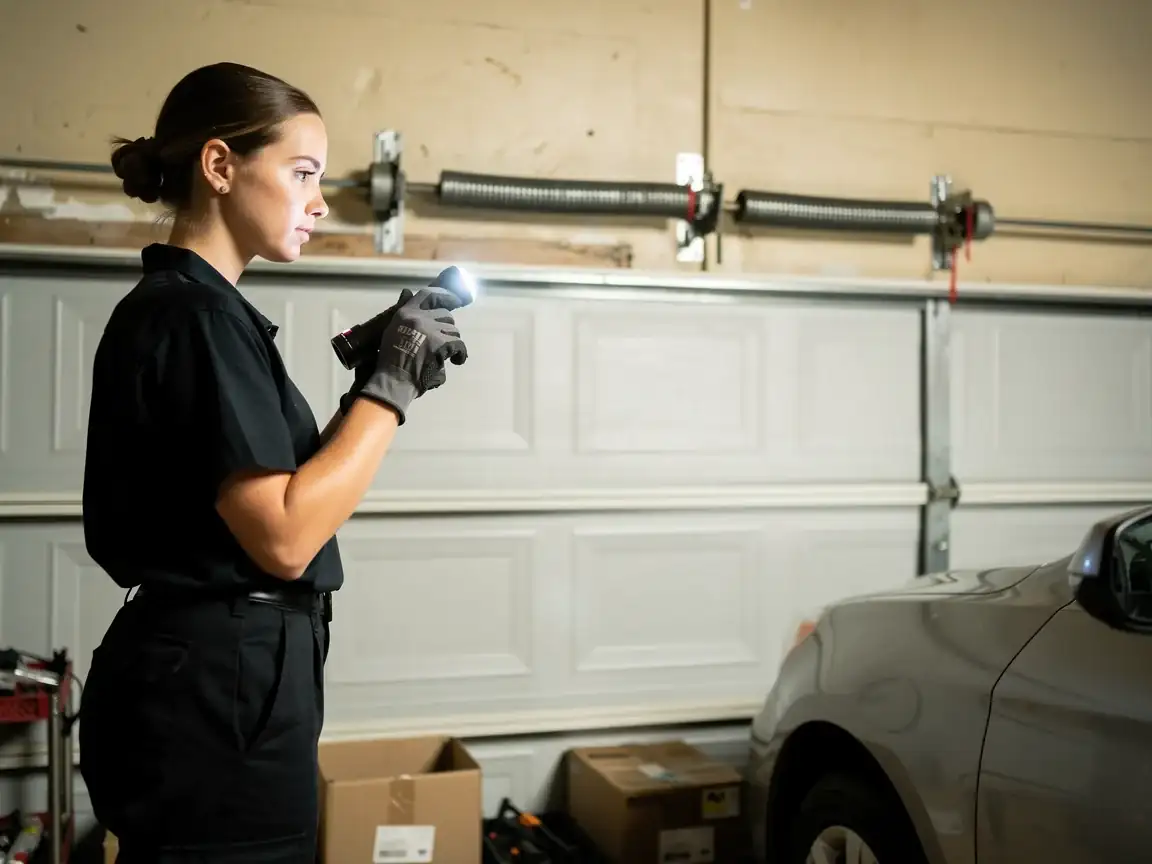
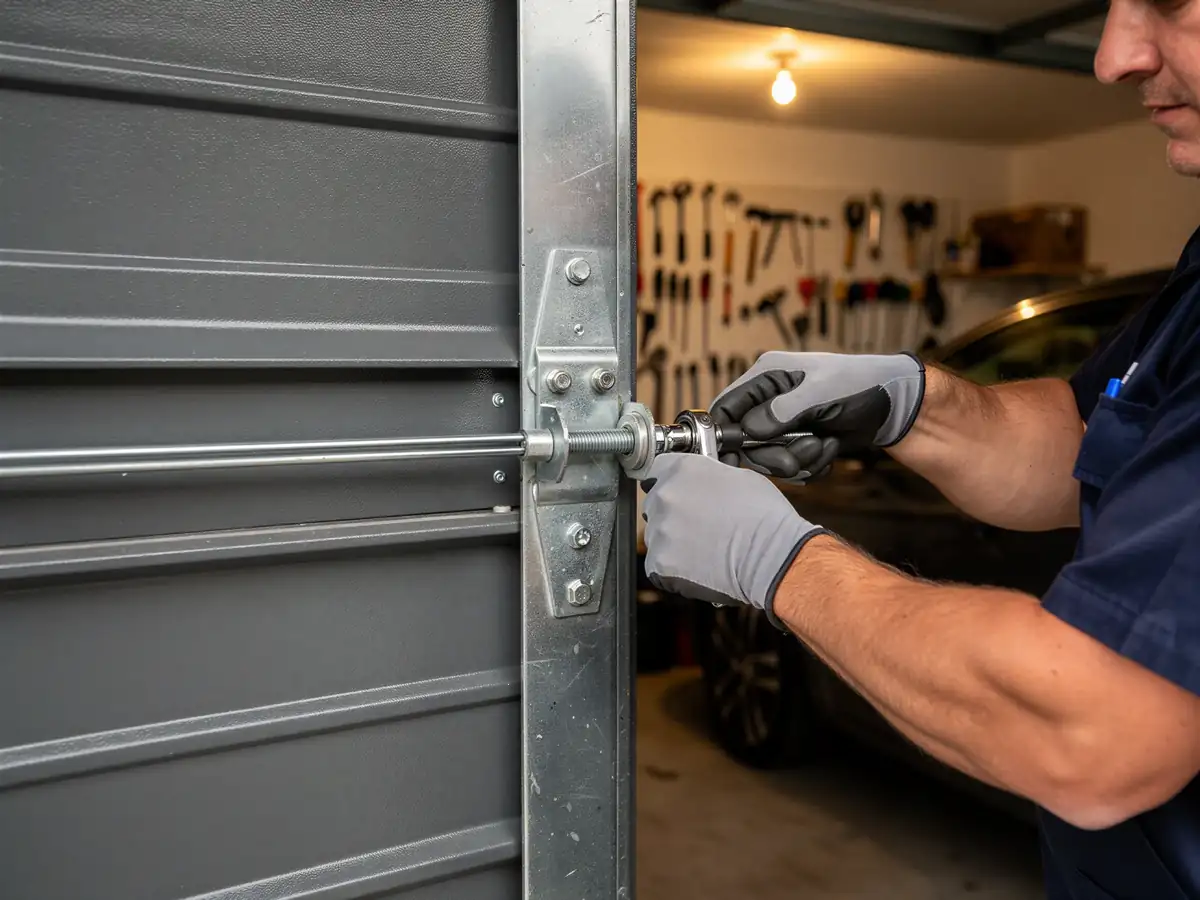
With median year built around 1977 in Blue Ridge, that means rollers worn oval, galvanized torsion springs past their wind-cycle life, and center-tapped shafts that don't match newer standard-width brackets. We stock the rollers, the cables, and the common spring sizes for that era on the truck. What we don't carry out on spec are odd track lengths or discontinued opener logic boards - those get ordered after we've actually opened the door up and measured, which can mean a second trip.
That's the one honest limit worth saying up front: a 10-mile drive doesn't shrink if we have to make it twice. Telling us the door's age and symptom when you book saves a trip more often than not.
See what we cover across the wider area if you're not sure maintenance is the right call yet.
Doing It Yourself
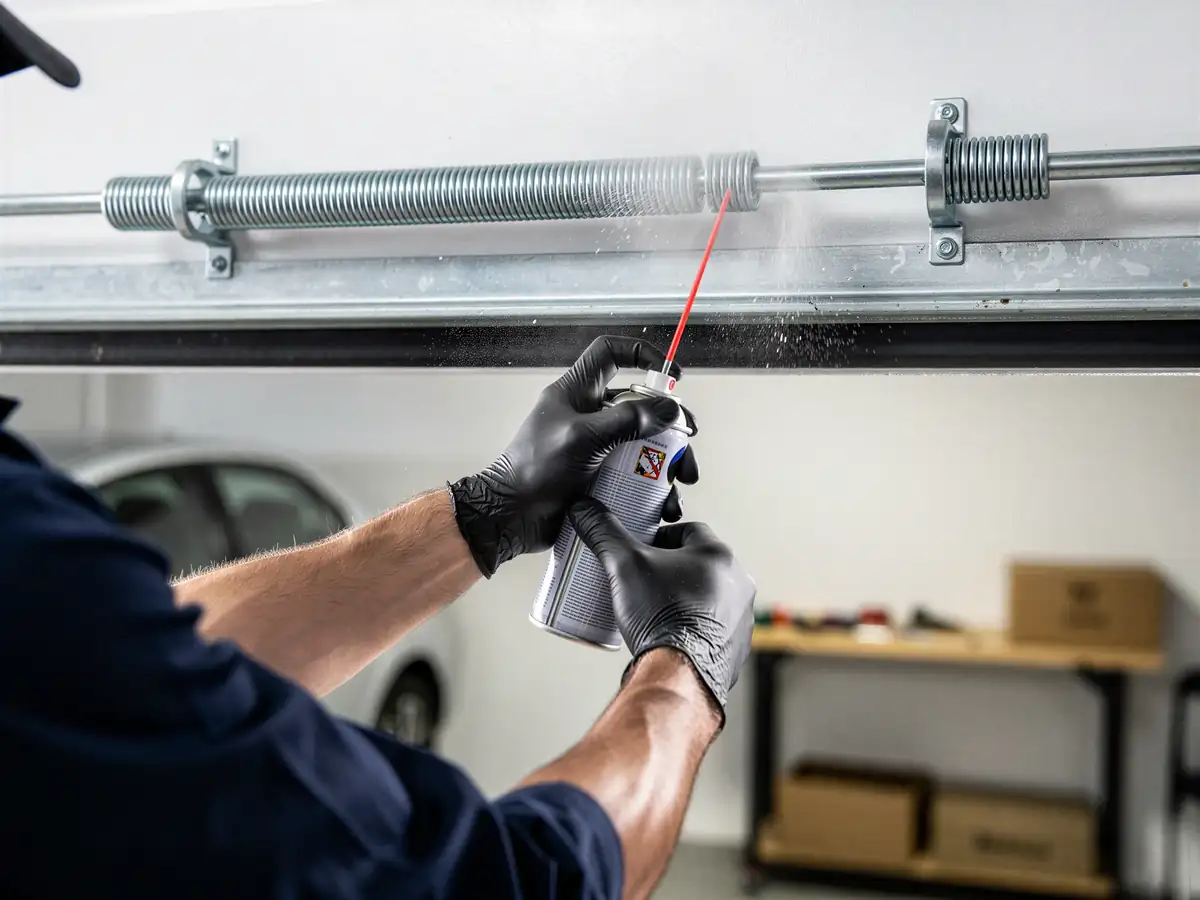
There's a real amount you can do between visits, and a real amount you shouldn't touch. Lubricating rollers and hinges with a light garage-door-specific grease, wiping down the tracks, and checking that the auto-reverse still trips when something blocks the door's path are all fine to do yourself, any week of the year.
What you shouldn't touch is the torsion spring itself. On the 1970s-era doors common in Blue Ridge, that spring is wound under enough tension to break a wrist or worse if the winding bars slip. Leave that one to a call.
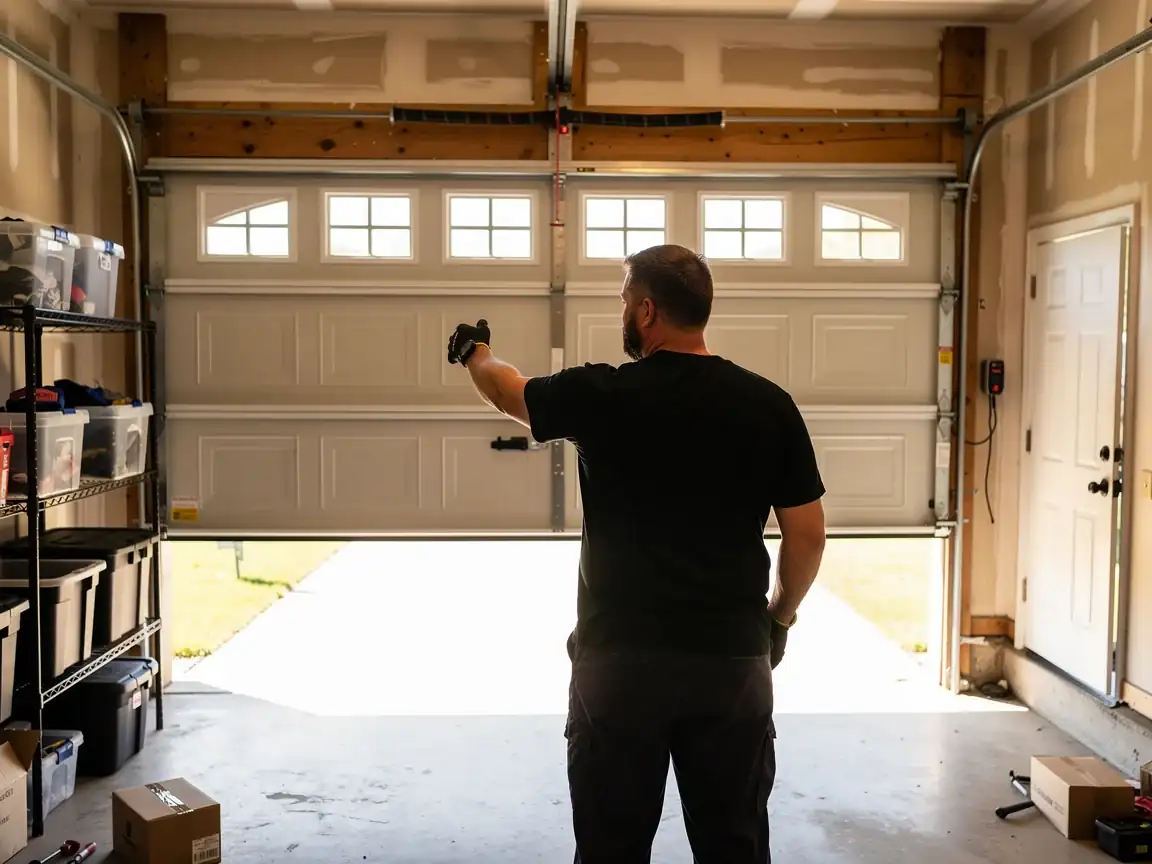
Balance is the other DIY check worth doing: disconnect the opener, lift the door by hand to waist height, and let go. It should hold there. If it drops or shoots up, the spring tension's off and that's a sign to call rather than keep adjusting it yourself. A door that's out of balance wears the opener's gears faster than almost anything else, which turns a cheap spring adjustment into a more expensive opener repair if it sits too long.
What It Costs
We don't quote maintenance pricing blind over the phone
Because what a tune-up turns into depends on what the door's doing when we get there - and with Blue Ridge's housing mostly dating to the mid-to-late 1970s, we see more spring and roller wear per visit than we would on a newer door. That's not a cost figure, just what tends to drive the bill up or down once we're looking at the hardware.
The area's median household income, a bit above $83,000, runs higher than some of the other spots we cover
And we mention that only because it tracks with what we see: more owners here choose to pay for a full tune-up rather than patch one symptom and wait. Neither approach is wrong, but a tune-up catches the wear items before they strand the door shut.
For a cost range you can actually compare against
Our Roanoke-area maintenance page carries the full pricing breakdown - the numbers there apply here too, since the service and the truck are the same.
What Causes It Around Here
With around 1,179 households in Blue Ridge, it's a small enough area that the pattern repeats house to house: doors installed close to 1977, original hardware mostly still in place, torsion springs well past the wind-cycle count they were rated for. That's the single biggest driver of emergency calls we get from this side of Roanoke - not accidents, not storm damage, just a spring that's finally done its last cycle.
The cold-moderate climate band this whole region sits in adds a second, quieter cause: grease that thickens in a cold garage doesn't let rollers turn freely, so motors strain and belts or chains stretch faster than they should. It's a slow failure, not a dramatic one, which is exactly why maintenance catches it and a once-a-year glance in the garage doesn't.
We don't see much damage here from anything sudden - no major storm pattern in the data we work from - so if your door's acting up, the age of the hardware is the first thing worth suspecting, not the weather.