What You Are Seeing
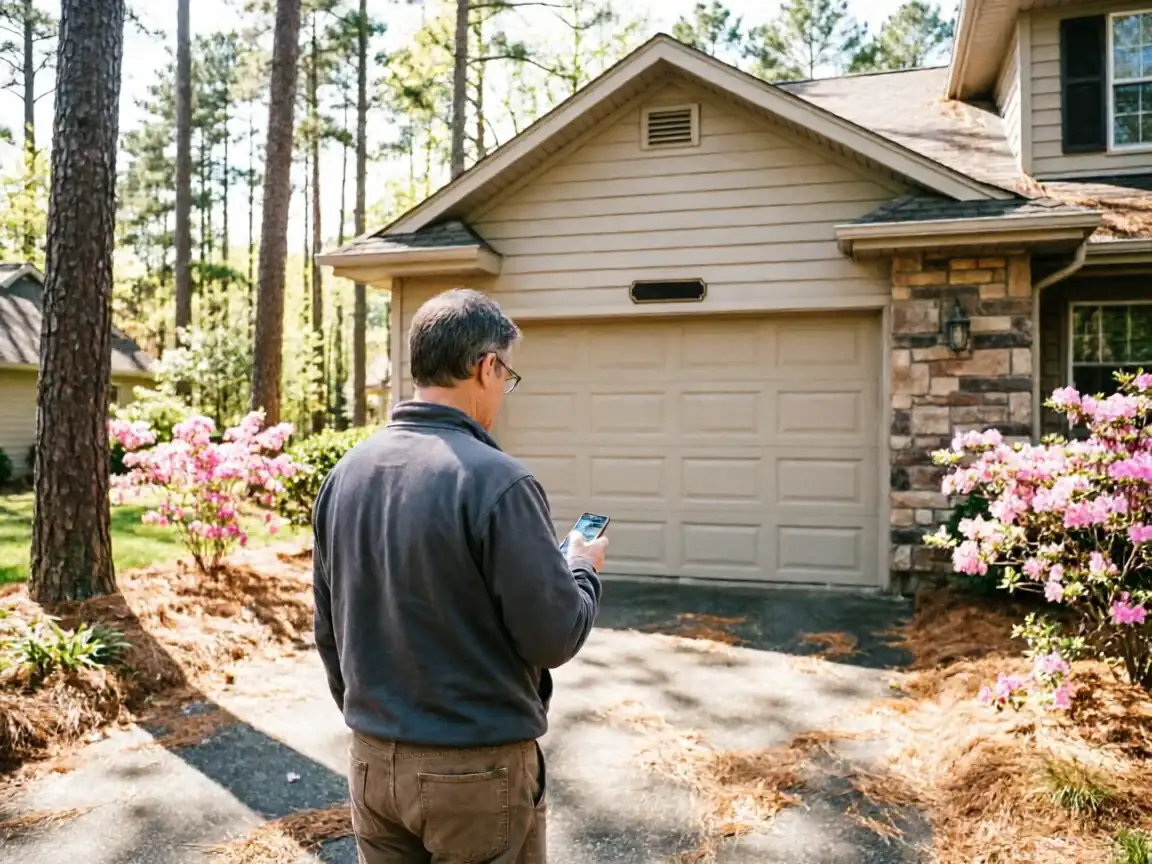
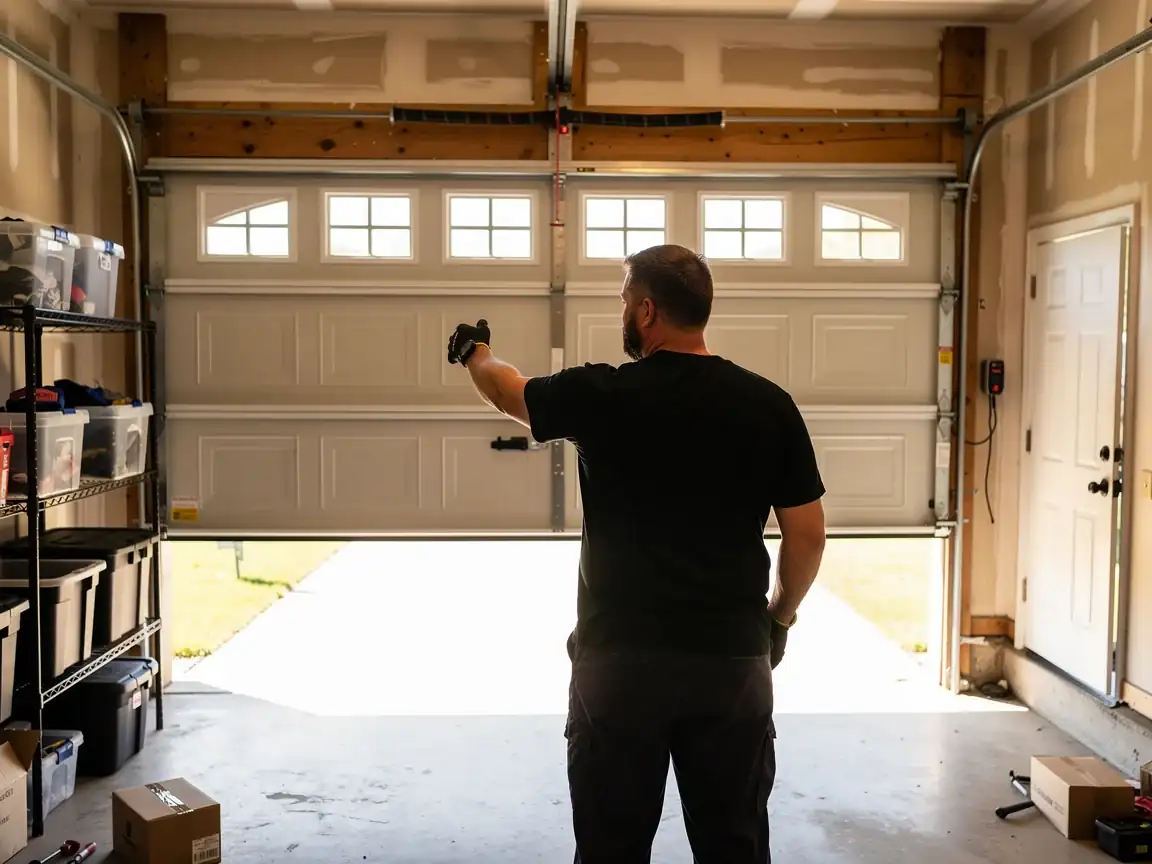
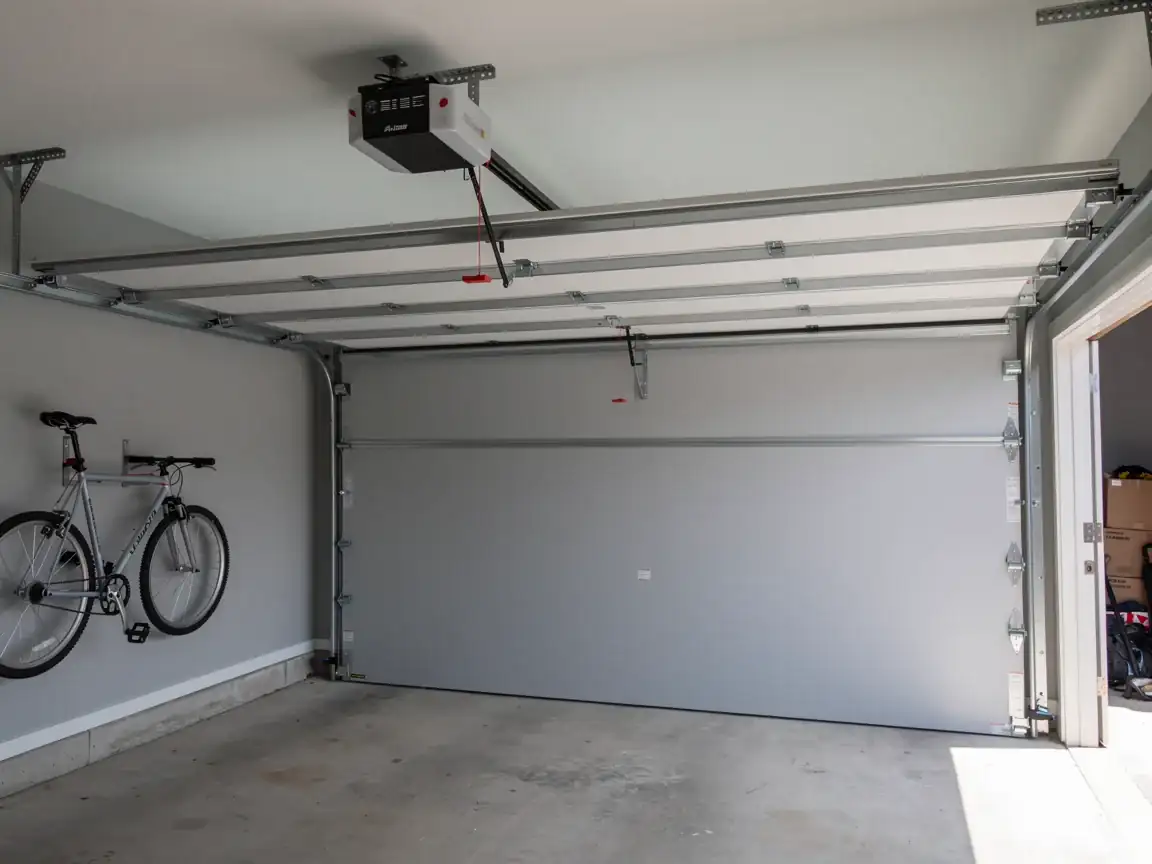
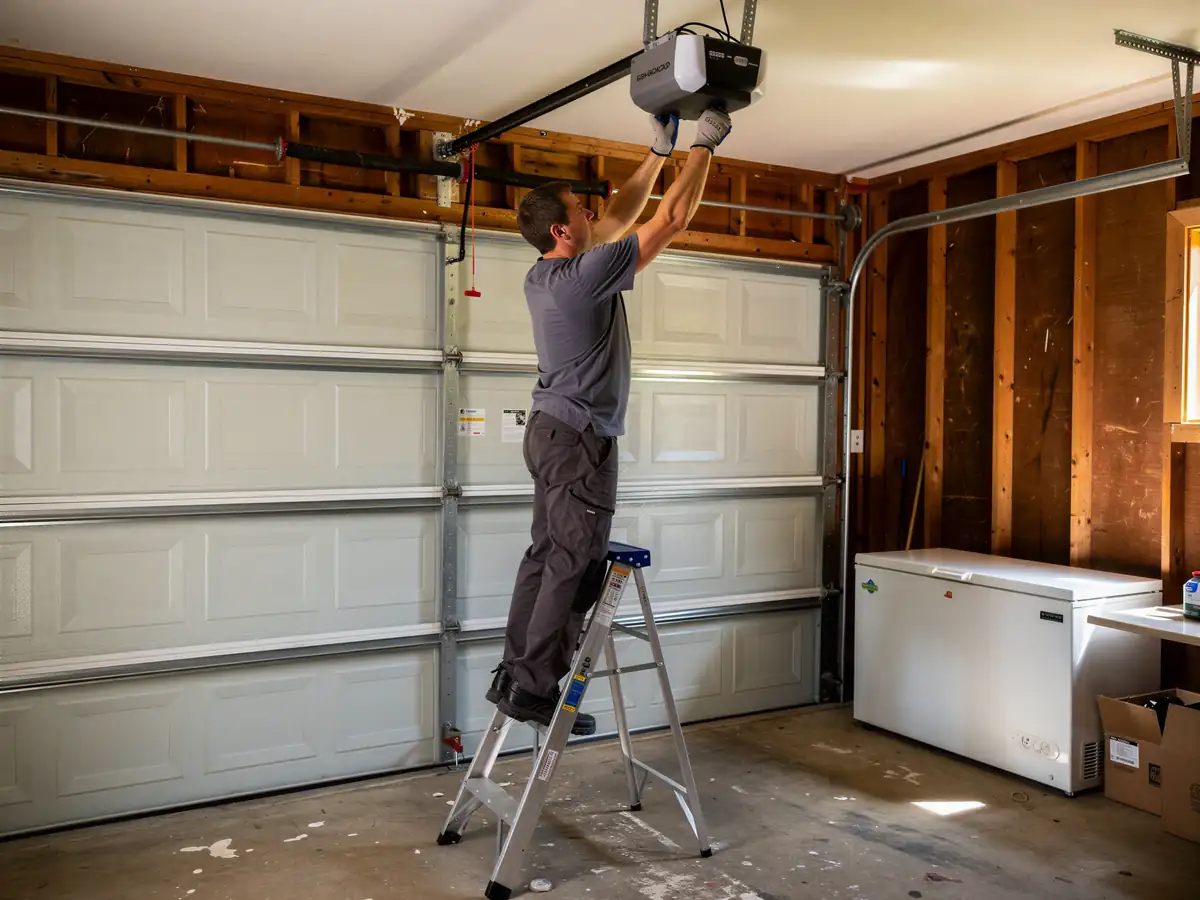
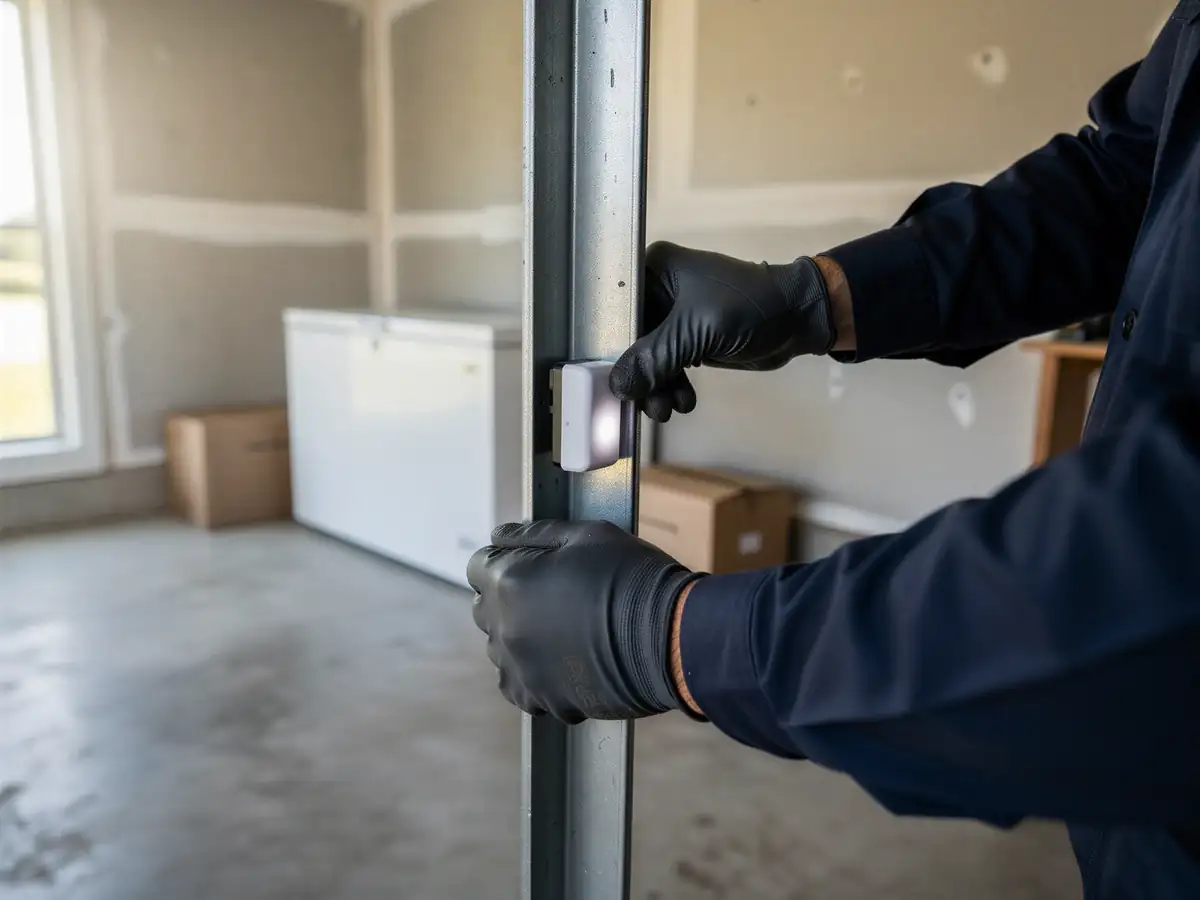
The opener runs but the door doesn't move, or it moves and reverses halfway, or you press the button and get nothing but a hum from the motor housing. Sometimes it's the remote that's stopped talking to the unit, sometimes the wall button works but the fob doesn't, sometimes the whole thing is dead silent. These are different failures with different causes - a slipping drive gear sounds different from a failed capacitor, and a safety sensor that's drifted out of alignment behaves differently than a logic board that's actually fried.
Across the Roanoke service area, a lot of these calls trace back to the age of the opener itself rather than the door. Houses here were mostly built between 1953 and 2002, with the bulk of that stock going up in the 1960s and 70s across the area's 16 named communities. A chain-drive or screw-drive opener installed with a house from that era, or even a later replacement unit now pushing fifteen to twenty years old, is well past the point where gears, capacitors, and circuit boards start going one at a time instead of all at once.
What It Costs
We're not going to put a number here that doesn't hold up once we're standing in your garage. A dead capacitor or a worn drive gear is a different job than a logic board that needs a full opener swap, and we won't know which one you've got until we've opened the housing and tested it. What we can tell you is that the fix almost always falls into one of two buckets: a part replacement on the existing unit, or a full opener replacement when the motor or board has failed outright and matching parts for an older model aren't worth chasing down.
That second bucket matters more here than in a lot of places, because of how much of the opener stock in this area is original or close to it. On a unit from the 1980s or 90s, we may not be able to get the exact board or gear kit at all - some of these models have been out of production for decades. When that happens, replacement is the honest answer, not a repair that won't hold.
What Causes It Around Here
Cold is the biggest factor we see across the service area
This region sits in a moderate-cold climate band, and that means real winter swings - the kind that stiffen grease in an old drive gear, make a nylon gear more likely to crack under load, and cause chain-drive openers to run louder and strain harder on the first cold mornings of the season. An opener that's been fine all fall can suddenly start grinding or stalling once temperatures drop, not because anything broke overnight but because the cold finally exposed wear that was already there.
The second factor is just age distribution
With most housing in the service area dating to the 1960s and 70s, a large share of the openers out there were installed as original equipment or as a first replacement decades ago. Capacitors in older motor units degrade on a timeline whether or not the opener gets used - a unit sitting in an unheated garage for thirty winters is going to show it. We see this pattern repeat across Vinton, Cave Spring, Hollins, Salem, and the rest of the communities we cover, not because the towns are different but because the housing ages the same way.
The Complications
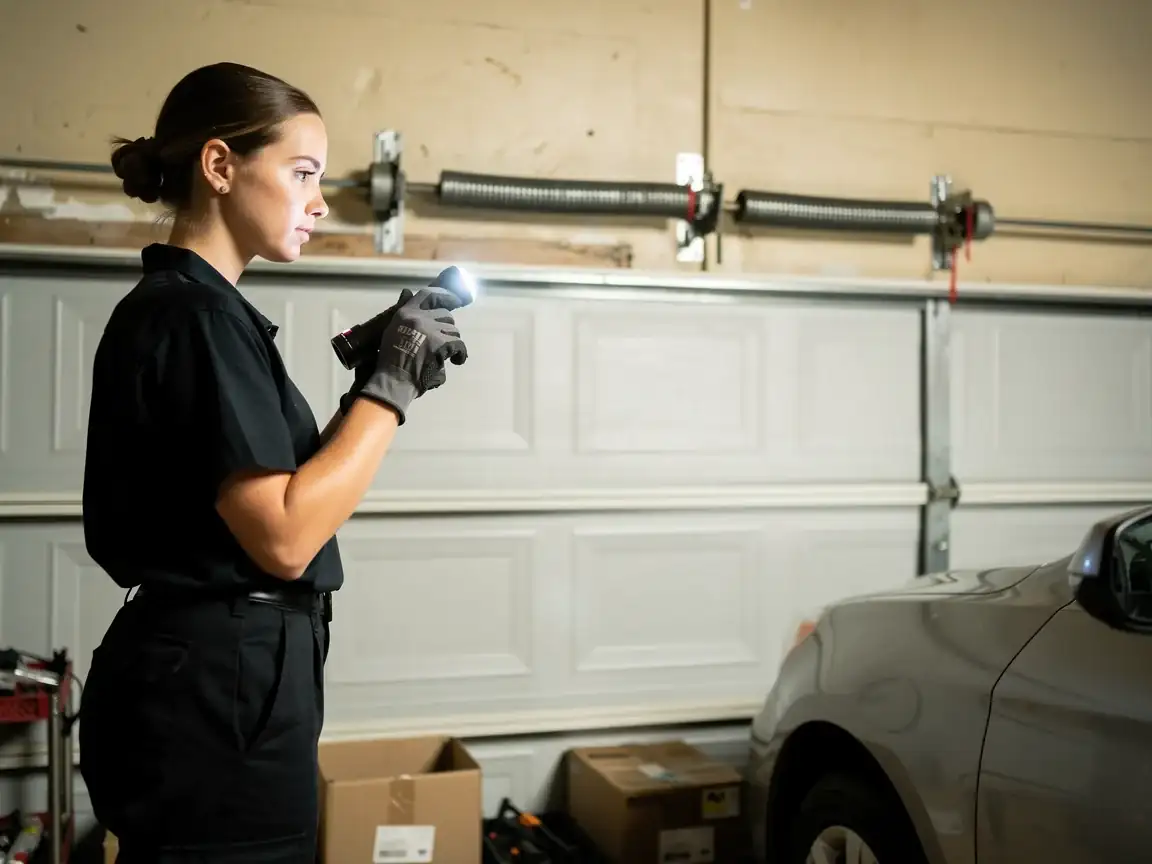
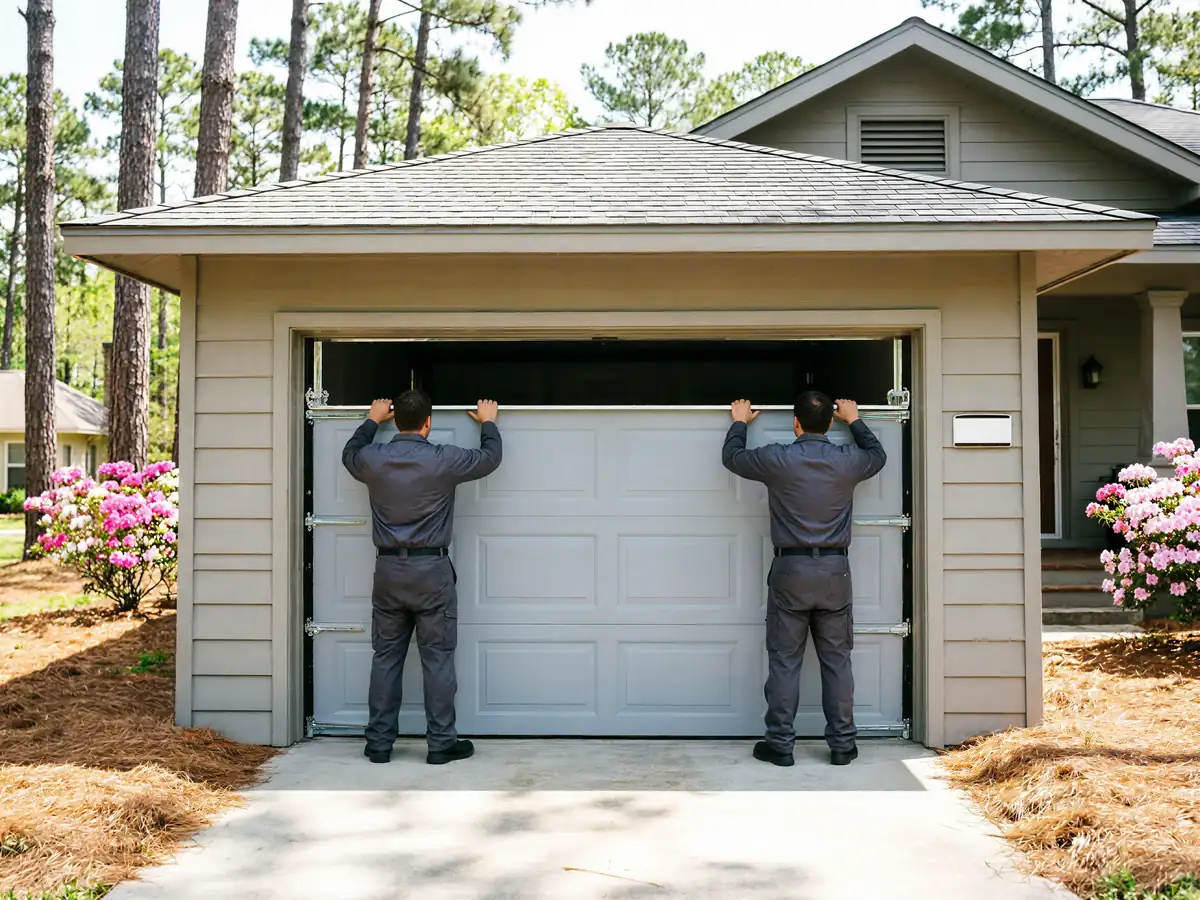
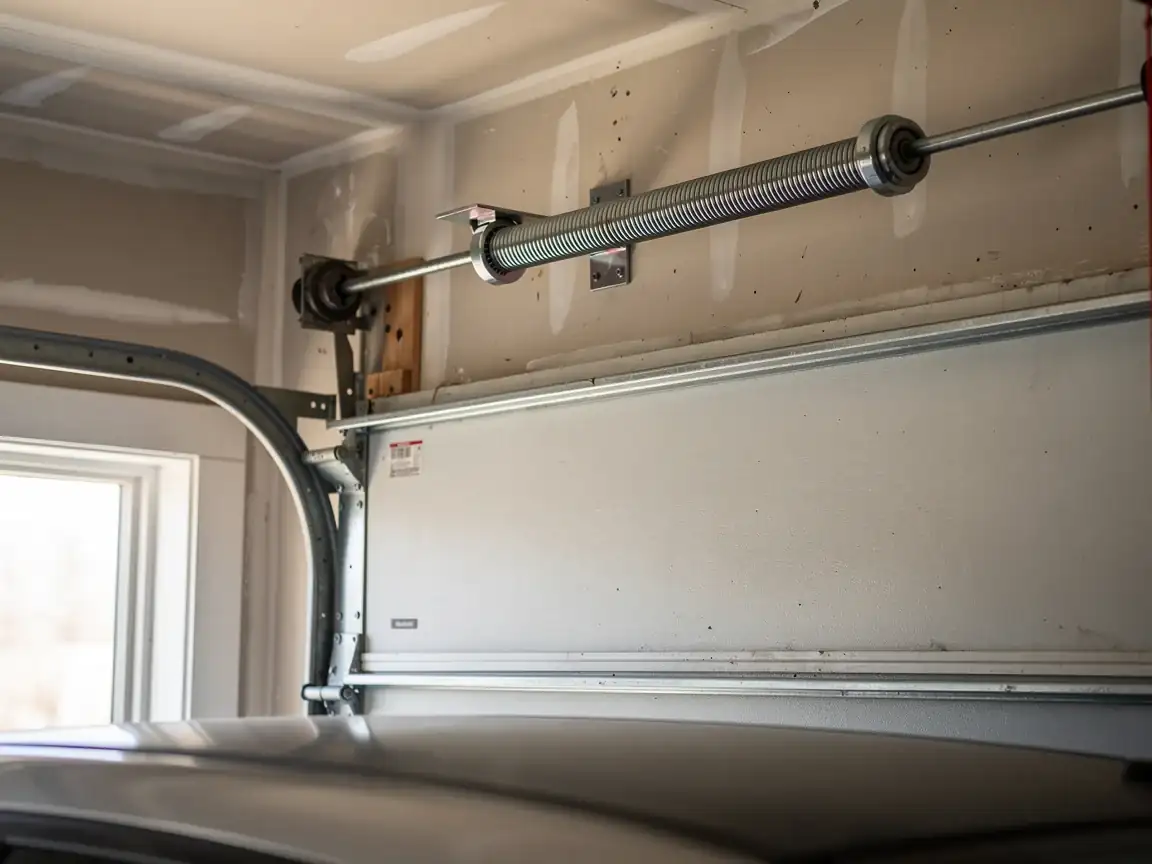
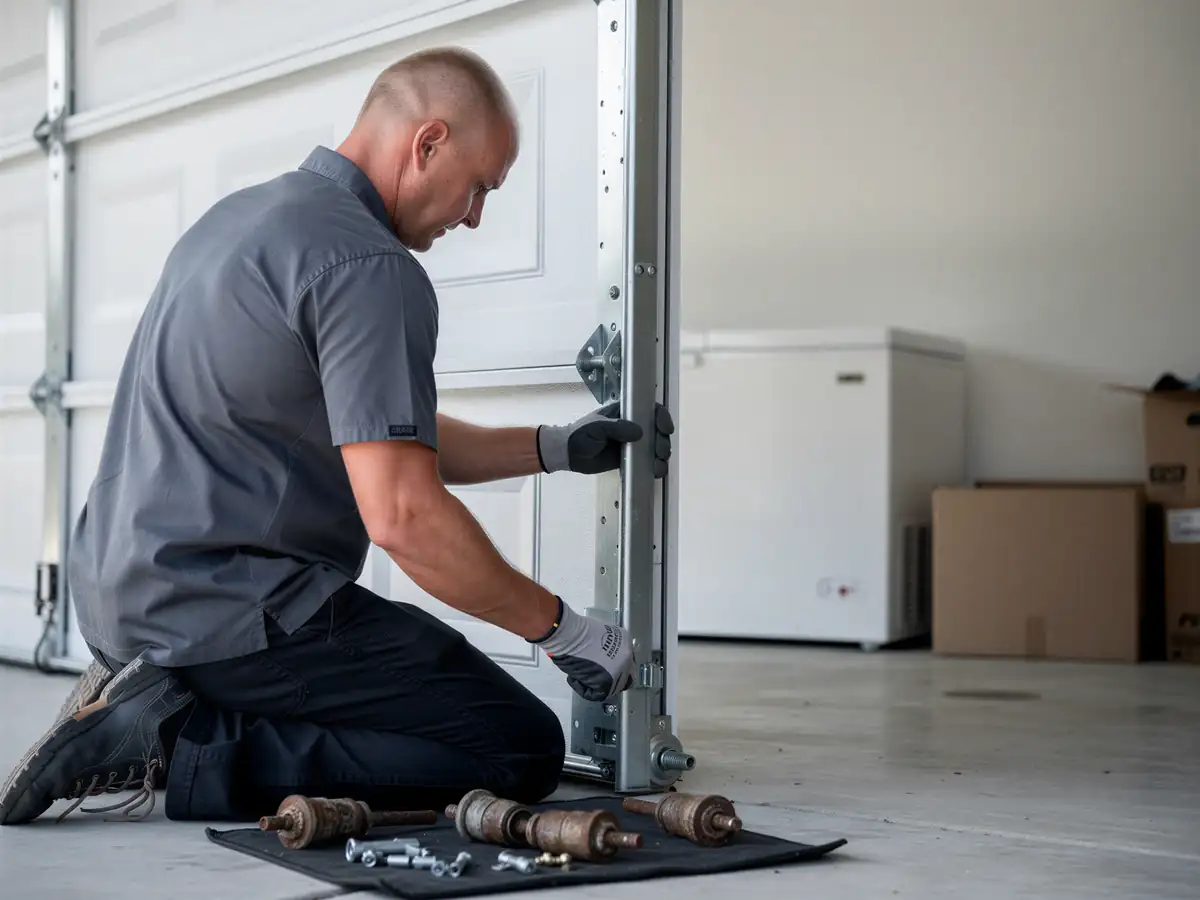
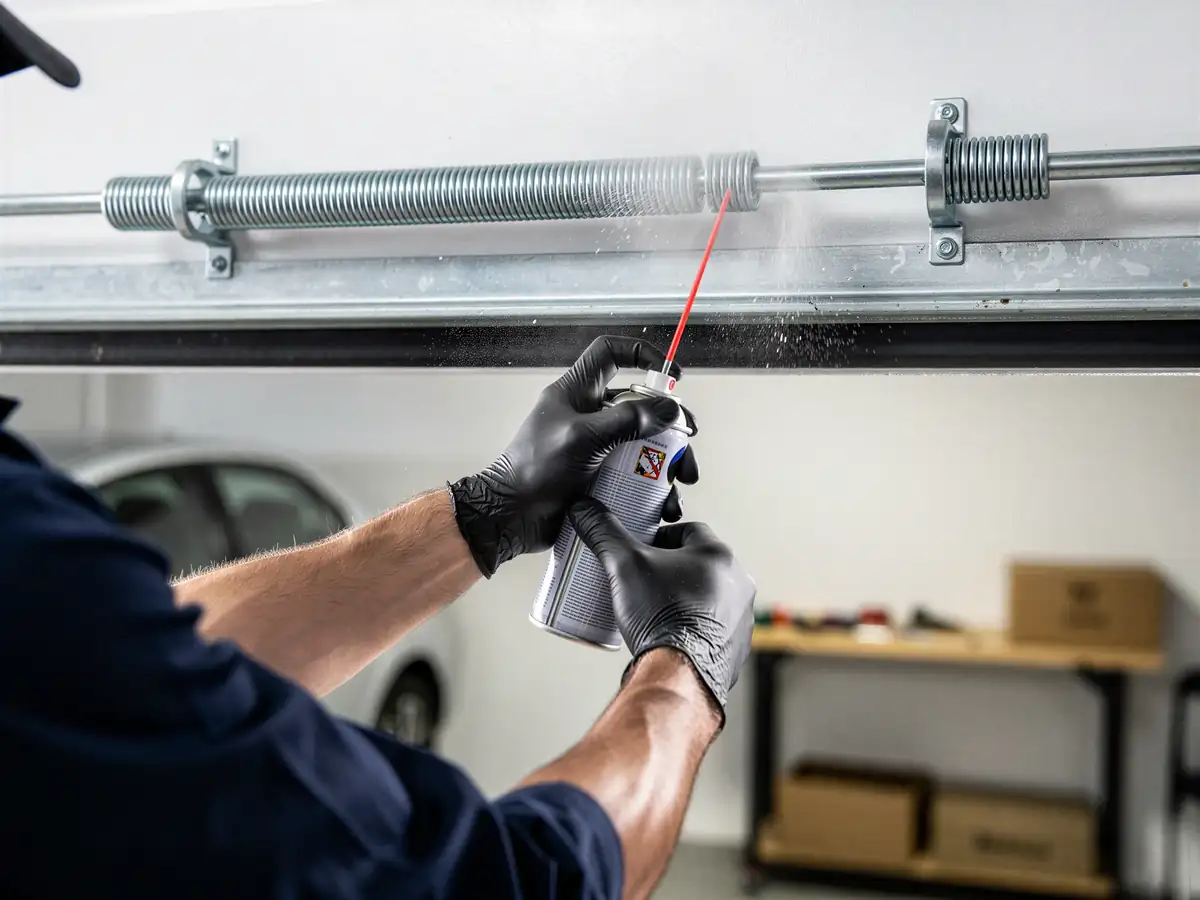
Opener trouble sometimes isn't opener trouble. A unit that strains, reverses, or stalls can be doing exactly what it's supposed to do if the door itself is out of balance - a weak spring or a bent track will make even a brand-new opener struggle, and replacing the opener in that case just gets you a new motor fighting the same bad door. We check the door's balance and track condition before we touch the opener, because swapping a motor onto a door that's the real problem means you're back at square one in a few months.
The other complication is parts availability on older units. If your opener is original to a house built decades back, we may be able to get a board or gear kit, or we may not - some manufacturers stopped stocking parts for models that old years ago. We'll tell you straight if that's the case rather than quoting a repair we can't actually deliver. Given that so much of the housing across this service area dates to the 1976 median build year, this comes up often enough that it's worth knowing going in.