The Situation
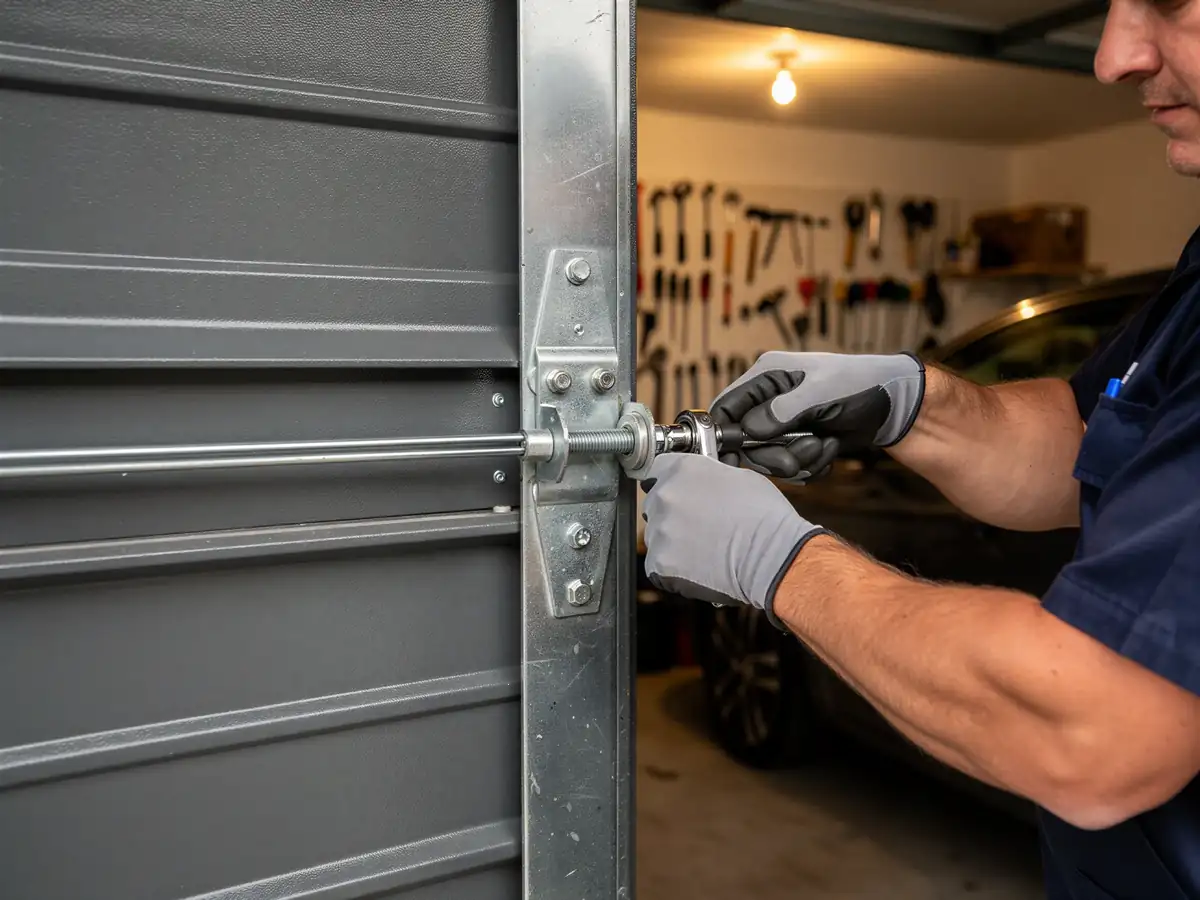
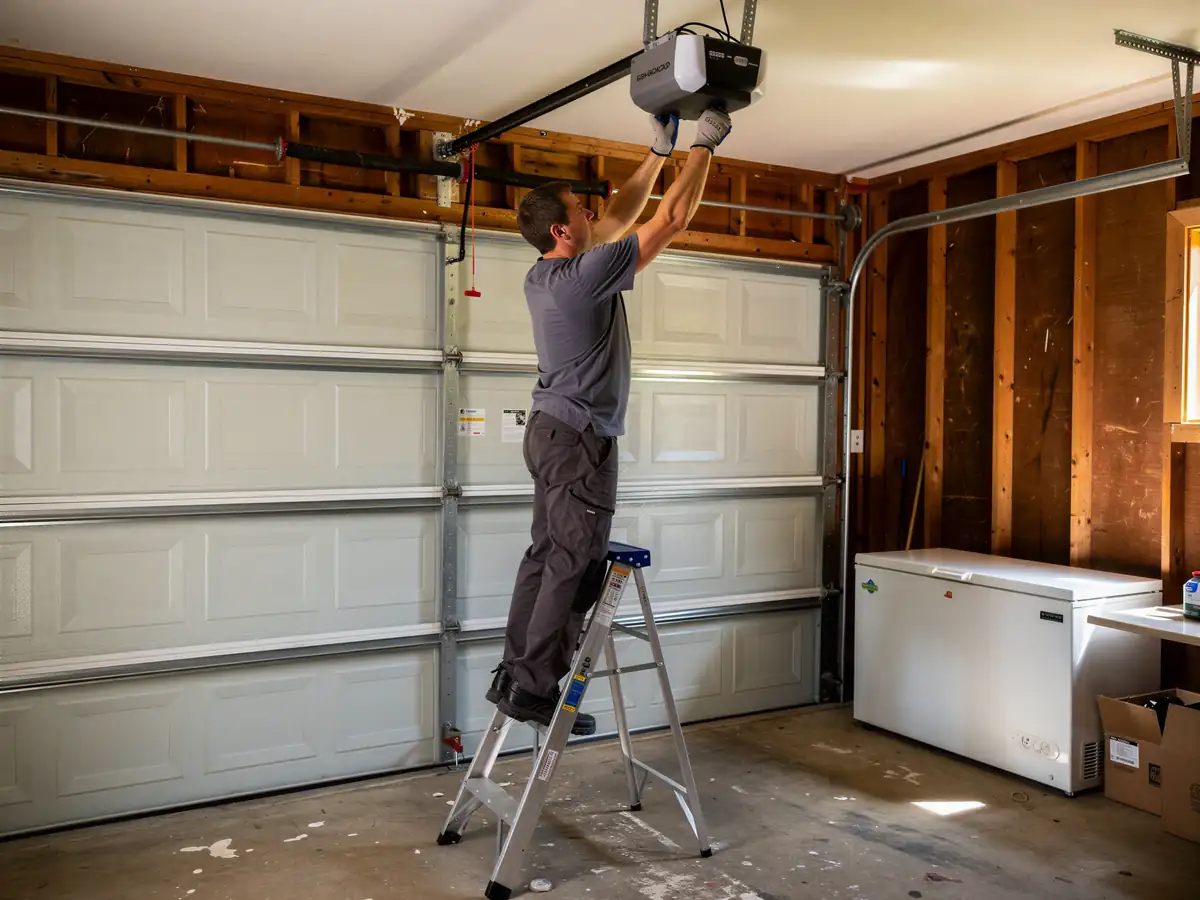
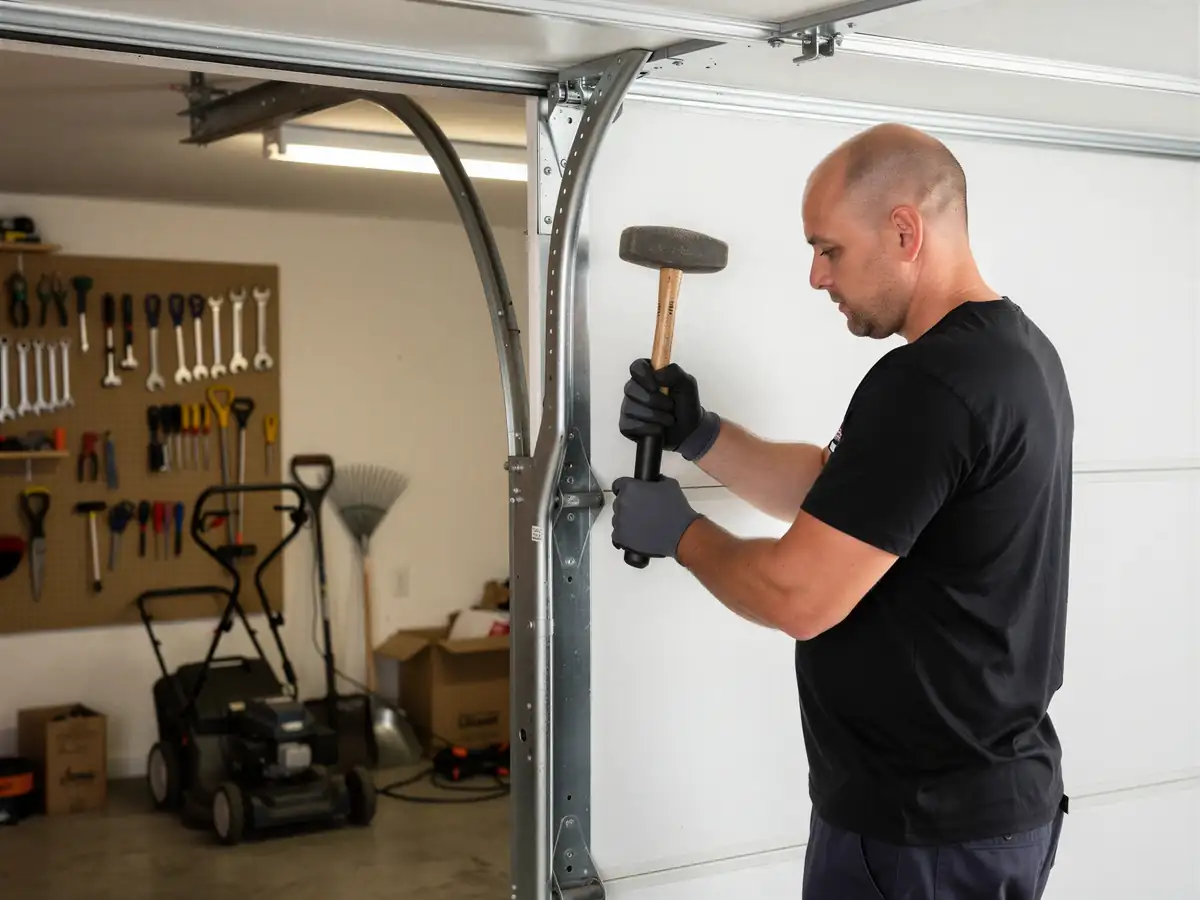
Most houses across the Roanoke area went up between 1953 and 2002, with the heaviest building years landing in the 1960s and 70s across the sixteen communities this area covers, from Vinton and Cave Spring a few miles out to Rocky Mount and Moneta further afield. That means the garage door on a huge share of these houses is original equipment, or close to it: steel torsion springs, chain or direct-drive openers from an earlier design generation, and rollers that have logged thousands of open-close cycles nobody tracked. A door that groans on the way up, clunks partway through the cycle, or bangs shut isn't making noise for no reason. Every sound has a cause, and on a house this age the cause is almost always wear, not a defect that showed up yesterday. Grinding usually means metal-on-metal where a roller bearing used to be. A loud bang on close often means a cable has slipped off a drum or a spring has lost tension unevenly. A screech on the way up points to a track that's gone dry or slightly out of alignment after decades of the house settling around it. None of that is dramatic. It's just what happens to hardware that's been doing its job since before most of the opener electronics on the market today existed.
What It Costs
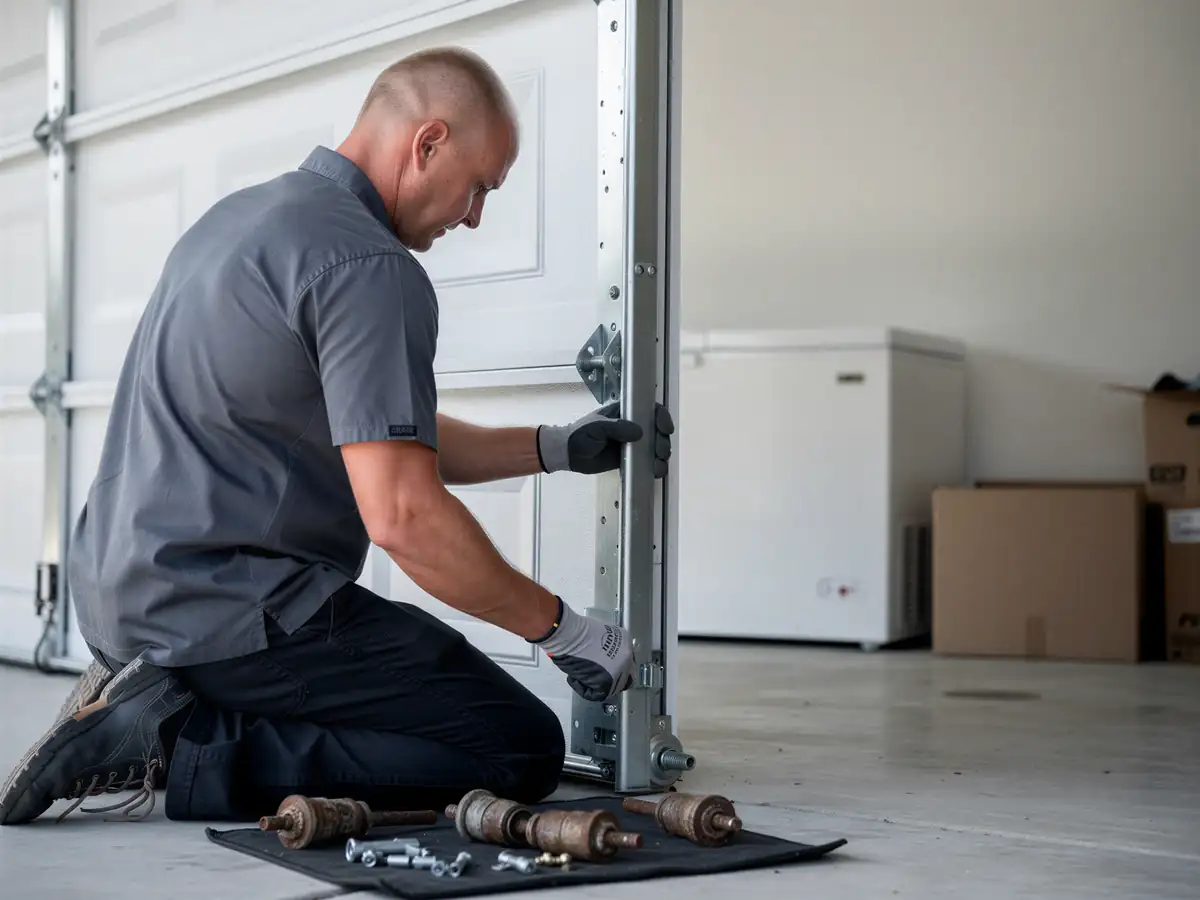
We're not going to hand you a number here that doesn't mean anything until someone's actually looked at the part. What drives cost on a door this old isn't labor, it's whether the failing part is still a standard size. Torsion springs, drums, and rollers from houses built in the 1960s and 70s are usually still common stock dimensions, so swapping a worn spring or a bad bearing is a straightforward job. What gets expensive is when the opener itself is the problem. Older chain-drive units in this area often carry mismatched replacement parts from repairs over the years, and at some point patching an opener that's outlived its design life costs more in parts and time than putting in a new one. The honest answer, which depends entirely on what's actually broken, is that a single spring or roller repair is one of the cheaper calls we make, and a full opener replacement sits at the other end, with everything else falling somewhere between. If you want a real figure, that only comes from someone listening to the door in person, because the same noise can mean a five-minute fix or a worn-out system depending on what's underneath it.
How Local Conditions Play In
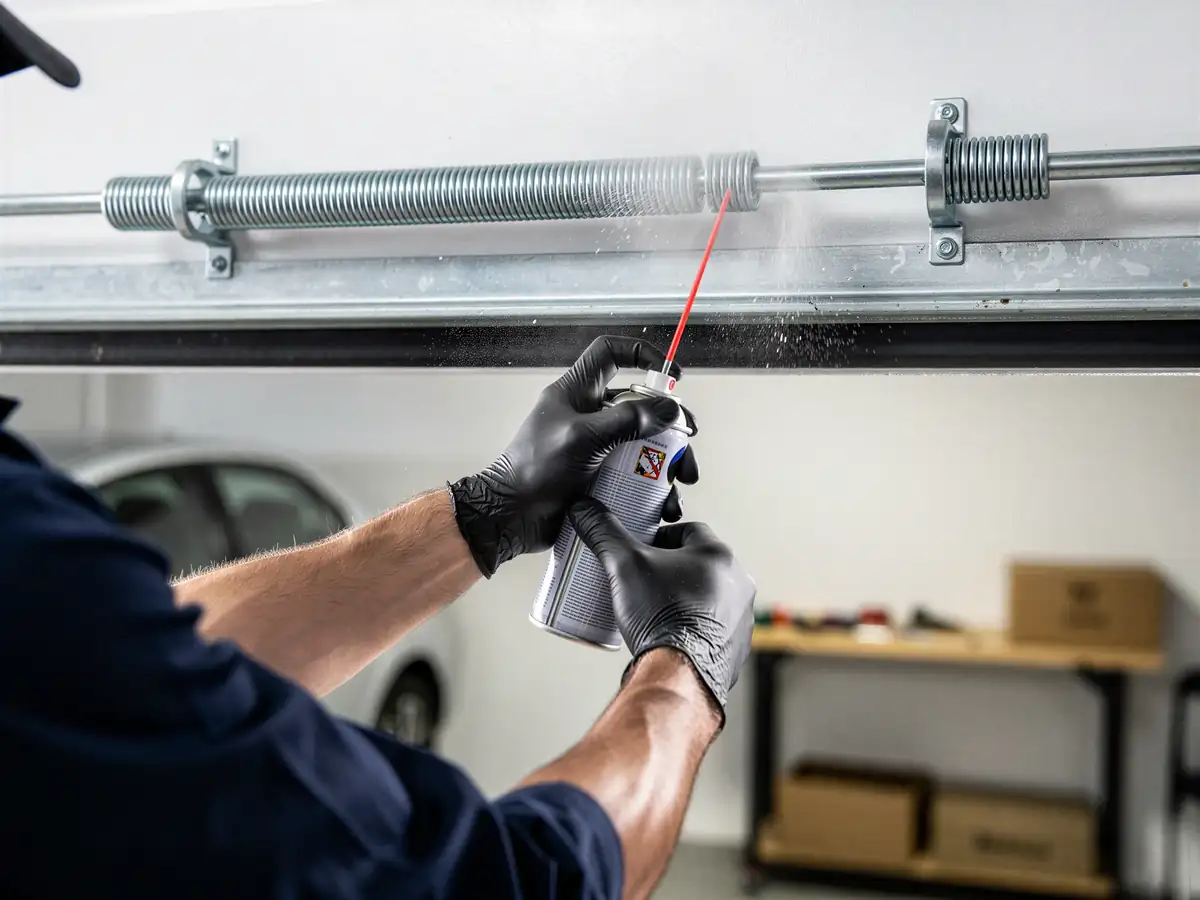
Roanoke sits in a cold, moderate climate band, and that matters more for a door this age than people expect. Grease in an old roller bearing or a torsion spring's coil stiffens up in cold months and loosens again as temperatures climb, and that expansion-contraction cycle is exactly what shakes loose a nylon roller or dries out a track that hasn't seen lubricant since the house was built. On a newer door with sealed bearings this barely registers. On a door original to a house from 1976, the median build year across this area, decades of that cycle add up. It shows up as noise before it shows up as failure, which is actually good news: a door that's started talking to you in cold weather is giving you a window to fix a cheap roller before it becomes a snapped cable or a bent track. Across the sixteen communities this area covers, the pattern holds whether a house sits four miles out in Hollins or twenty miles out in Moneta - the building years line up, and so does the way the cold works on hardware that's been sitting out there ever since.