The Situation
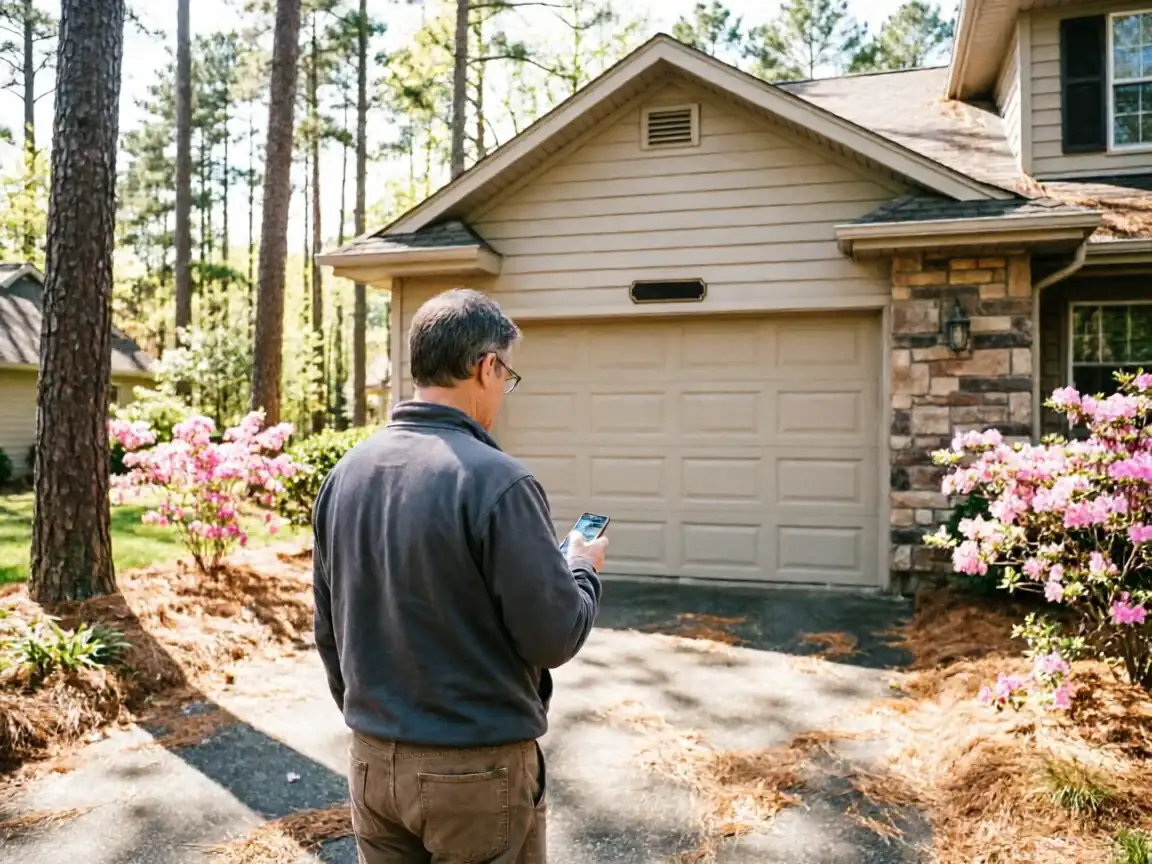
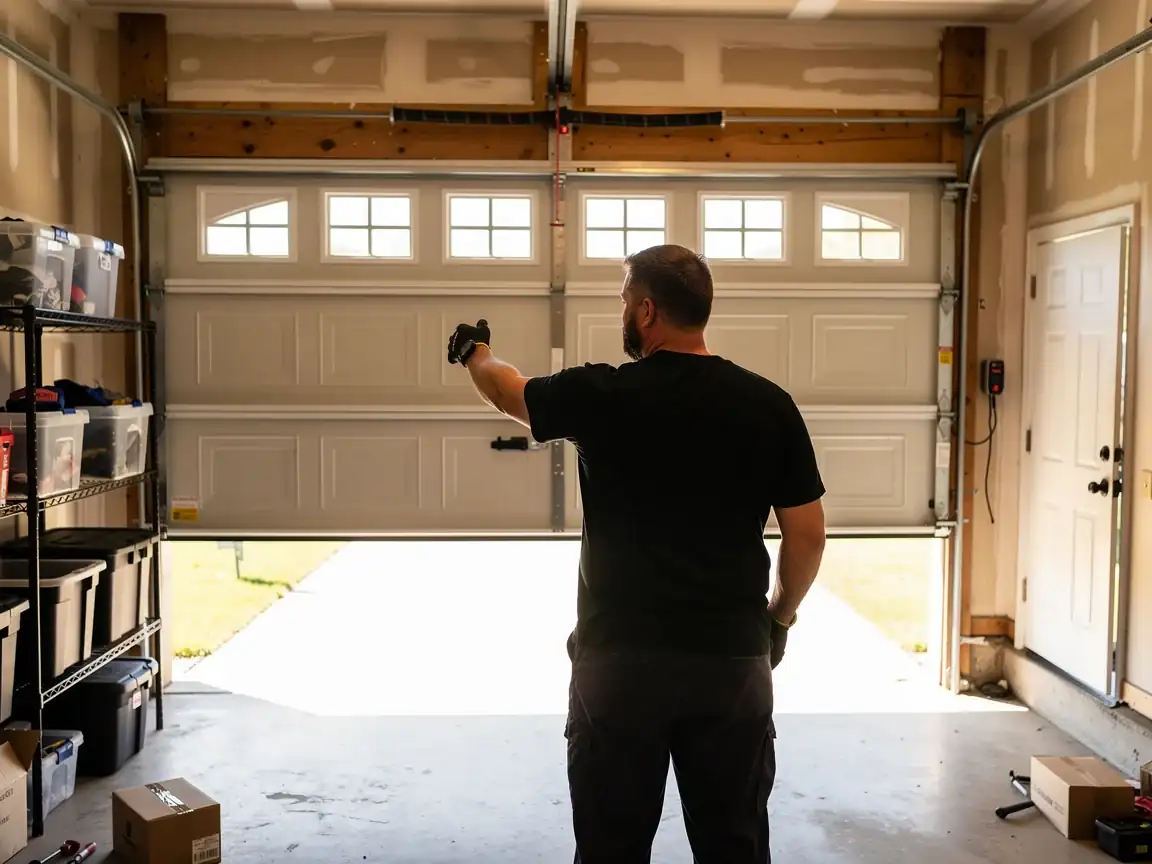
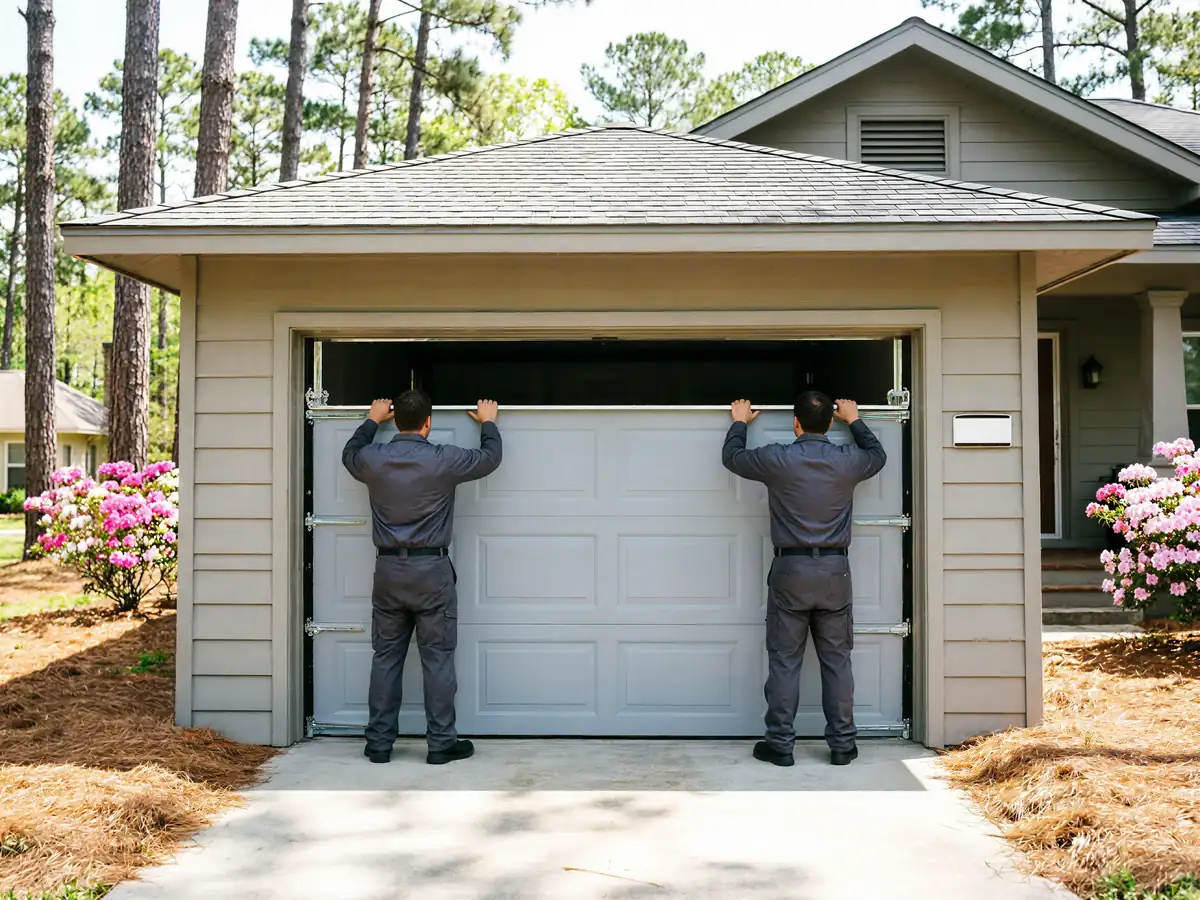
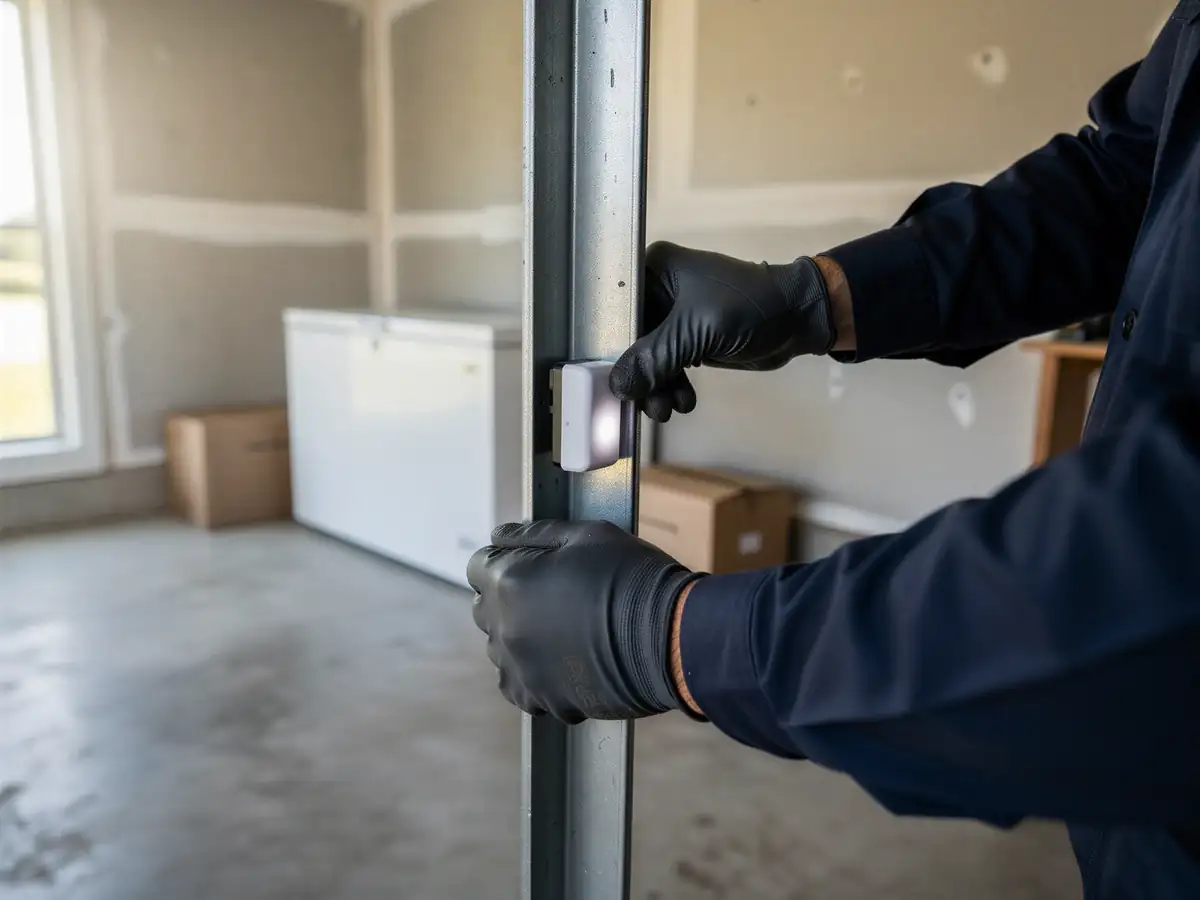
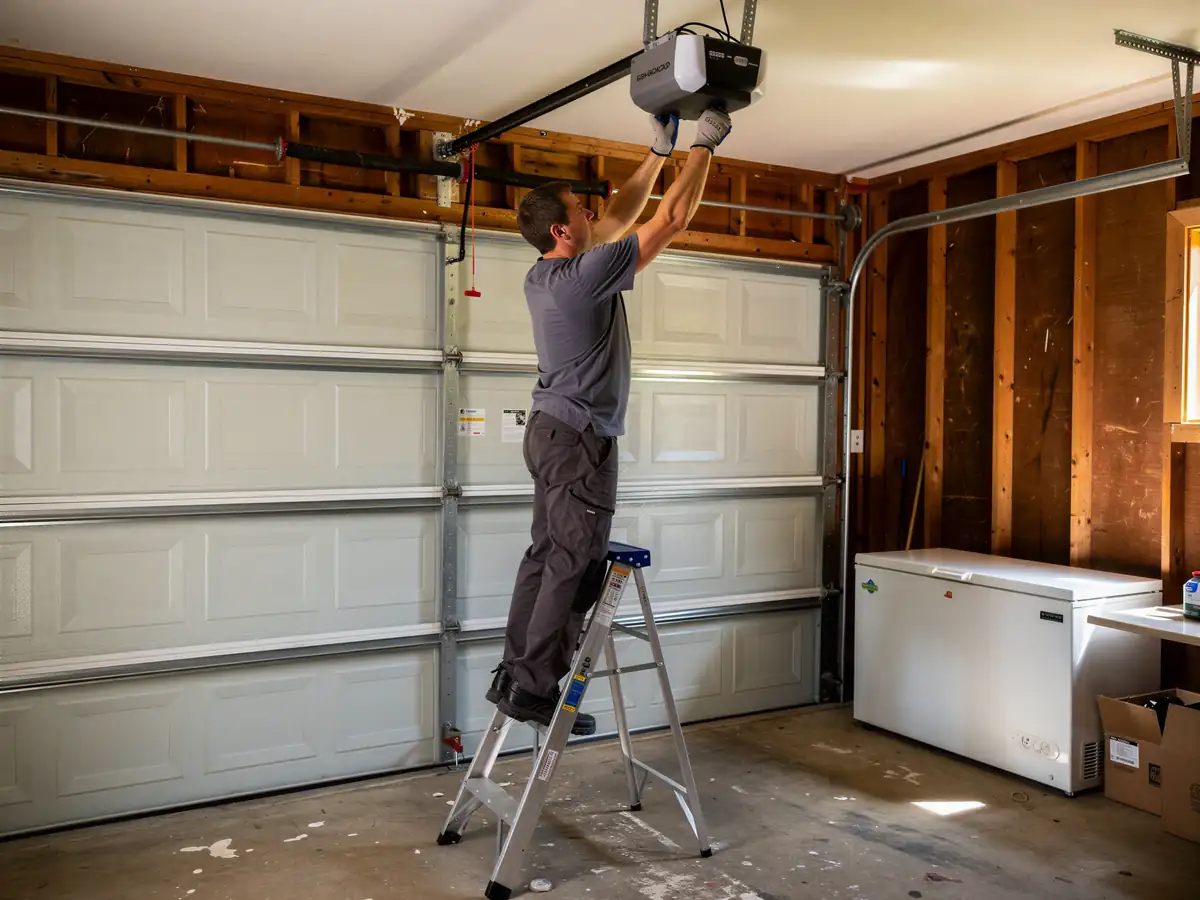
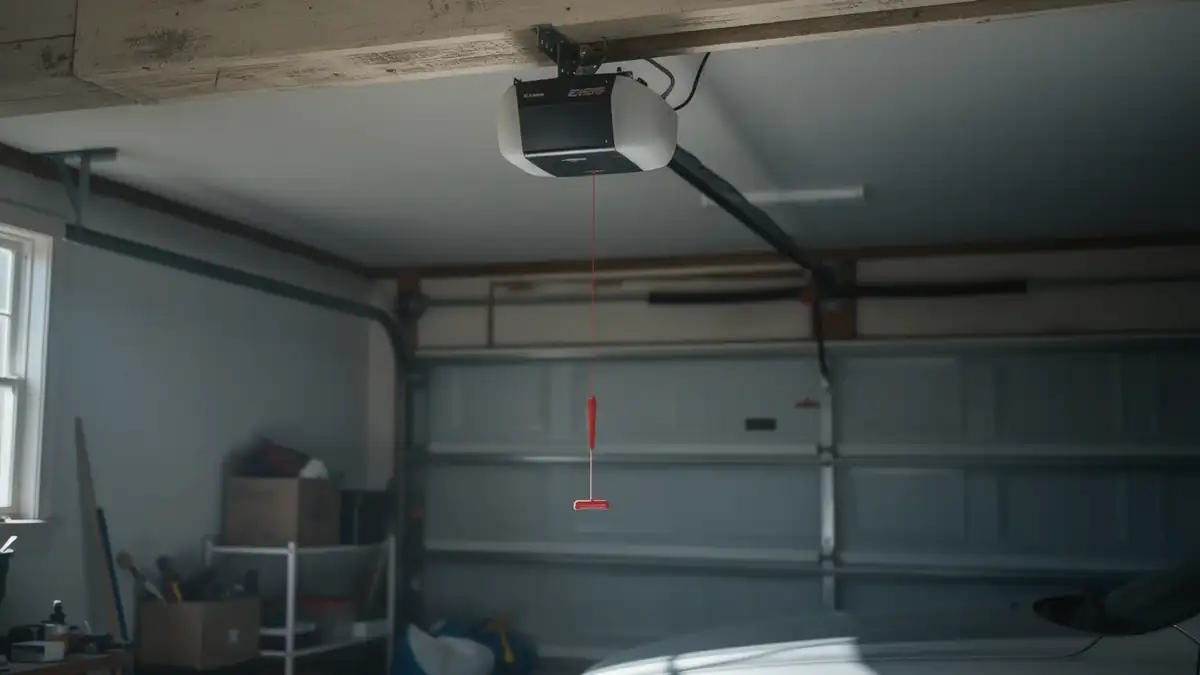
Roanoke's housing stock runs 1953 to 2002, with the median landing around 1976, and most of the 16 named areas across the service area carry that same mid-century-to-late-century mix. That matters for openers because a chunk of those houses got their current opener installed decades after the house itself went up, which means you've got everything from an old chain-drive unit with no backup power at all to a newer belt-drive with a battery pack bolted to the housing. When the power cuts, the two behave completely differently. A unit with battery backup keeps cycling the door for a limited number of openings. A unit without one goes dead at the rail, and the door sits wherever it stopped - up, down, or half-travel - until you pull the manual release and lift it by hand. In a cold-moderate climate band like this one, power cuts tend to cluster around winter weather, which is exactly when you don't want to be standing in the driveway figuring out where the red cord is for the first time.
What It Costs
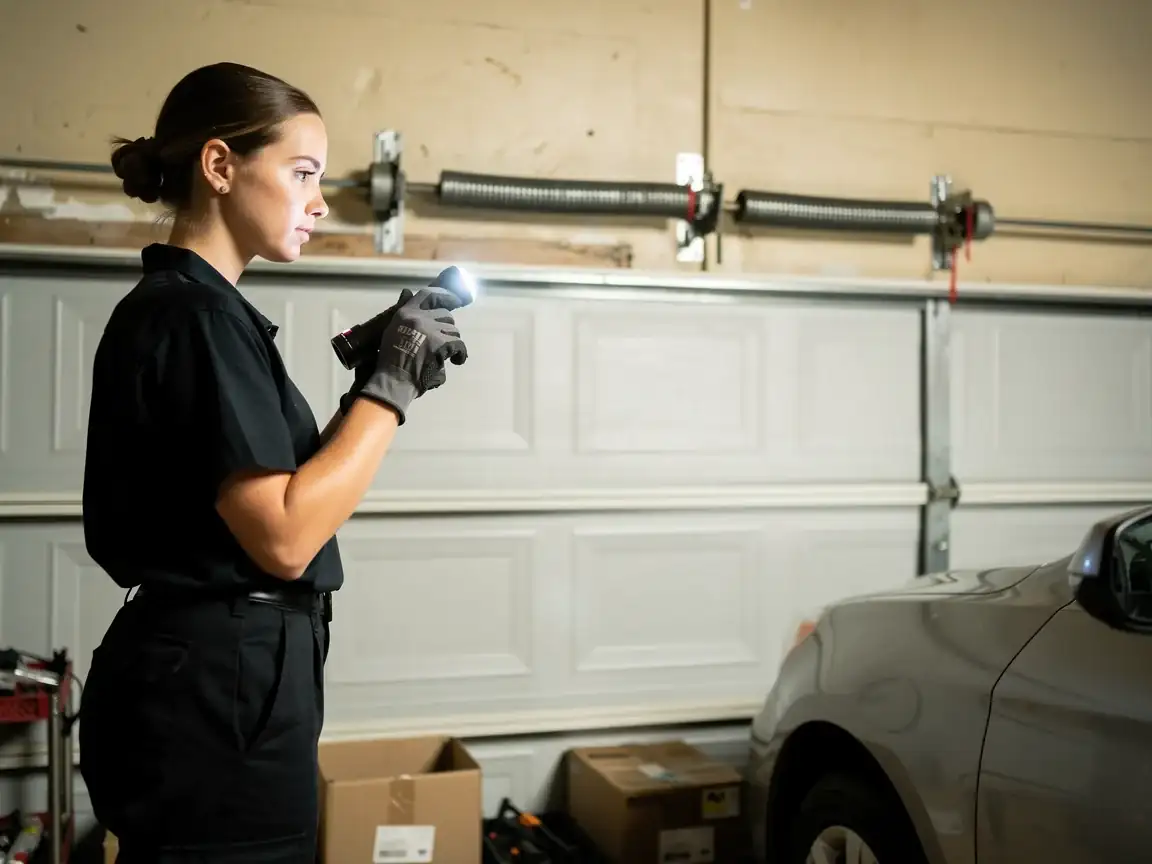
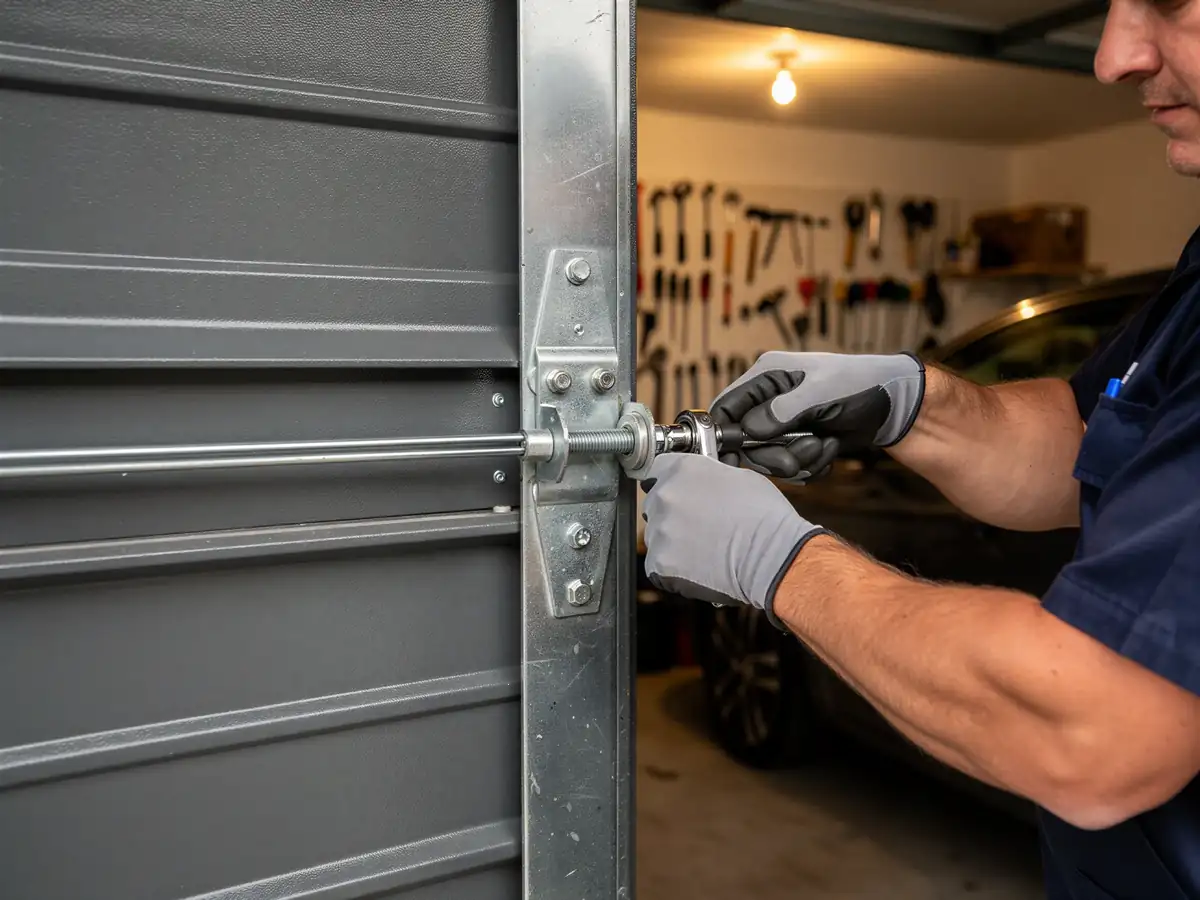
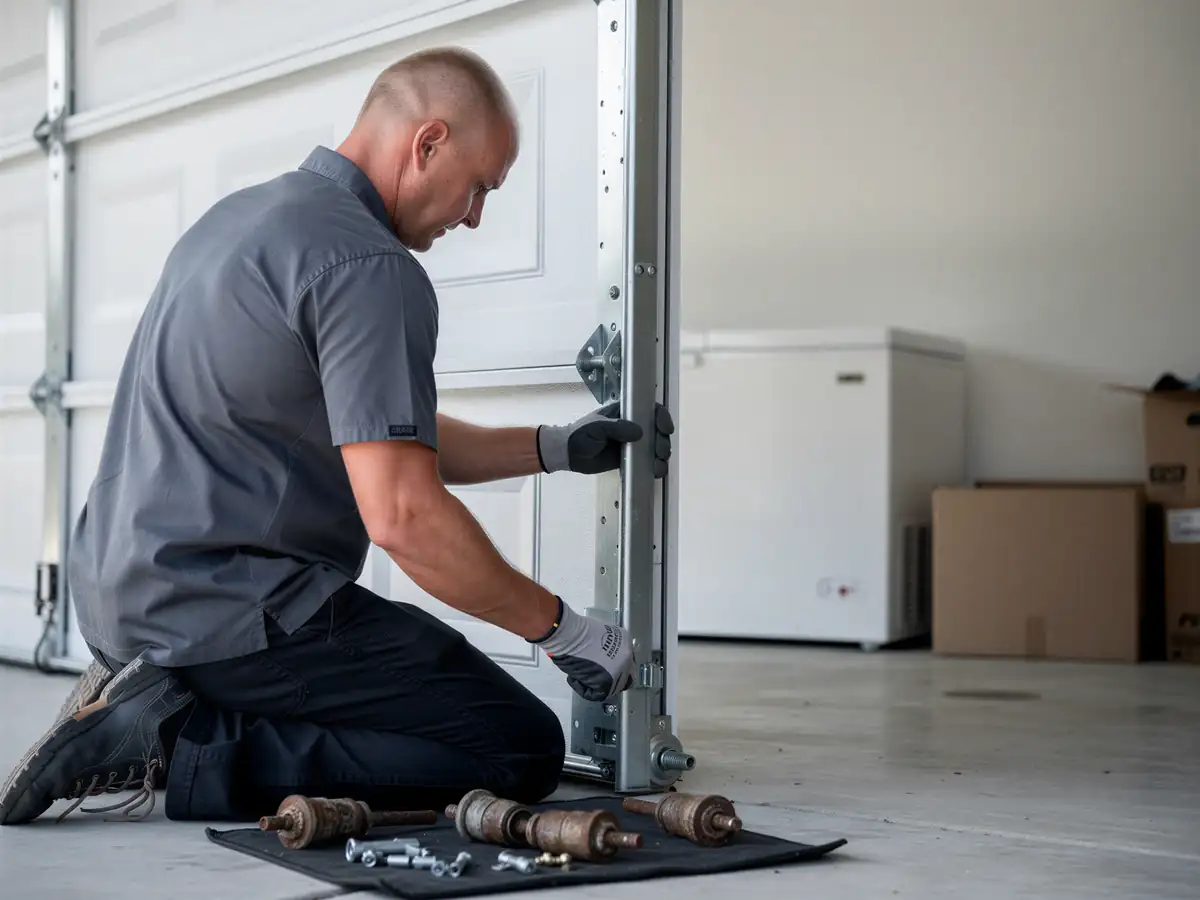
We're not going to hand you a number here because the real cost swing isn't the opener itself - it's what's attached to it. A house from the 1976 median built era typically has torsion hardware original or close to it, and if that spring is tired, a power cut that forces a manual lift is the moment it lets go, which turns an opener question into a spring job. Newer builds in the 1990s-2002 range of the housing stock are more likely to have extension springs or updated torsion setups that handle a manual lift without complaint. The honest answer is that adding battery backup to an opener that doesn't have one costs less than most people guess, but if the opener is old enough that parts are getting scarce, replacing the whole unit is usually the better call rather than patching a motor that's already on borrowed time.
How Local Conditions Play In
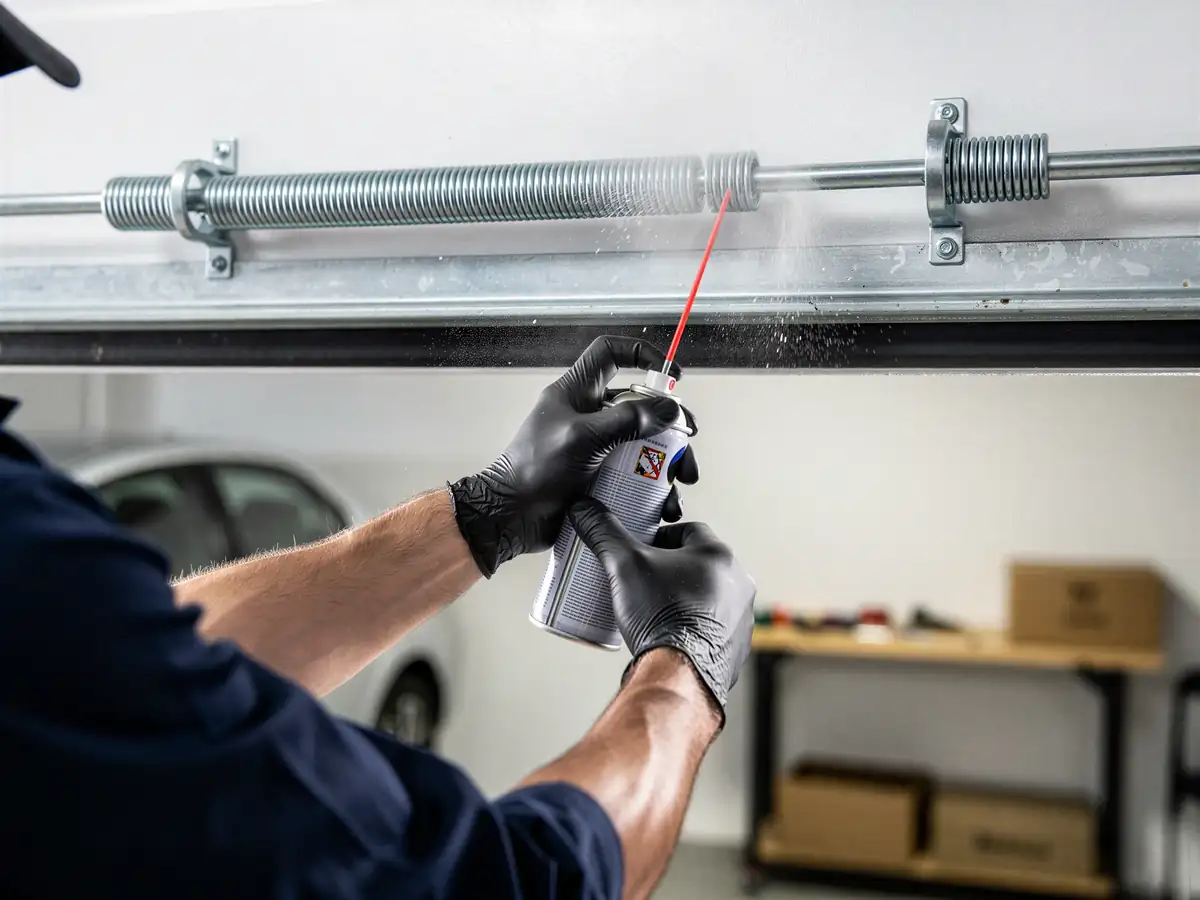
The cold-moderate band here means winter power interruptions aren't rare, and they tend to hit at the worst possible moment - when the door's already working harder because cold air stiffens lubricant and tightens spring tension. Combine that with a housing stock where a meaningful share of doors are running original or near-original hardware from the 1953-2002 build window, and you've got a lot of garages where the opener, the spring, and the weather are all pulling in different directions at once. None of that is unique to one street or one neighborhood - it's spread across the service area's 40,029 households and roughly 20,431 owner-occupied houses, which is a lot of garages built to the same general era under the same winters. The fix isn't complicated, but it does mean checking the opener before the cold snap, not during it.