Stocked Parts
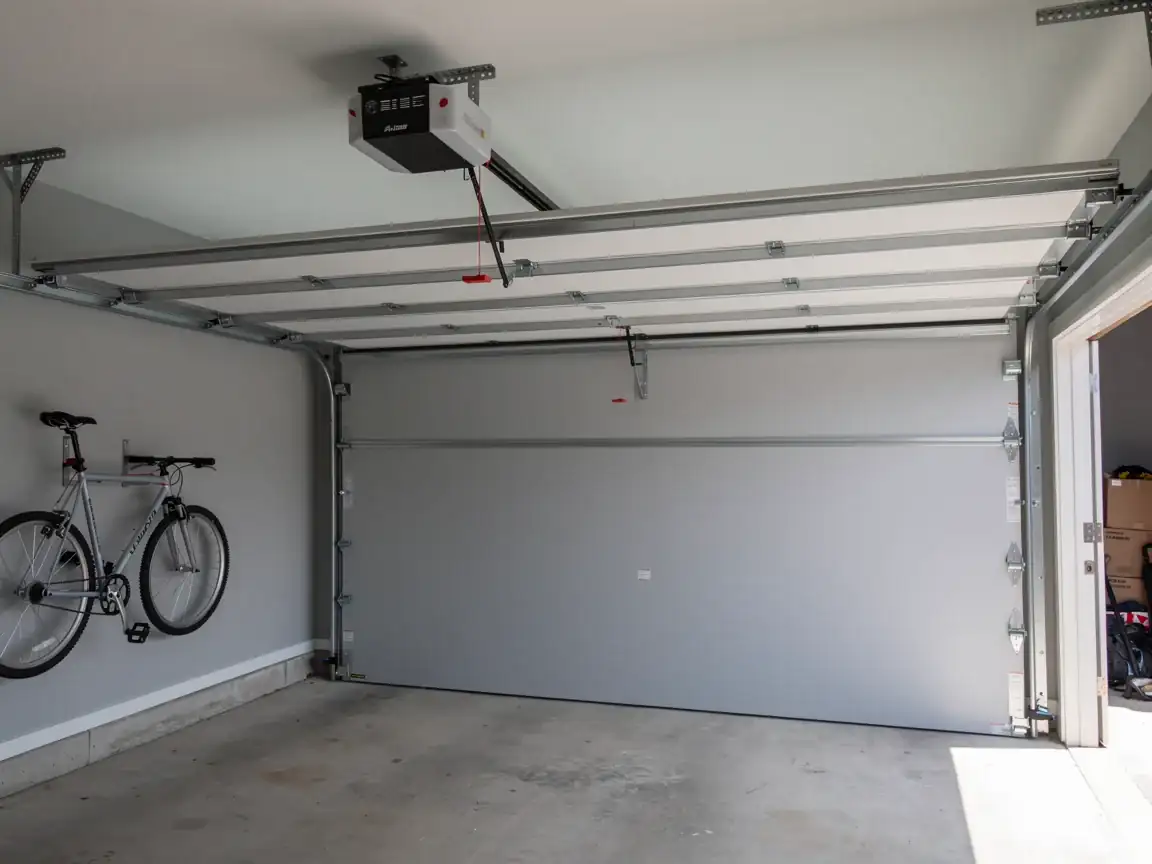
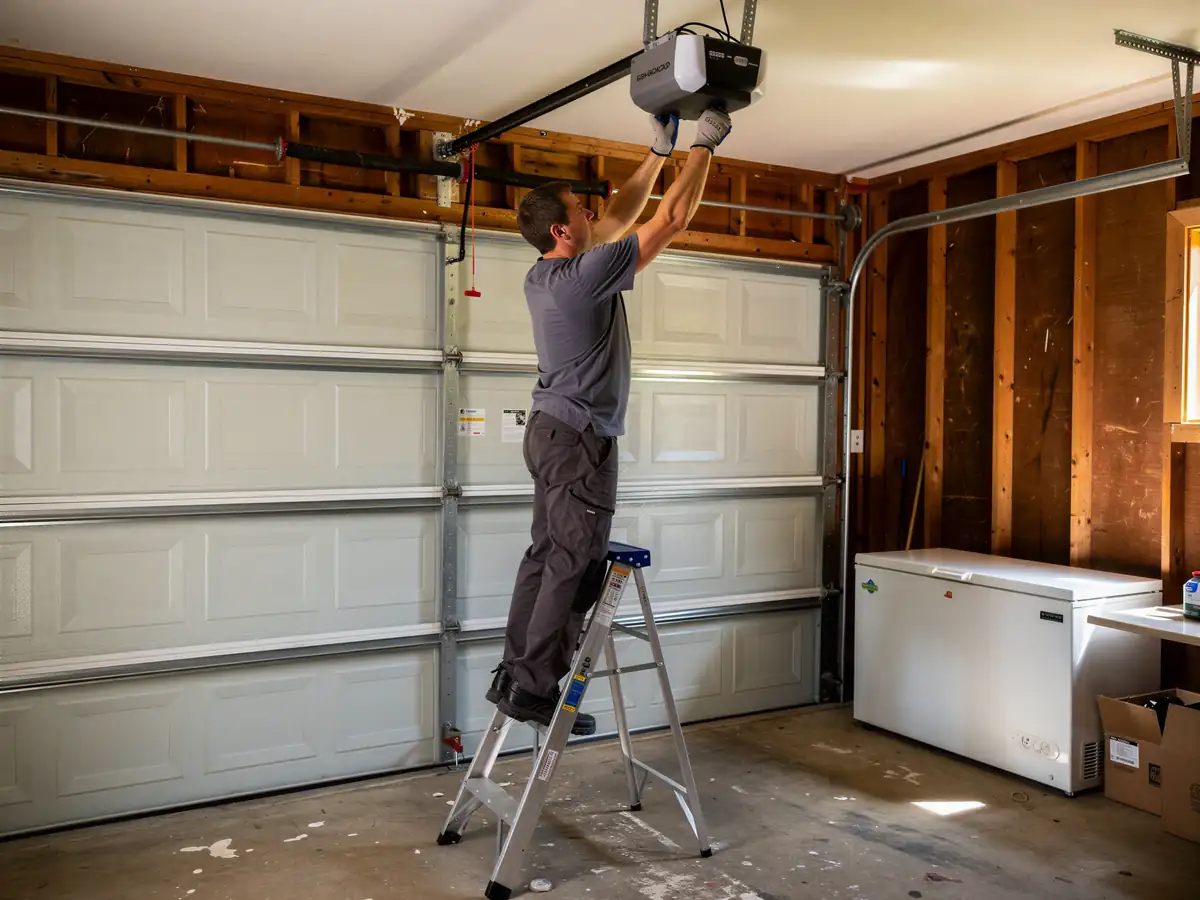
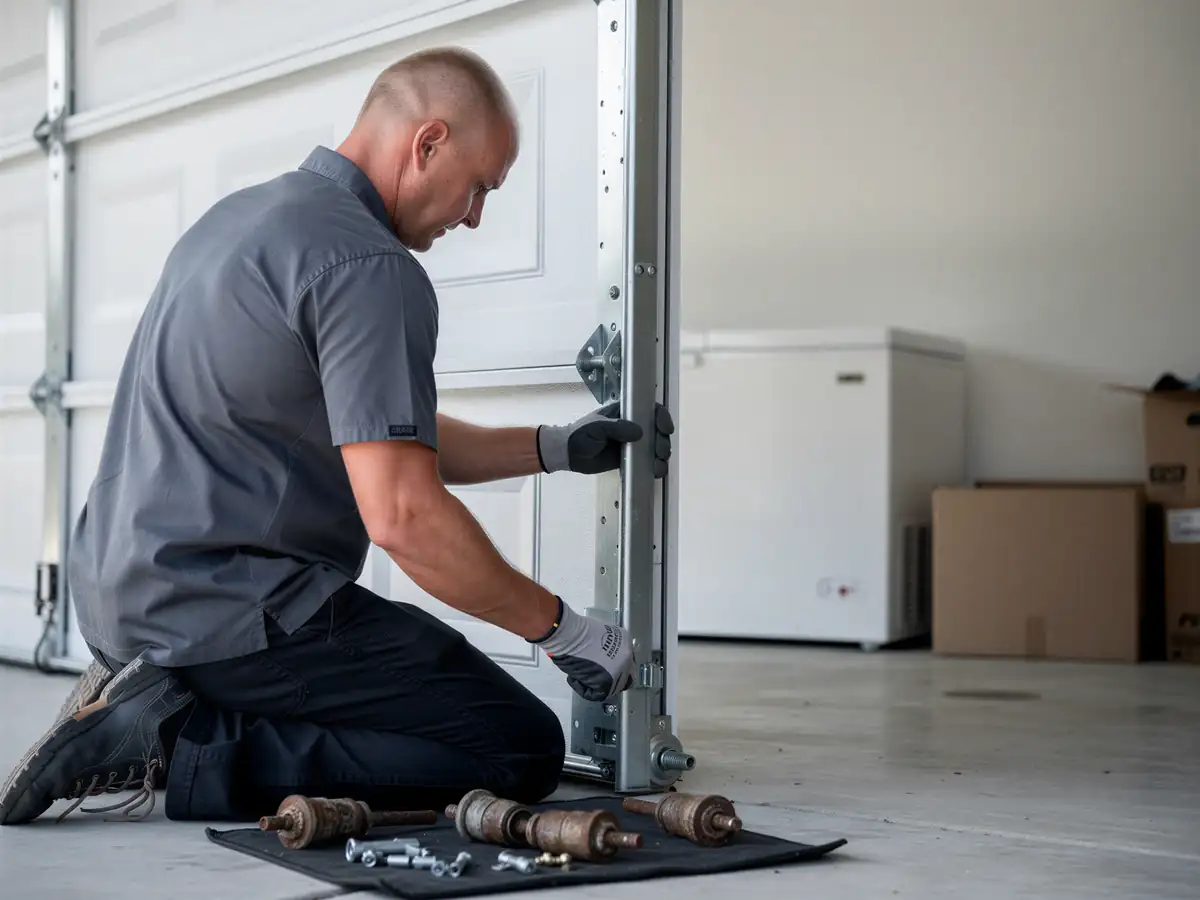
Blue Ridge's homes went up mostly around 1977, which puts it toward the newer end of the 1953-to-2002 range we see across the wider service area. That matters for opener work because it narrows what we're usually dealing with: chain drive units installed when the house was built or swapped out once in the decades since, not the belt-drive smart openers you'd find in newer construction further out. We carry gear-and-sprocket kits, standard logic boards, and drive gears that fit the chain drive openers common to homes from that era. What we don't keep on the truck is anything proprietary to a single brand's newest smart-home line - if your opener is only a year or two old and under a manufacturer warranty, that part may need to come from the manufacturer, and we'll tell you straight if that's the case rather than guess. For a house built in 1977, the more likely failure is a stripped plastic gear or a worn sprocket, both of which we stock.
Doing It Yourself
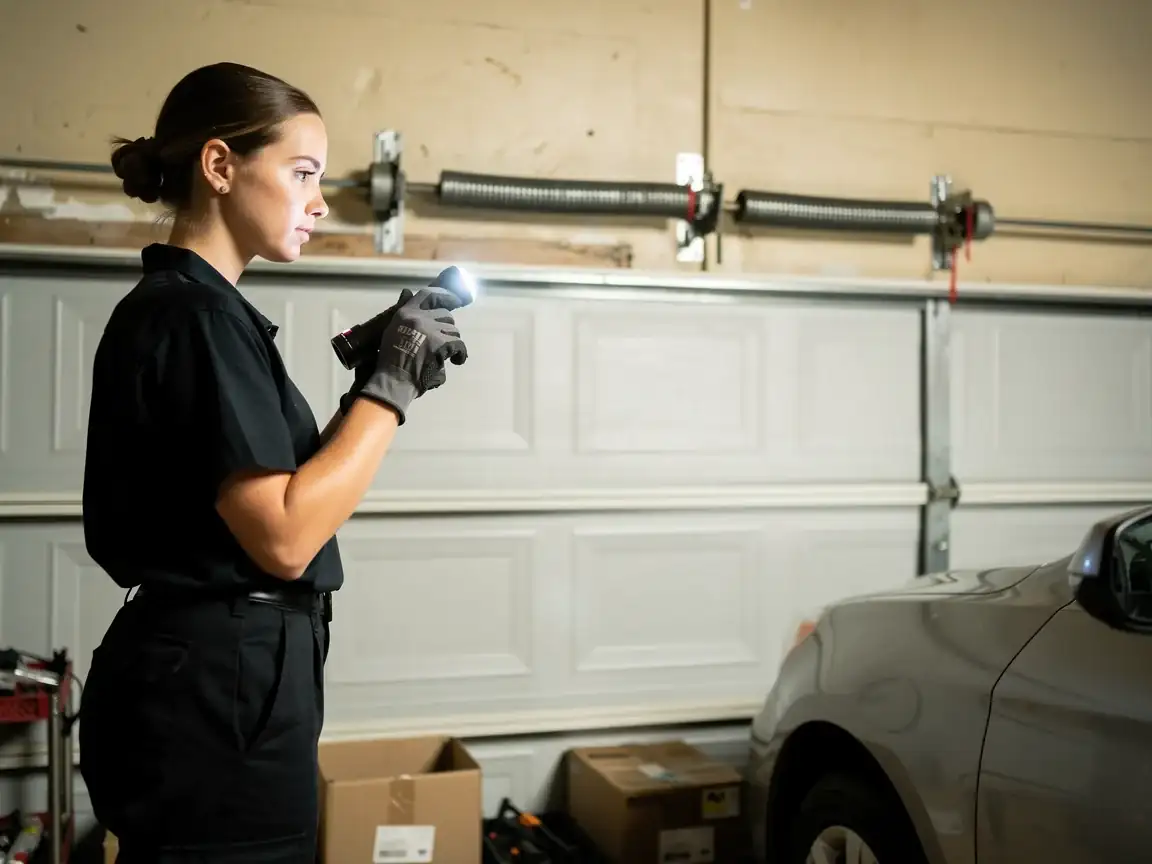
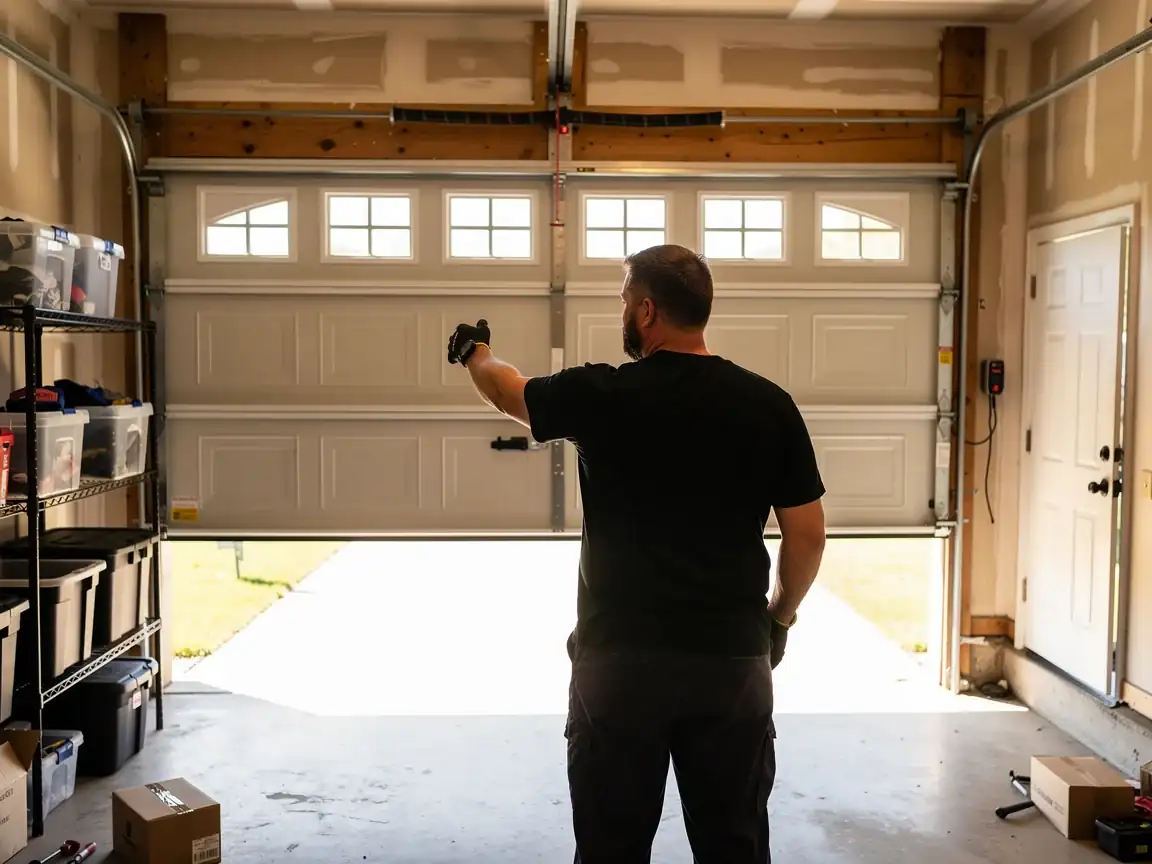
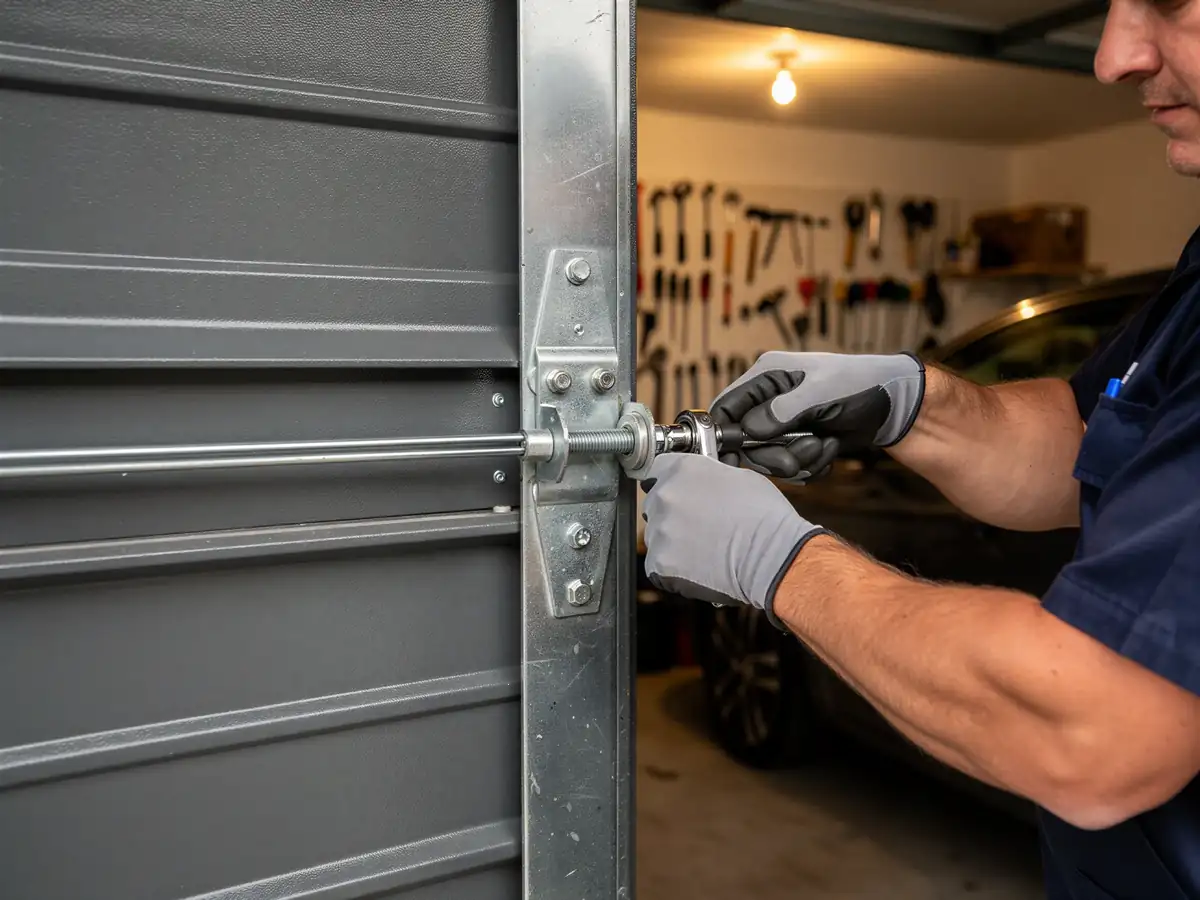
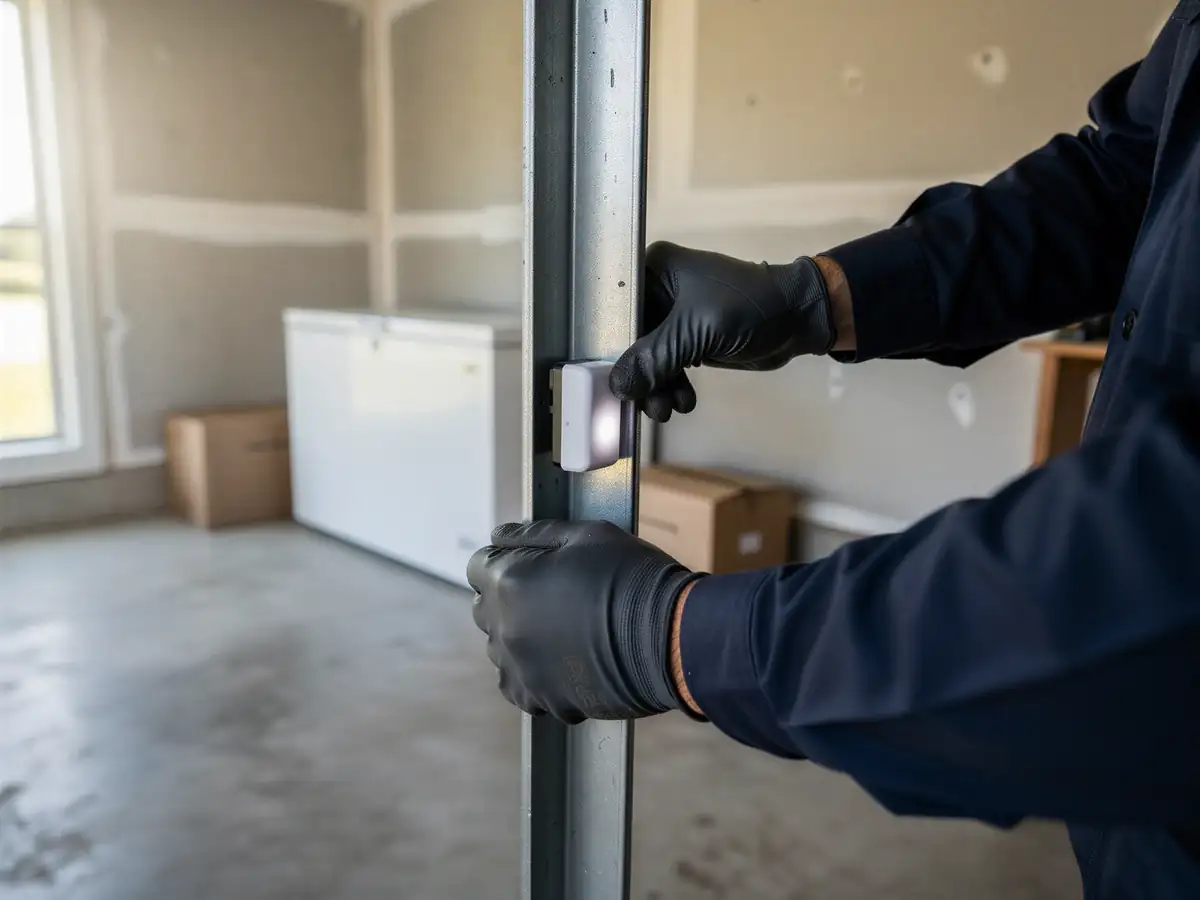
Before you call anyone, check the simple stuff. Unplug the opener, look at the drive gear through the housing - if it's cracked or the teeth are rounded off, that's a part swap, not a reset. Check that the safety sensors near the floor are aligned; a knocked sensor is a common reason a door won't close on a remote but will on the wall button. Test the force settings too low or too high and the unit will struggle or reverse for no clear reason. What you shouldn't do yourself: open the opener's logic board housing, or touch the torsion spring assembly if the opener is straining because the door itself is unbalanced - that's spring tension, not an opener problem, and it can hurt you. If the fix isn't obvious after those checks, that's usually a sign the gear kit or the board itself has failed.
What Causes It Around Here
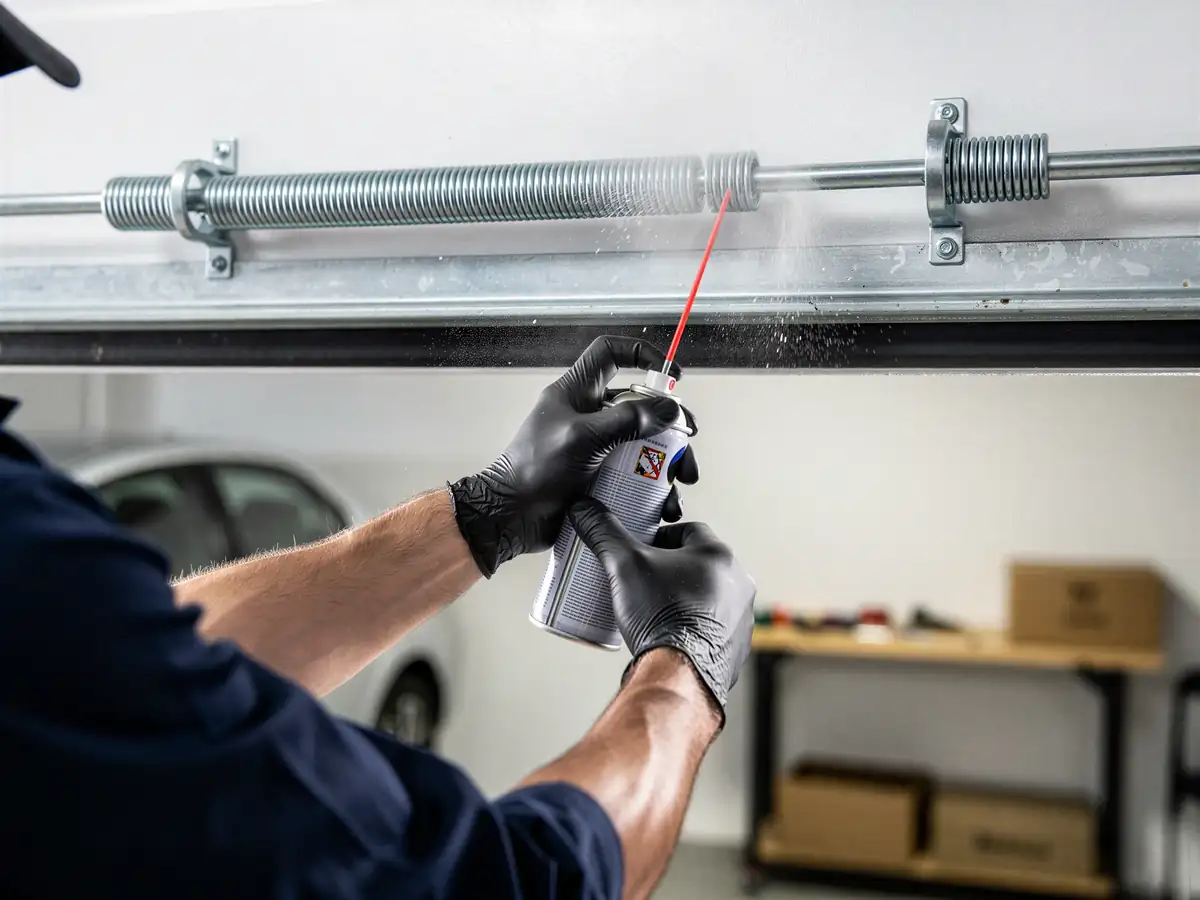
This part of Virginia sits in a cold-to-moderate climate band, and that shows up in opener failures more than people expect. Cold snaps stiffen the grease in older gear housings and make plastic sprockets more brittle right when they're under the most load - that's when a gear that's been wearing down for years finally strips. With roughly 1,179 households in Blue Ridge and most of the housing dating to the mid-1970s, a fair number of openers out here are original or close to it, meaning the plastic parts have had forty-plus years of seasonal temperature swings to get brittle. We also see photo-eye misalignment more in winter, when freeze-thaw ground movement shifts a garage floor slab just enough to knock the sensor brackets out of true. None of this is dramatic, but it's steady, and it's why opener failures here tend to cluster in the coldest months.