Stocked Parts
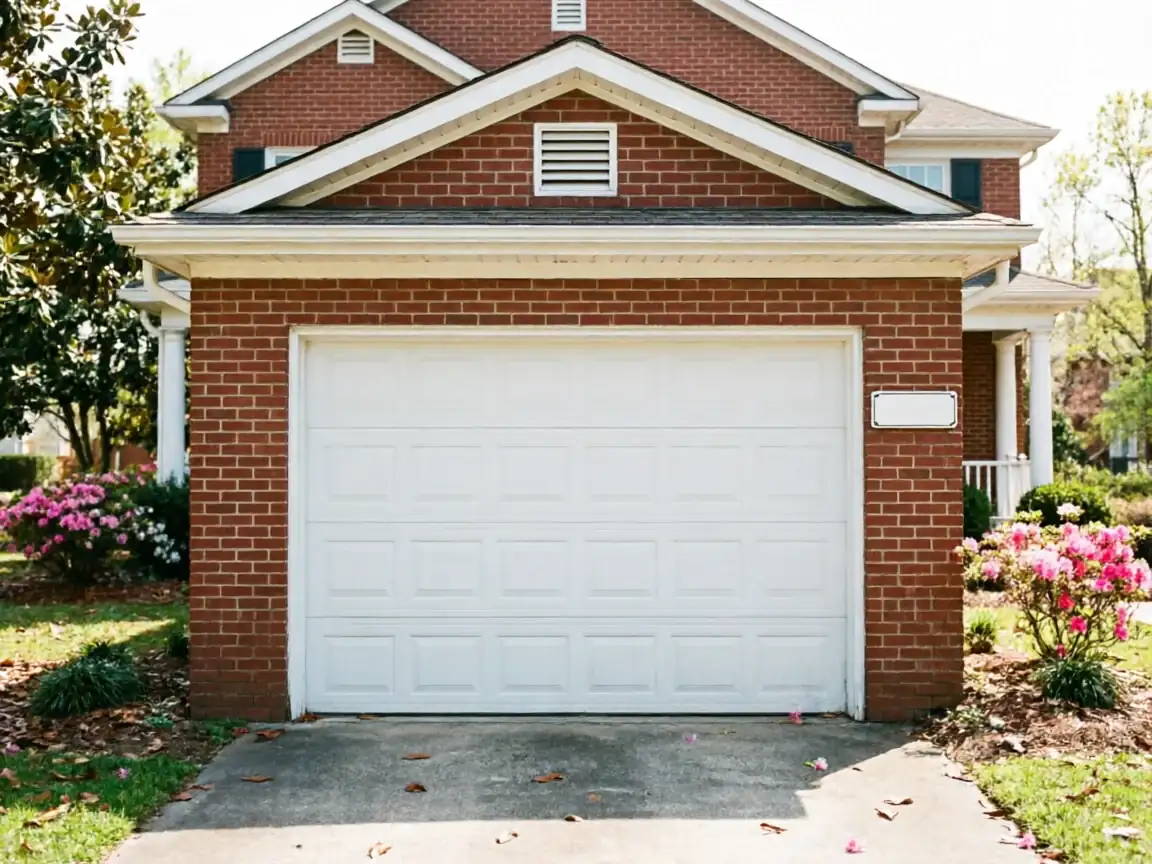
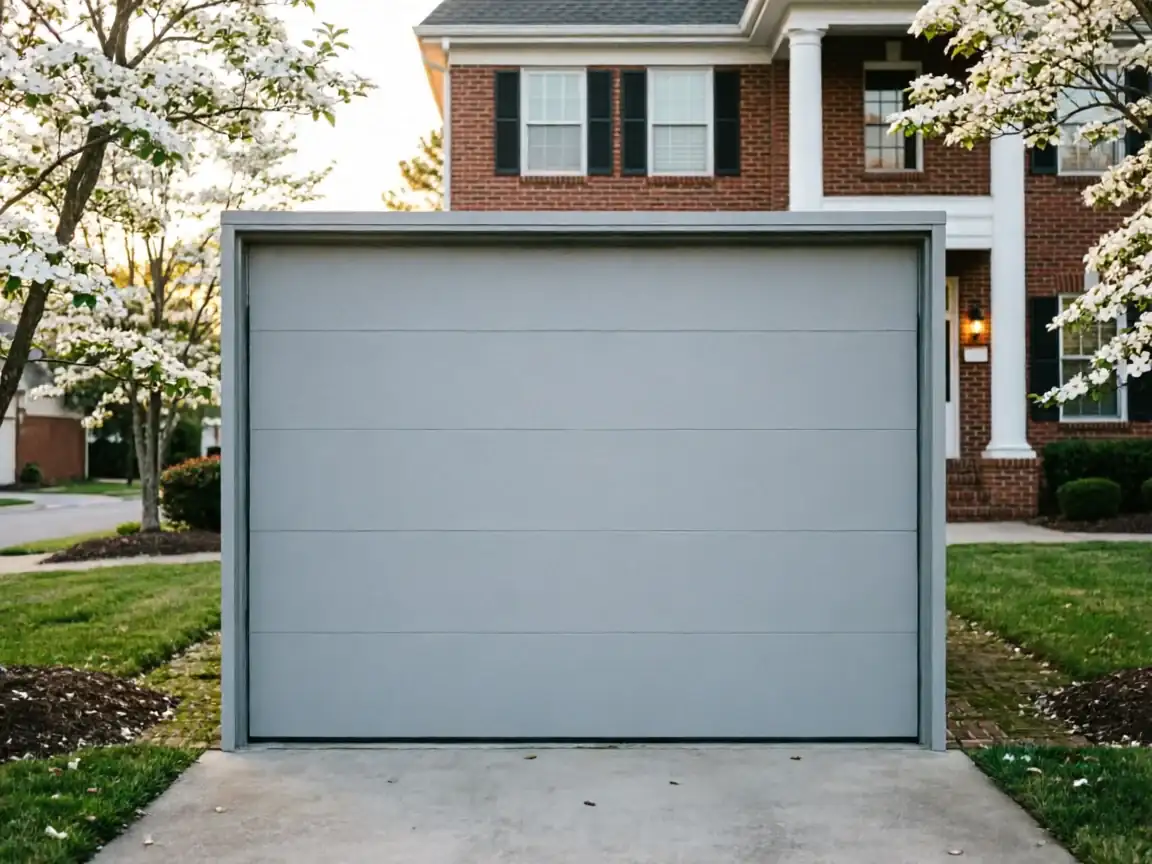
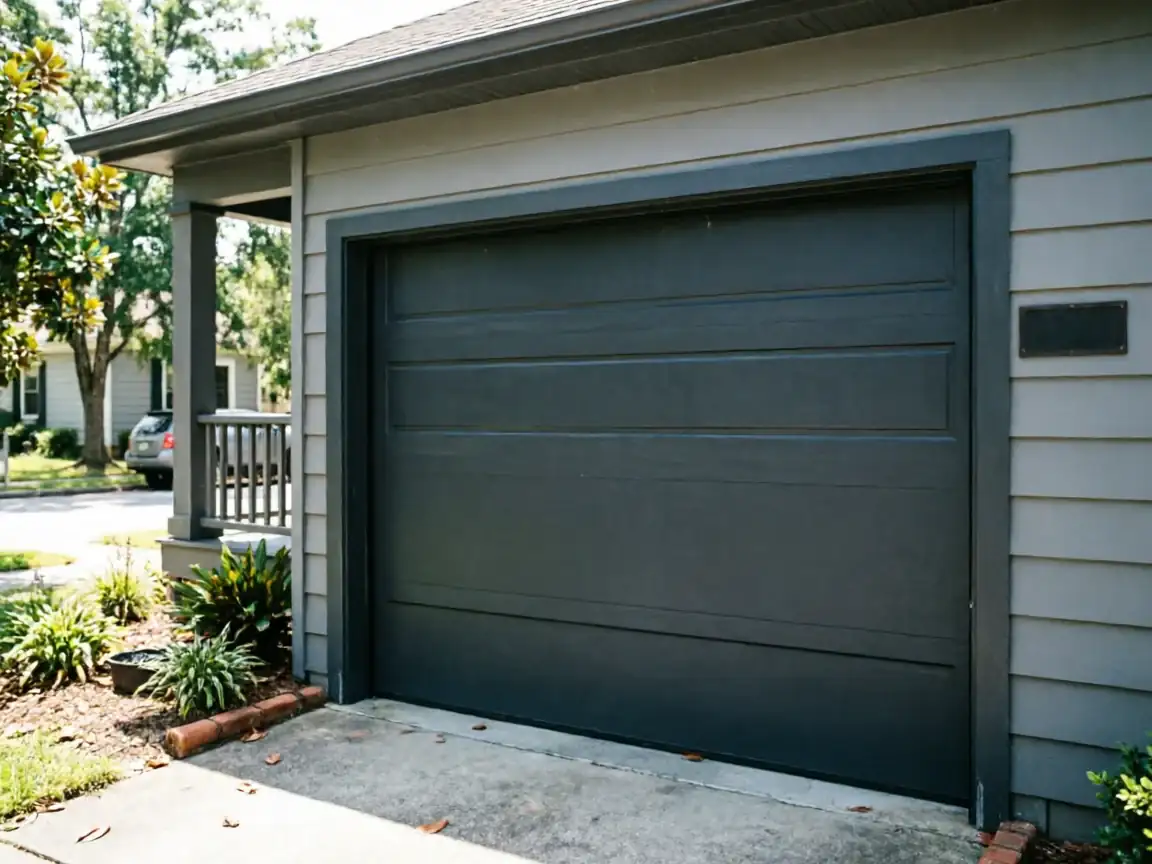
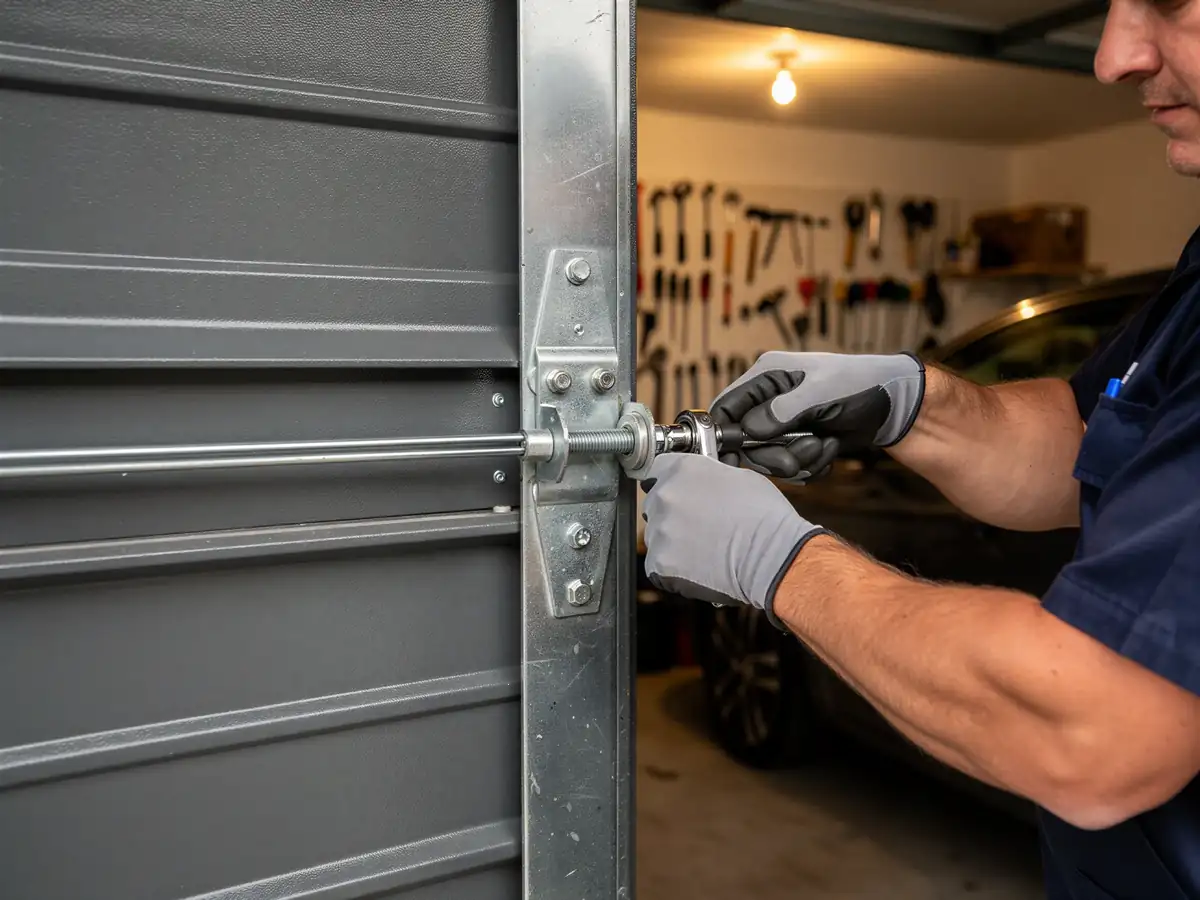
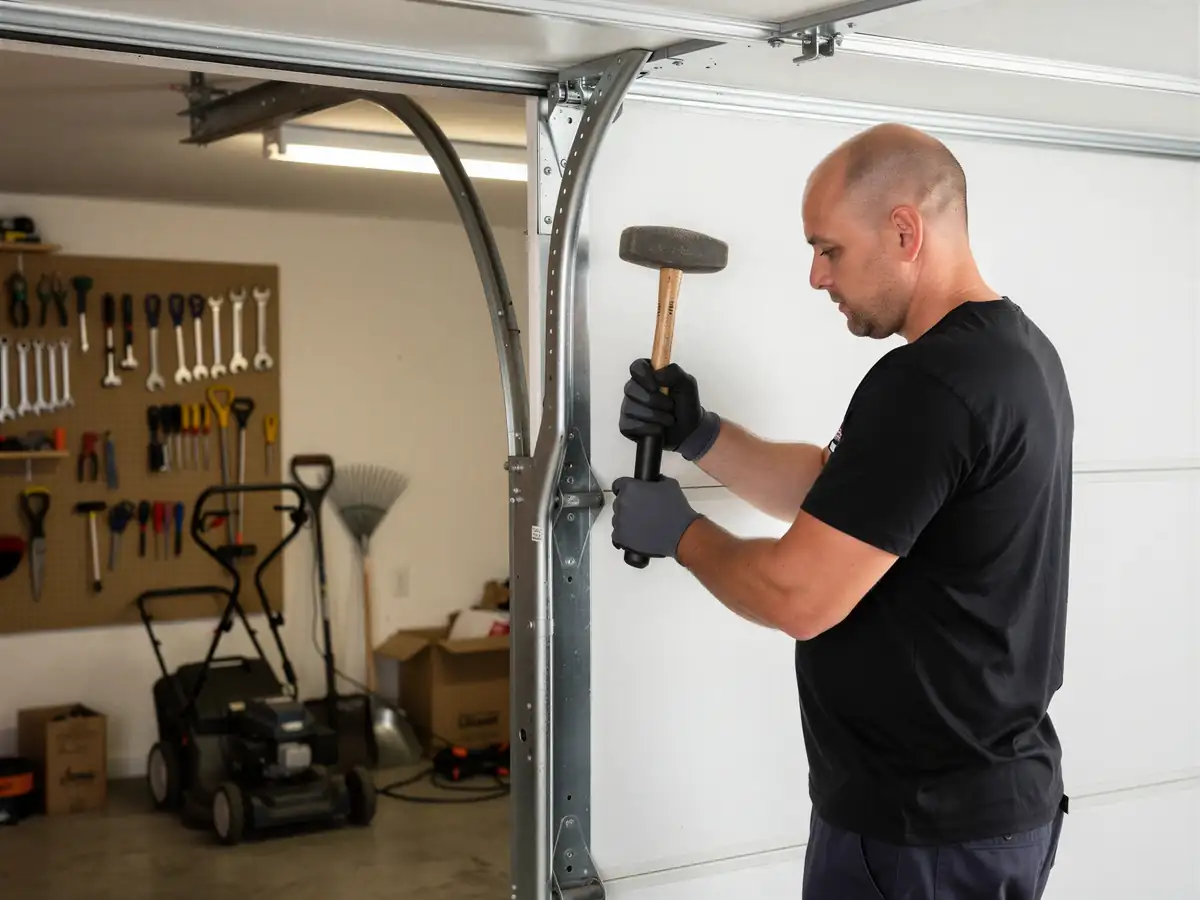
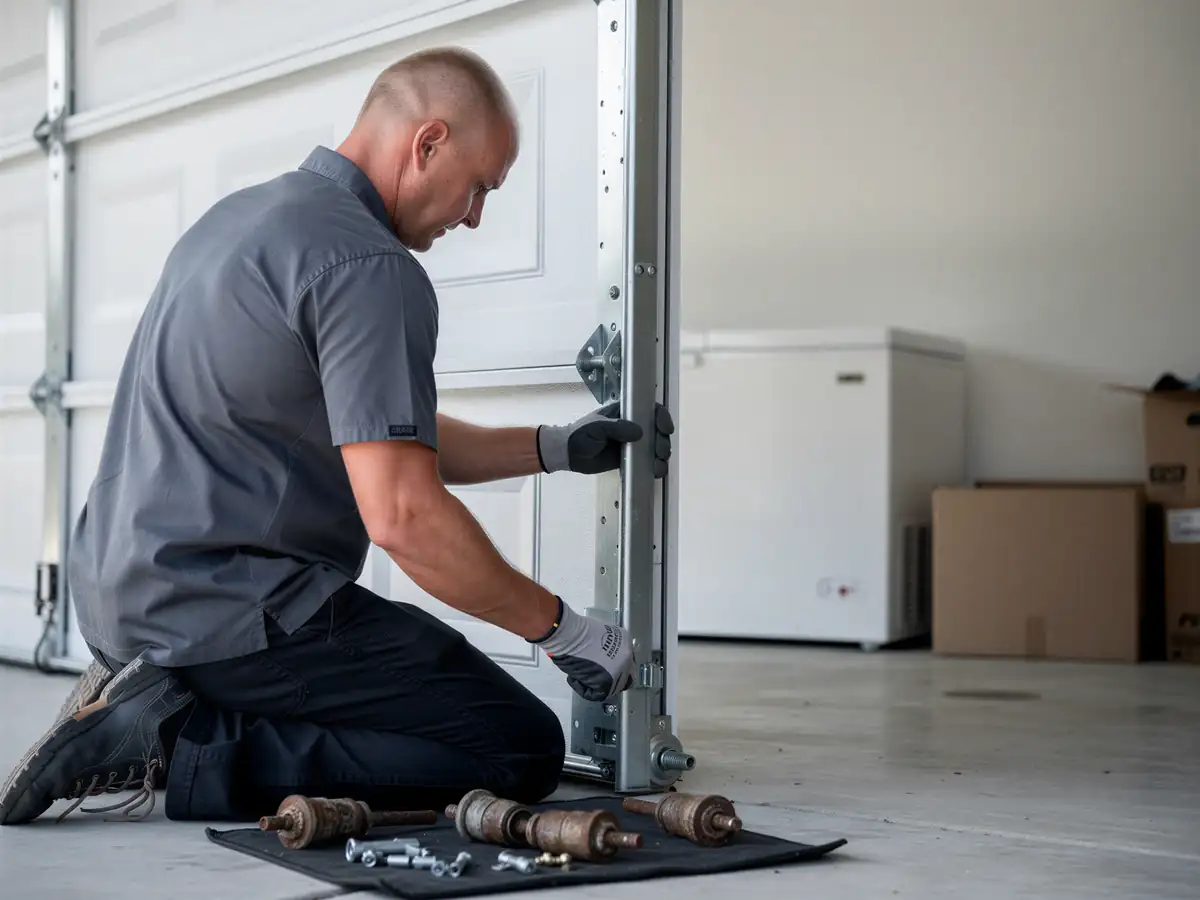
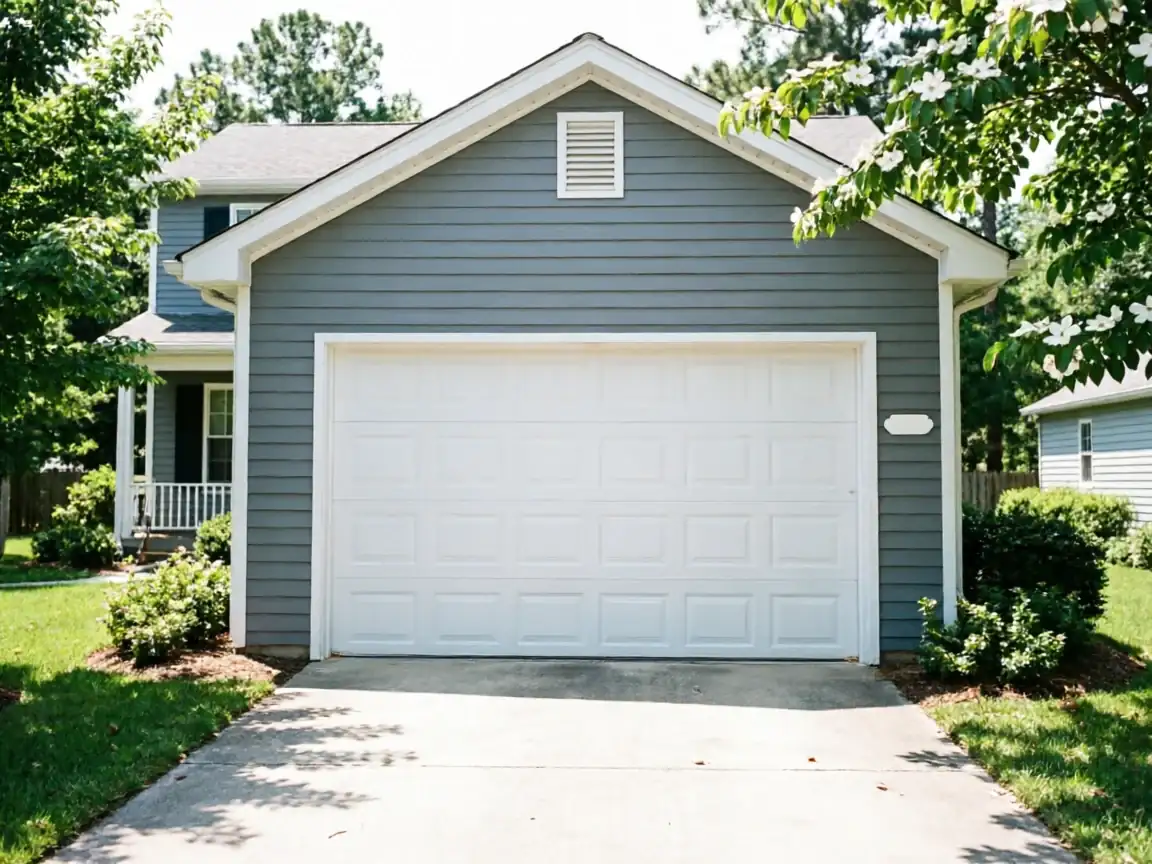
Most houses in Blue Ridge went up around 1977, and that era settled on a fairly narrow set of door types: steel sectional doors, usually 16x7 for a double bay, single-layer panels with no foam core, hung on extension springs more often than the torsion setup that became standard later. That's the door we expect to see when a truck heads out your way, and it's the reason we keep extension spring sets, the right-size steel hinges, and standard-width tracks on the truck before we even leave Roanoke.
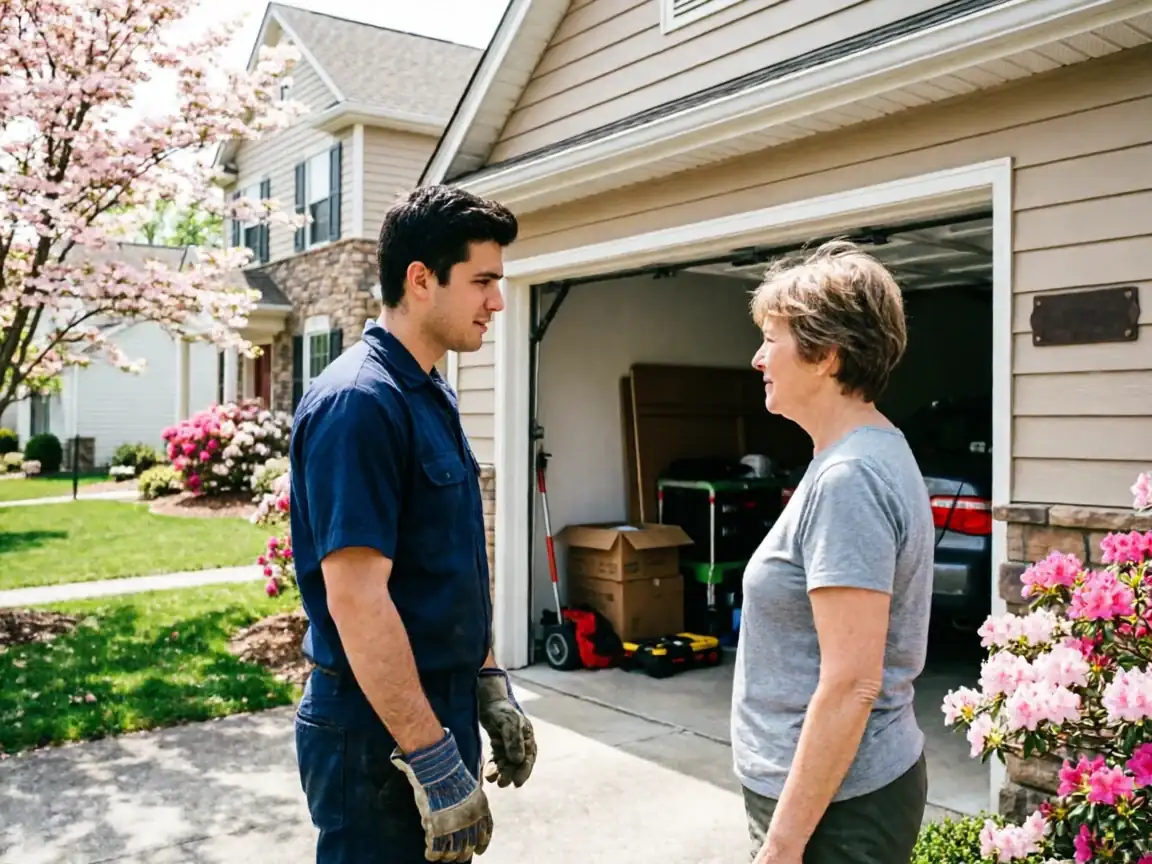
What we don't stock is anything custom. If a door's been replaced once already with a wood-look composite or a nonstandard width, we may need to order the part rather than carry it. We'll tell you on the phone if that's likely so you're not waiting on a truck that can't finish the job in one visit.
The climate here is cold-moderate, which over 45-plus years works on steel the way it always does: surface rust at the bottom panel, hinges that seize before they visibly fail, and rollers that wear out of round. None of that is exotic. It's just what a door this age does, and it's why we bring the common parts rather than guess once we're on site.
Doing It Yourself
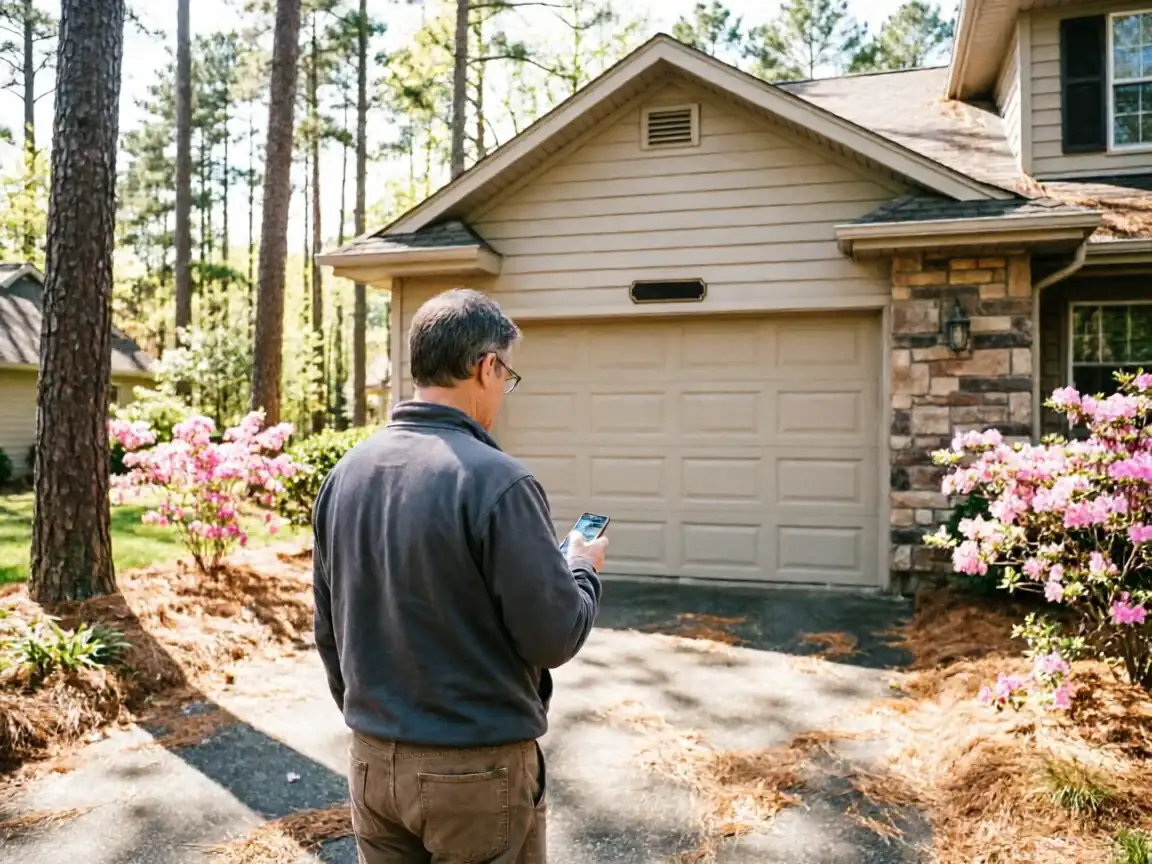
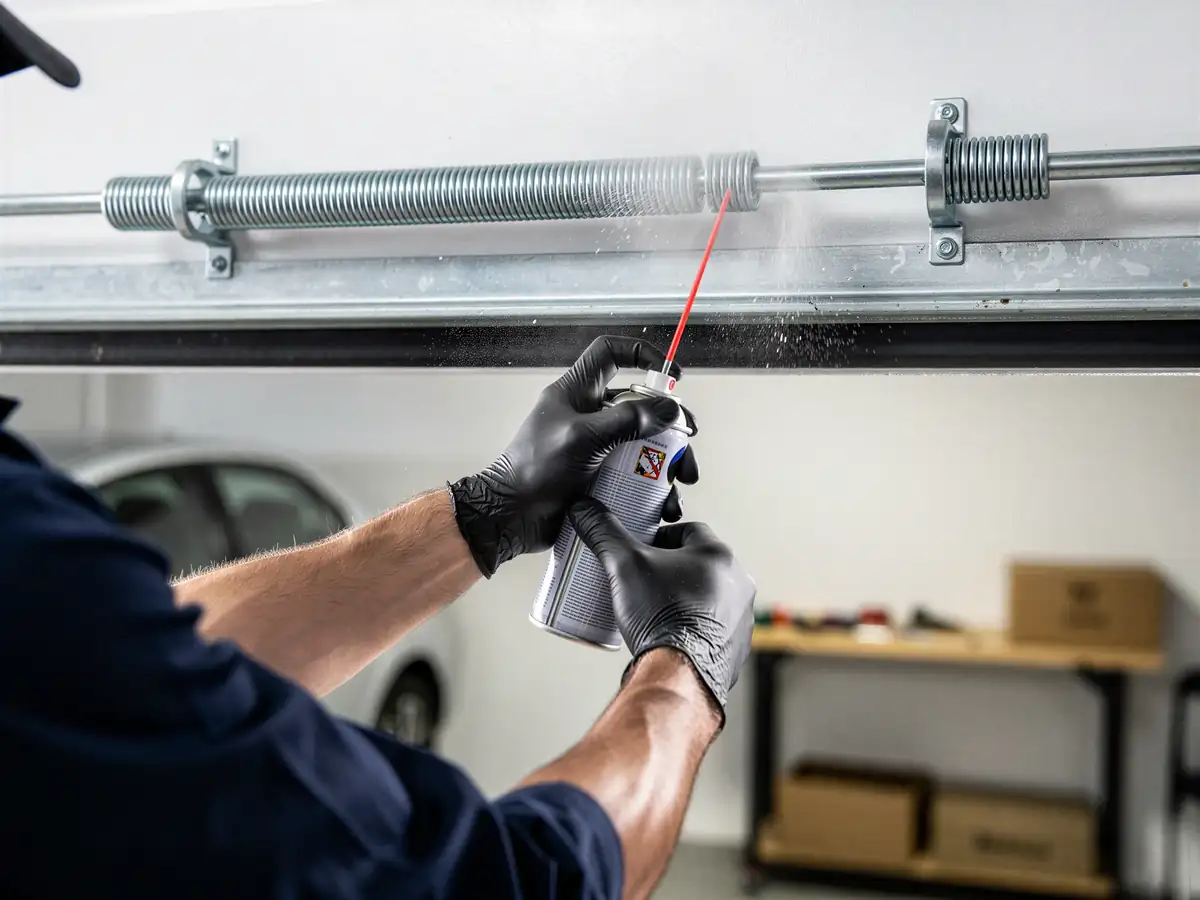
A lot of what goes wrong on a 1977-era door is safe to look at yourself. Roller noise, a track that's shifted slightly, weatherstripping that's cracked and letting light in at the bottom corner - you can diagnose all of that from the driveway. Lubricating hinges and rollers twice a year costs nothing and adds real life to the hardware this age of door still has.
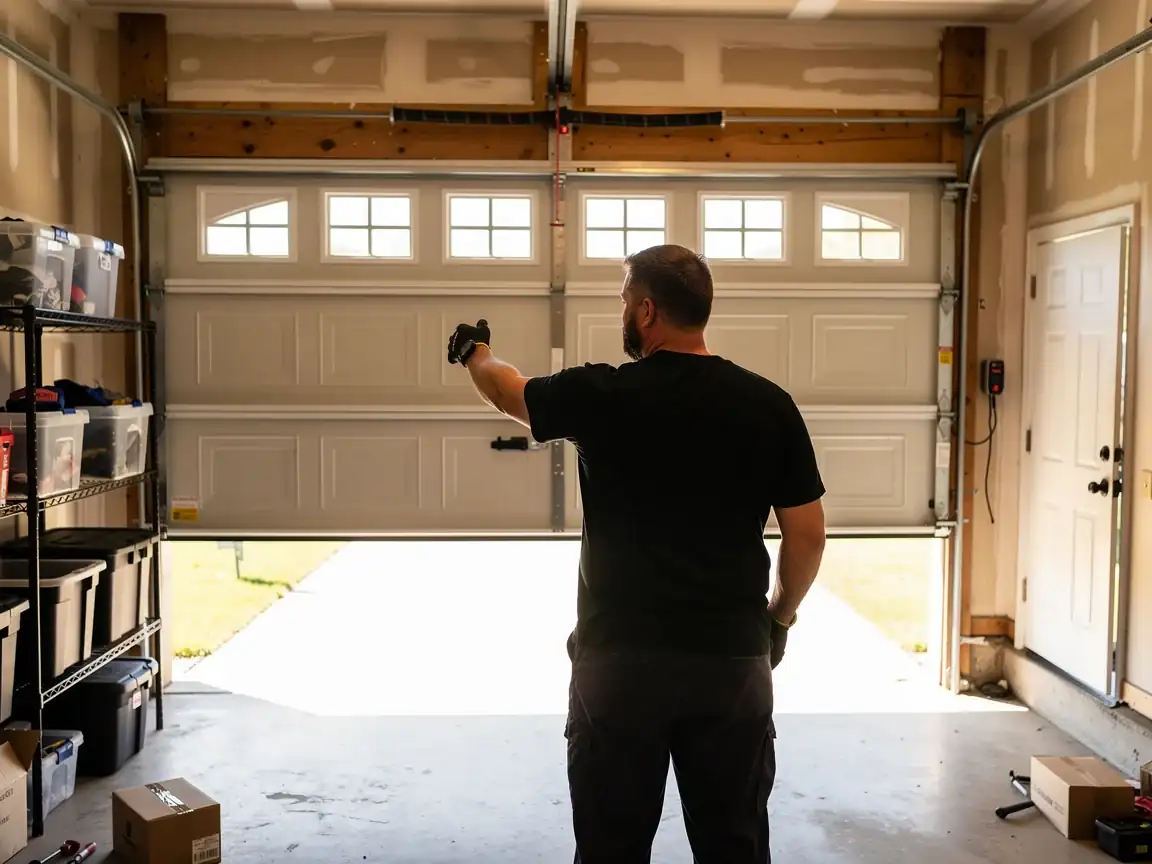
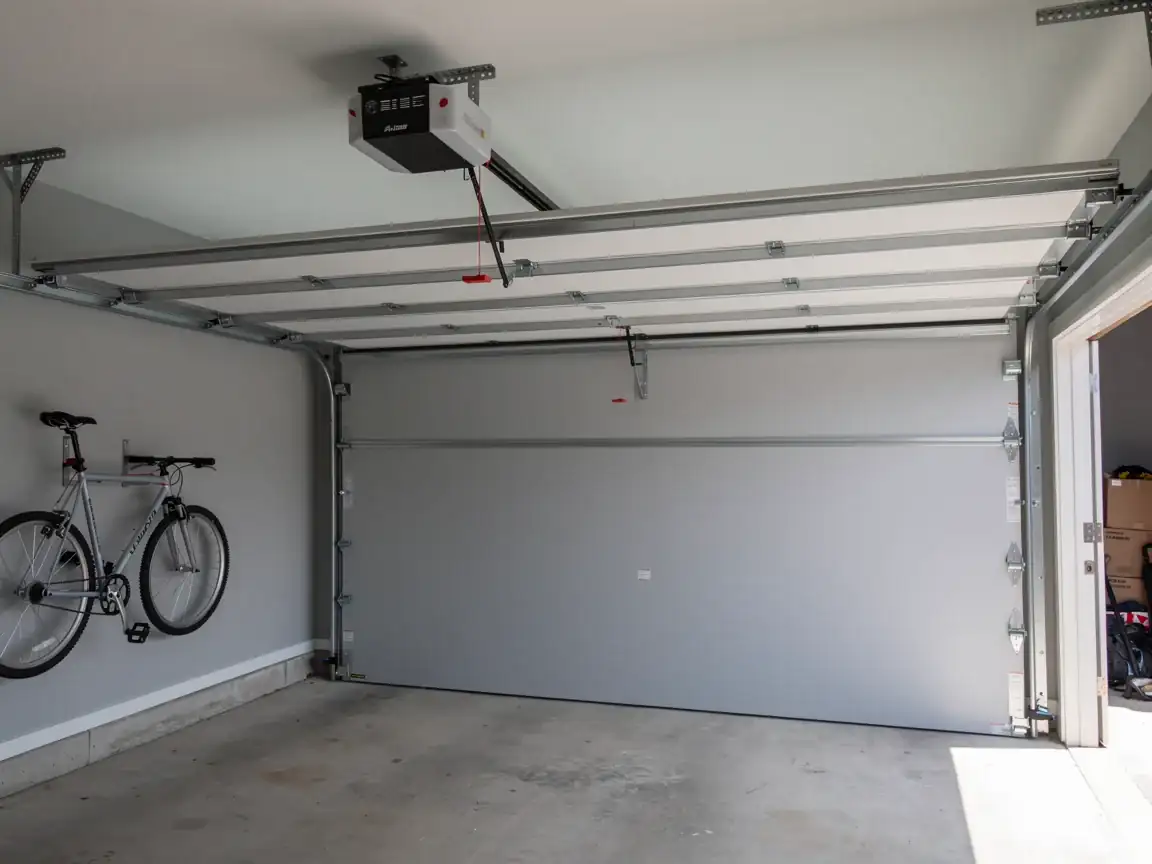
What you should not touch is the spring. Extension springs, which is what a lot of Blue Ridge doors from this period still run, are under less tension than torsion springs but they're also usually unrestrained - no safety cable running through them - because that cable wasn't standard equipment when these doors went in. If one lets go, it can cross the garage. That's not a DIY repair, and it's not really a judgment call either: if the spring's stretched, kinked, or separated, that's a call to make, not a part to swap yourself.
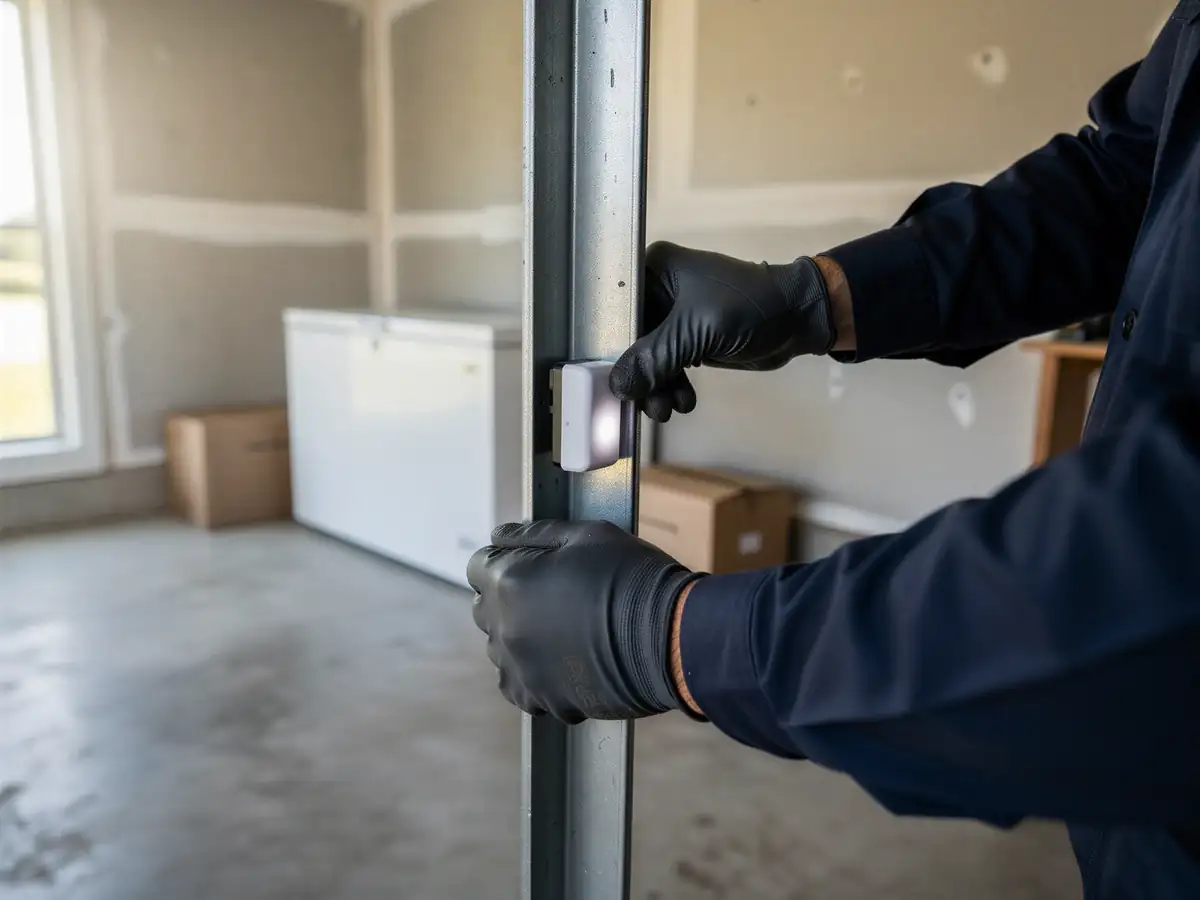
We're straight about this one: if your door is original hardware from the 70s with no safety cable, we'll usually recommend adding one when we're out anyway, even if that's not why you called.
What It Costs
We don't have a published price list for this page
And we're not going to guess a number that doesn't hold up when we're standing in your garage. What we can tell you is what drives the cost on a door this age: whether the spring is extension or torsion, whether the track needs straightening or full replacement, and whether the opener is original to the house or a later swap.
Blue Ridge sits in a part of the service area with a median household income noticeably above the wider area average
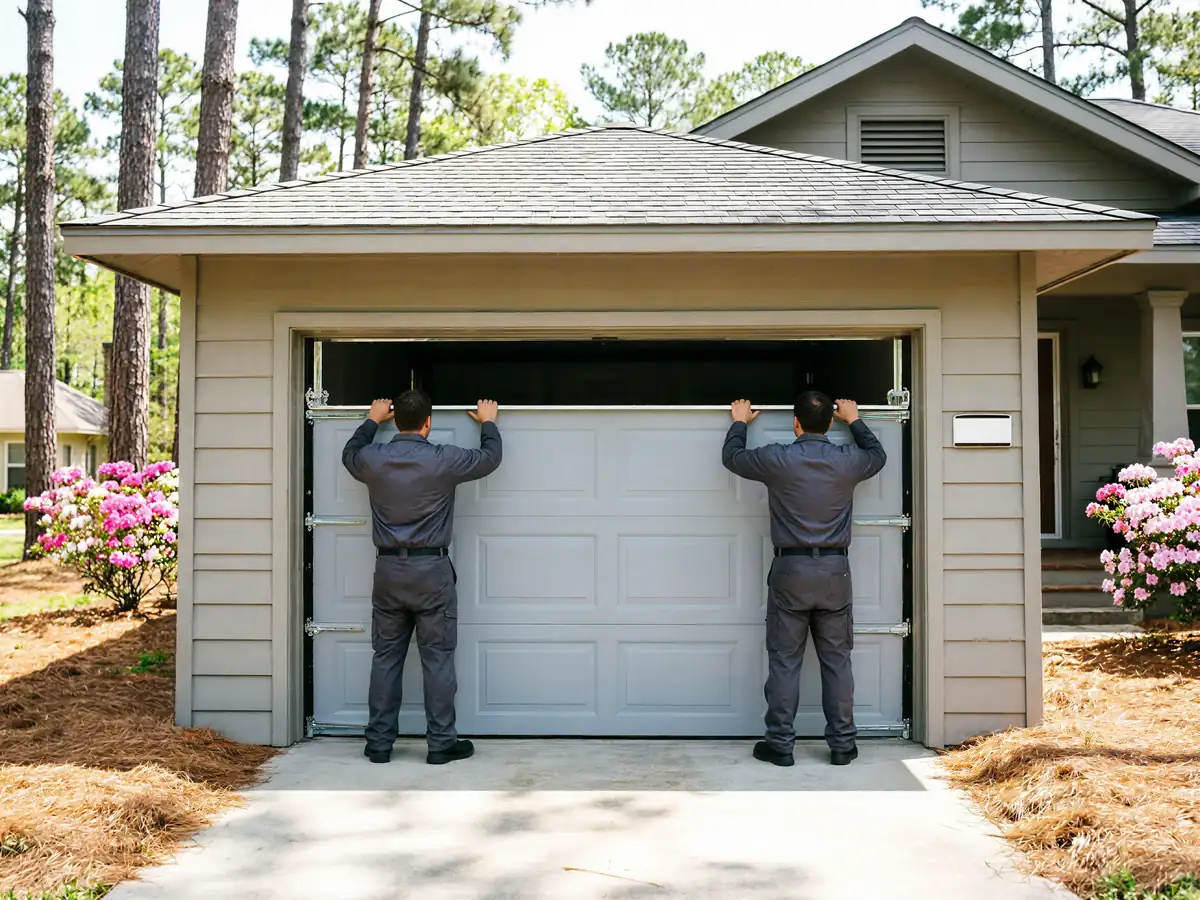
And we mention that only because it shapes one real decision homeowners here make more often than elsewhere: replacing an aging door outright rather than patching hardware that's near the end of its life. That's a call we'll lay out plainly when we're on site, not push either direction over the phone.
We travel the 10 miles out from Roanoke for both repair and replacement calls
Call and describe what the door's doing, and we'll give you a real number before any work starts.
- 10 miles
What Causes It Around Here
The failures we see in Blue Ridge track pretty closely with the age of the housing stock. A door built around 1977 is now on its second or third set of rollers at minimum, and the steel panels that were standard then are thinner than what's sold today, so dents and bottom-panel rust show up earlier than on a newer door.
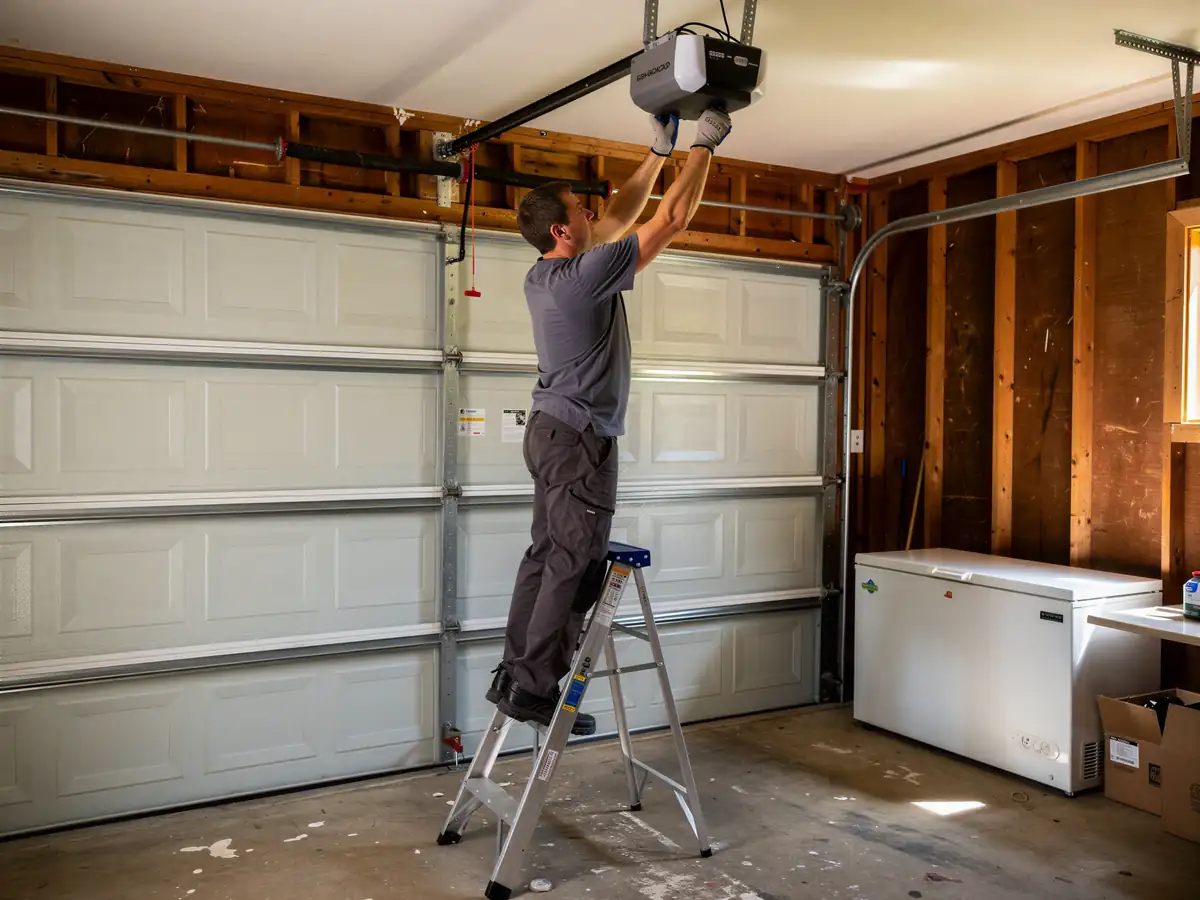
Cold-moderate winters add their own wear pattern: the opener's gear and sprocket assembly, if it's original or an early replacement, works harder against stiff, cold grease, and that's a common reason for an opener that grinds instead of lifting on the first cold mornings of the year. We see this pattern across the area, but a door built in 1977 has simply had more winters to accumulate it than a door from a newer section of the county.
None of this means the door's a lost cause. Most of what we find is maintainable - a spring swap, a track adjustment, new rollers - rather than something that forces full replacement. We'll tell you honestly which category your door falls into.