How We Fix It
Cave Spring is a smaller slice of the Roanoke service area - around 10,967 households, compared to roughly 40,029 across the whole territory we cover. That matters for maintenance because a smaller, more uniform pocket of houses tends to mean a smaller spread of door ages and hardware types. Here, the typical build year lands around 1978, which puts most doors and openers on the newer end of what we see across the broader area, where construction runs anywhere from 1953 up through the early 2000s.
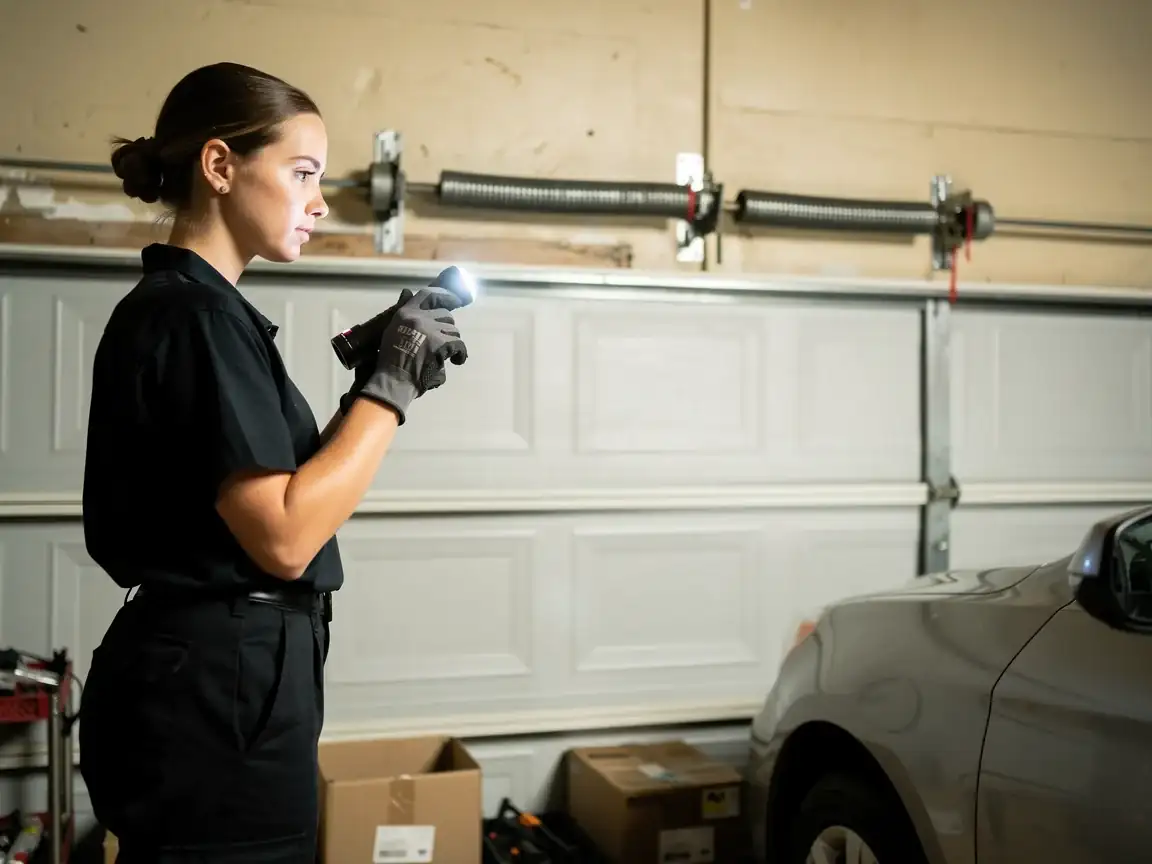
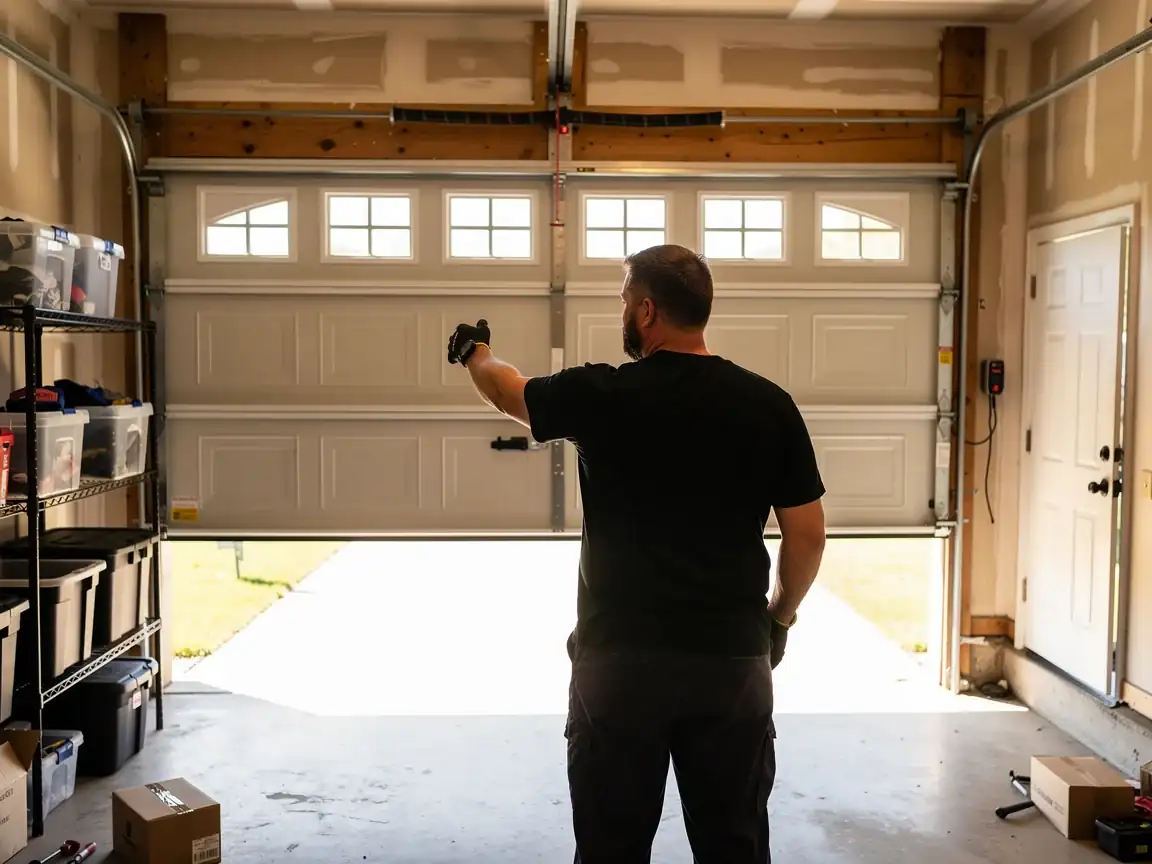
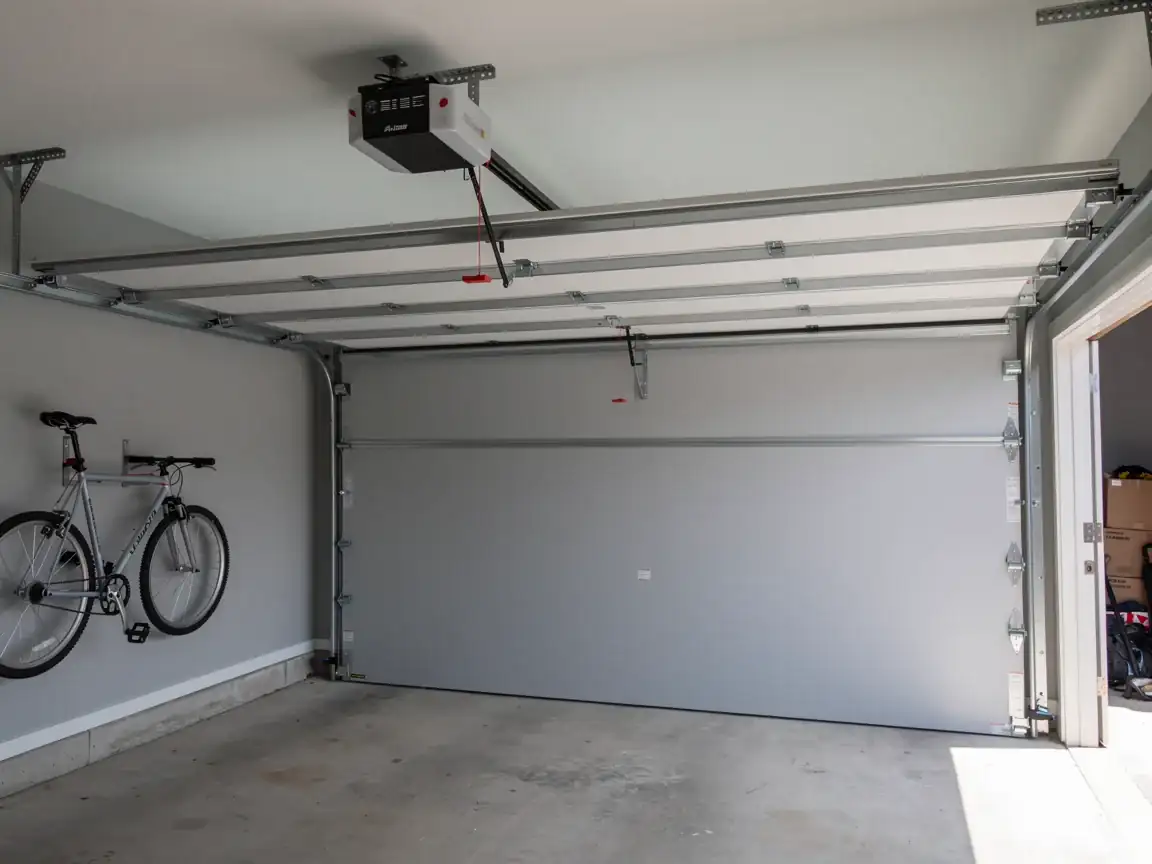
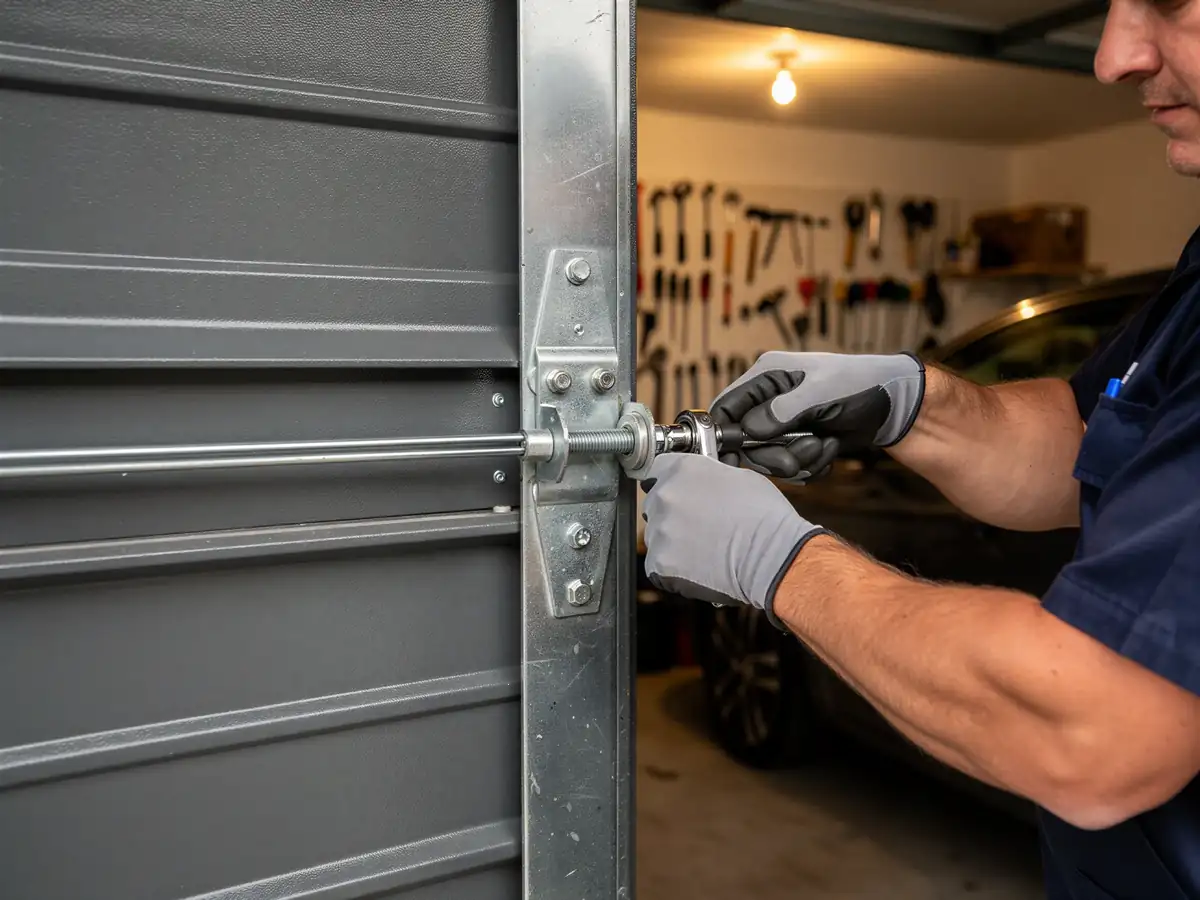
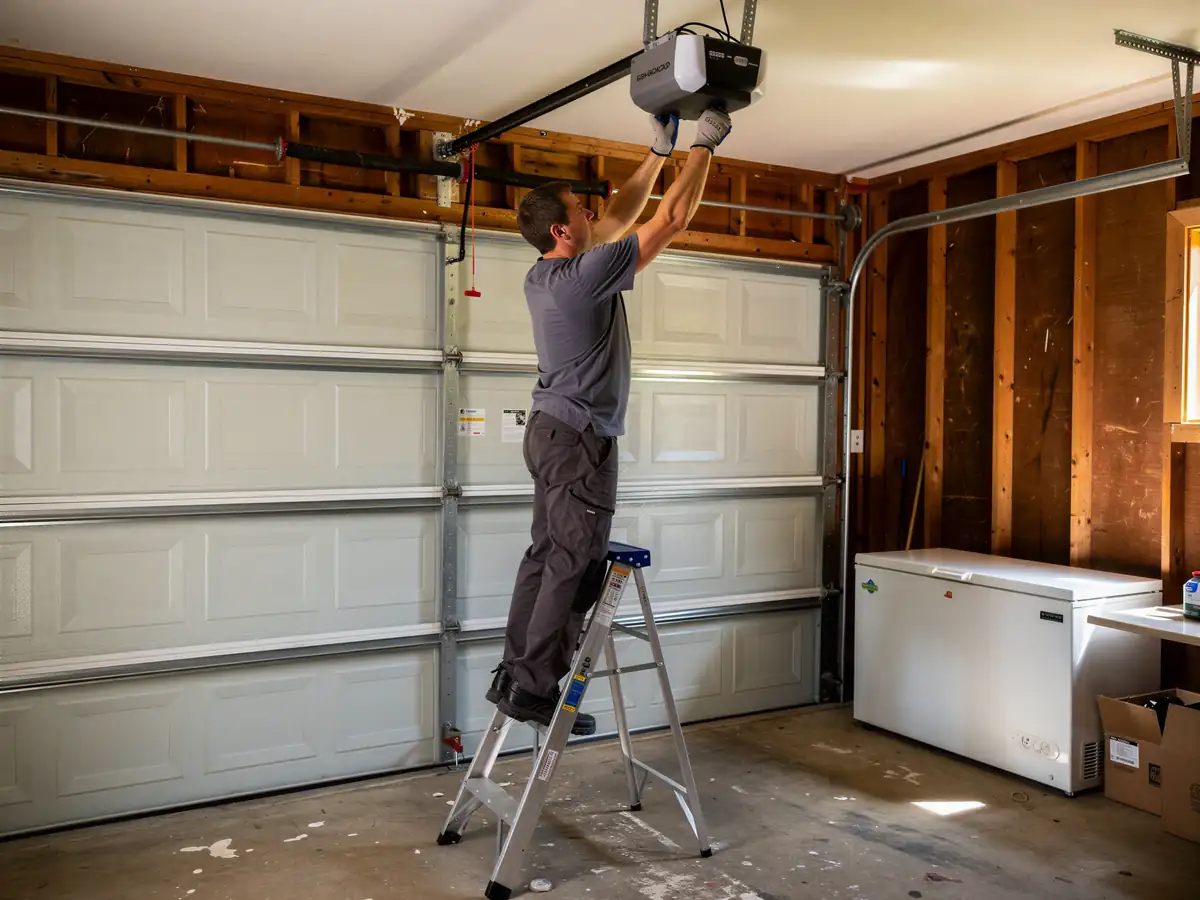
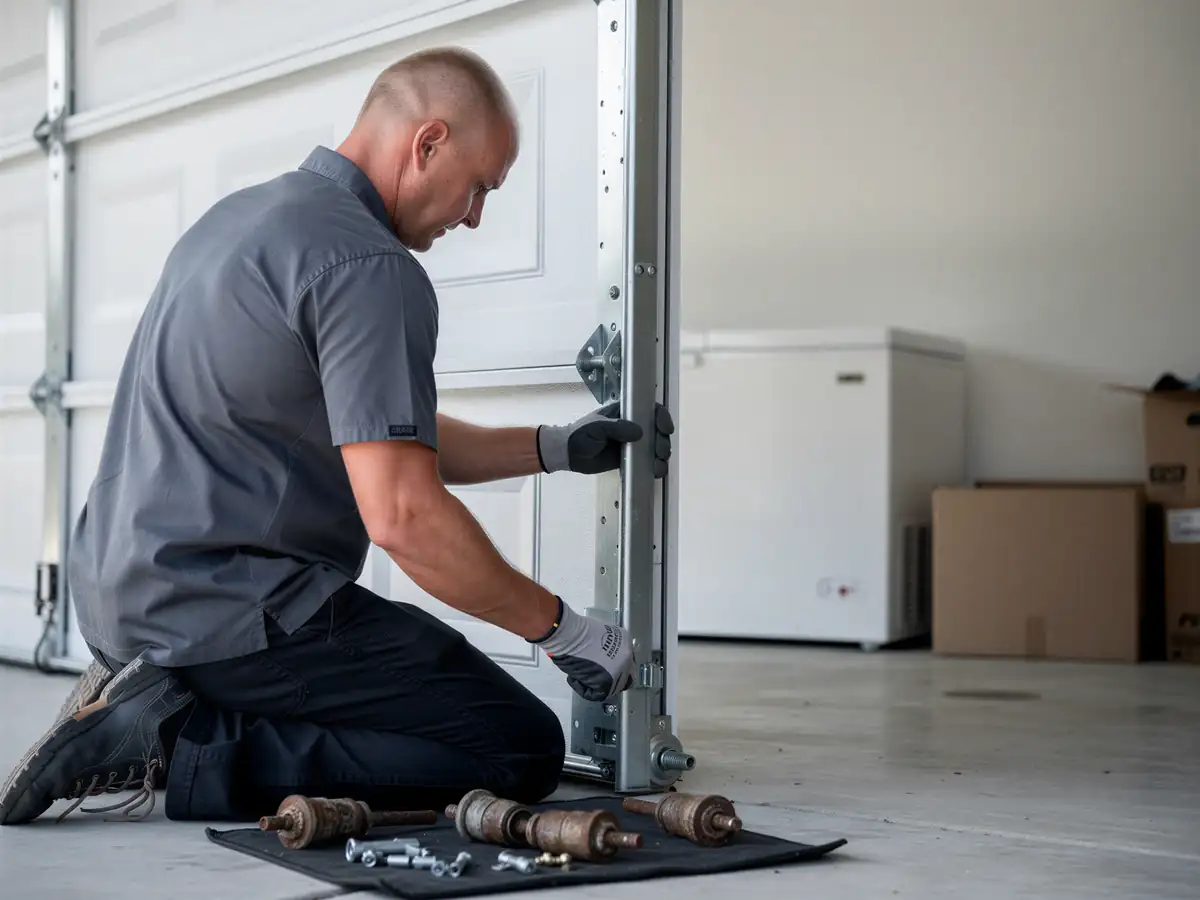
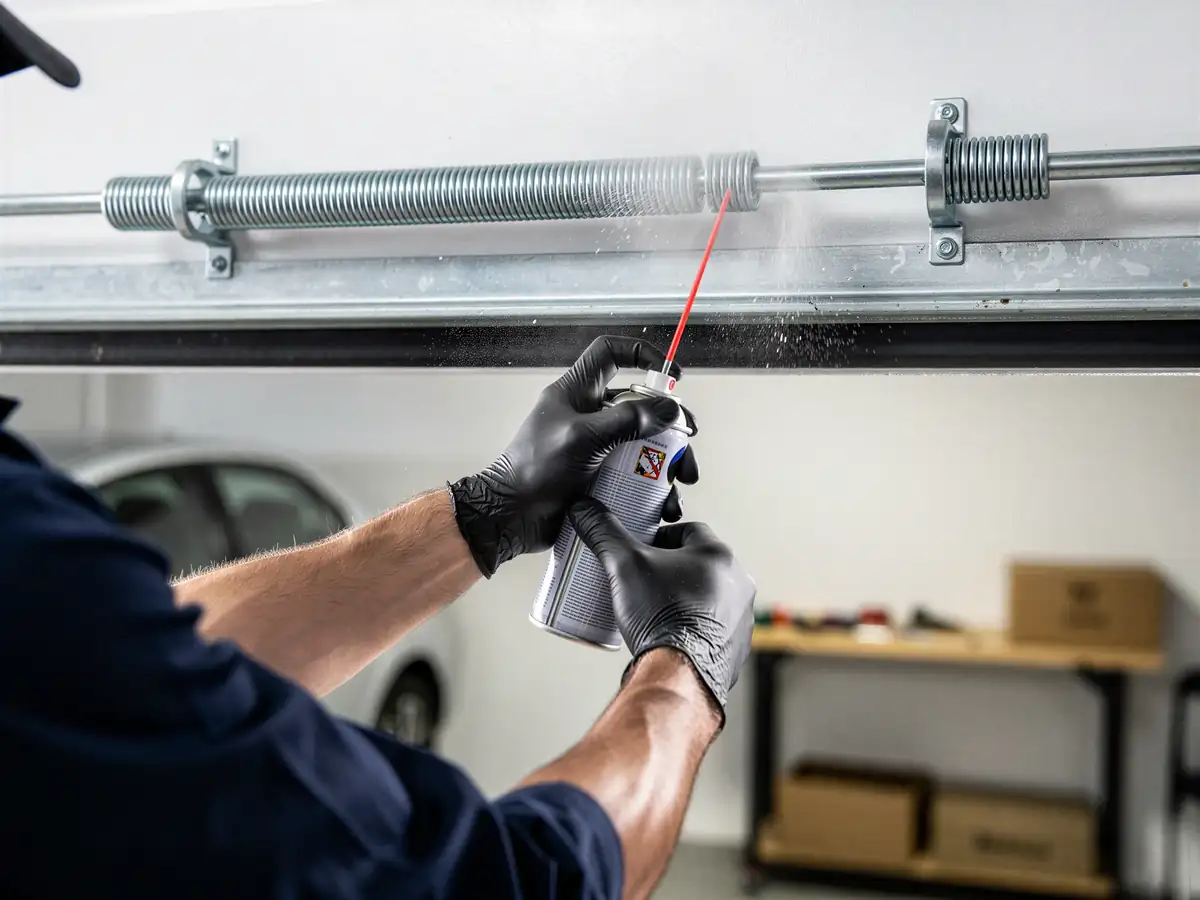
On a maintenance visit we check spring tension and balance, inspect cables and rollers for fraying or flat spots, lubricate hinges and track, tighten loose hardware on the header and jambs, and test the opener's force and travel settings. On a late-1970s door, the extension or torsion spring is usually original-era design even if it's been swapped once, and the opener is often a second or third unit on first-generation mounting brackets. We check that the bracket and rail are still rated for whatever opener is currently hung there, because mismatches are common after a DIY swap.
We don't do cosmetic panel touch-up or paint matching as part of a maintenance call - that's a separate job, and we'll say so up front rather than pad the invoice.
How Long It Takes
A standard maintenance visit on a single door runs about the same whether the house is in Cave Spring or anywhere else we travel to from Roanoke, but what changes is how much adjustment work shows up once we're on site. Houses built around 1978 are old enough that original springs are long past cycle life, but young enough that most of what we find is wear, not failure - a track slightly out of plumb, a roller worn to the point of noise, cable fraying near the drum.
If the opener is original to a 1978-era build, it's been replaced at least once by now, and that replacement unit is what we're actually servicing. We note the opener's install hardware and flag anything that looks like a mismatch between the rail length and the door's travel distance, which happens more often with aftermarket swaps on older brackets. None of that extends the visit by much, but it does mean we spend more time checking the opener-to-bracket connection here than we would on a newer build with everything original and matched.
Booking a Visit
We cover Cave Spring from our Roanoke base, about 4 miles out
Which puts it in the same close-in band as Vinton and Hollins. There's no branch or depot in Cave Spring itself - every truck starts from Roanoke and the short distance just means less drive time eaten into the appointment window.
- 4 miles
When you call, tell us the door's approximate age if you know it, whether it's a single or double
And whether the opener has ever been replaced. For a neighborhood built mostly in the mid-to-late 1970s, that last detail helps us bring the right hardware the first time instead of making a return trip for a part the truck didn't stock.
The Complications
The household income in Cave Spring runs higher than the service-area median - $85,314 here against roughly $71,199 across the wider territory - and in practice that shows up as more owners who've already had an opener upgraded or a door replaced at some point since the original 1978 build. That's good news for maintenance: fewer doors stuck with forty-year-old original springs, more with hardware that's been touched in the last decade or two.
The complication is the opposite one - mixed generations on the same house. We've found torsion springs rated for one door weight paired with an opener sized for a different, heavier door after a panel replacement, or a newer opener bolted to an original 1970s header bracket that's never been re-torqued. None of that is a Cave Spring-specific defect, but it's what a 1978-median building year plus one or two owner-driven upgrades tends to produce, and it's exactly what a maintenance visit is supposed to catch before it becomes a spring failure or a dropped door.
The area's winter climate is the other factor - cold enough that stiff, under-lubricated springs and dry rollers are a seasonal complaint, not a one-time issue.
What It Costs
We don't have a posted flat rate to quote here, and we're not going to invent one. What we can tell you is what drives the number up or down: single versus double door, whether the opener needs force/travel recalibration versus just a visual check, and whether we find a part that needs replacing rather than adjusting - a cable showing fray, a roller cracked at the stem, that kind of thing.
Given the mixed-generation hardware common in a neighborhood built around 1978 with later opener upgrades, it's common for a maintenance call here to turn into a small parts swap rather than a pure inspection. We'll always quote any additional part before we install it, not after.