How We Fix It
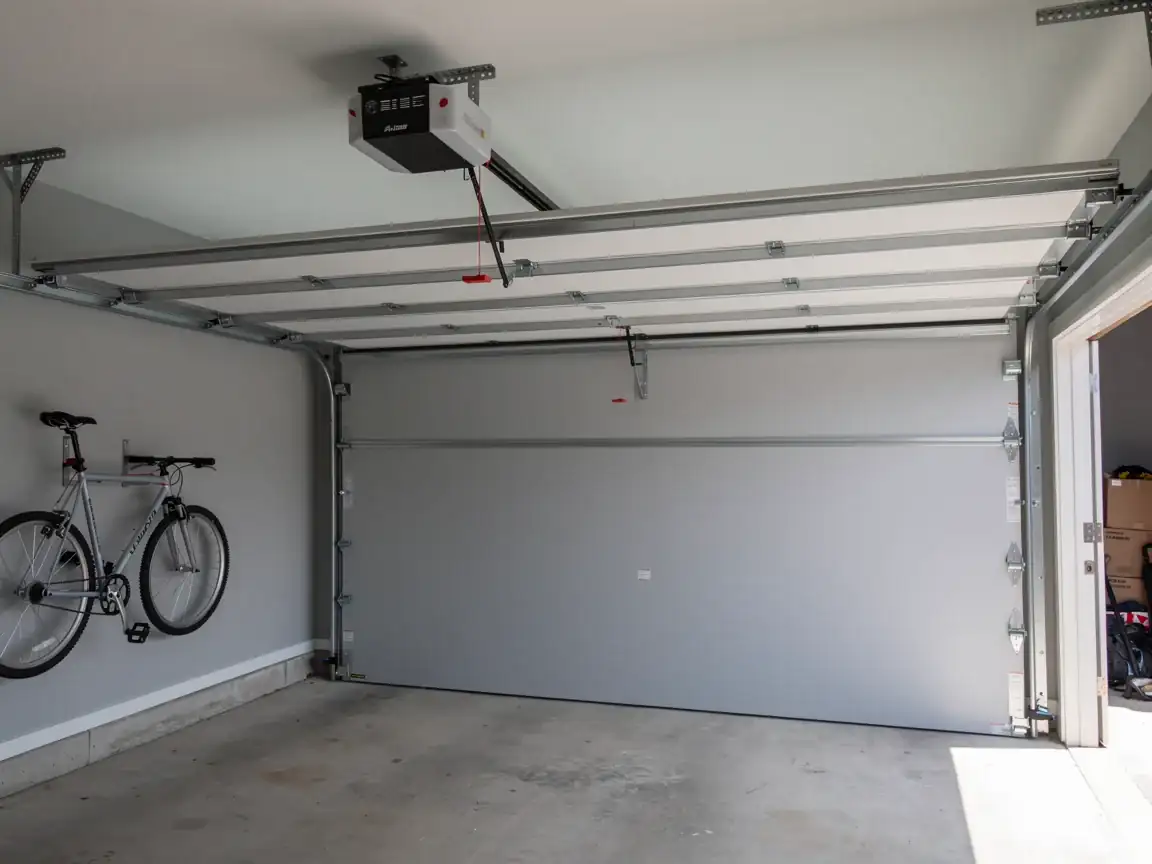
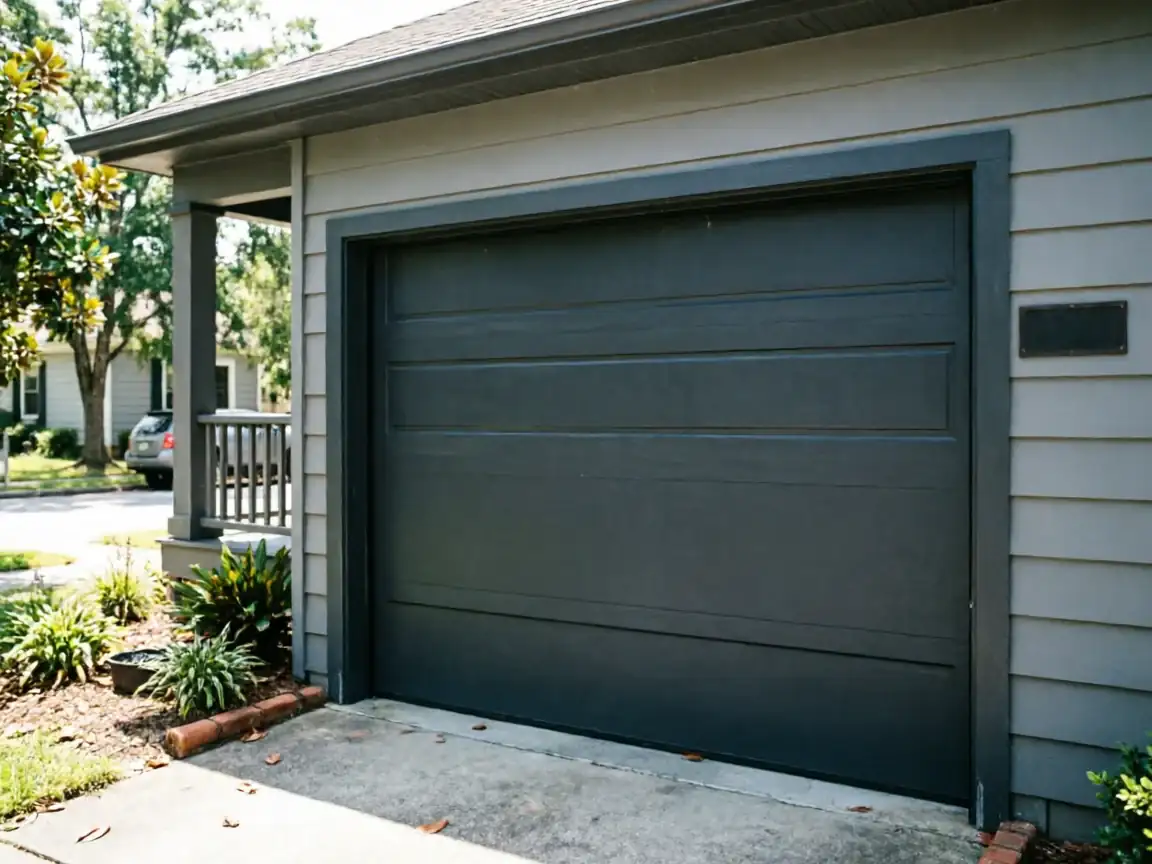
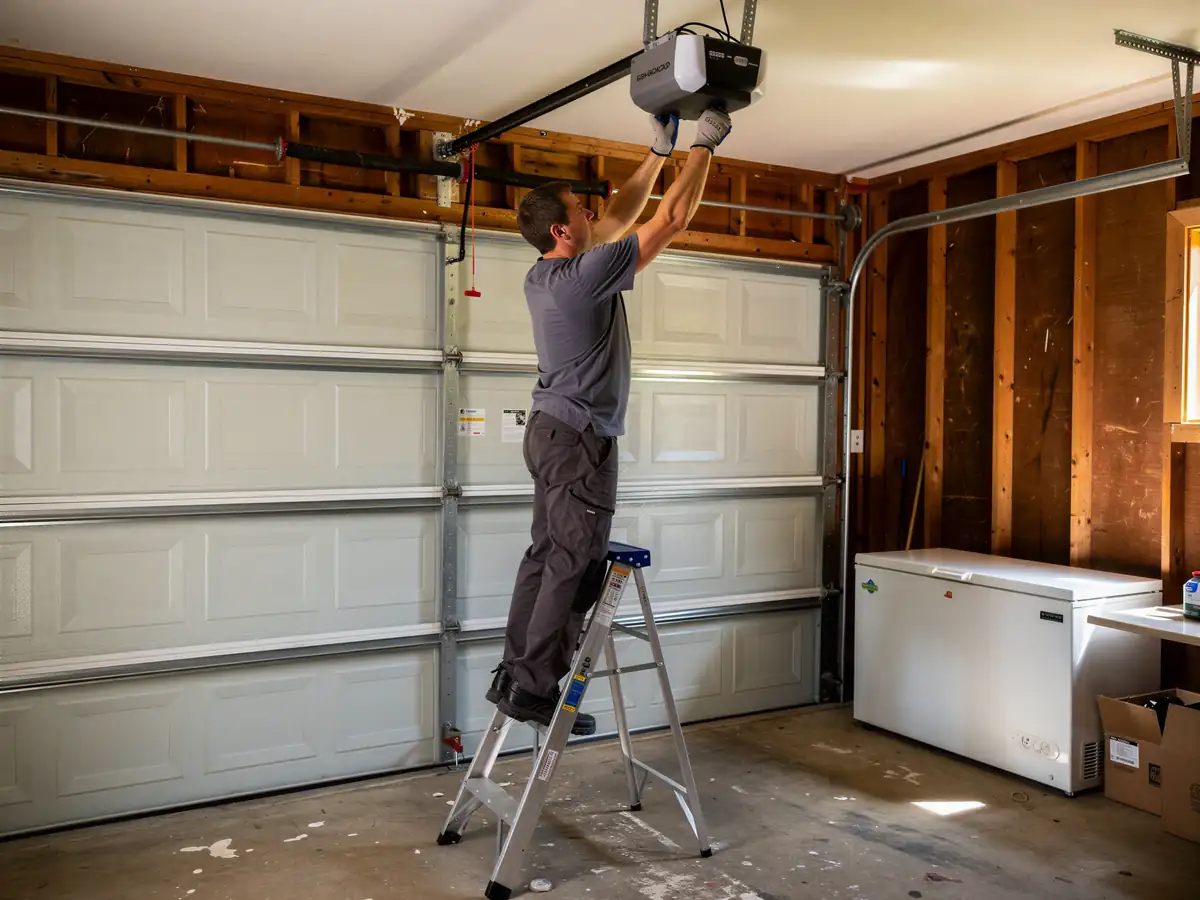
Most houses in Cave Spring went up around 1978, right in the middle of the broader 1960s-70s building wave that shaped this part of the Roanoke area. That year matters more than people think. A door from that era is almost always a steel sectional on a standard torsion spring, but the opener behind it has usually been swapped at least once, sometimes twice, by whoever owned the house before you. That mismatch is where we see the most trouble: a newer opener bolted to 40-year-old track brackets, or a spring sized for a door that isn't the one on the house anymore.
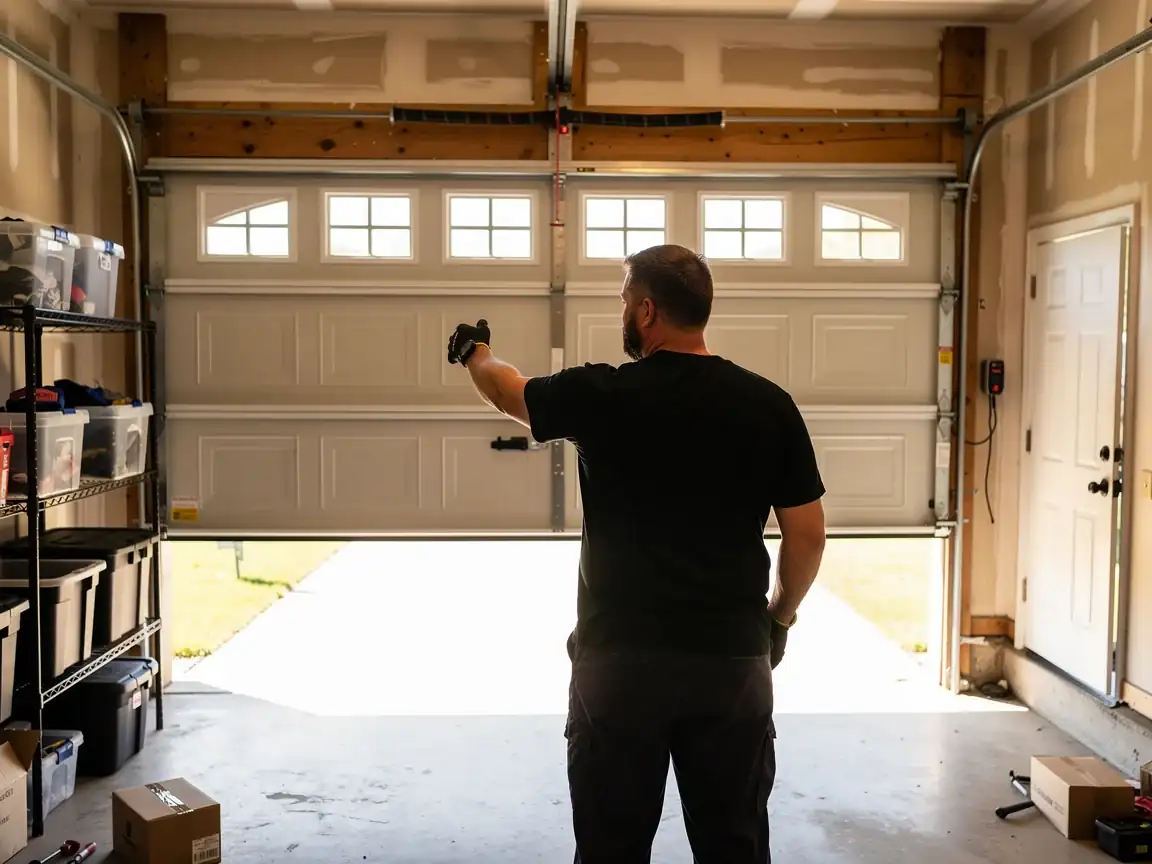
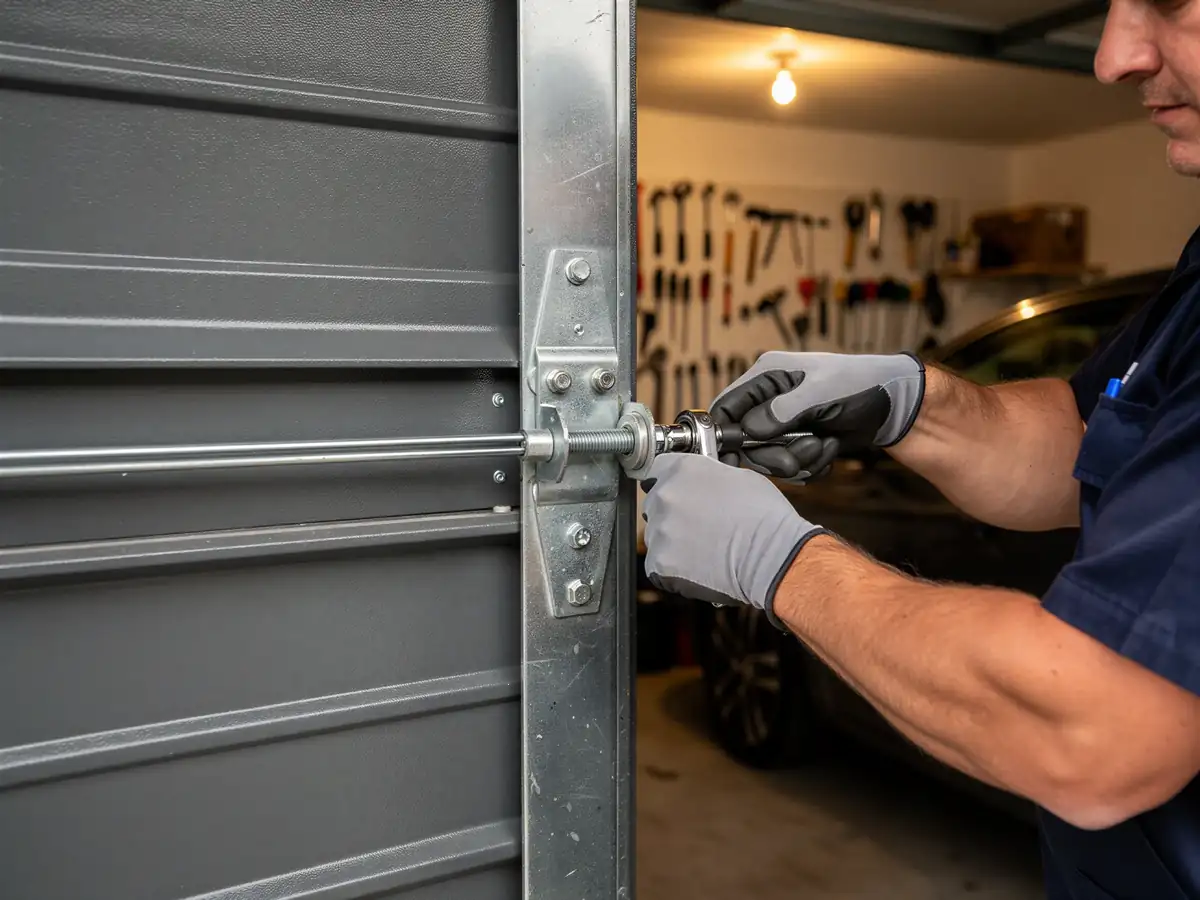
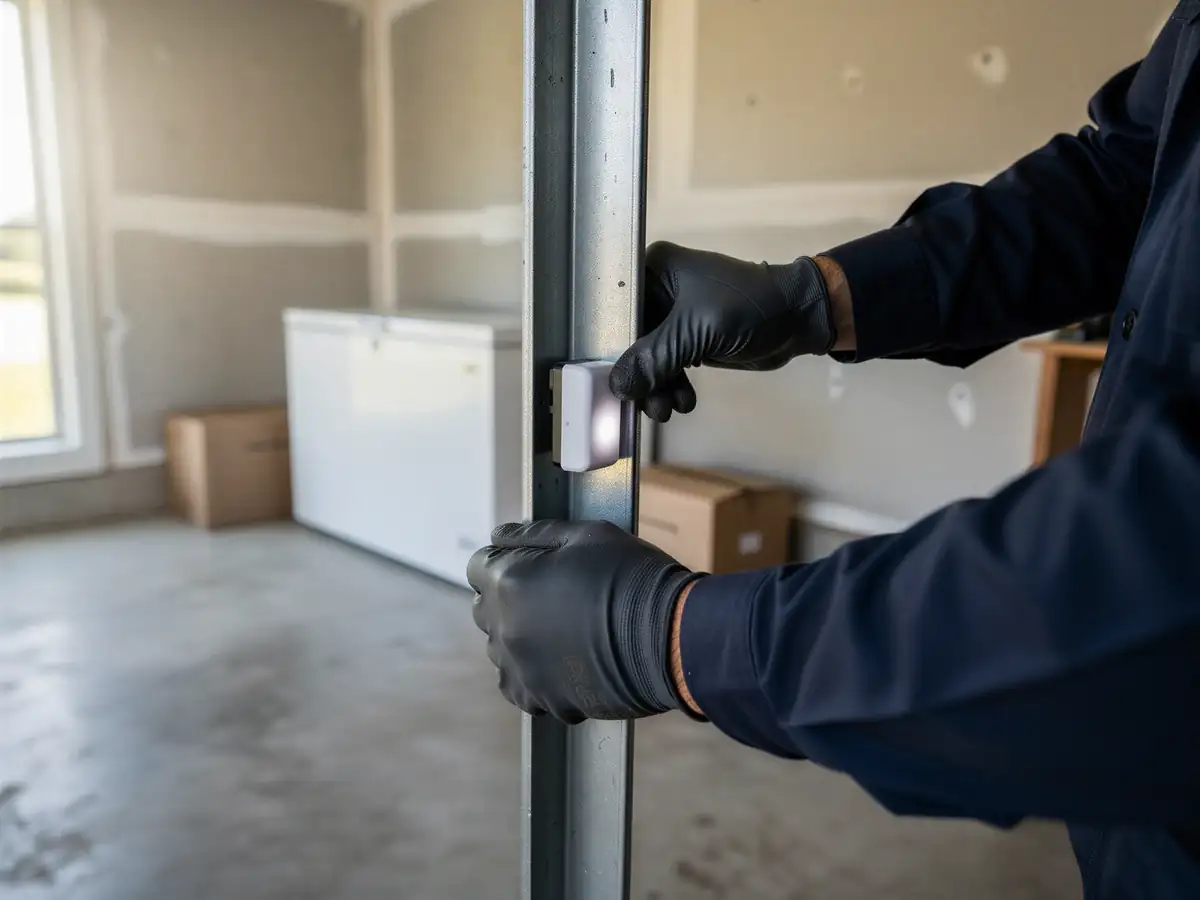
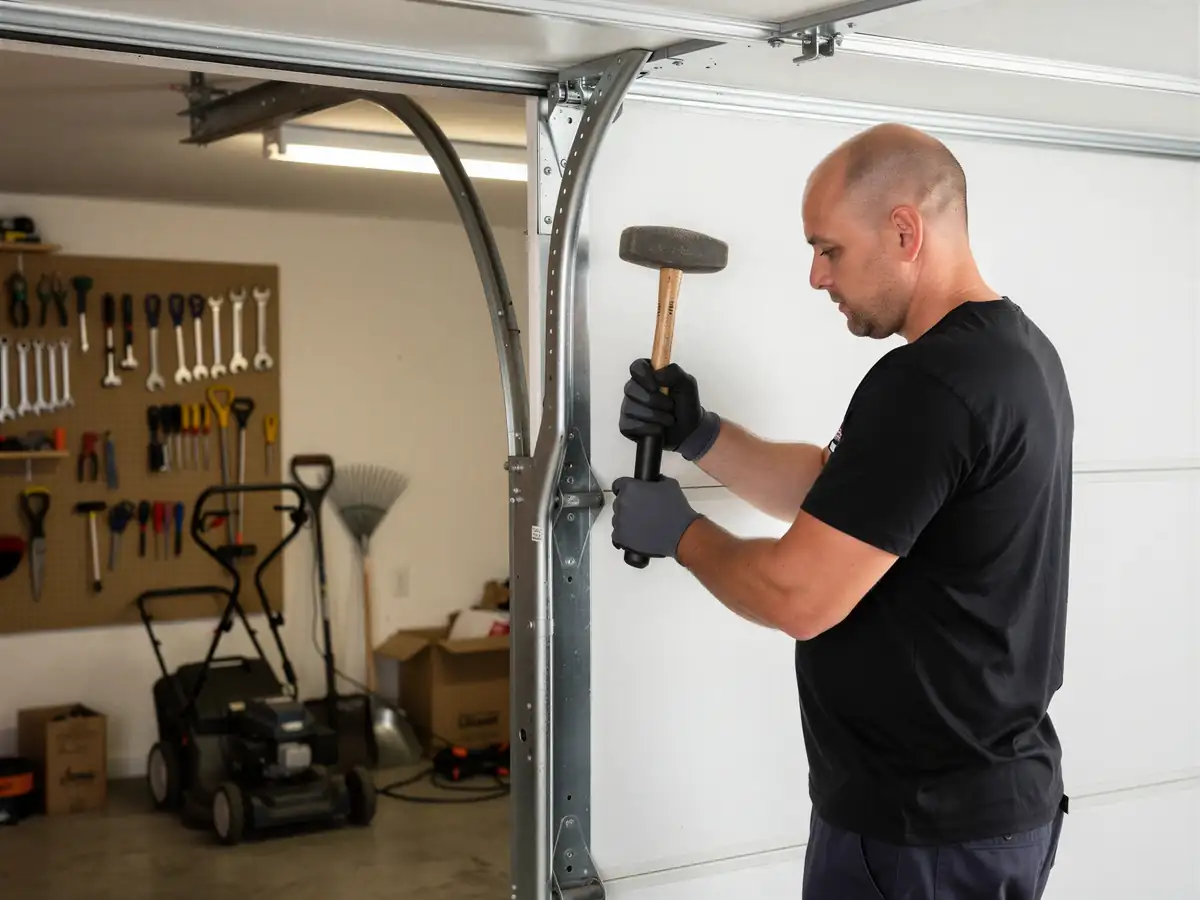
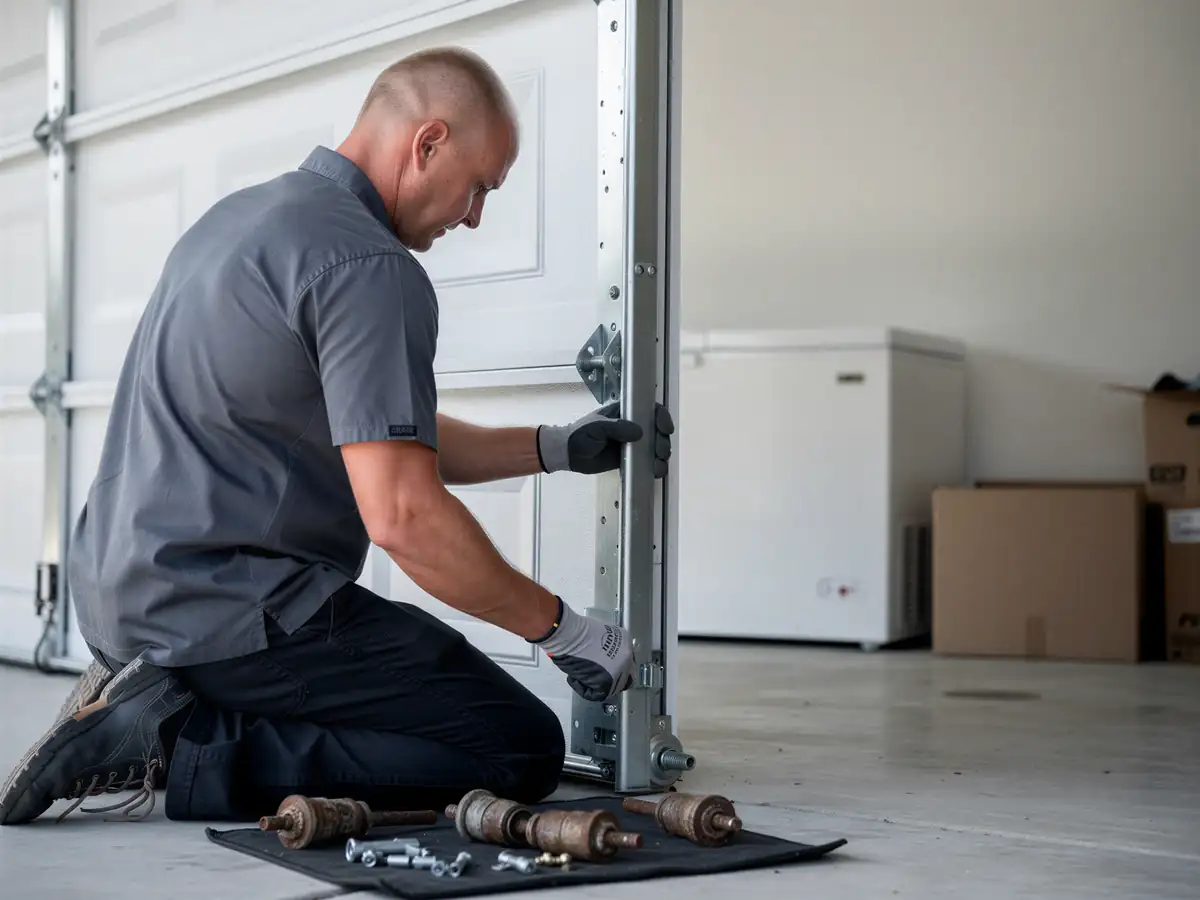
We start by checking what's original and what's been replaced, because on a house this age the two rarely match. Track alignment on bent or sagging rail is common once a door's been in service that long, and rollers that were fine ten years ago are usually the reason for the grinding noise now. We're coming from Roanoke, about 4 miles out, so we bring what a typical 1970s-era torsion setup needs rather than guessing once we're on site.
One limit worth saying up front: if the track or frame has been reworked more than once by different installers, we may need a second trip to source a part that isn't standard stock. That's rare, but it happens on houses this age.
How Long It Takes
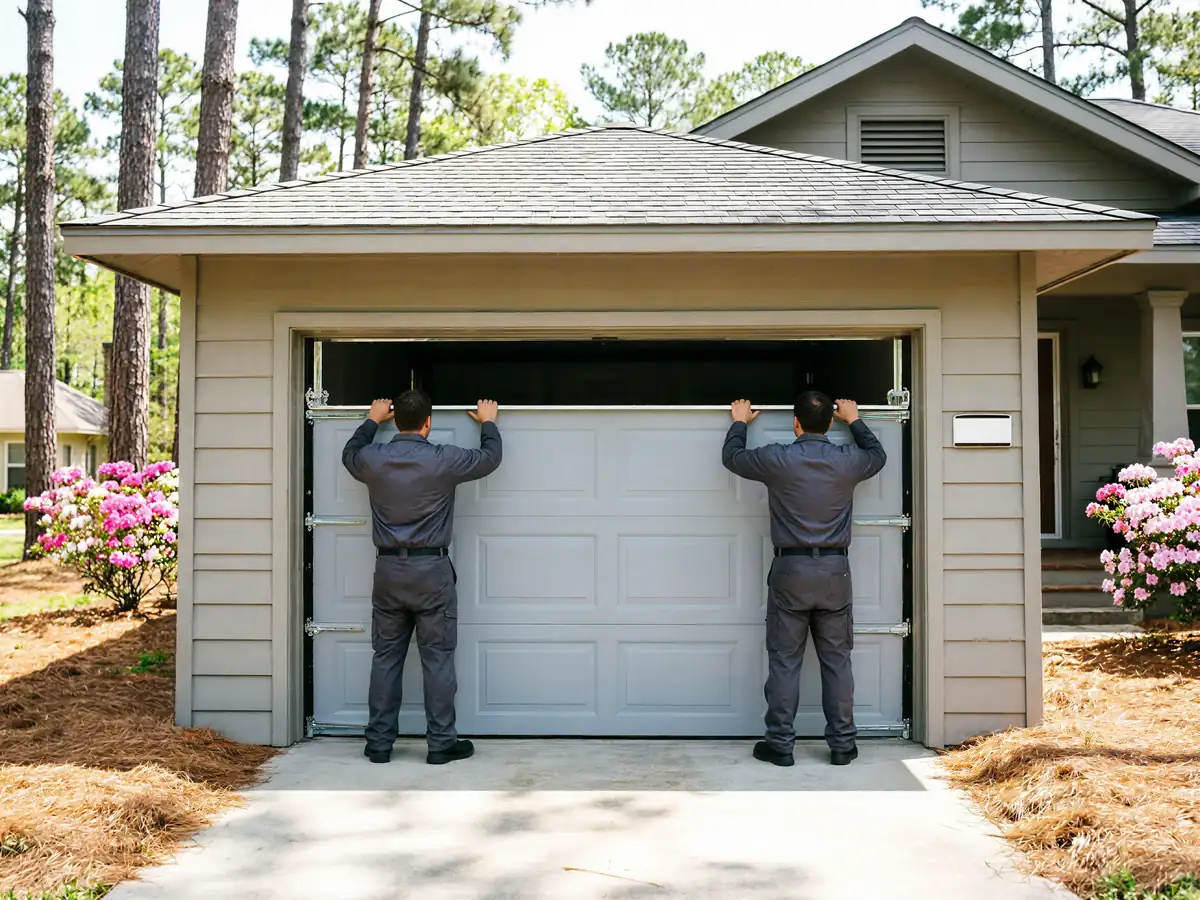
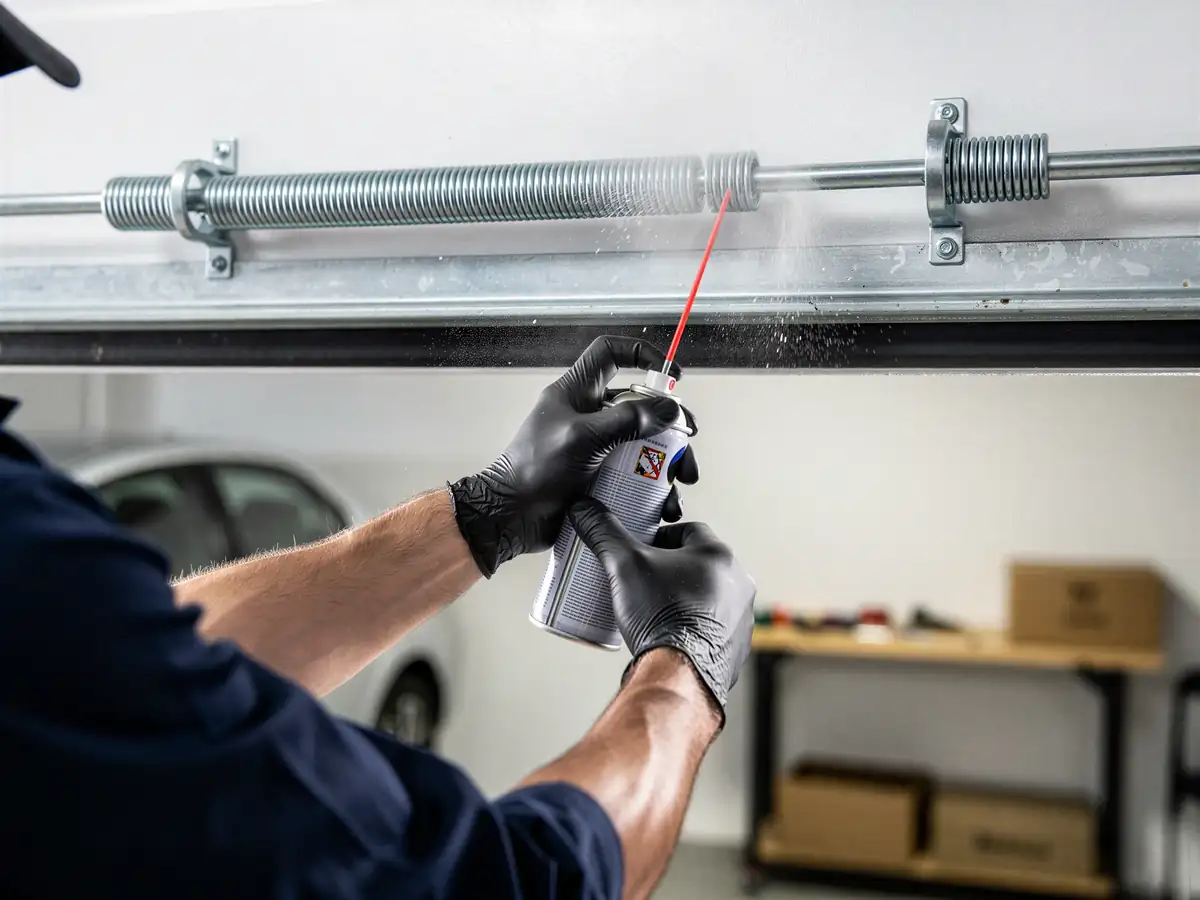
A straight spring or cable job on a 1978-era torsion door is usually a same-visit fix once we're on site - the hardware is well understood and parts for it aren't exotic. Where it runs longer is when the opener has been replaced but the track or drums haven't, which we see often enough in this part of the service area that it's not unusual.
We travel the 4 miles from Roanoke for every call here, so there's no separate branch timing to factor in - just the drive plus the job itself. If a part needs ordering because the door's been modified from its original build, we'll tell you that on the spot rather than let you wait and wonder.
Booking a Visit
Tell us the house's rough age if you know it and what the door's doing
Won't open, drags on one side, opener runs but nothing moves. On a neighborhood built mostly in the 1970s, that detail alone often tells us whether we're looking at a spring, a cable, or a track that's walked out of alignment over the years.
We cover Cave Spring from our Roanoke location
So there's no local office to swing by, but the drive out is short. See the Cave Spring service page for what we handle here, or the Roanoke service page if you're outside this immediate area.
The Complications
The main complication in a neighborhood built around 1978 is layered repairs. A door that's 45-plus years old has usually had at least one opener swap, sometimes a spring replacement done by whoever was cheapest at the time, and occasionally a full panel replaced after a dent or a backed-into-it moment. None of that is a problem by itself, but it means the hardware on site often doesn't match what you'd expect from the build year alone.
With a median household income of $85,314 and roughly 10,967 households in the area, this isn't a neighborhood where people are routinely replacing whole doors for cosmetic reasons - more often it's a targeted repair, which is also why mismatched parts show up so often. The cold-moderate climate here doesn't baby hardware the way a milder region would; seals and rollers on an older door take more of a beating from seasonal temperature swings than people expect.
We'll tell you straight if a repair isn't worth it. On a door this old, sometimes the honest answer is that patching a track that's already been reworked twice costs more over time than just replacing it.
What It Costs
We don't publish a flat number here because what a 1978-era door needs varies more than people expect - a clean spring swap costs a lot less than a track realignment plus roller replacement on a door that's had several owners' worth of fixes layered onto it. What we can tell you is that we price the job after we've actually looked at the hardware, not off a phone description, because on houses this age the gap between those two things is often the whole story.
Given the household numbers for this area, most of what we quote here is repair-scale work, not full replacement. We'll always say so if replacement is the cheaper path long-term.