How Long It Takes
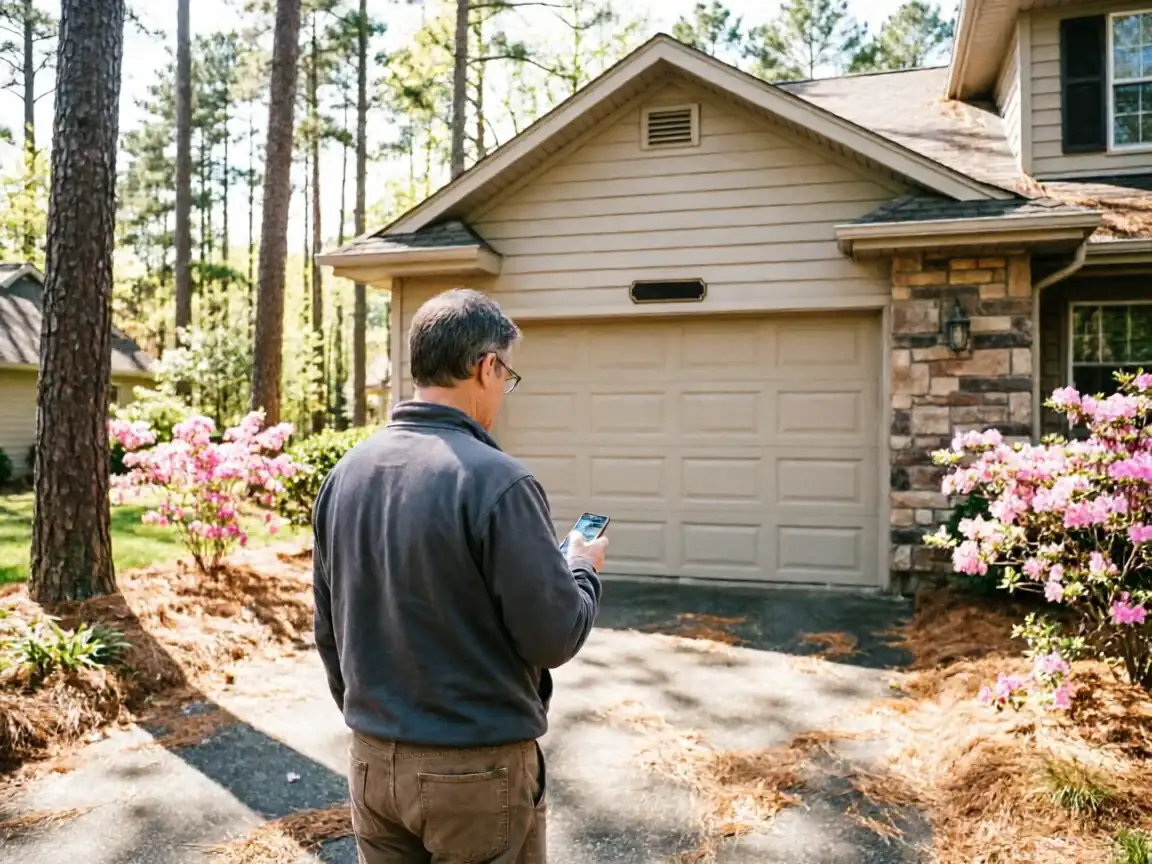
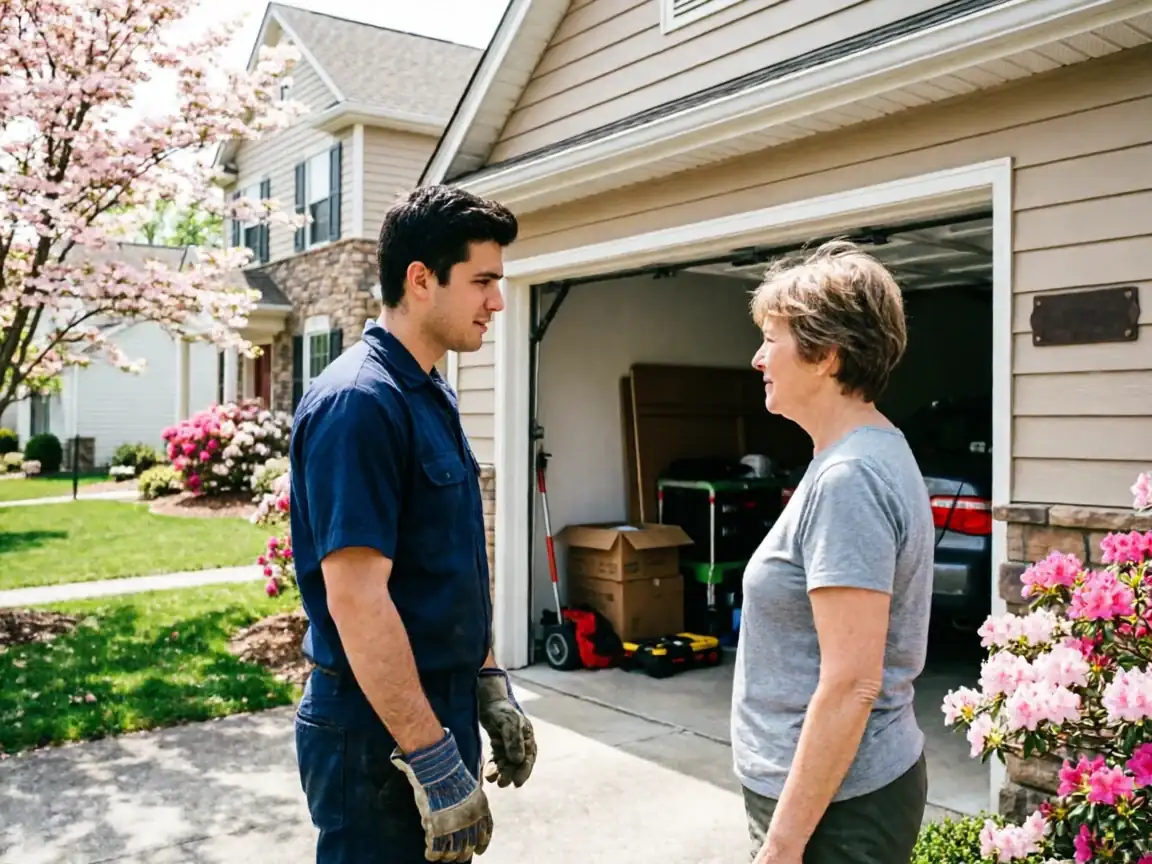
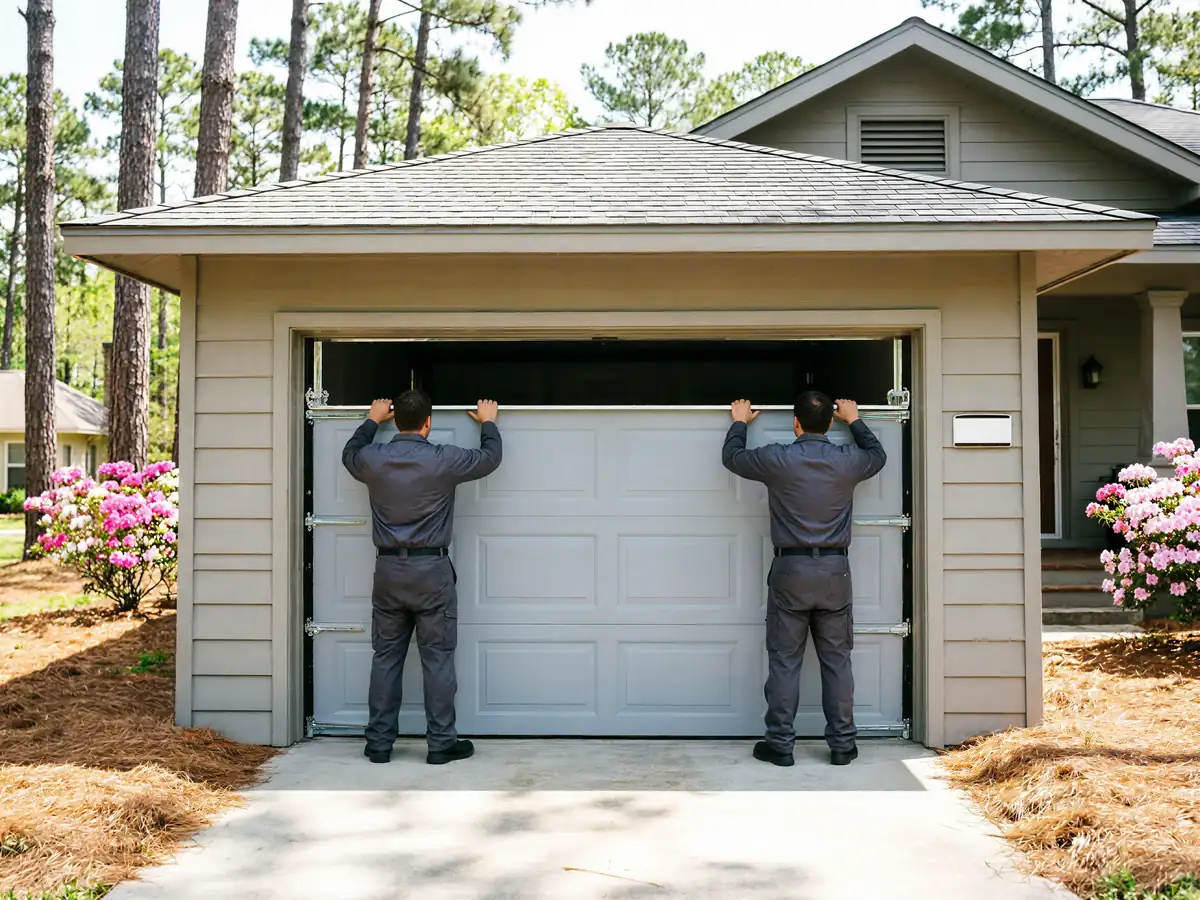
Hollins sits about 4 miles from our shop in Roanoke, which is a short run compared to the farther edge of the service area out past Fincastle or New Castle. That short distance doesn't change the job itself, but it does mean less of the day burns on the road and more of it goes to the actual repair. A broken spring or a cable off the drum on a standard double door is usually a one-visit fix. Where it slows down is parts. If your opener board or a specific spring size isn't something we carry on the truck, that part has to be ordered, and we won't pretend otherwise. Houses in this pocket of the county were mostly built with hardware standard to the mid-1970s, so most of what we need is common stock. Less common sizes, especially on doors that have already been replaced once with a mismatched unit, can add a day or two. We'll tell you straight when we're looking at a same-day job versus a return trip, rather than guessing out loud.
Stocked Parts
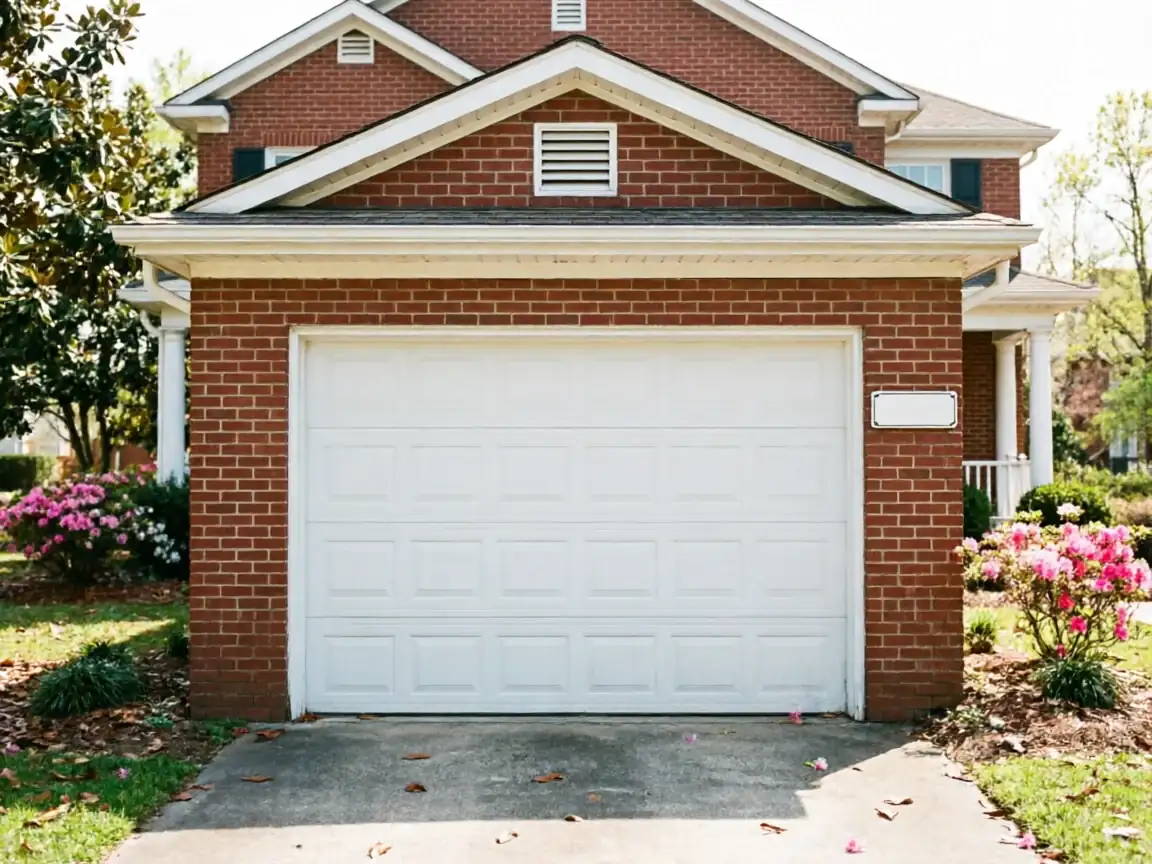
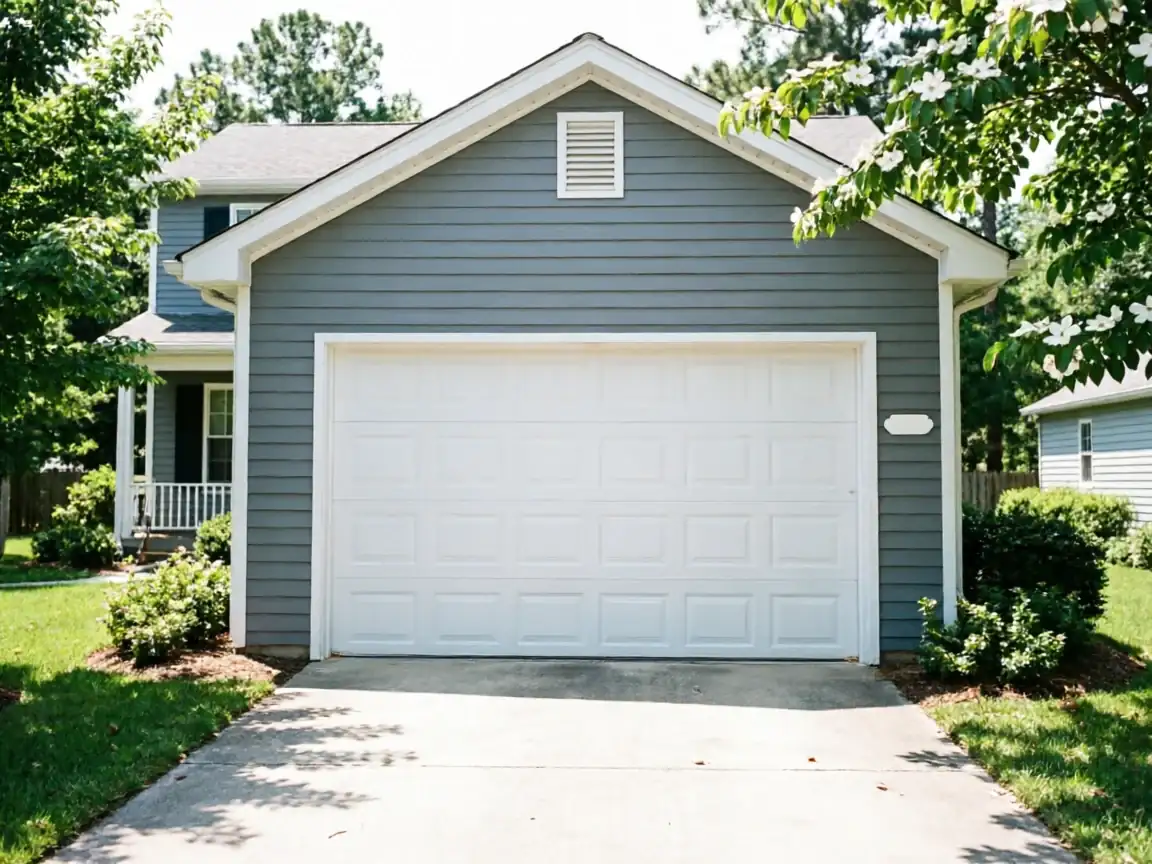
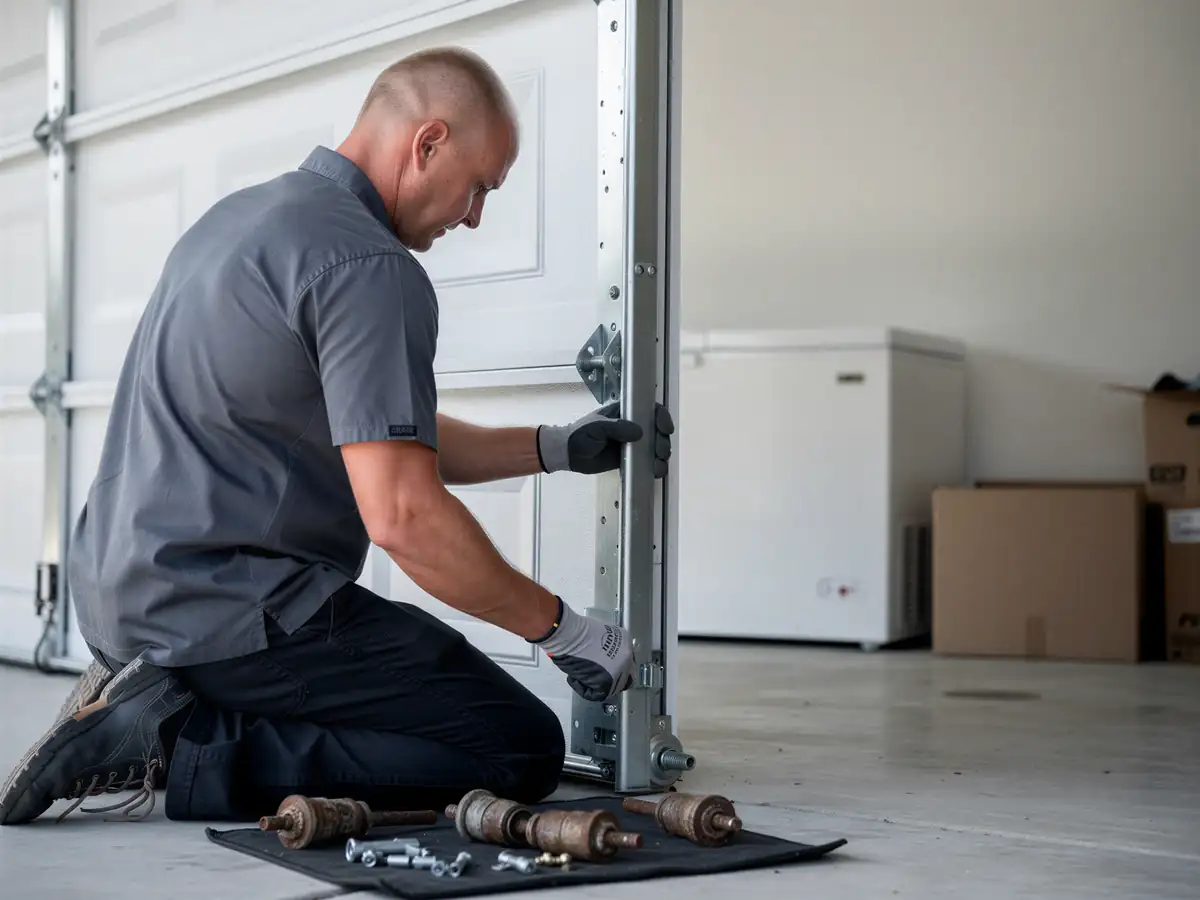
The median home near Hollins was built around 1976, and a lot of the surrounding stock runs 1960s into the 1970s, same as the wider service area. That means the doors we're usually opening up are steel sectional panels on torsion springs sized for the standard 7-foot and 8-foot openings common to that building wave, not the taller or custom openings you see on newer construction. We carry torsion springs in the wind and wire gauges that match those openers and doors, along with the rollers, hinges, and end bearing plates that wear out on a door that's been cycling for forty-plus years. Extension spring setups show up less often here but we stock those too. What we don't carry on the truck is anything custom - a non-standard panel width, an odd-color factory finish, or an opener model that's been out of production a long time. Those get special-ordered, and that's the honest limit of same-day service on anything outside the common sizes.
The Complications
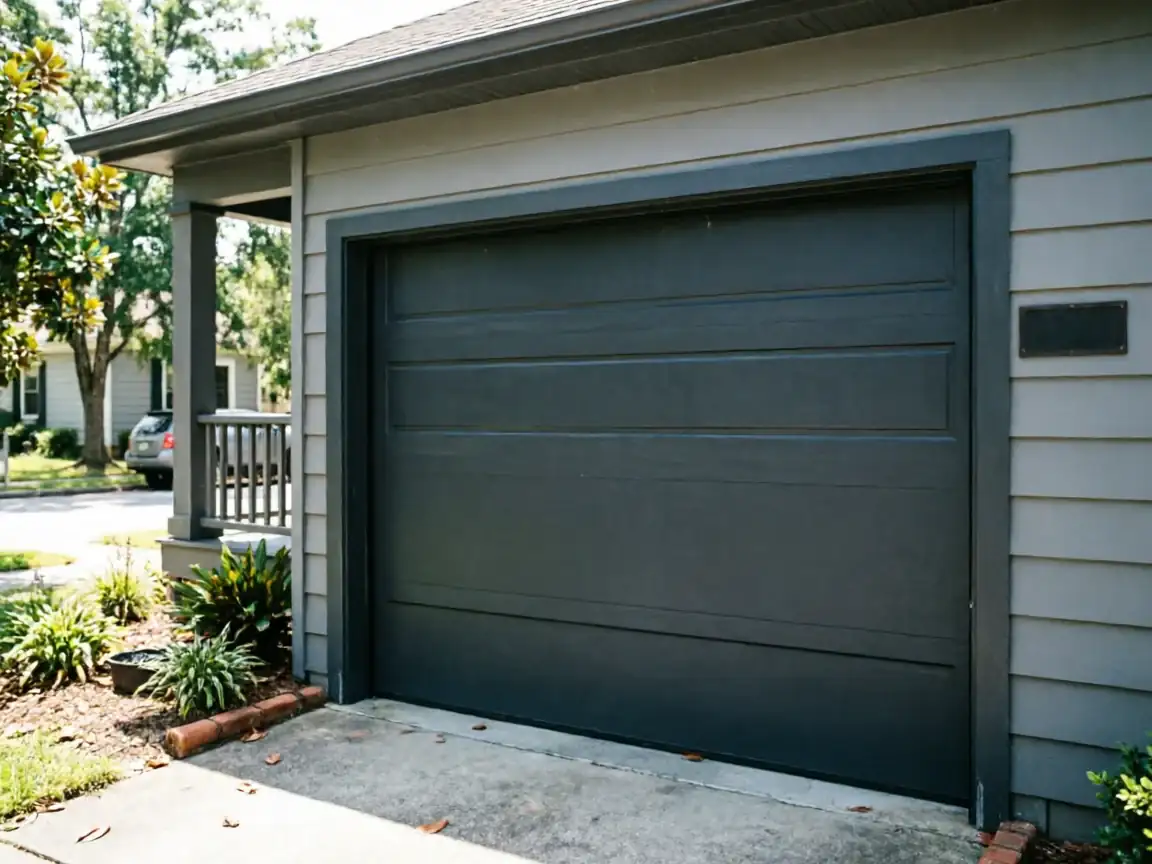
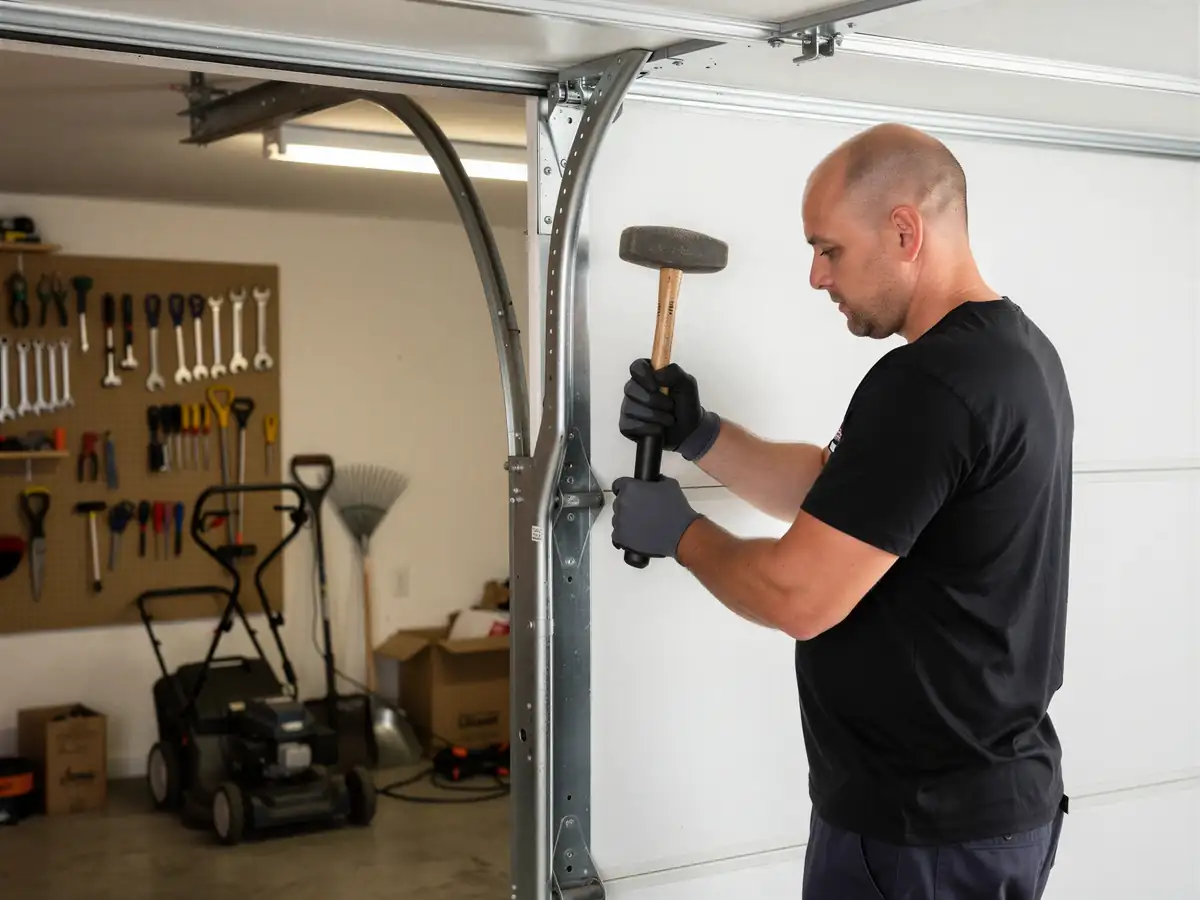
The complication with houses from this era isn't usually the door itself - it's everything the door is bolted to. Wood jambs and header framing from the 1970s have often shifted slightly over the decades, so a replacement track that should be a straight swap needs shimming to sit right. Openers from a later retrofit don't always match the original door weight, which throws off spring sizing if nobody checks it. And here's the honest limitation: once a panel is dented or rusted through on an older door, we usually can't source a matching replacement panel. At that point patching isn't a real repair, it's a stopgap, and we'll say so rather than charge you for one. Given that median household income in this area runs a bit above the wider service area average, we find most owners would rather pay once for a full door replacement than keep feeding parts into a door that's fighting its frame. We won't push that decision on you, but we'll tell you when a repair is the wrong bet.
How We Fix It
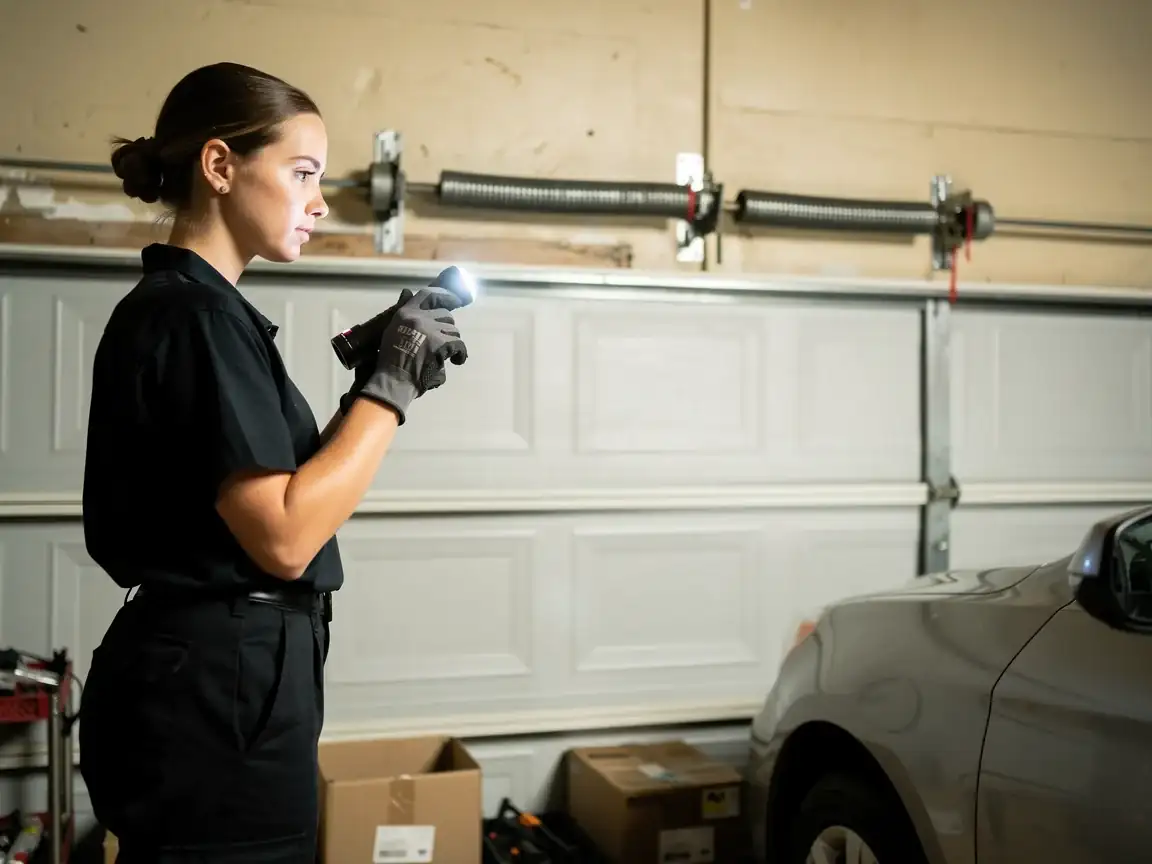
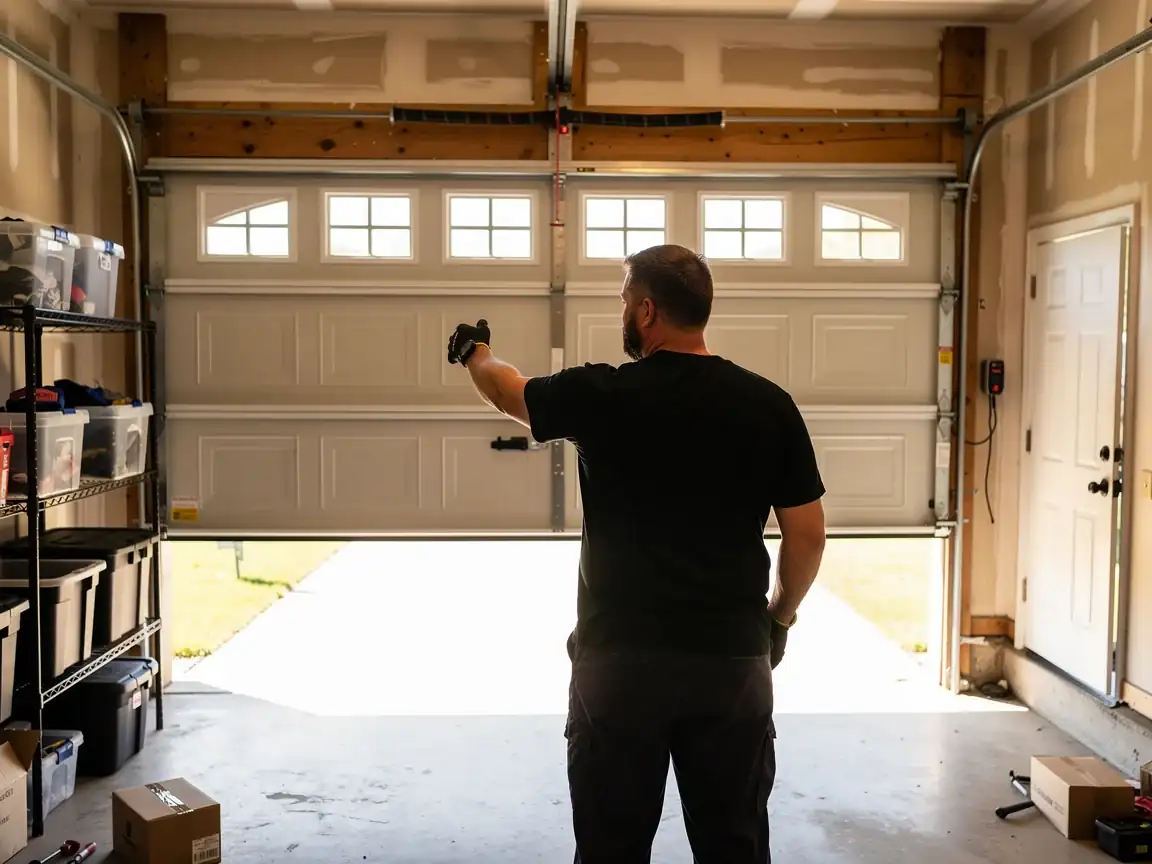
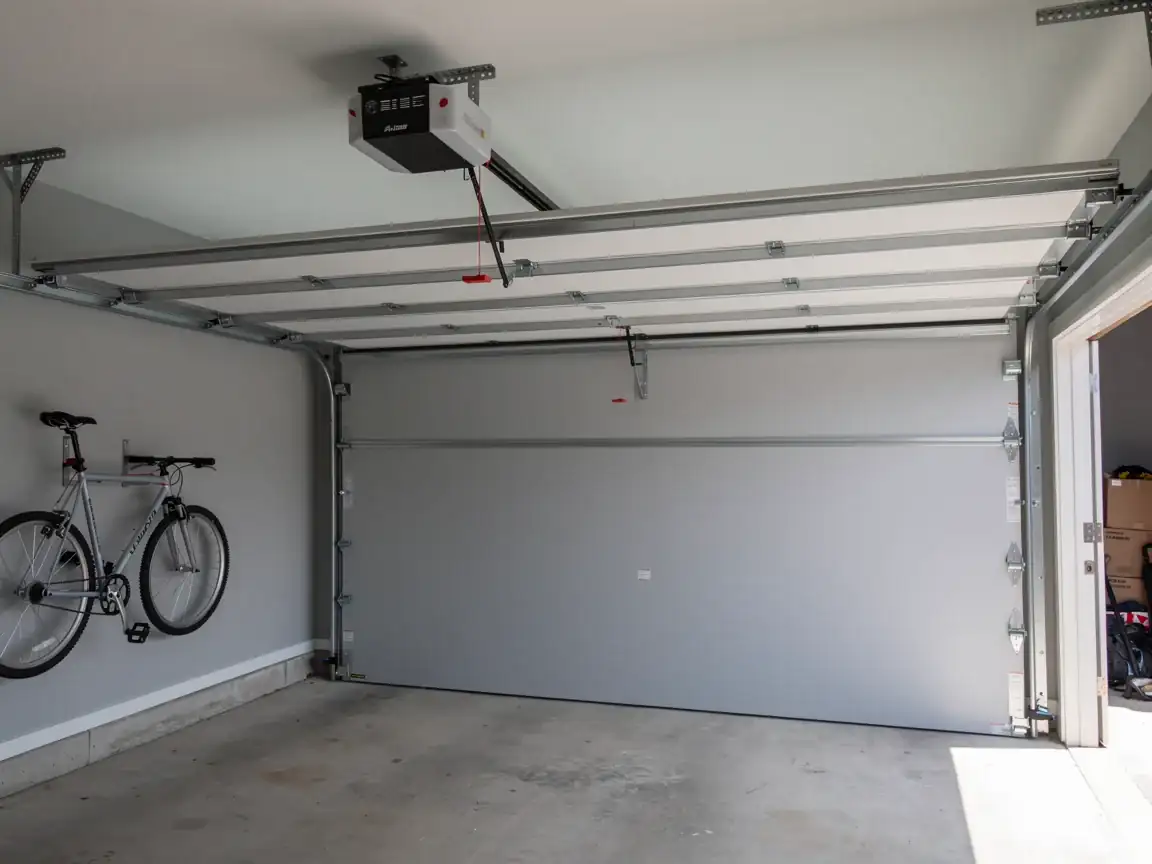
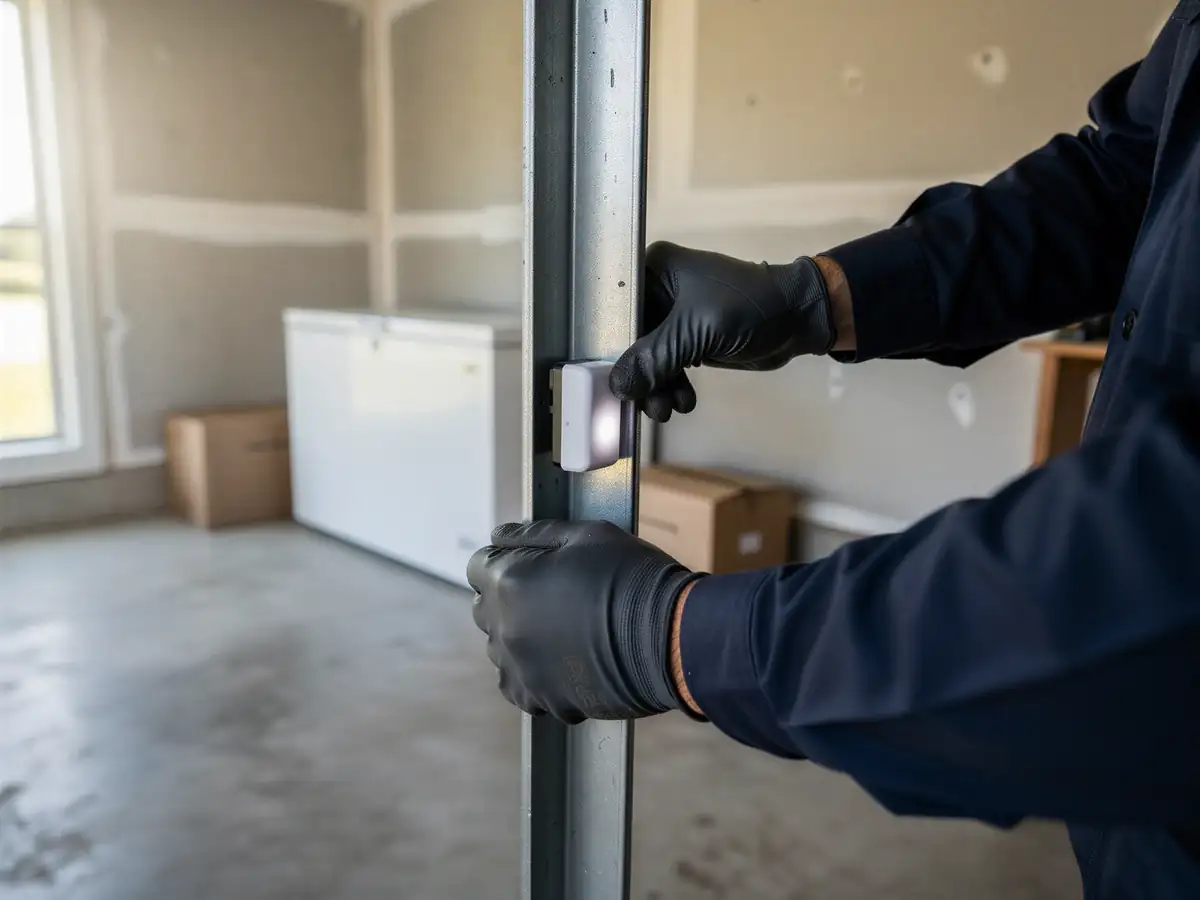
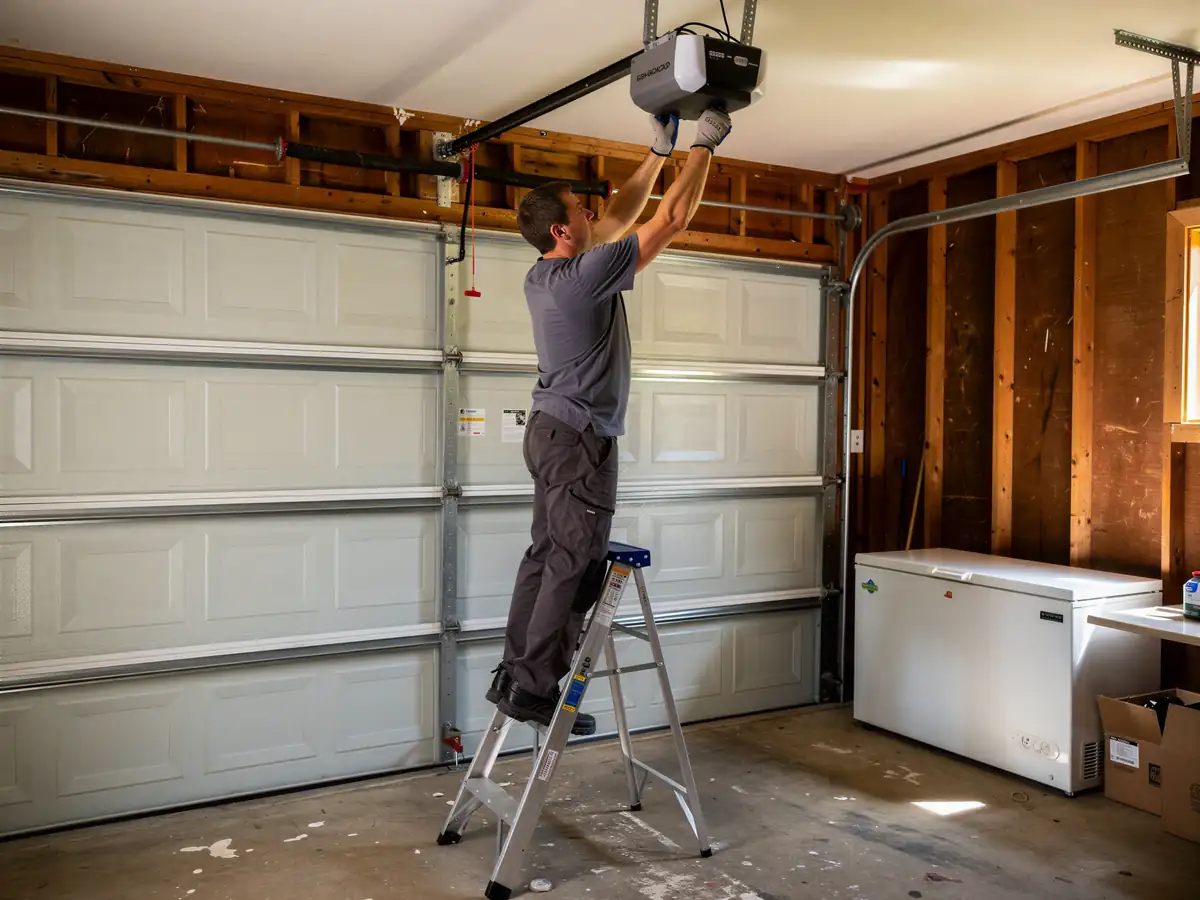
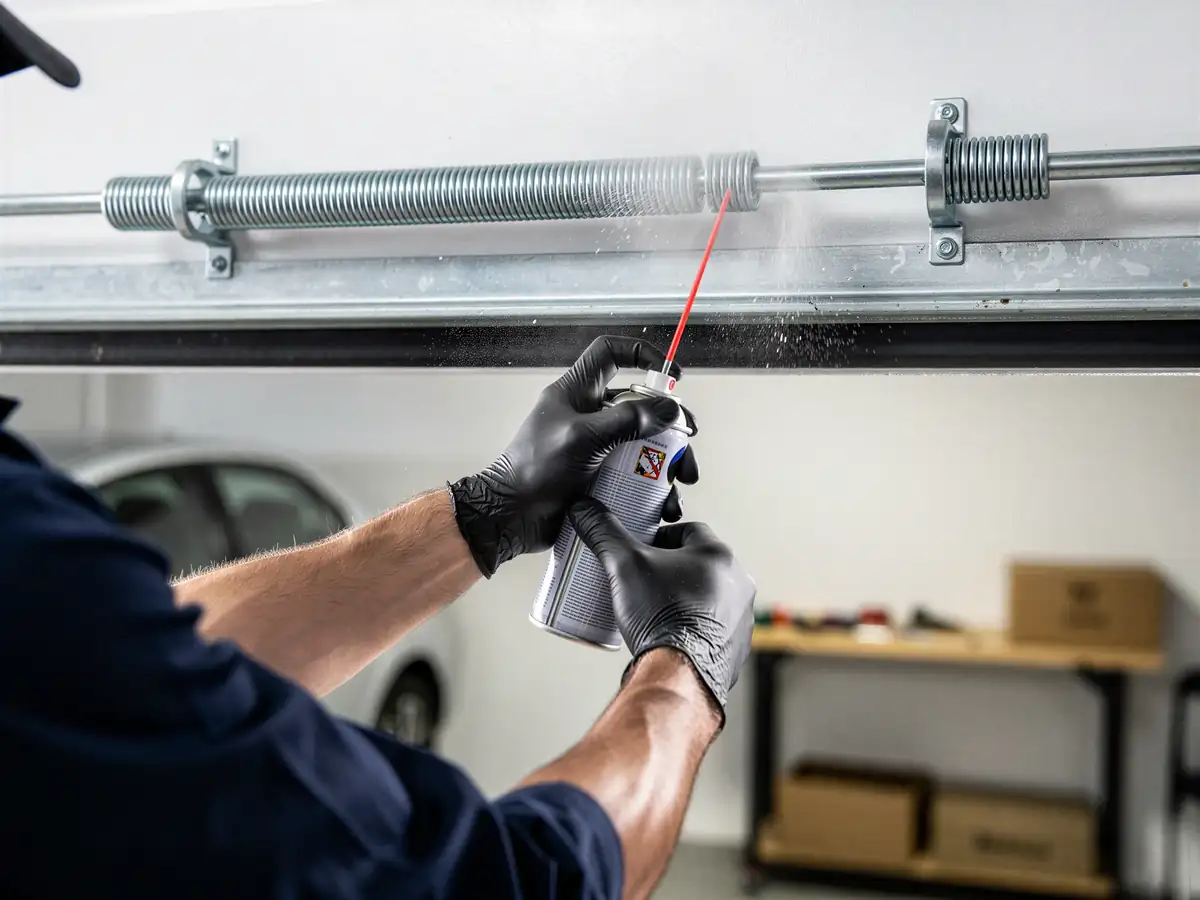
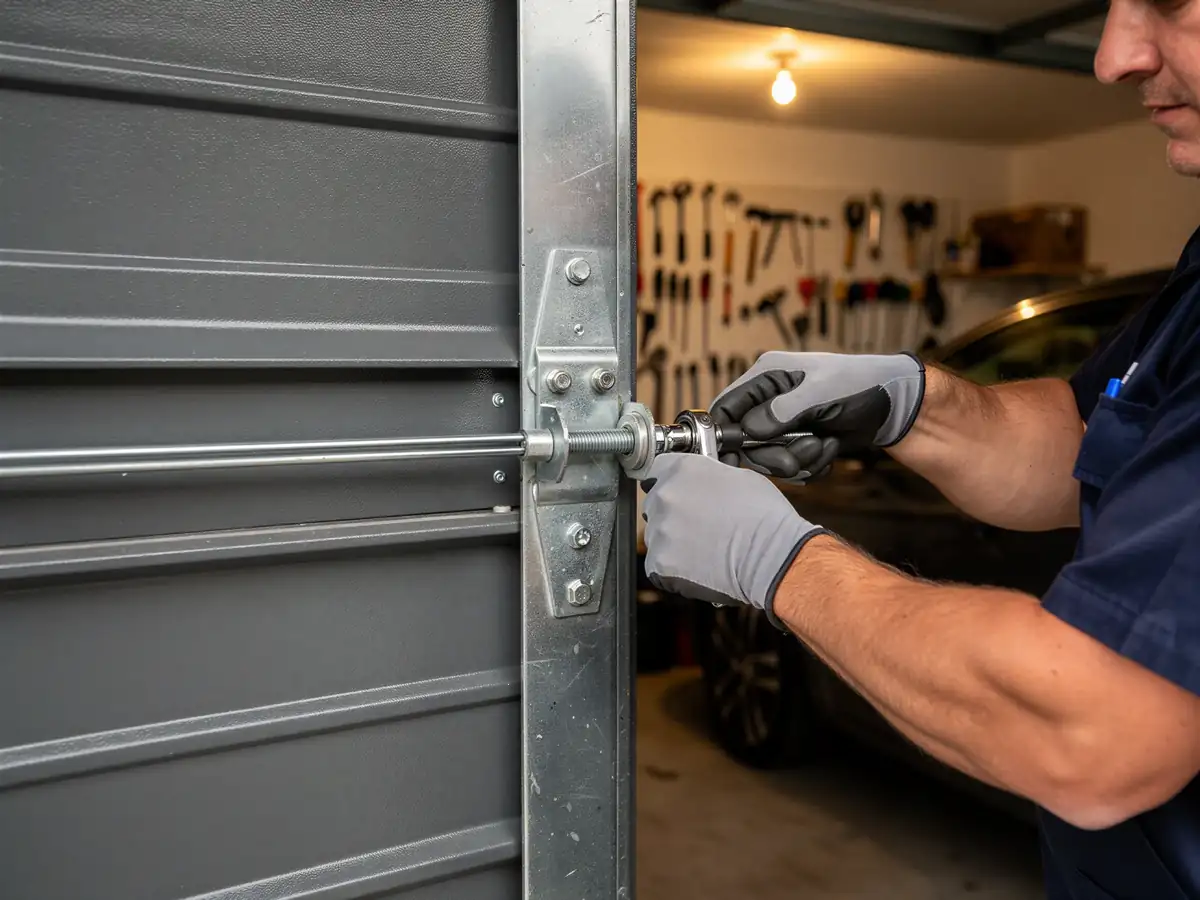
We start by checking what's actually failed before touching the door: spring tension, cable condition, track alignment, and whether the opener's force settings have drifted, which they do over years of use. On a broken torsion spring we match the wind and wire gauge to the door weight rather than grabbing whatever's closest on the shelf, since a mismatched spring just fails again sooner. Cables get replaced in pairs, not one at a time, so the drums stay balanced. If the opener logic board is the problem on an older unit, we'll tell you whether a board swap makes sense or whether the opener's old enough that replacing the whole unit is the better spend - that's a judgment call we make out loud with you, not behind the truck. For doors on the original 1970s-era track and jamb, we check plumb and square before anything else, because a repair bolted to a frame that's shifted won't hold. We don't install anything we haven't verified fits the opening first.