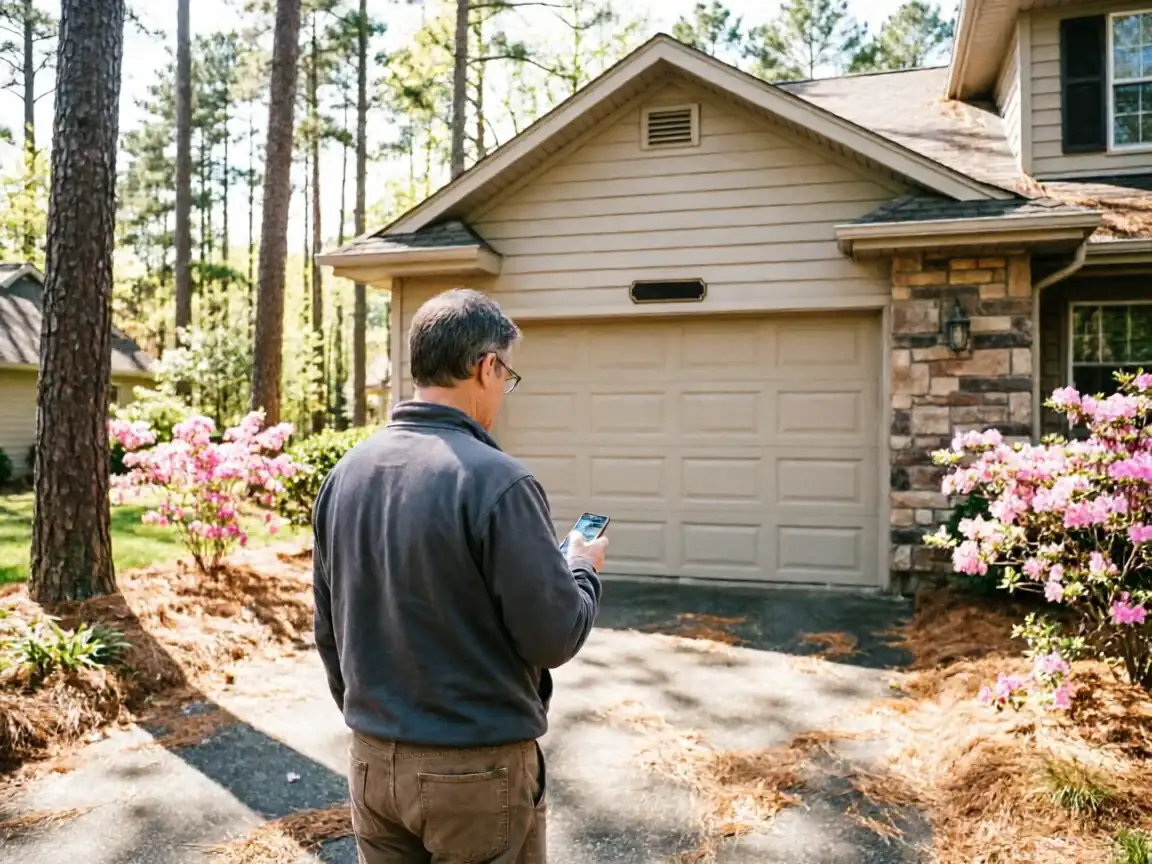
What You Are Seeing
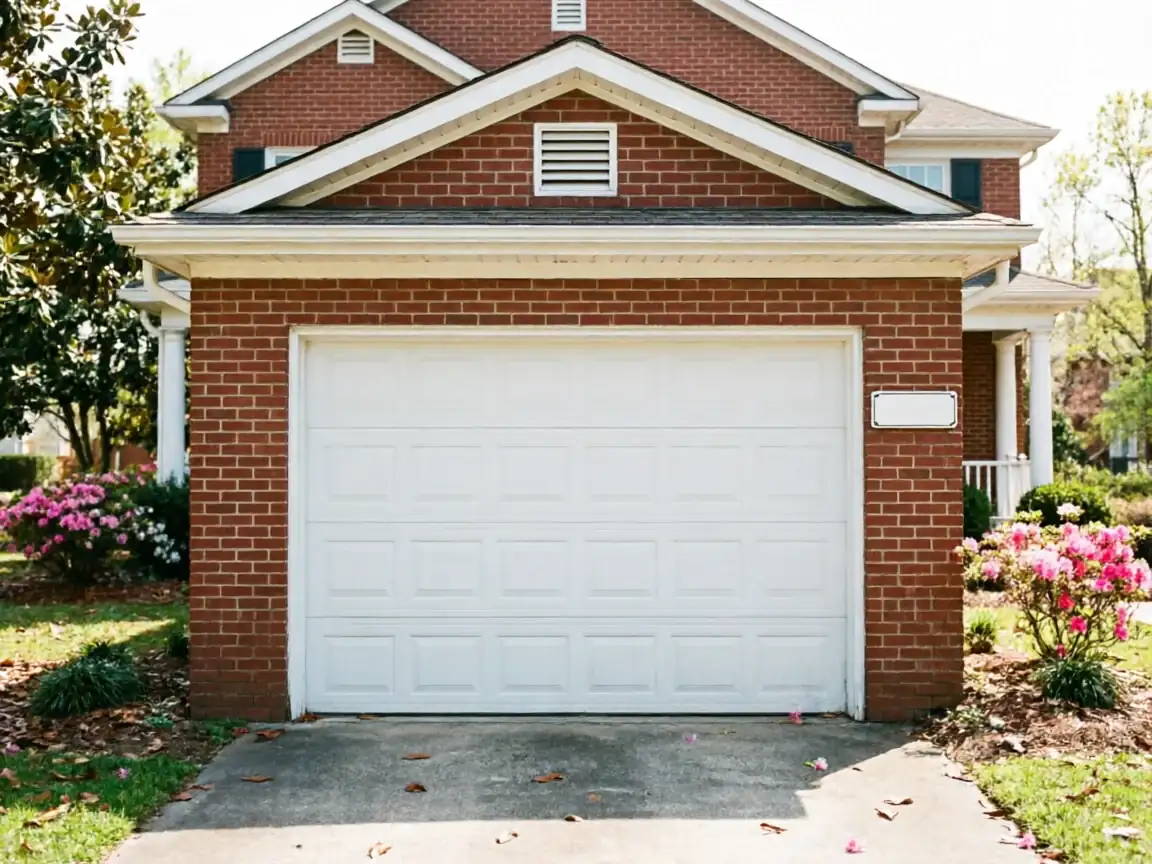
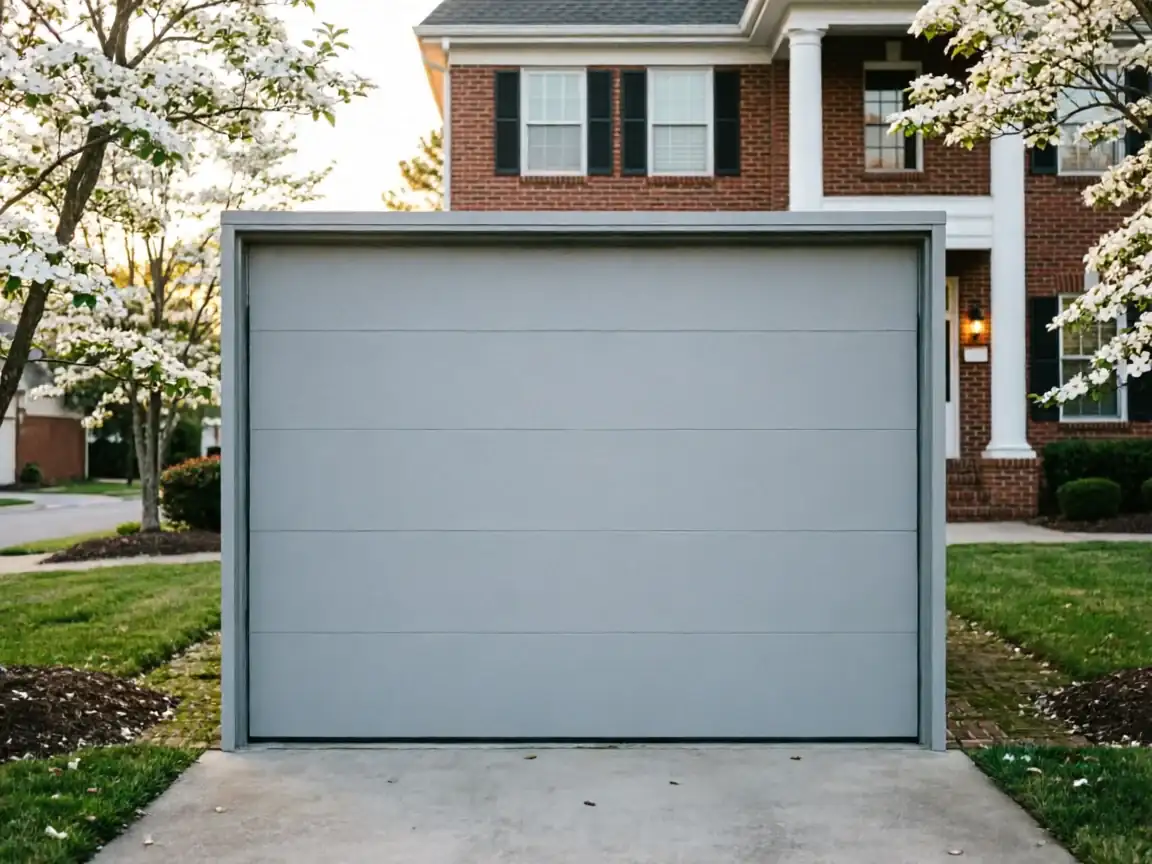
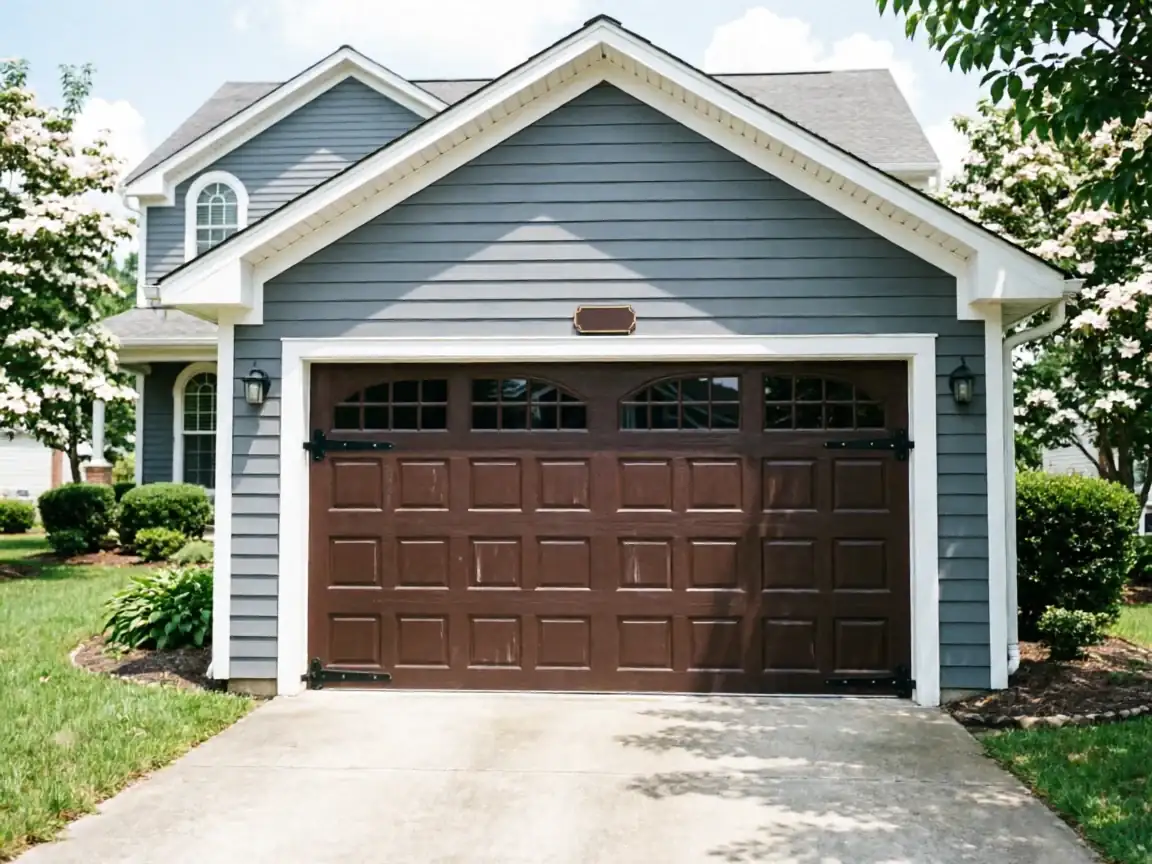
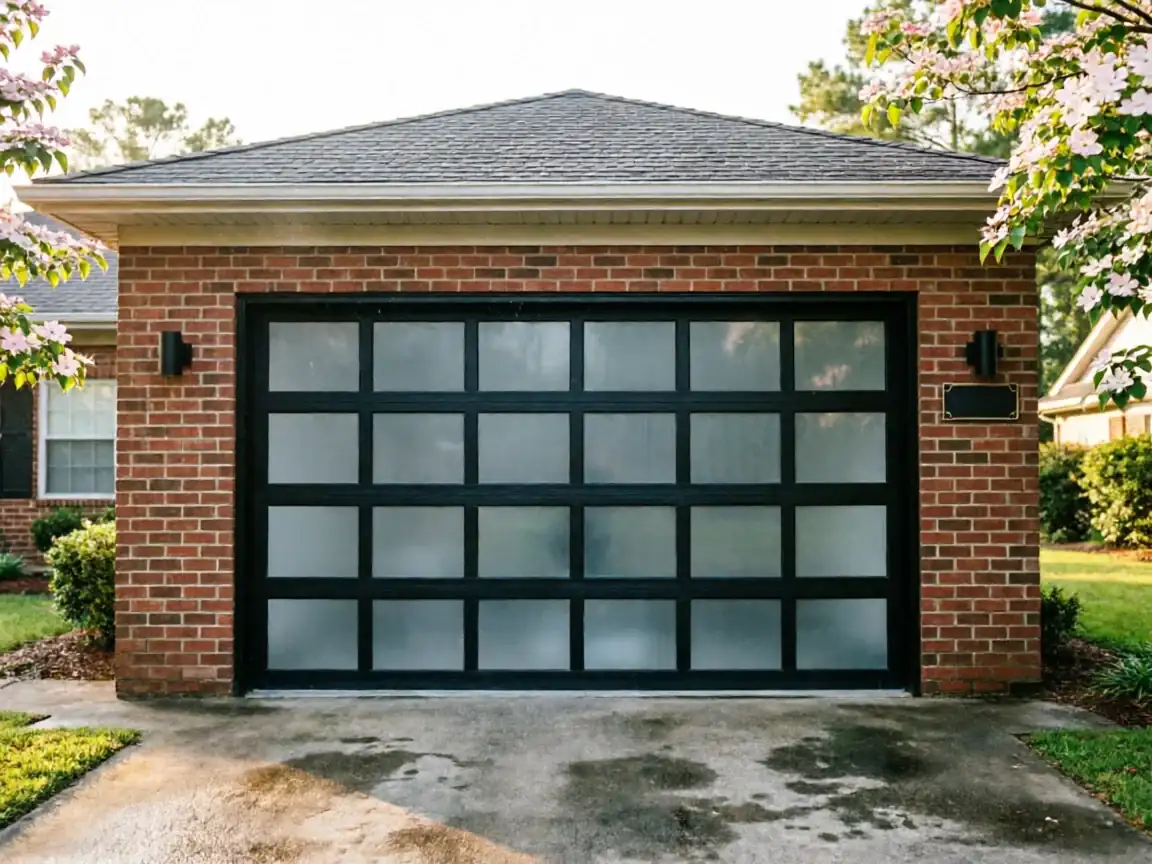
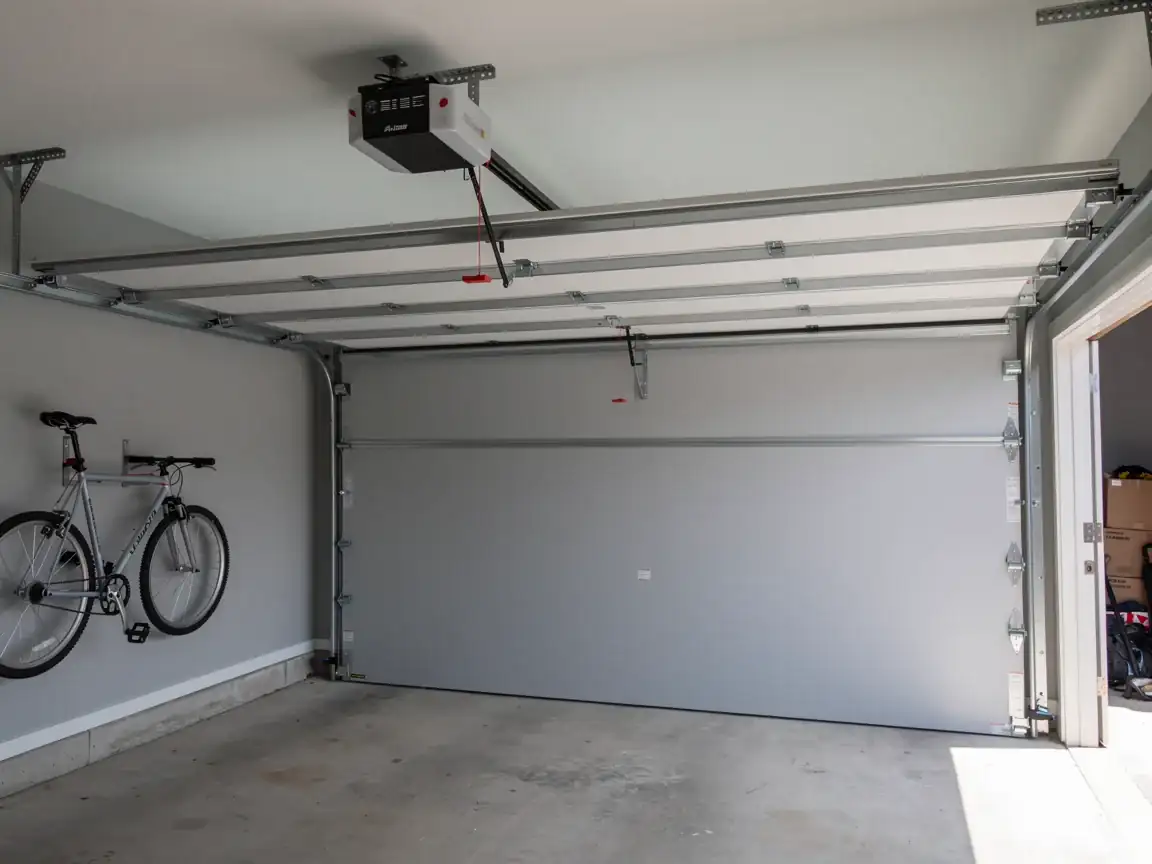
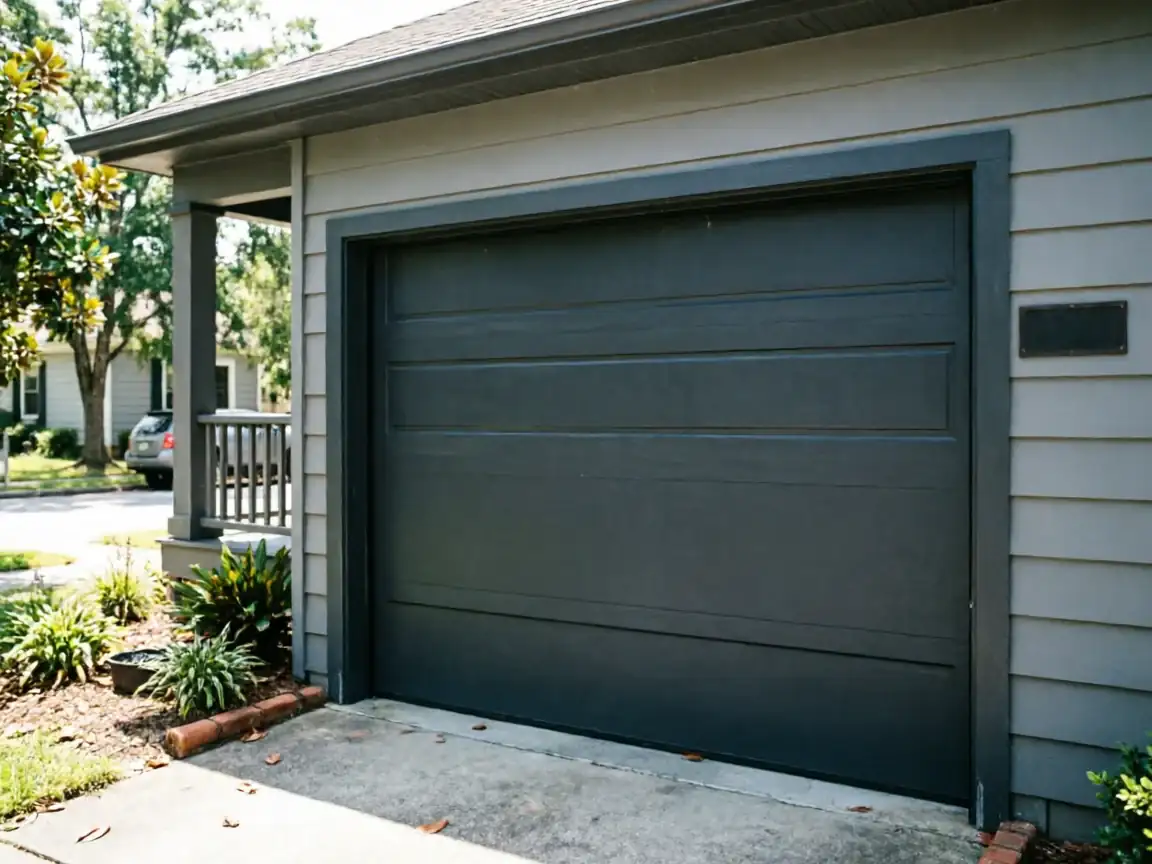
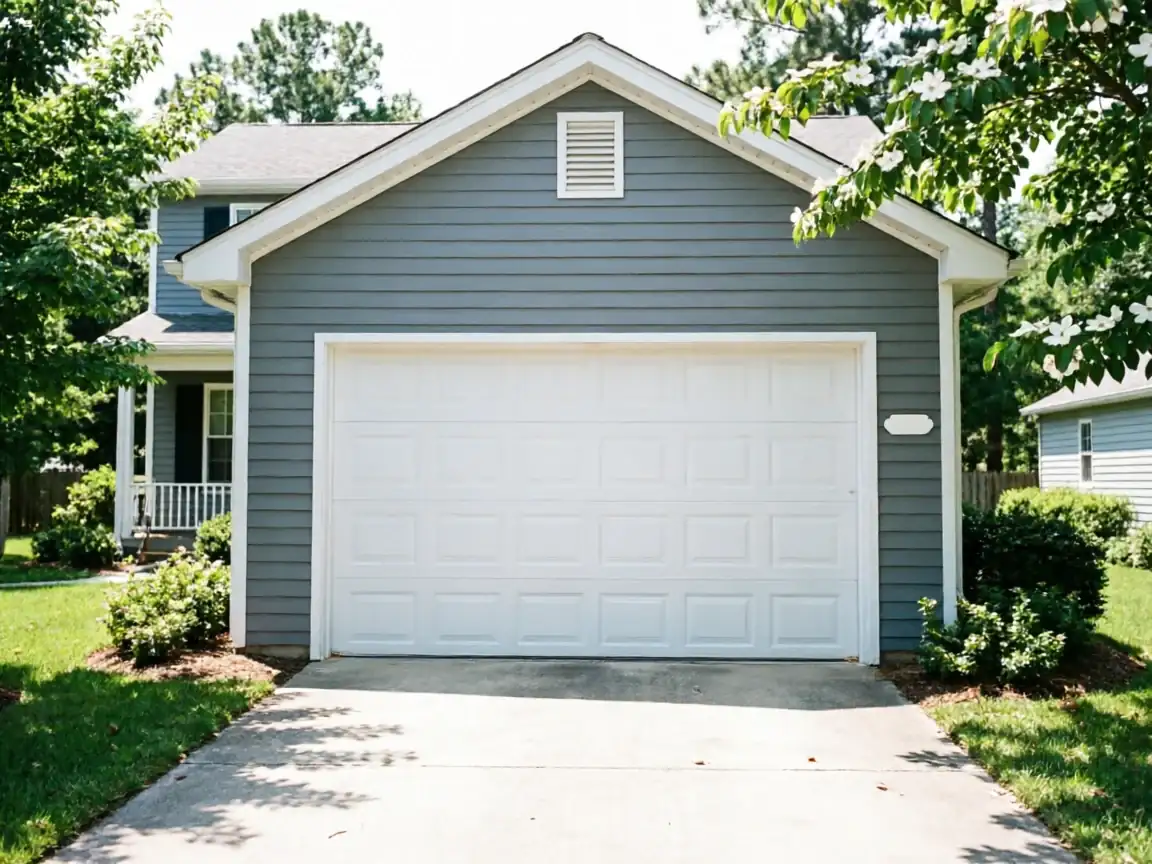
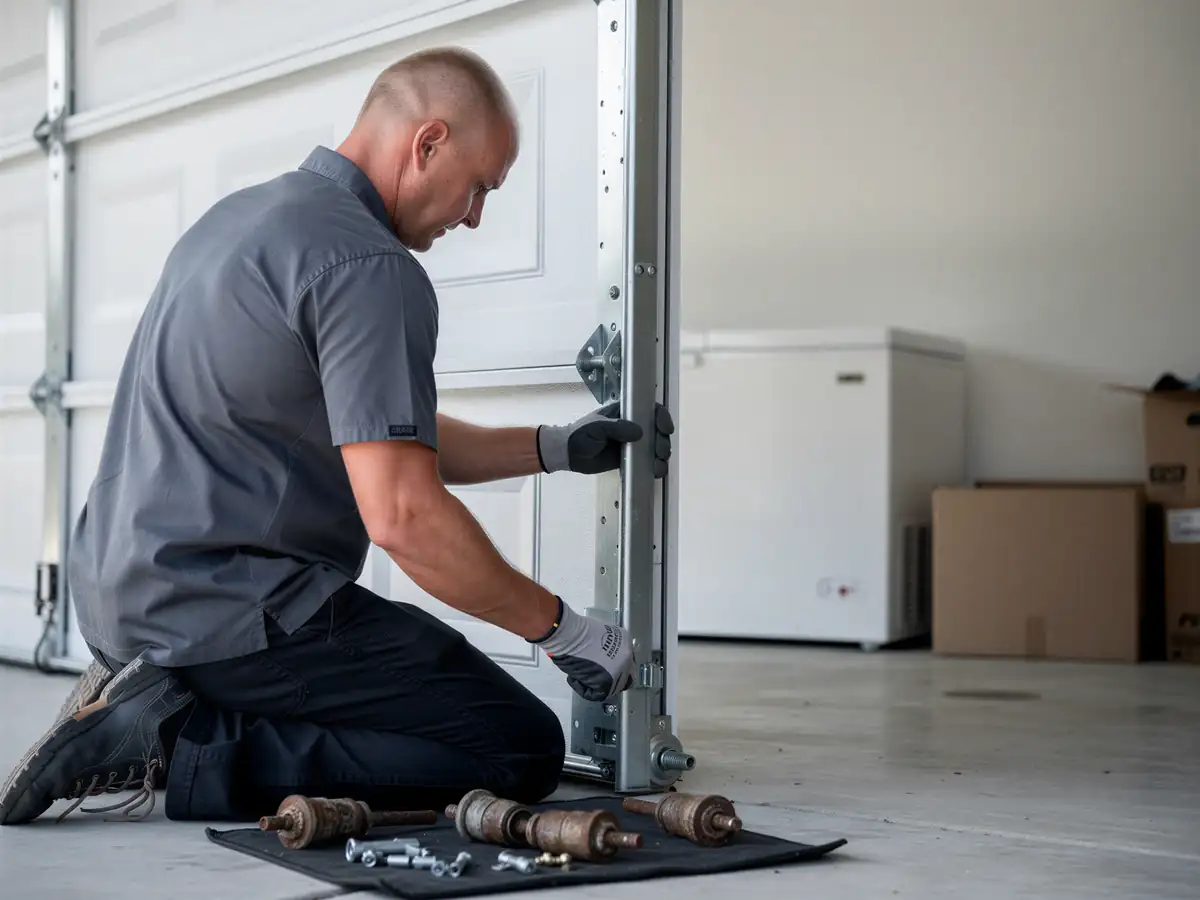
Most garage doors in Hollins went up around the same time the houses did, with a median build year of 1976. That means a lot of them are original or close to it: steel sectional doors, usually two-car width, hung on galvanized track that's held up fine structurally but has outlived its lubrication and its seals more than once over. You'll see the first signs in the rollers - a grinding sound as they hit the track seam, or the door hesitating a few inches off the slab before it catches again. Owners usually notice the noise before they notice the wear underneath it. On a door built in that era, the steel skin is thicker than what gets installed today, which is actually a point in Hollins' favor - the panels outlast the hardware holding them up. What doesn't last as long: the factory bearings, the original lift cables, and whatever weatherstripping came with the door the day it was hung. None of that is a flaw in the door. It's forty-plus years of use on parts that were never meant to be permanent.
How Long It Takes
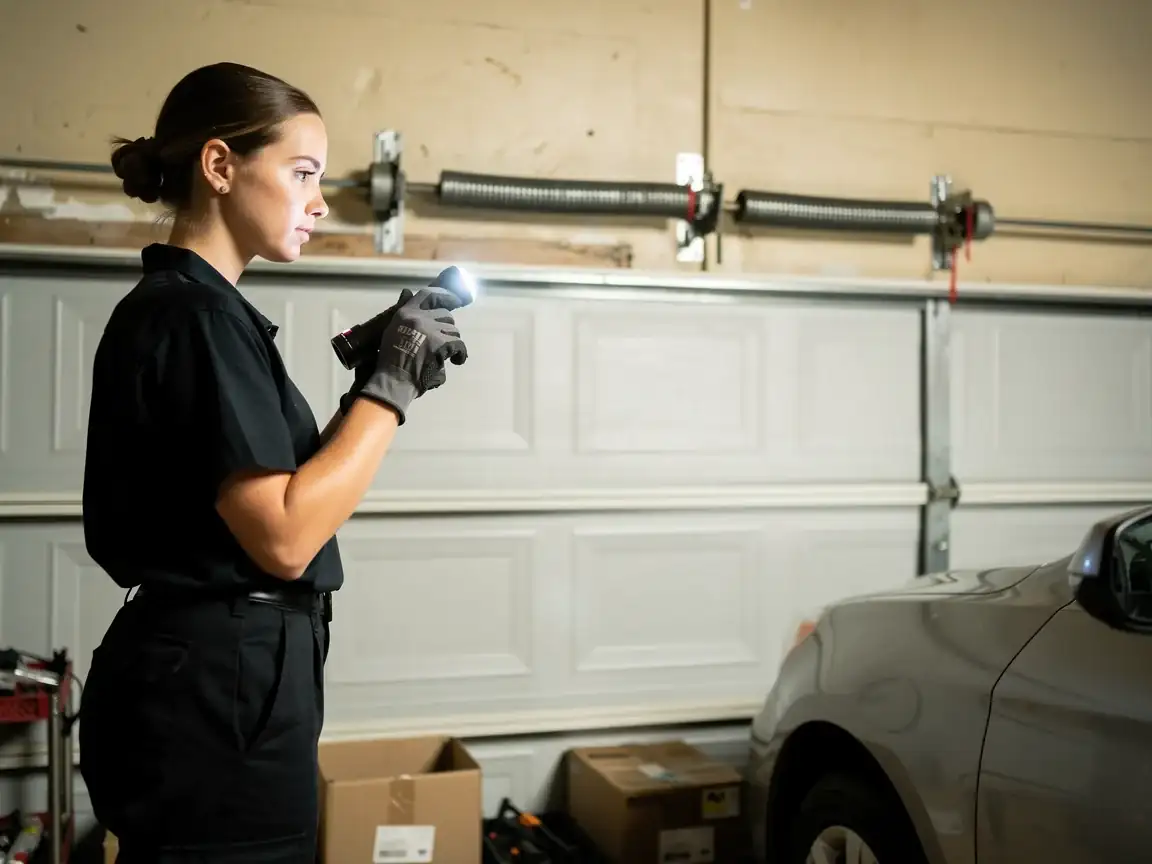
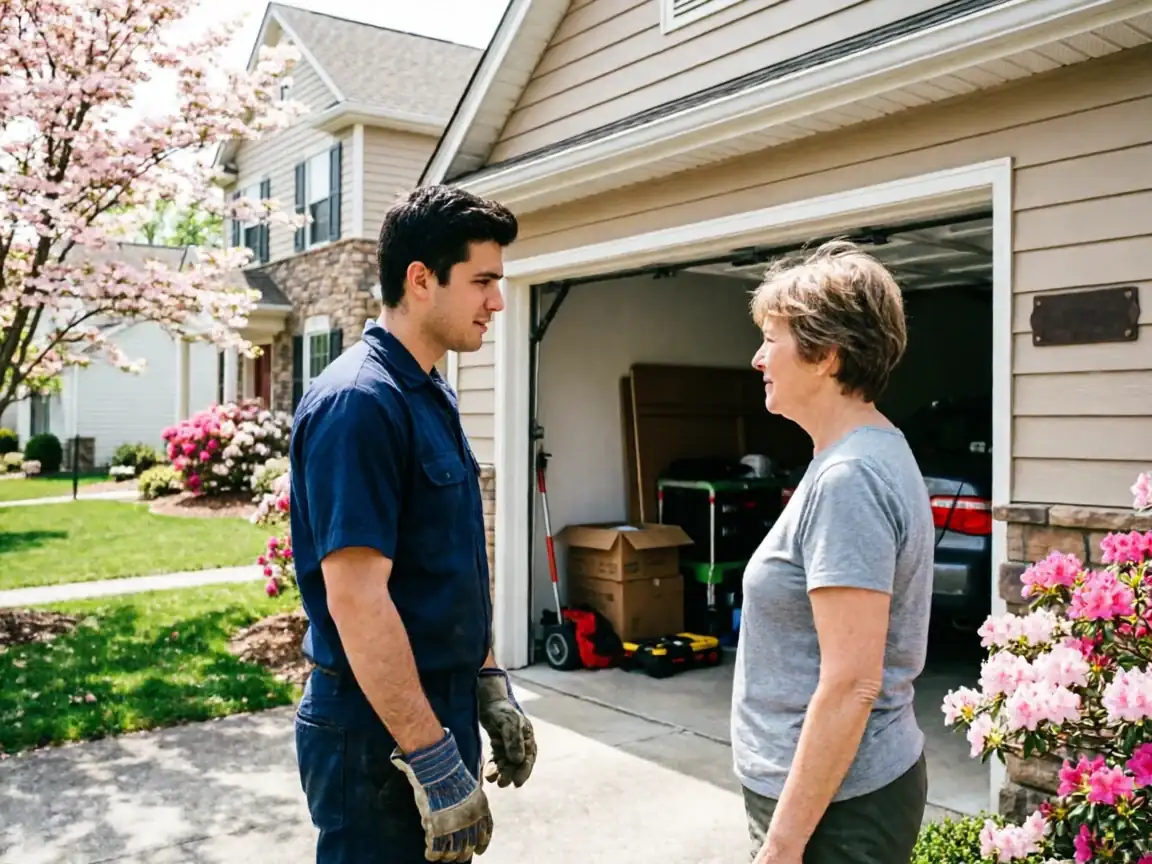
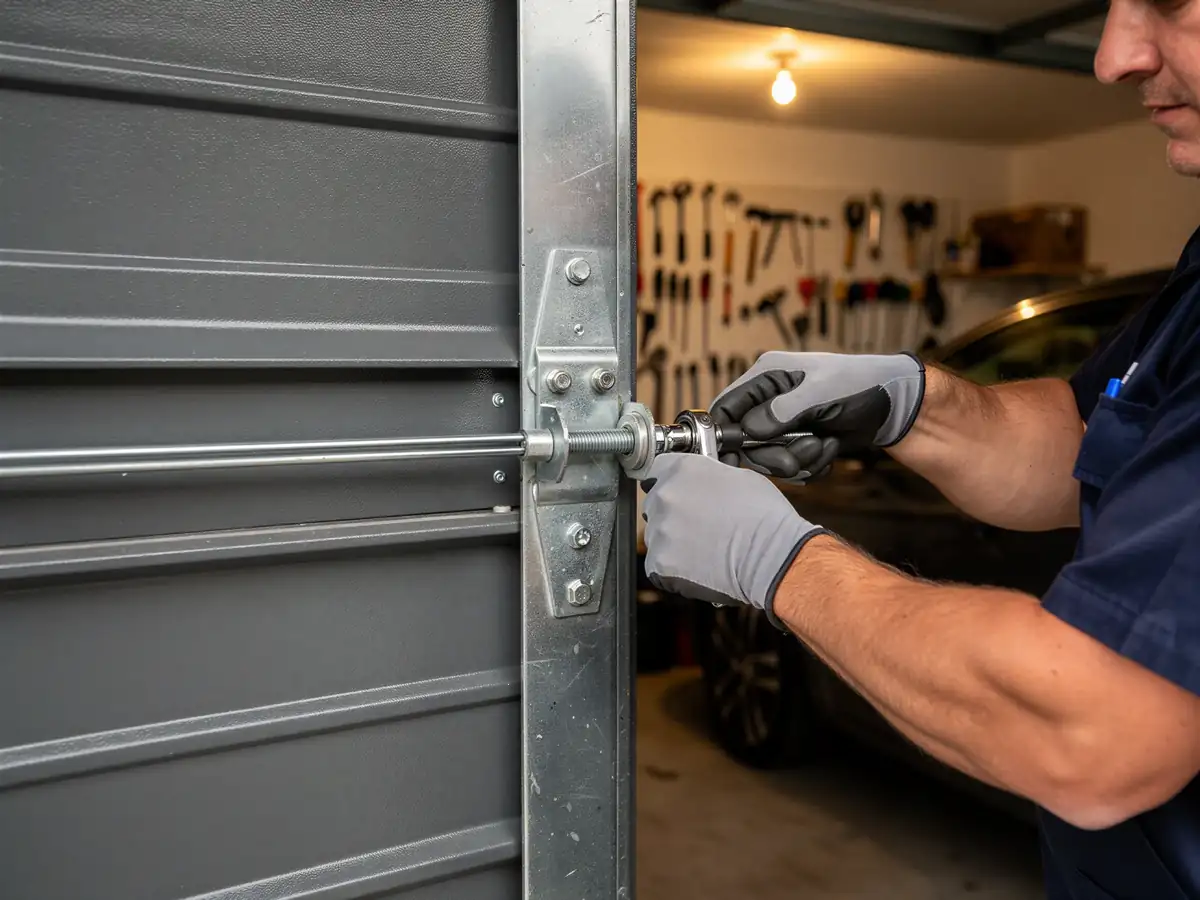
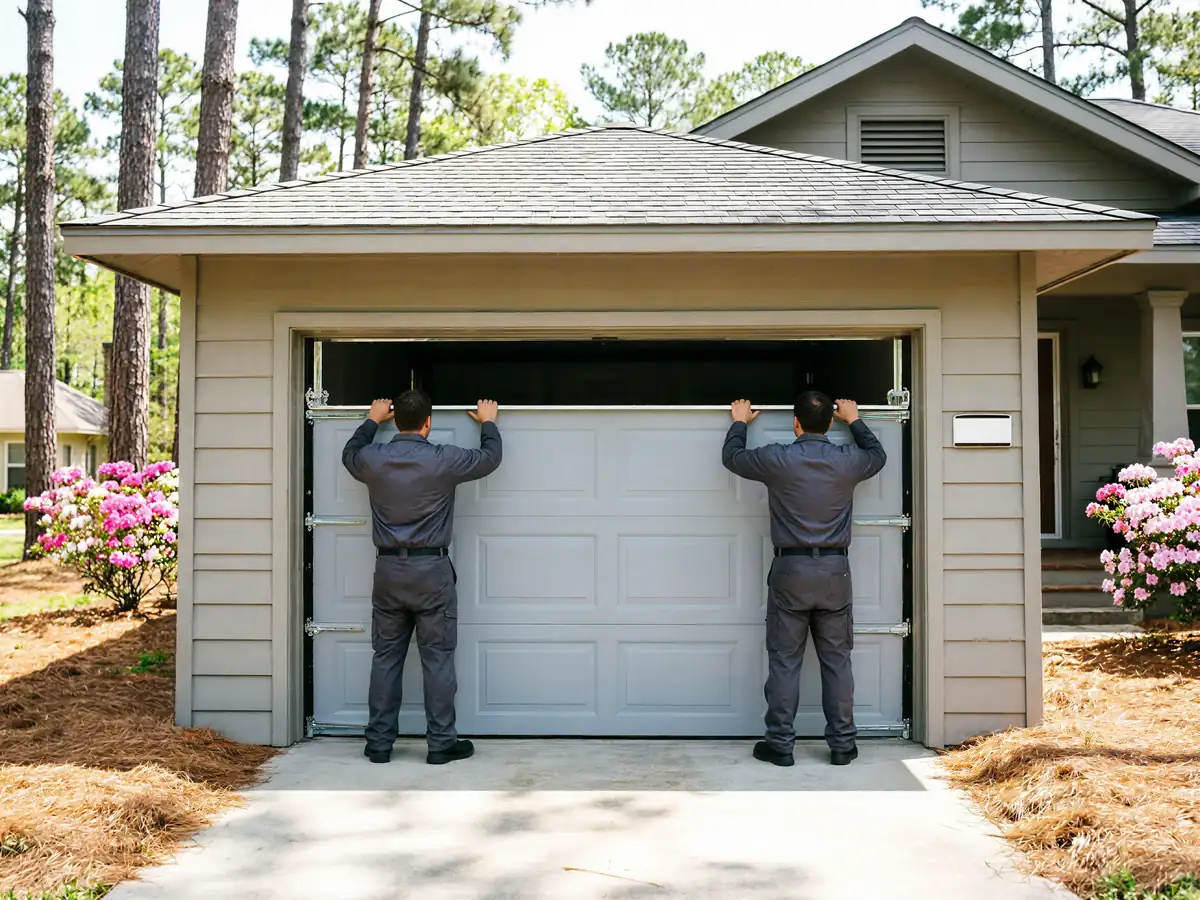
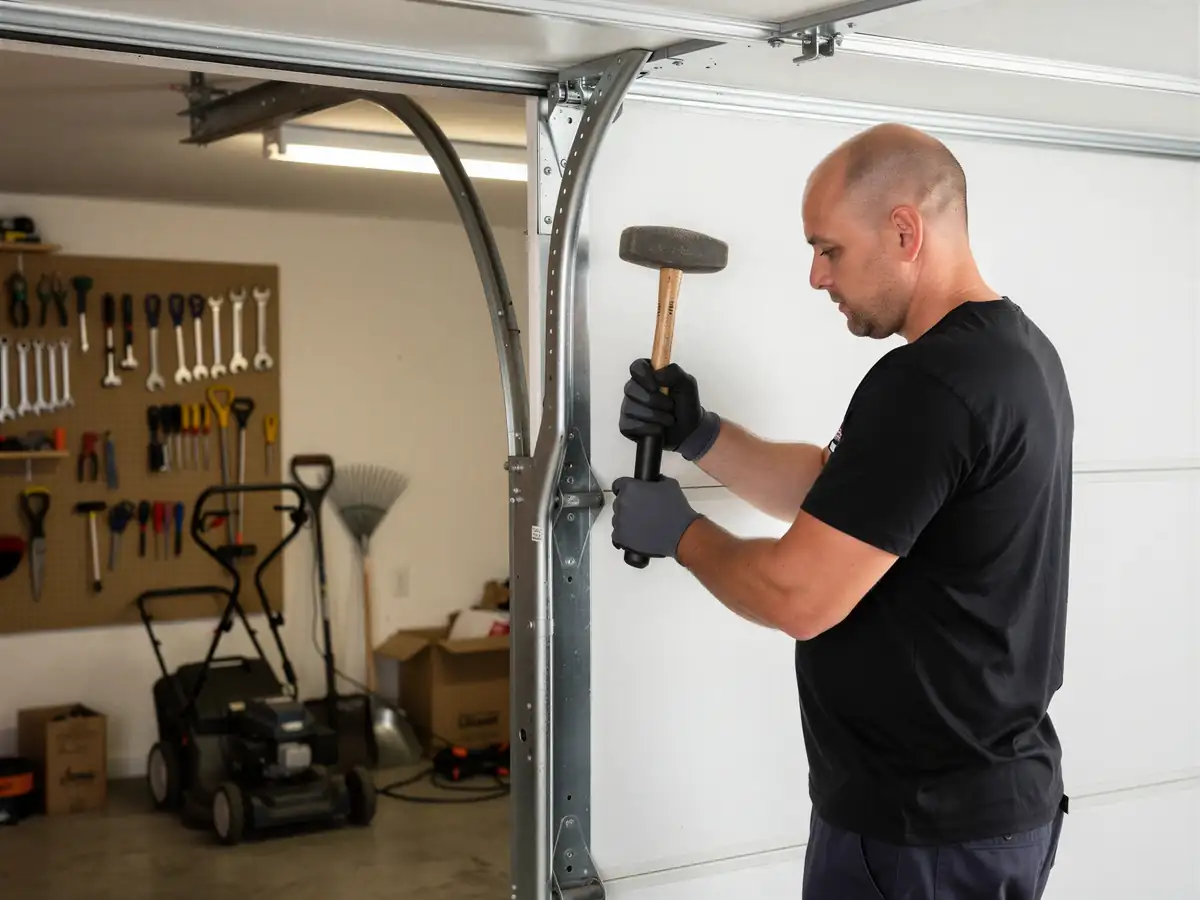
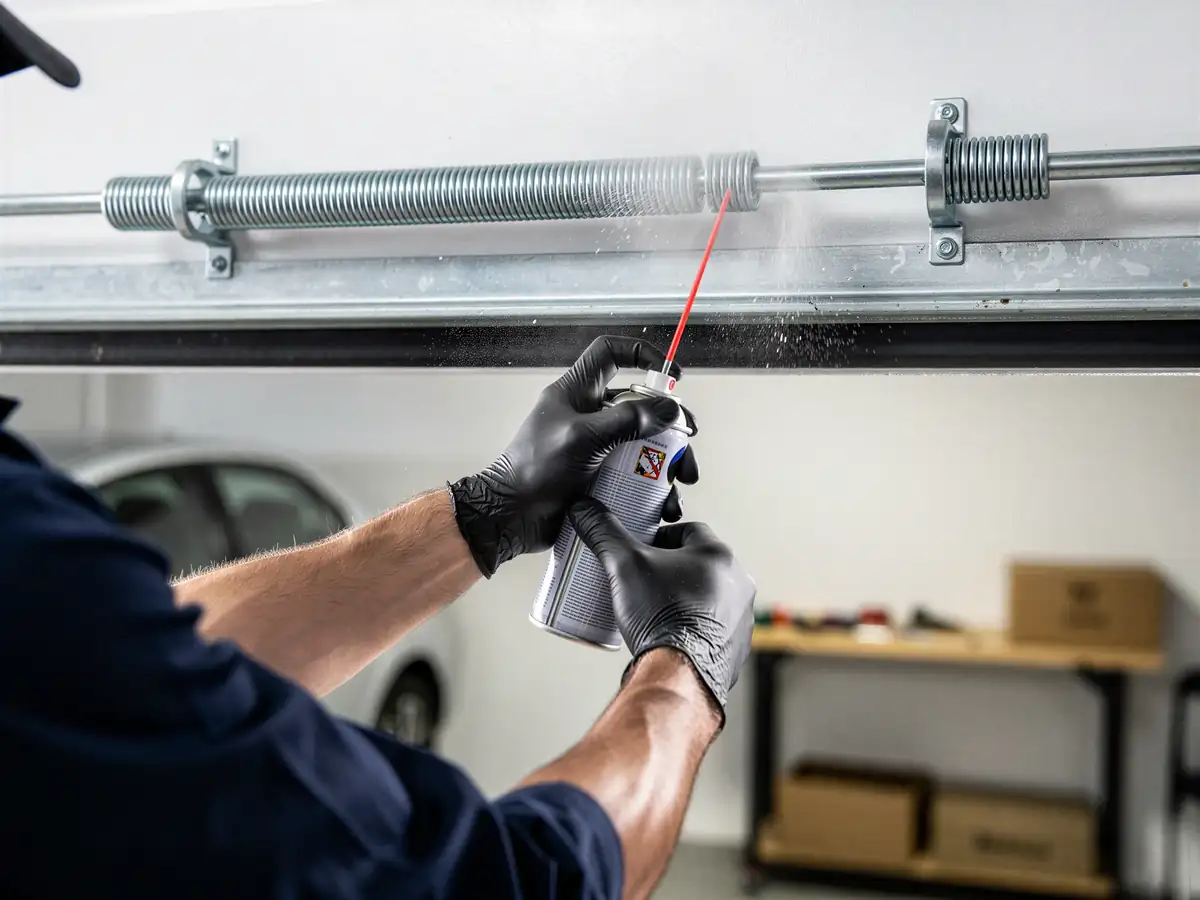
A standard maintenance visit on a single door - inspection, lubrication, hardware check, balance test - runs under an hour in most Hollins homes, since the layouts here are consistent: attached two-car garages, single opener, straight track. Where it runs longer is when the door is original to a 1976-era build and nobody's touched the torsion spring since. Checking spring tension safely on a 50-year-old door means more care, not more rushing. We're coming from Roanoke, about 4 miles out, so there's no on-site waiting around for parts that aren't already on the truck.
What Causes It Around Here
Roanoke's winters sit in a cold-moderate band, and that matters more to a garage door than most owners expect. Steel contracts in cold weather, and a door that was balanced in July can bind or drag by January - not because anything broke, but because the spring tension that felt right in warm weather is suddenly a little off. On a door built around 1976, that seasonal shift lands on cables and bearings that have already done fifty years of expanding and contracting. The other driver here is simple age of use: with a median household income of $73,588 and 6,780 households in Hollins, most of these are owner-occupied homes where the garage door gets opened daily, sometimes several times a day, for decades on the same hardware.
The Complications
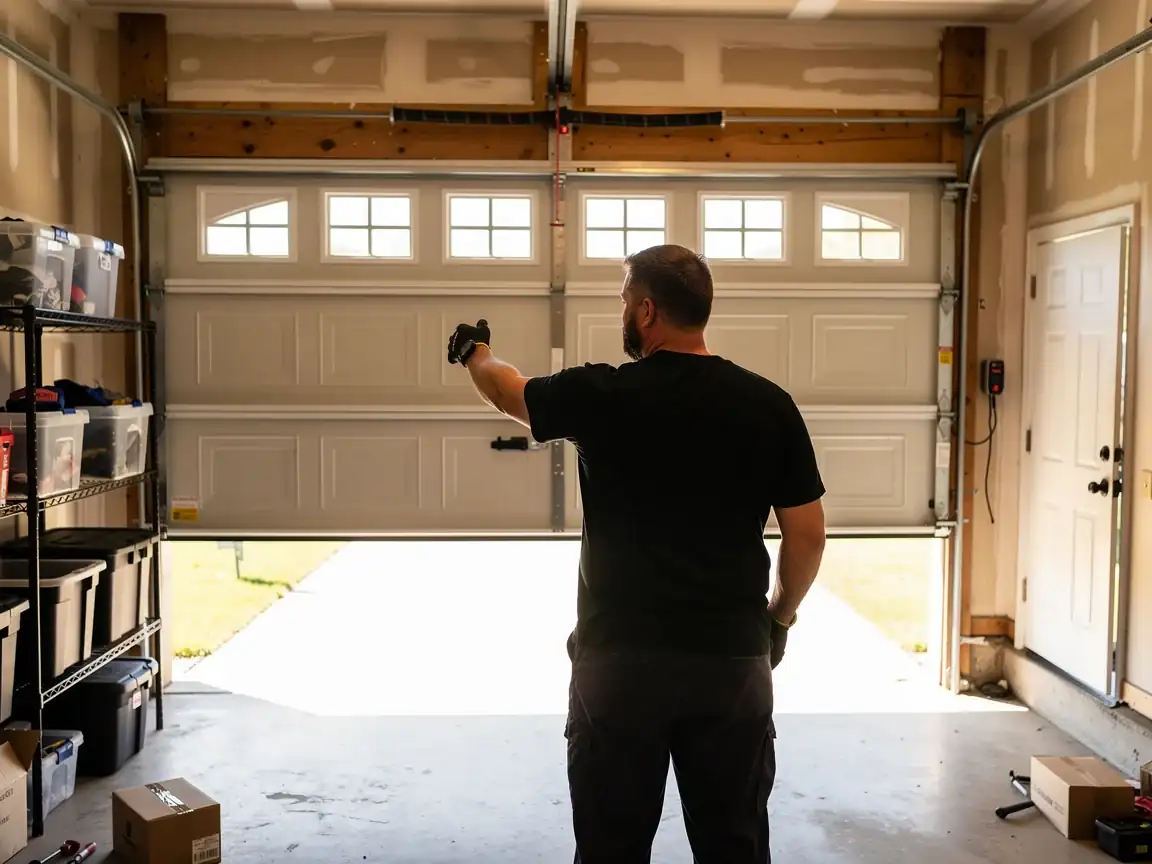
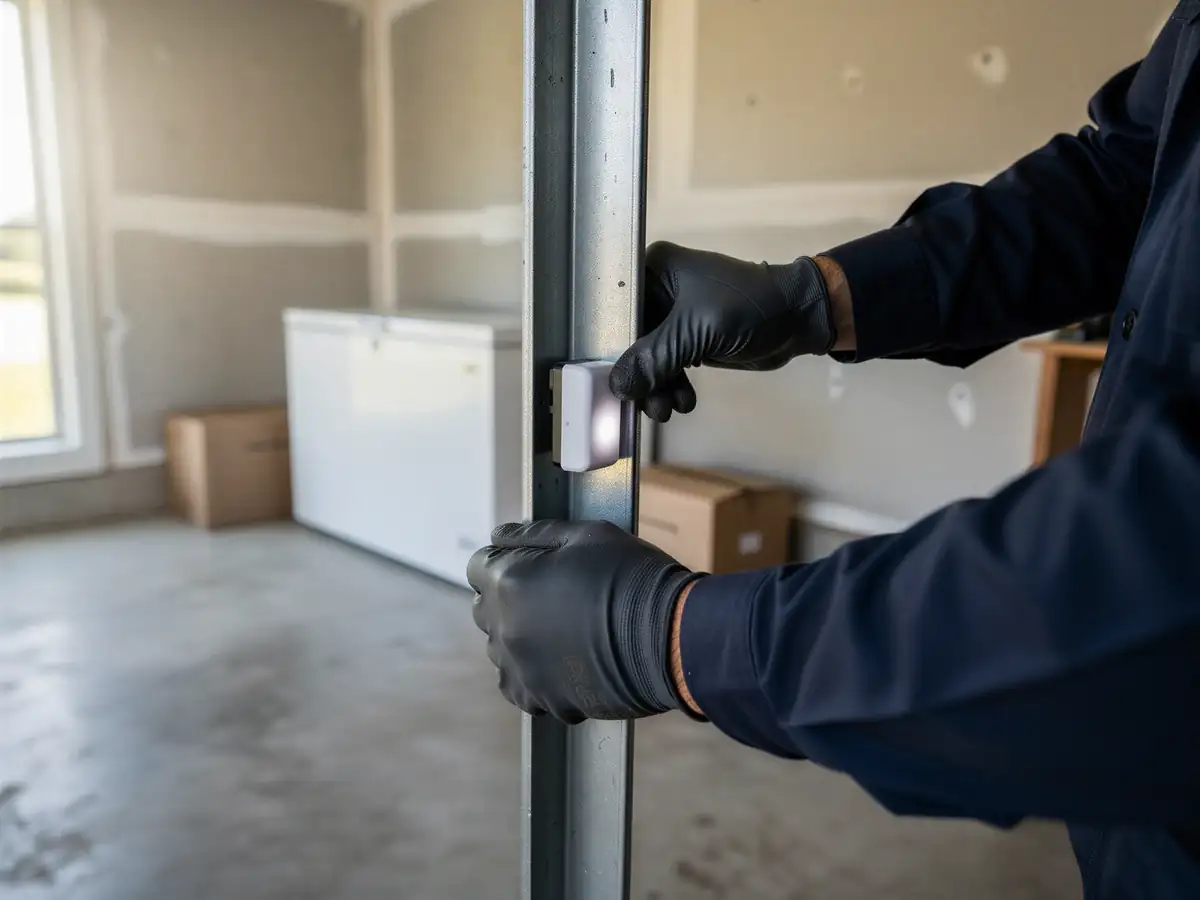
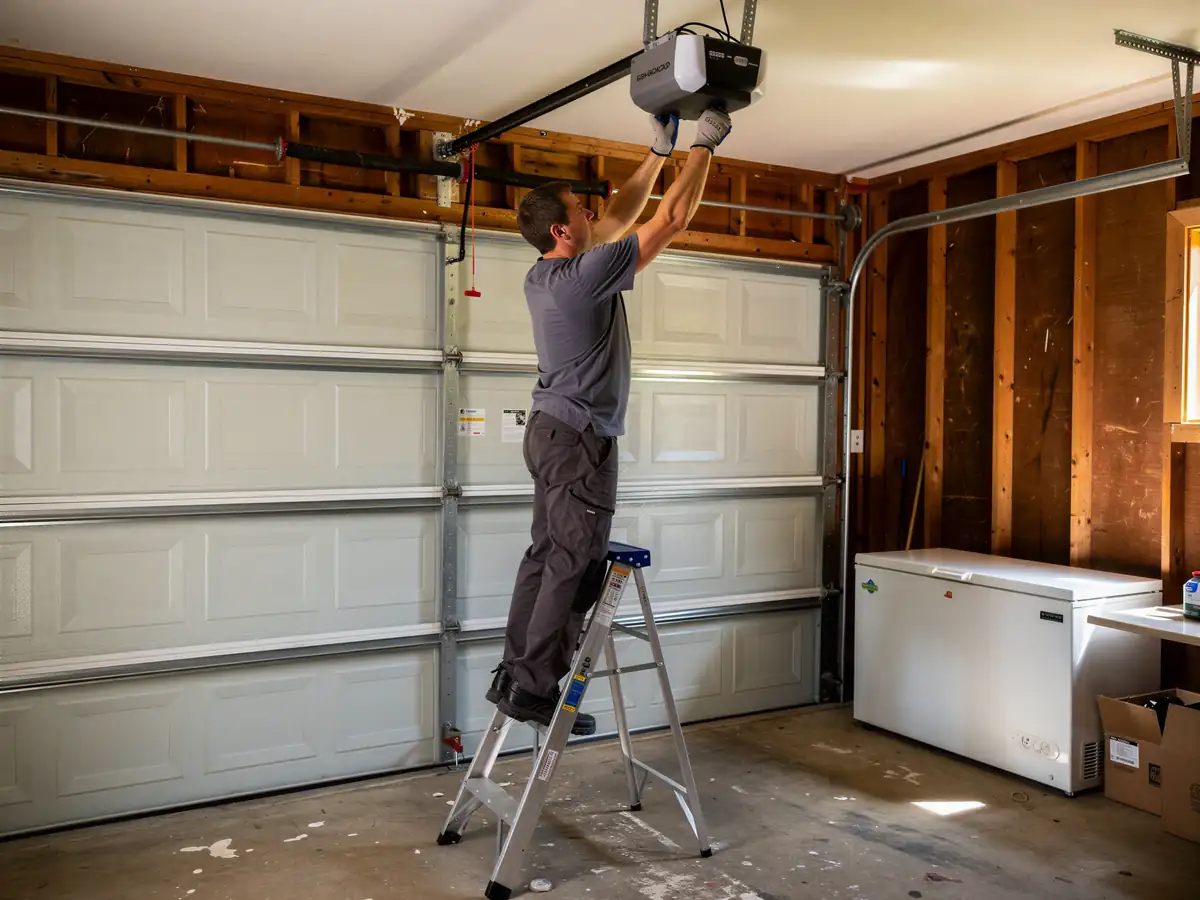
The real complication in Hollins isn't the door - it's what's attached to it. A lot of original 1976-era installs used openers that have since been replaced once, sometimes twice, without anyone updating the mounting hardware or the safety sensors to match. We'll find a modern opener bolted onto a bracket sized for a door half its current weight, or a sensor pair mounted at the wrong height because that's where the last one happened to sit. None of that shows up until we're actually testing the travel limits and the force settings. It's also worth saying plainly: not every original door from that era is worth saving. If the track is rusted through or the panels have delaminated, a repair just delays a replacement that's coming anyway.