How Long It Takes
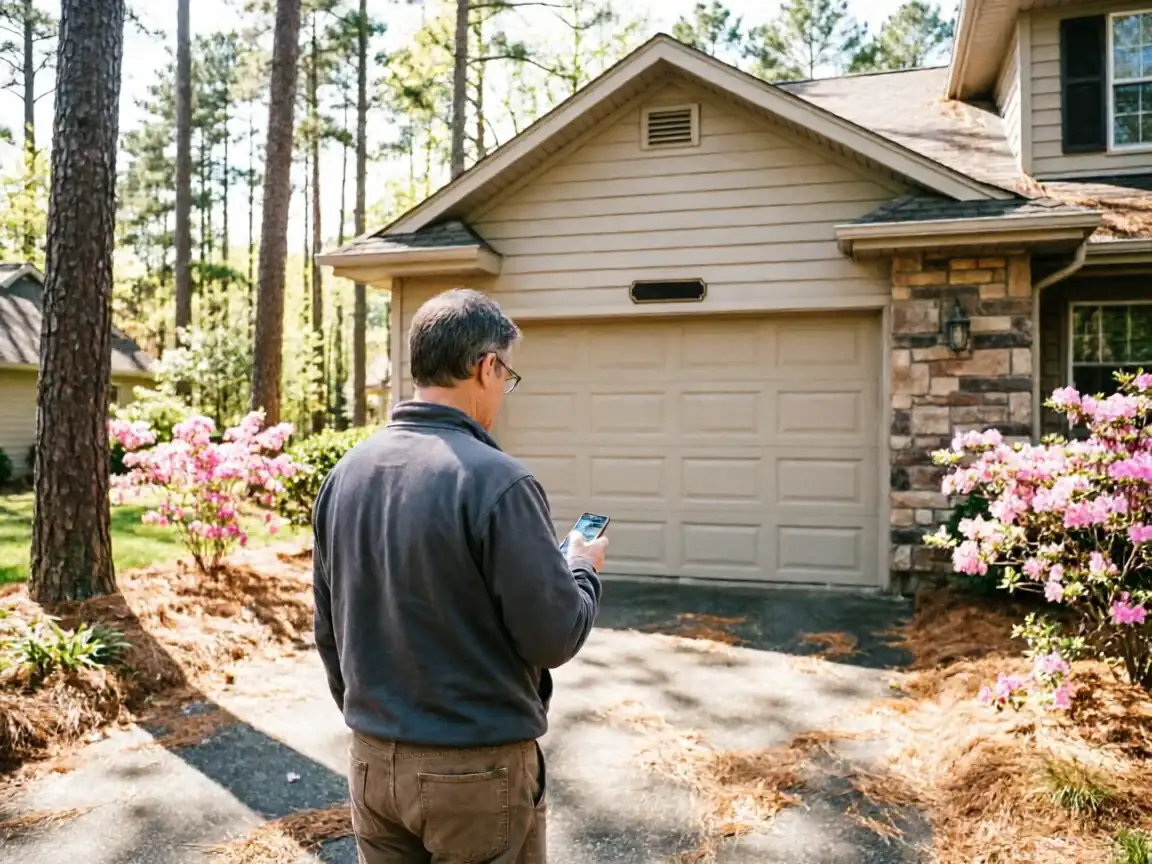
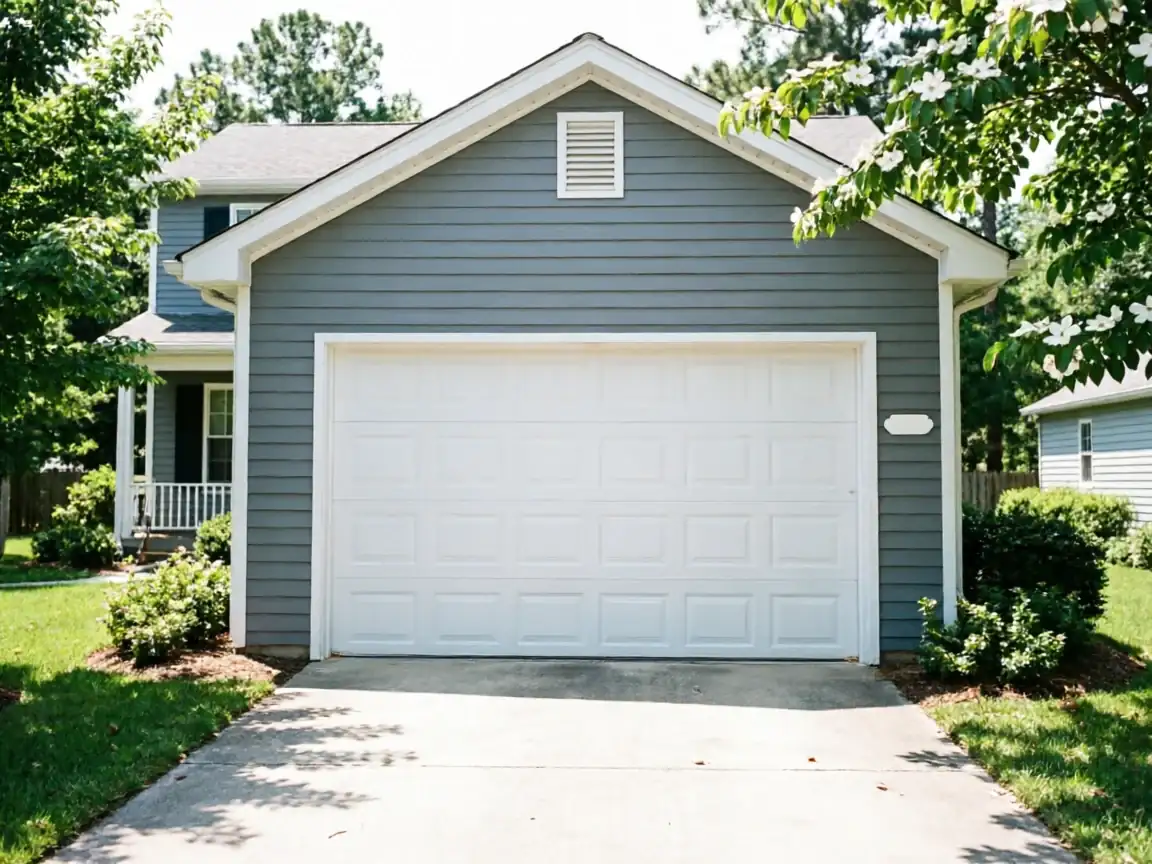
Hollins sits about 4 miles out from Roanoke, close enough that the drive itself never drives the schedule. We're not routing a truck across the valley to get here, so the time on a job is almost entirely the install itself, not travel. What takes longer is matching the opener to the door and ceiling you actually have. A lot of garages through this part of the service area were framed with headroom and joist spacing typical of homes built in the 1953 to 2002 range, with most landing near 1976. That means a straight swap of an old chain-drive unit for a new one is usually quick, but if the bracket, rail length, or mounting point from the original install doesn't match current hardware, we spend the extra time fitting it properly rather than forcing a part that's close enough. We'd rather take the extra half hour on-site than leave you with a unit that binds against a rafter six months from now.
Stocked Parts
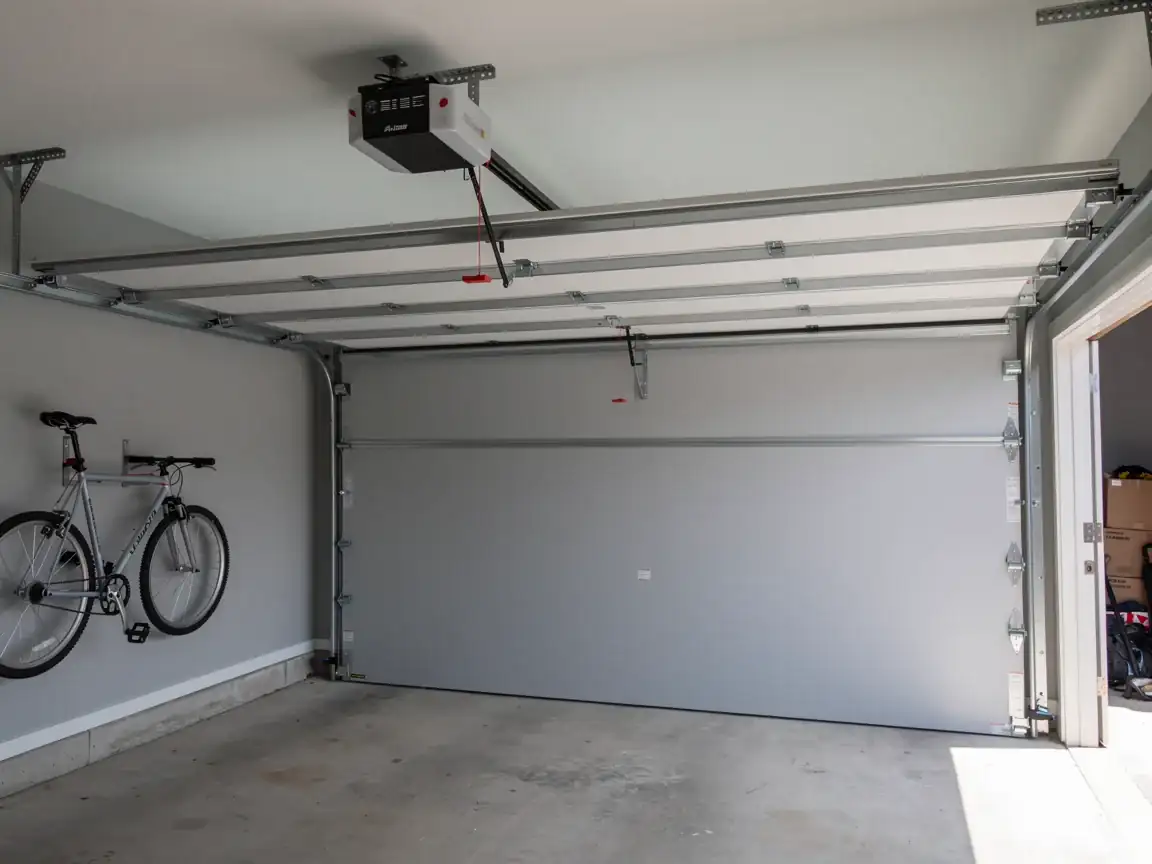
We carry the openers and mounting hardware that fit what's actually on garages in this area: standard chain and belt units sized for the single and double doors common to 1960s-70s built stock, along with the shorter and longer rail kits needed when a garage ceiling sits lower or higher than today's typical new-construction height. Safety sensor pairs, remote kits, and wall console units are stocked as standard, since almost every opener swap here needs at least one of those replaced along with the motor head. What we don't keep on the truck is anything custom-order, like a specialty low-headroom drive system for an unusually tight ceiling. If a Hollins garage needs one of those, we tell you upfront that it's a special-order part with its own lead time, not something we can hang that day.
The Complications
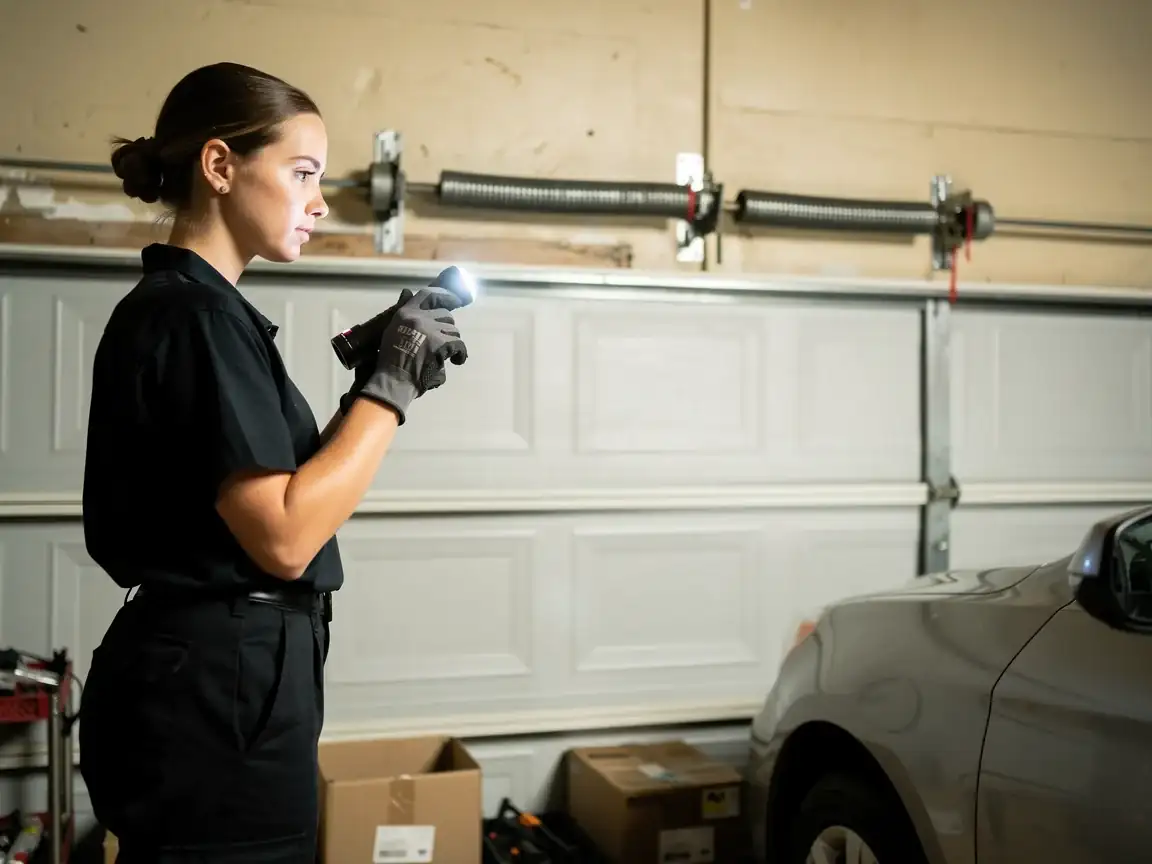
The housing stock across this area spans 1953 to 2002 across the named neighborhoods it covers, and that range brings real variation in garage framing. Some of these 1976-era builds have torsion springs mounted on headers with only a few inches of clearance above the door, which limits which opener head will actually fit without a jackshaft kit. Others still run on extension springs along the horizontal track, which changes how the opener's safety reversal needs to be set up to meet current code. Wiring is the other recurring issue: a lot of these garages were built with a single outlet near the service door and nothing dedicated near the ceiling, so part of the job is running a cord or adding an outlet rather than just hanging the unit. We don't do panel upgrades or new circuit runs from the breaker box - if a garage needs that, it's an electrician's job first, opener install second.
How We Fix It
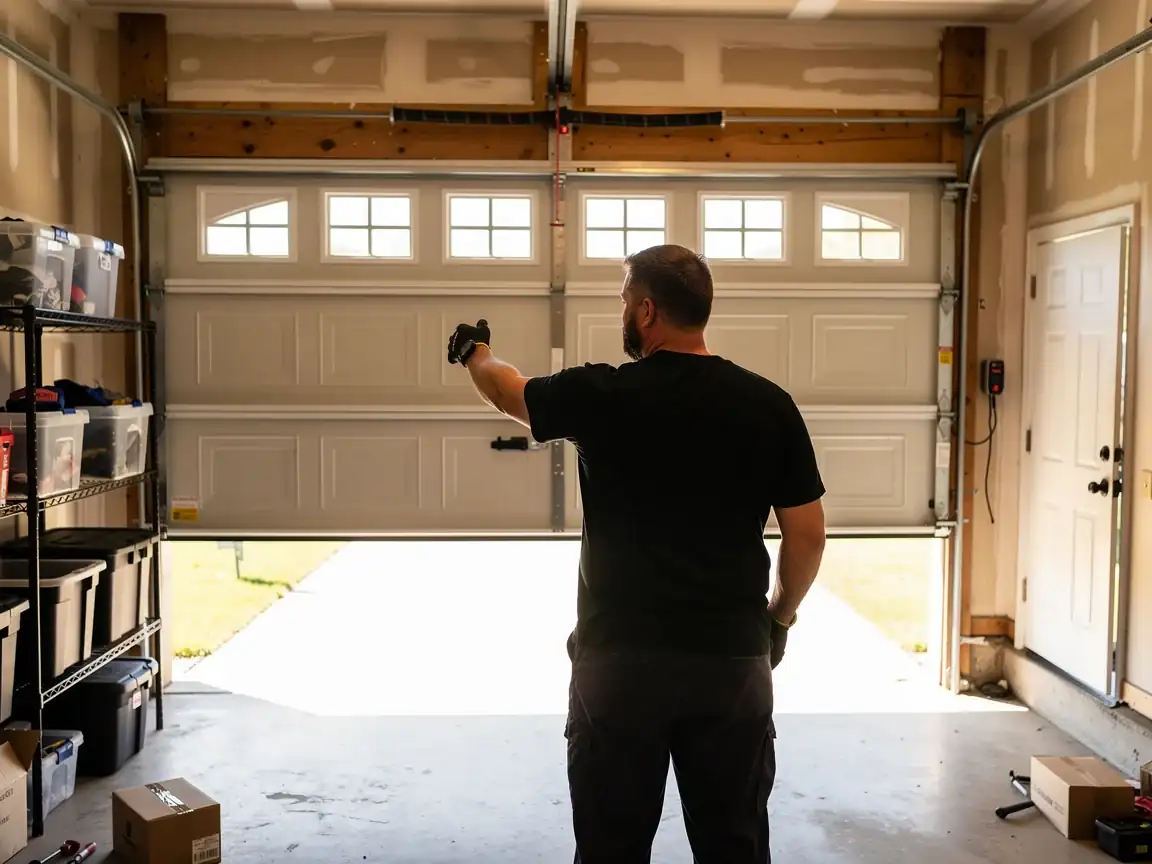
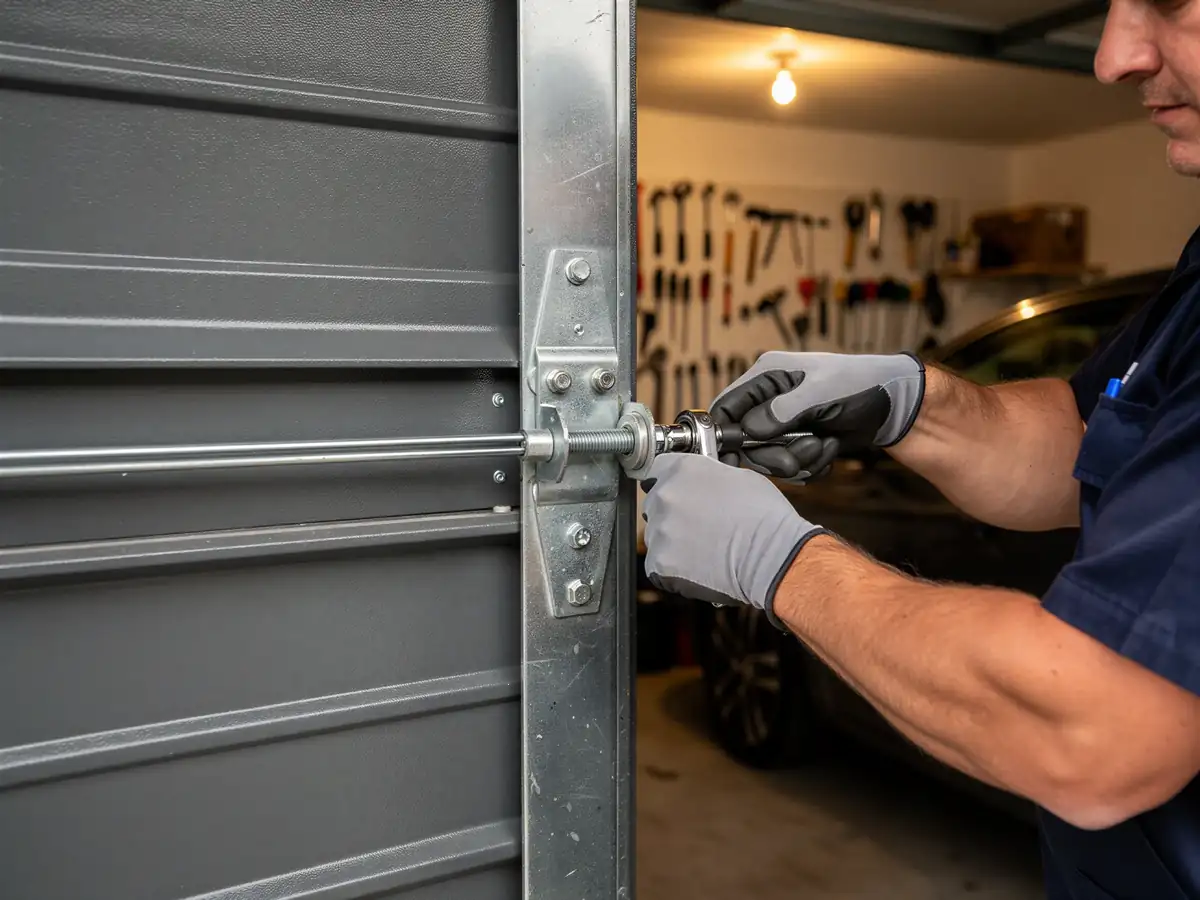
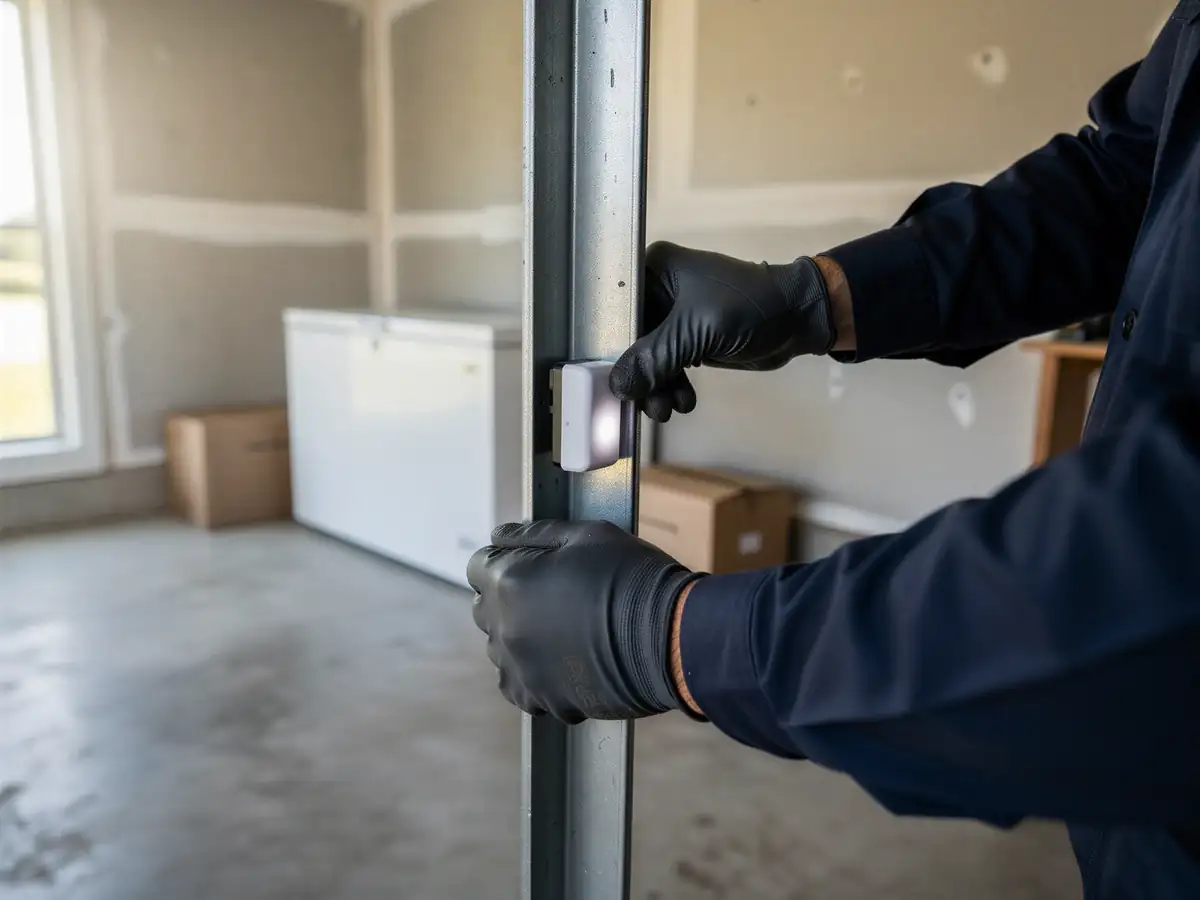
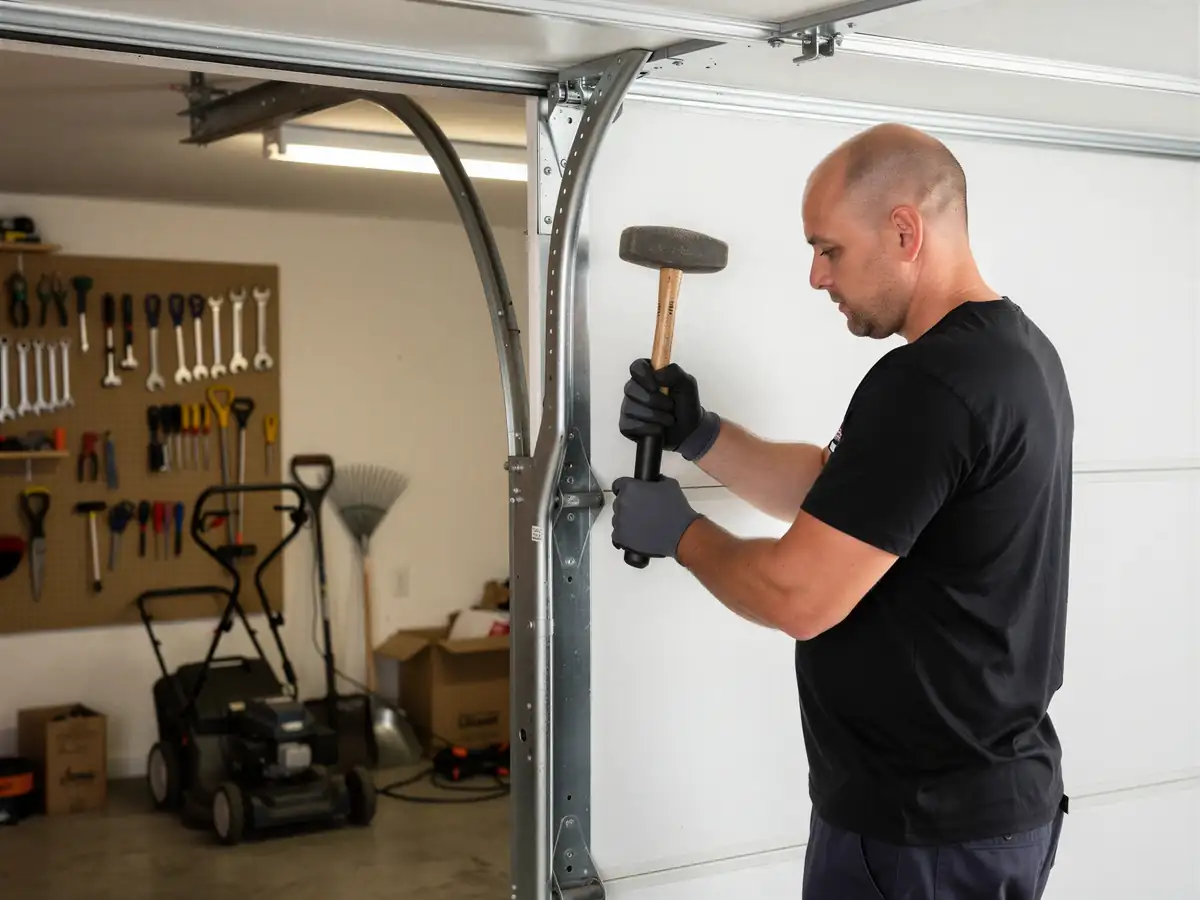
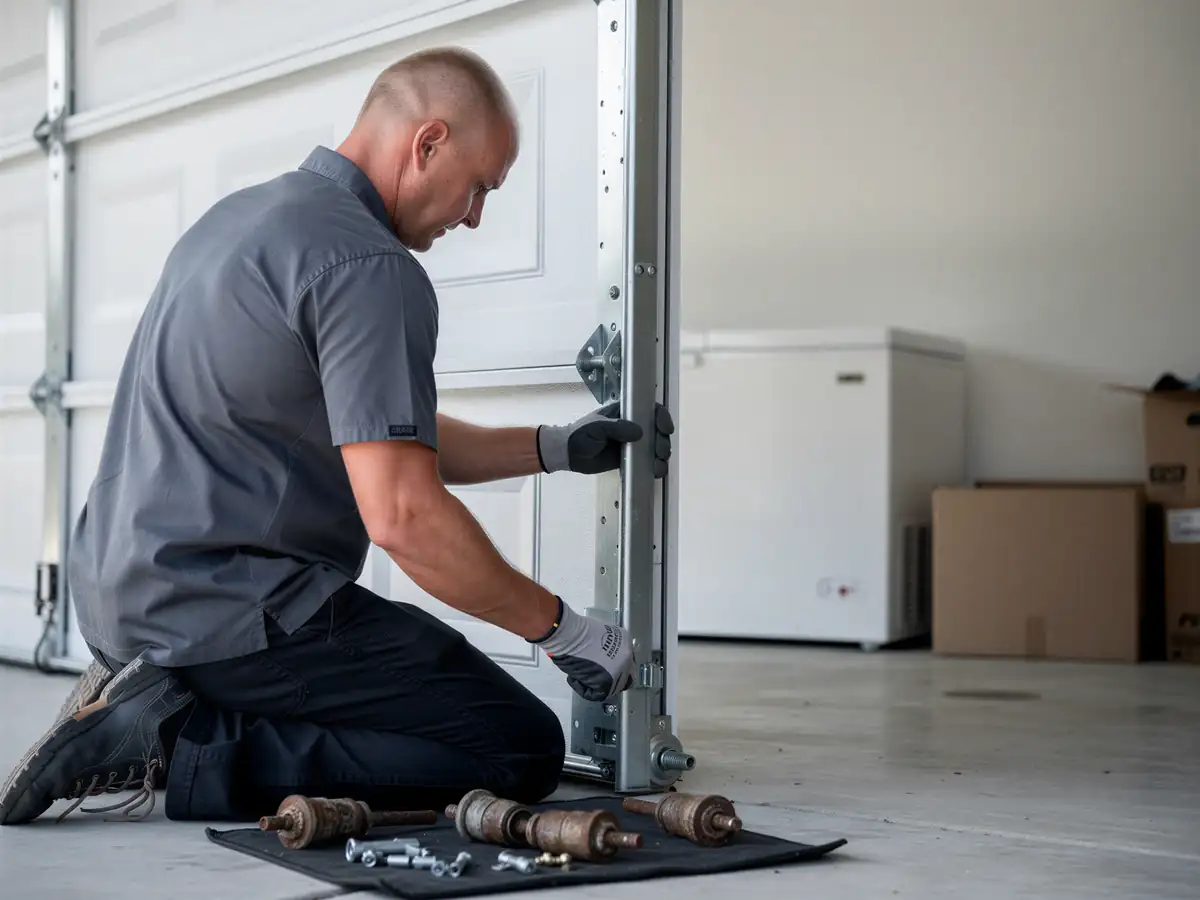
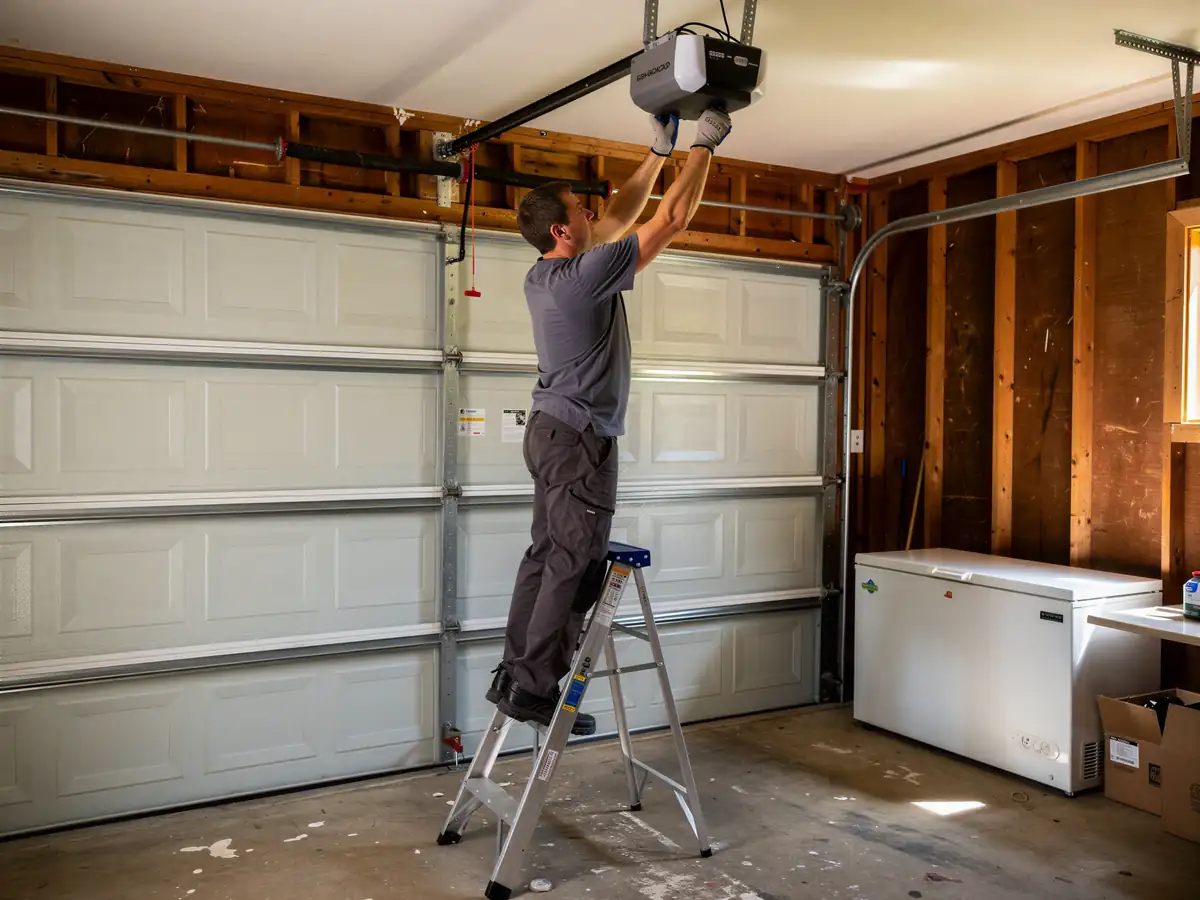
We start by checking the door weight and spring type before touching the opener, because that decides horsepower and drive type, not personal preference. On a torsion door common to the 1976-era builds here, we mount the head unit, run the rail to match the existing track centerline, and set the force and travel limits to the actual door, not a factory default. Safety sensors get aligned and tested with a real obstruction, not just a visual check. If the garage only has that single outlet near the service door, we route power along the ceiling track rather than leaving a cord running across the floor. Last step is pairing remotes and the wall console and running the door through a full open-close cycle under load before we call it done.