How Long It Takes
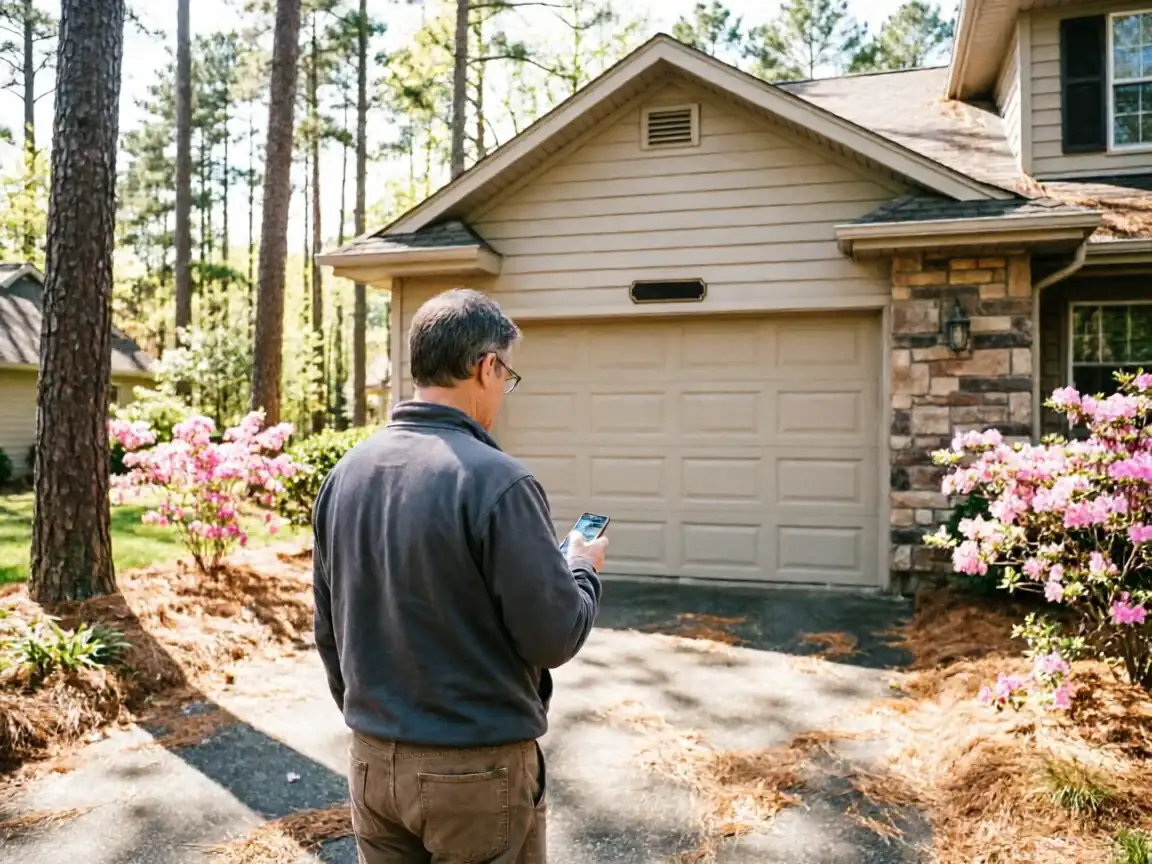
Hollins sits about four miles from Roanoke, close enough that a technician can be at your door the same morning without padding the schedule for a long haul. Most opener calls here run under an hour once the tech is on site - diagnosing the fault, pulling the cover off the head unit, and testing the motor and logic board usually tells us what we need to know fast. The slow part isn't the drive to you, it's parts. If the job needs a specific logic board for an older unit, that can mean a short wait while it ships, since we don't keep every board for every opener made since the 1970s in the truck. We'll tell you up front if that's the case rather than guess at a timeline we can't keep. Simple fixes - a worn drive gear, a dead capacitor, a misaligned sensor - get handled in one visit almost every time.
Stocked Parts
With roughly 6,780 households in Hollins and a build wave that runs through the 1960s and 70s, the openers we pull covers off most often are chain-drive units from that era or their first replacements installed sometime in the 1990s. We carry drive gears, capacitors, safety sensor pairs, and logic boards sized for the common residential chain and belt-drive models that fit that age bracket. What we don't carry is every obsolete control board for a unit discontinued decades ago - if your opener is old enough that the manufacturer has stopped making parts for it, we'll say so and talk through whether a board swap or a full opener replacement makes more sense for the money. That's a judgment call we make with you, not for you.
The Complications
An opener from the 1990s or earlier on a Hollins house wasn't built to the same code as what's sold today. Some of these units predate the current safety-reversal requirements entirely, which means a repair isn't always a drop-in part swap - sometimes fixing it right means bringing the safety features up to a standard the original unit never had. Wiring is another snag: older homes sometimes have the opener run off a shared circuit or an outlet that's seen better days, and that's an electrical issue outside what an opener repair alone fixes. We'll flag it if we see it, but we don't do house wiring. The other complication is remotes and rolling codes - older openers sometimes use fixed codes that don't play well with newer universal remotes, so replacing just the remote isn't always the simple fix it sounds like.
How We Fix It
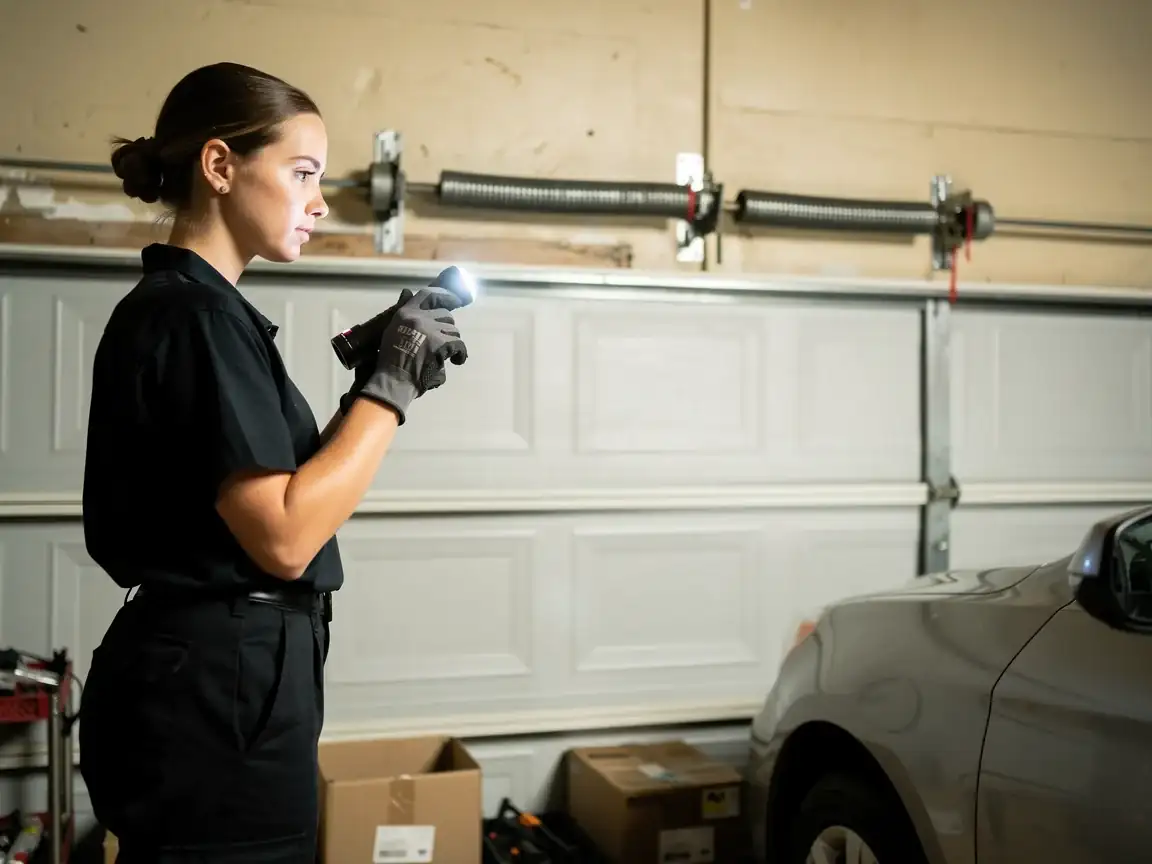
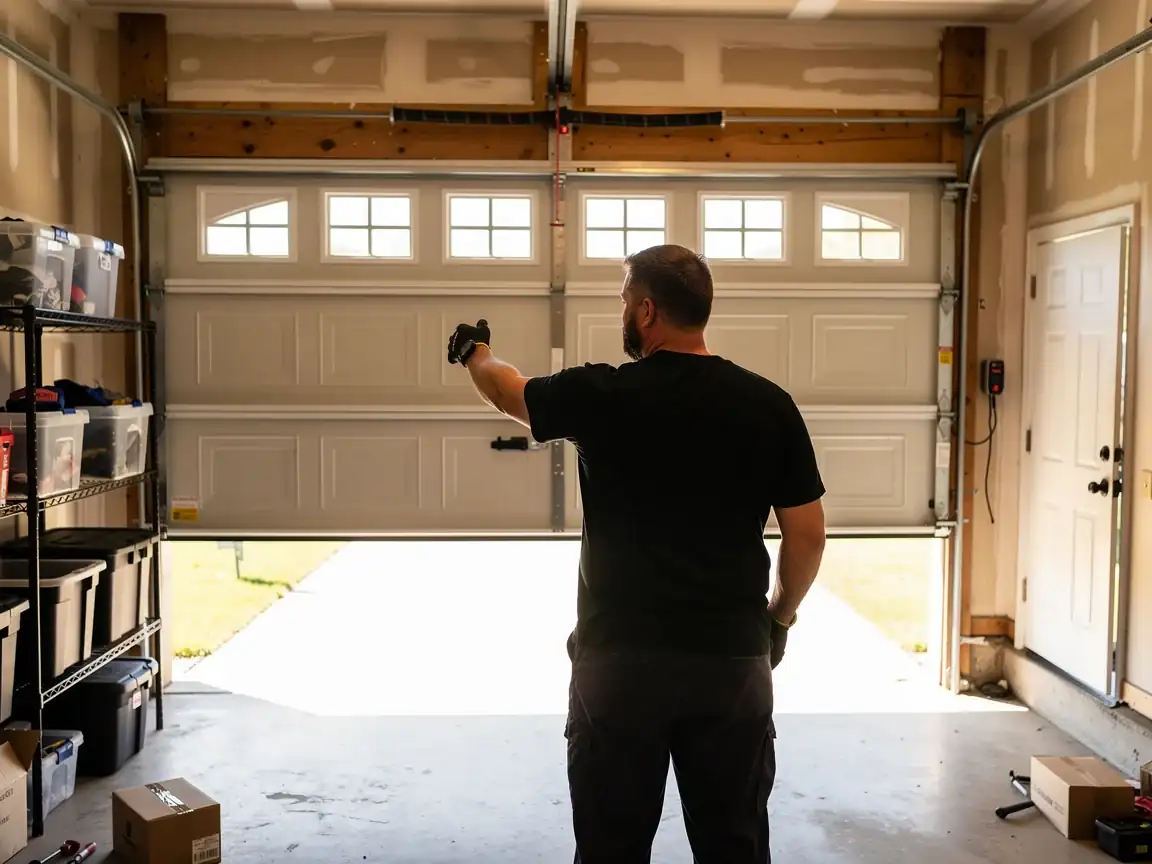
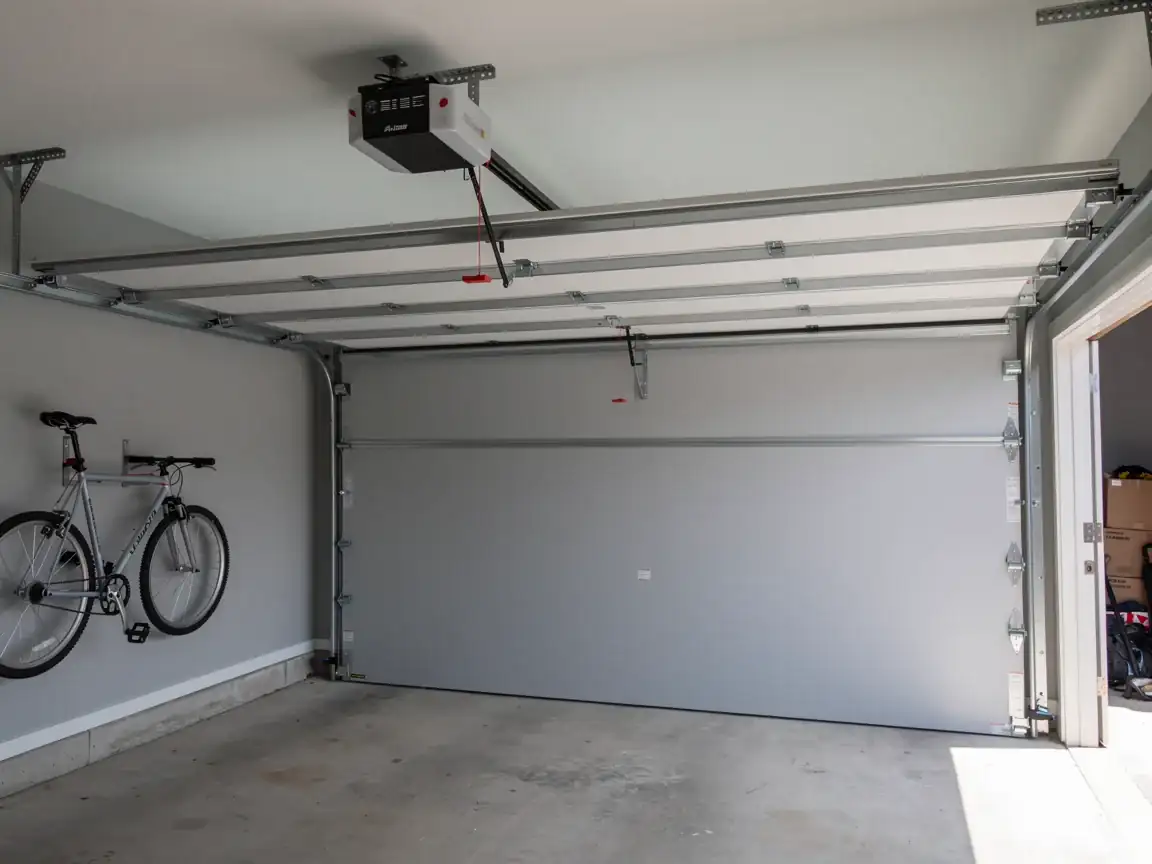
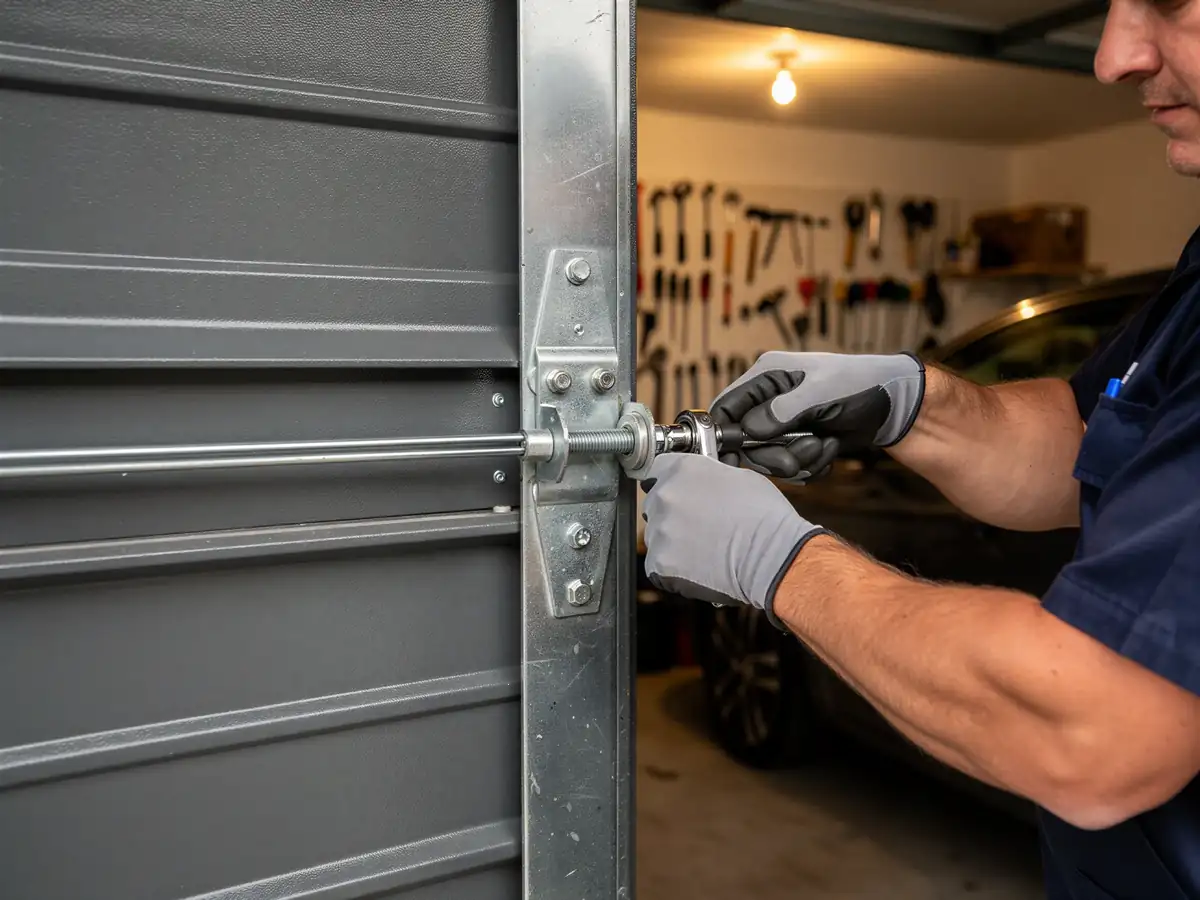
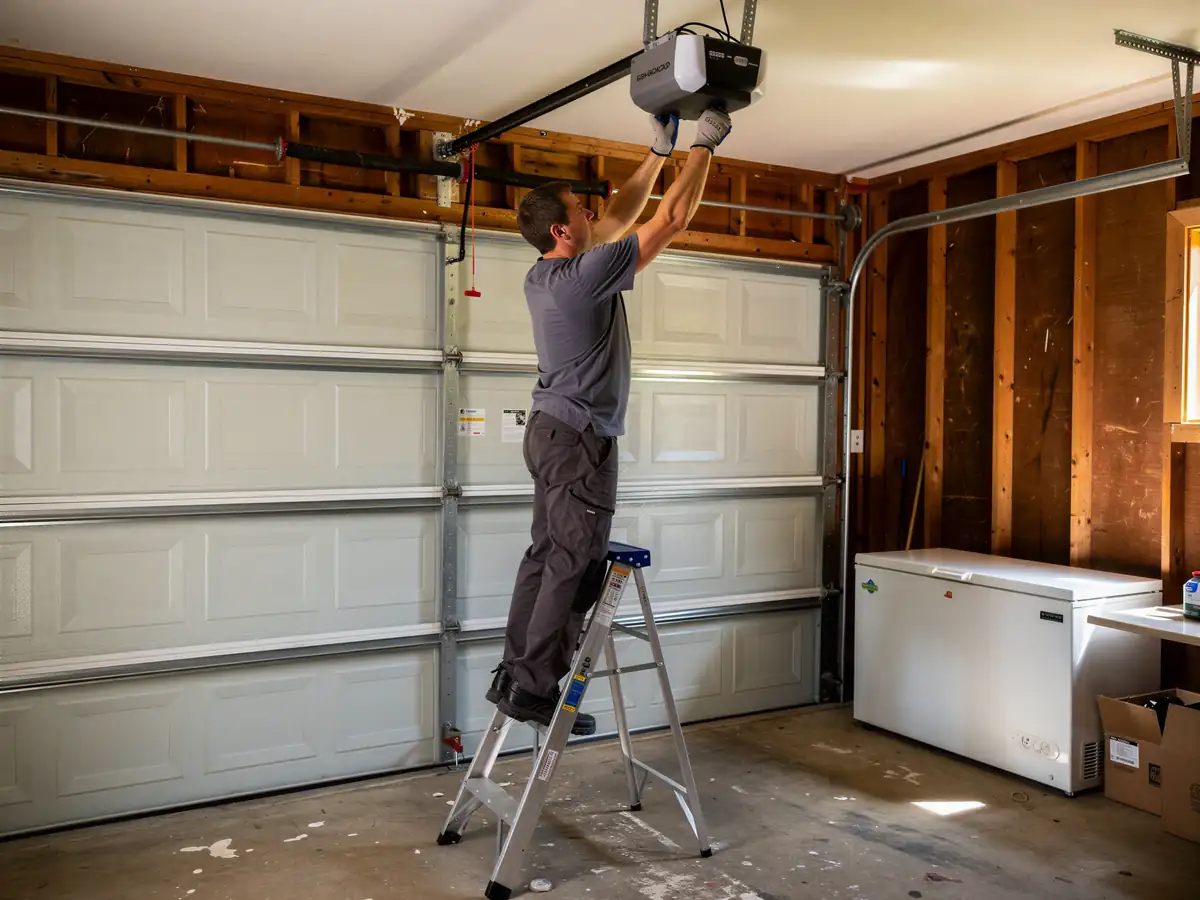
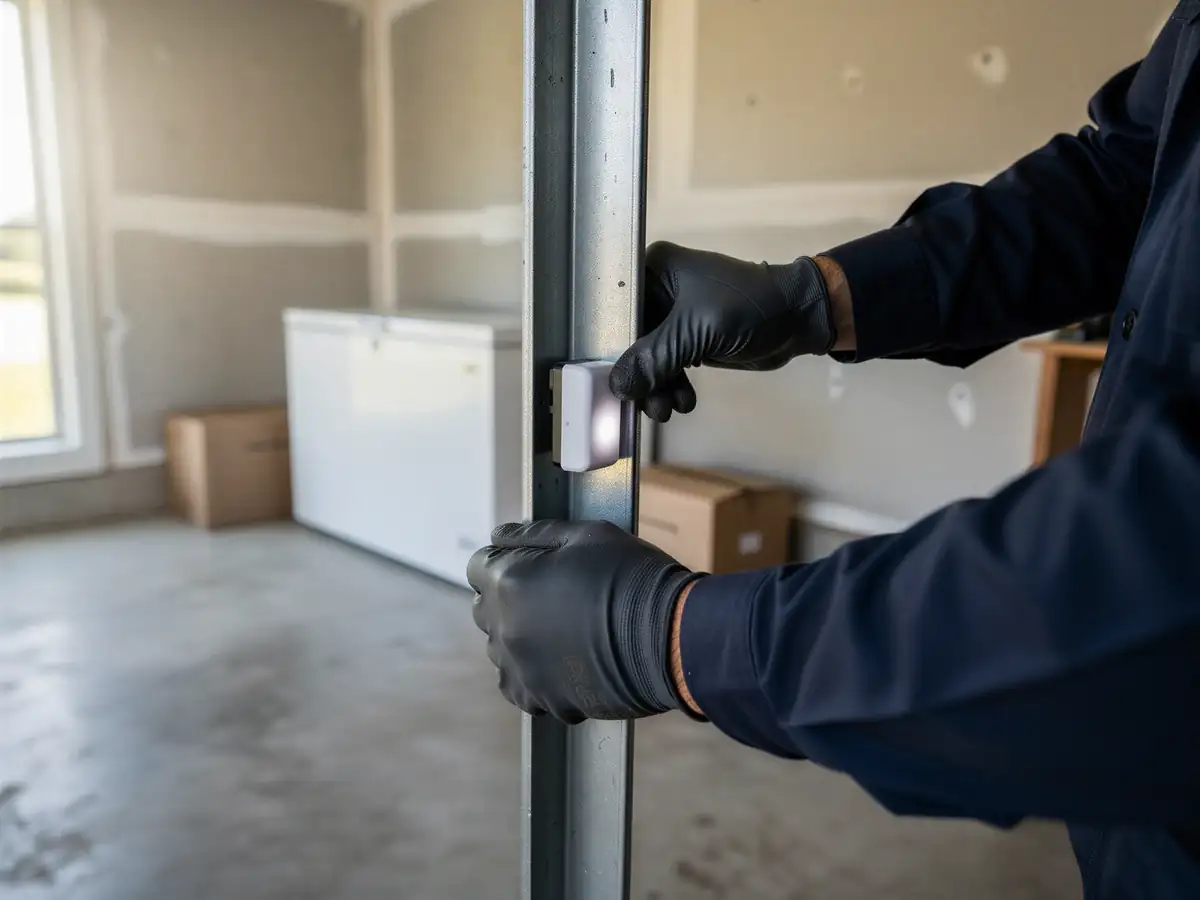
We start by running the opener through its cycle and watching exactly where it fails - at the wall switch, the remote, or the unit itself - before we open anything up. That tells us whether we're looking at a logic board, a worn drive gear, a dead capacitor, or sensors that have drifted out of alignment, which happens more than people think on older brackets that have shifted slightly over the years. If it's a board or sensor pair, we replace the part and test the full cycle, including the safety reversal, before we call it done. If the motor itself is shot or the unit predates parts availability, we'll lay out the real choice: repair cost against a new opener, plainly, with no pressure either way. Not every opener is worth saving, and we'd rather tell you that than bill you for patchwork that fails again in six months.