How Long It Takes
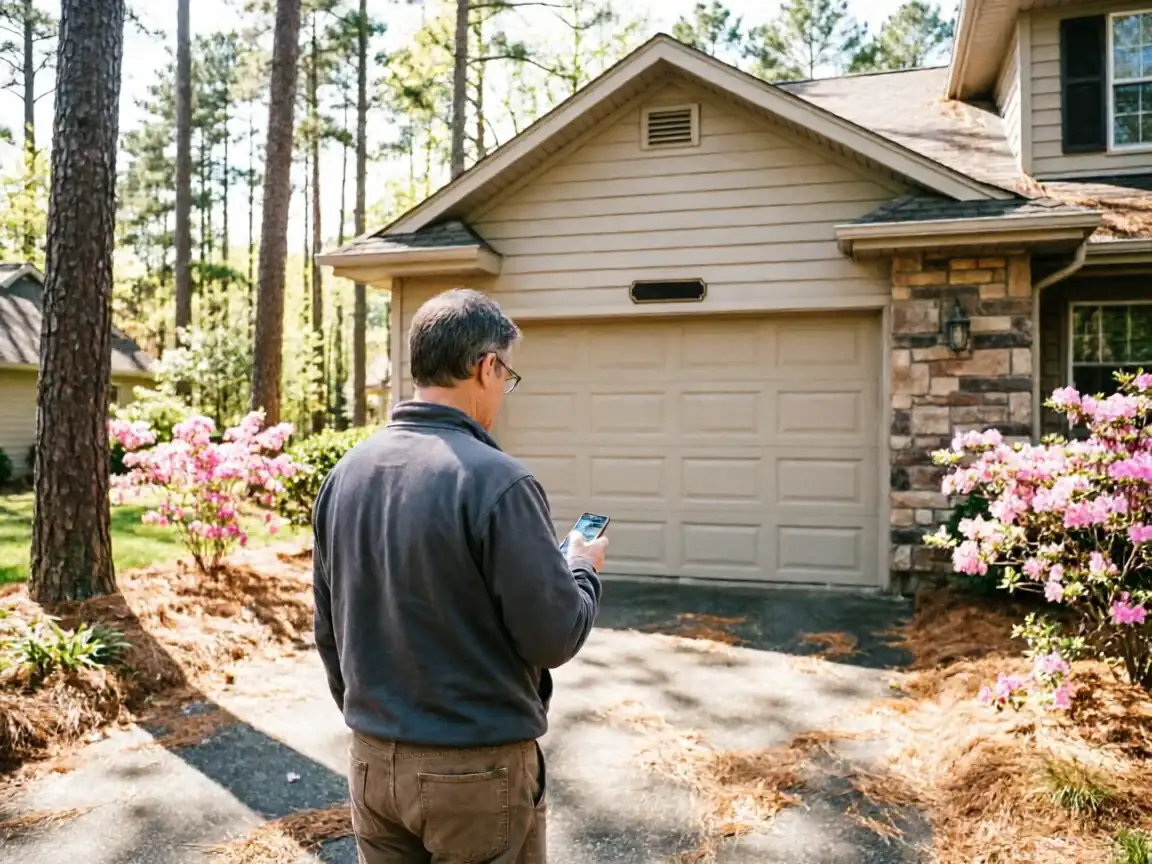
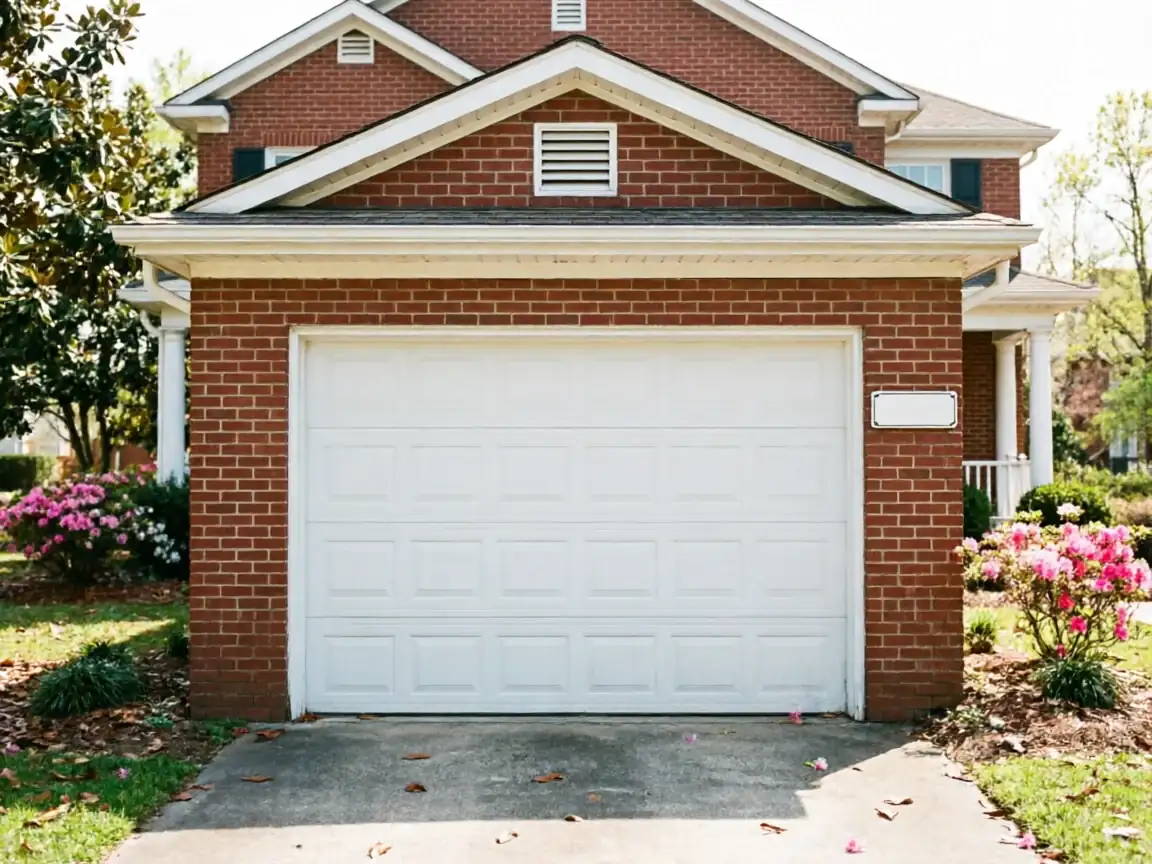
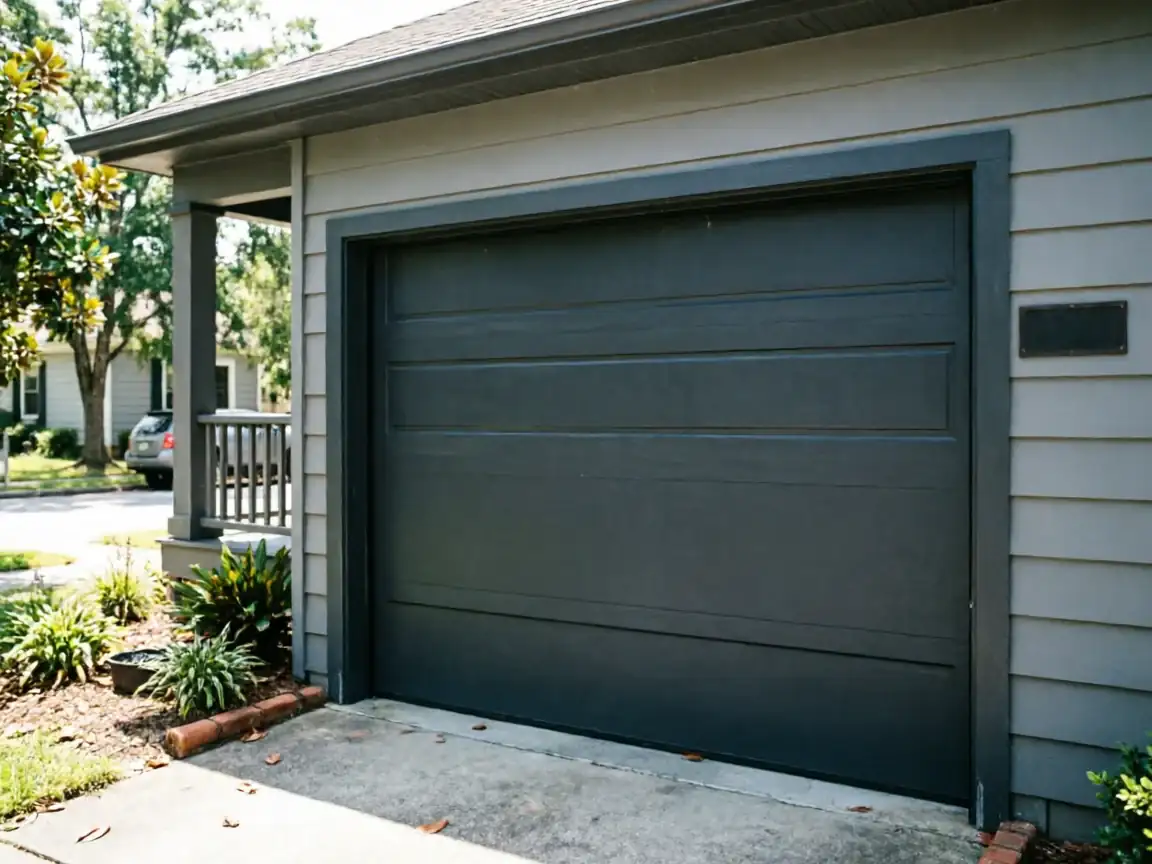
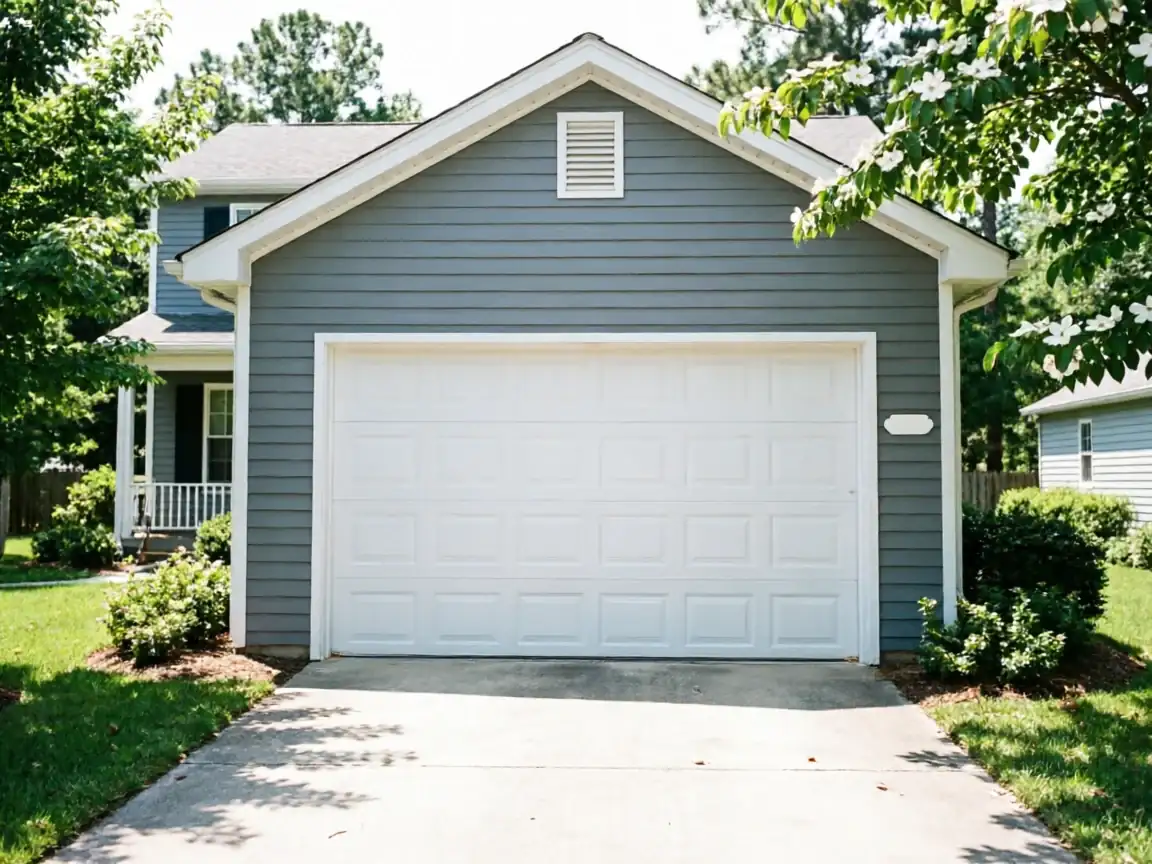
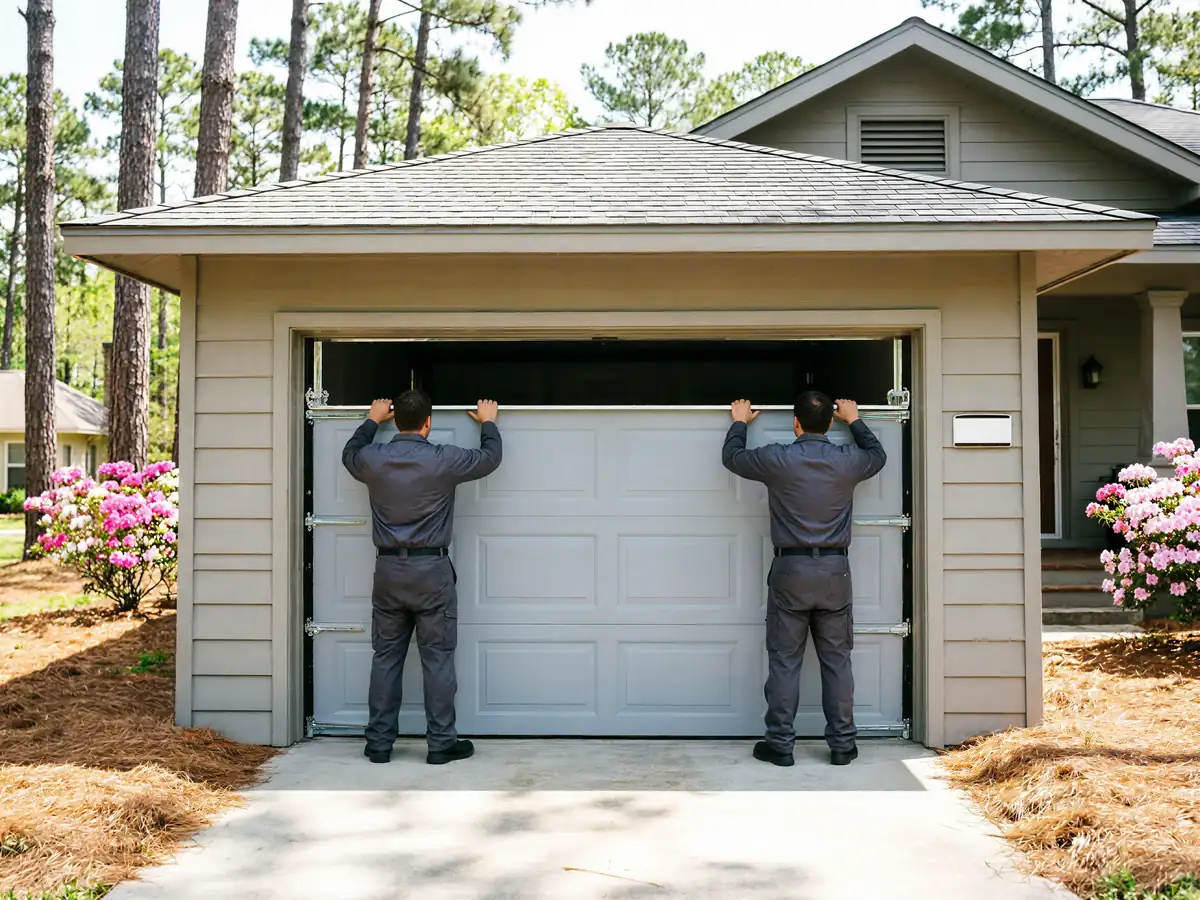
A straight swap on a house with a standard single or double opening usually runs half a day, start to finish, once the door and track are on the truck. What slows a Hollins job down isn't distance - we're 4 miles out of Roanoke - it's the house itself. With a median build year of 1976 here, a lot of these openings were framed for hardware sizes and track radii that aren't standard anymore, so the crew sometimes spends extra time squaring a jamb or re-cutting a header bracket before the new door goes up. We tell people up front that a same-day install isn't a promise we make everywhere; if your opening needs framing work, that's a second visit, not a rushed first one. For a neighborhood built out mostly in one era, as much of Hollins was, that framing surprise shows up more often than it would in a newer subdivision.
Stocked Parts
We carry the torsion spring sizes, standard track sections, and common opener models that cover most of what's out there across this part of the service area - 16 named communities with housing built mostly in the 1960s and 70s. That stock matches what we see on a typical Hollins call: a door from the 1976 era or close to it, running 7-foot or 8-foot openings, steel panels, extension or torsion springs depending on who installed it originally. What we don't keep on the truck is anything custom-sized or a legacy opener part specific to a brand that stopped making that model decades back. If your house has one of those, we order it, and that's a day or two we can't shortcut. Nobody stocks everything for houses this age, and we'd rather tell you that than pretend otherwise.
The Complications
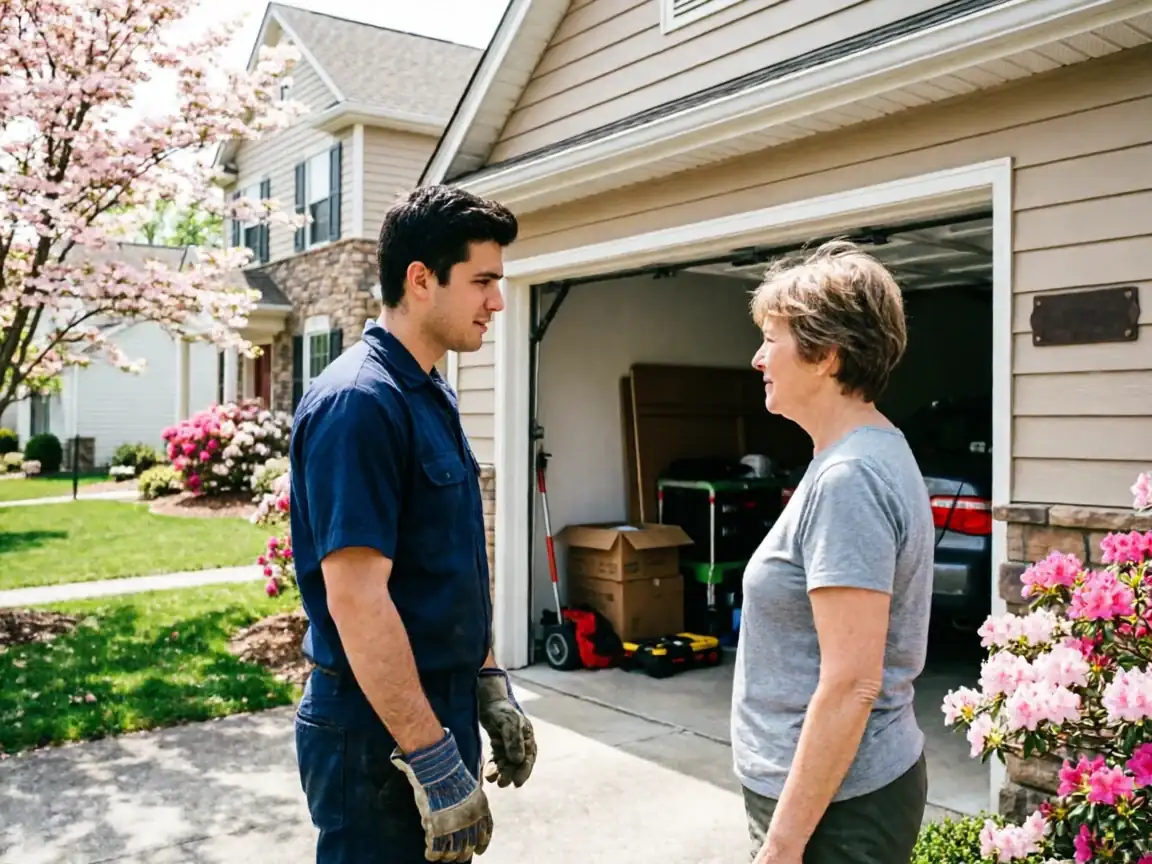
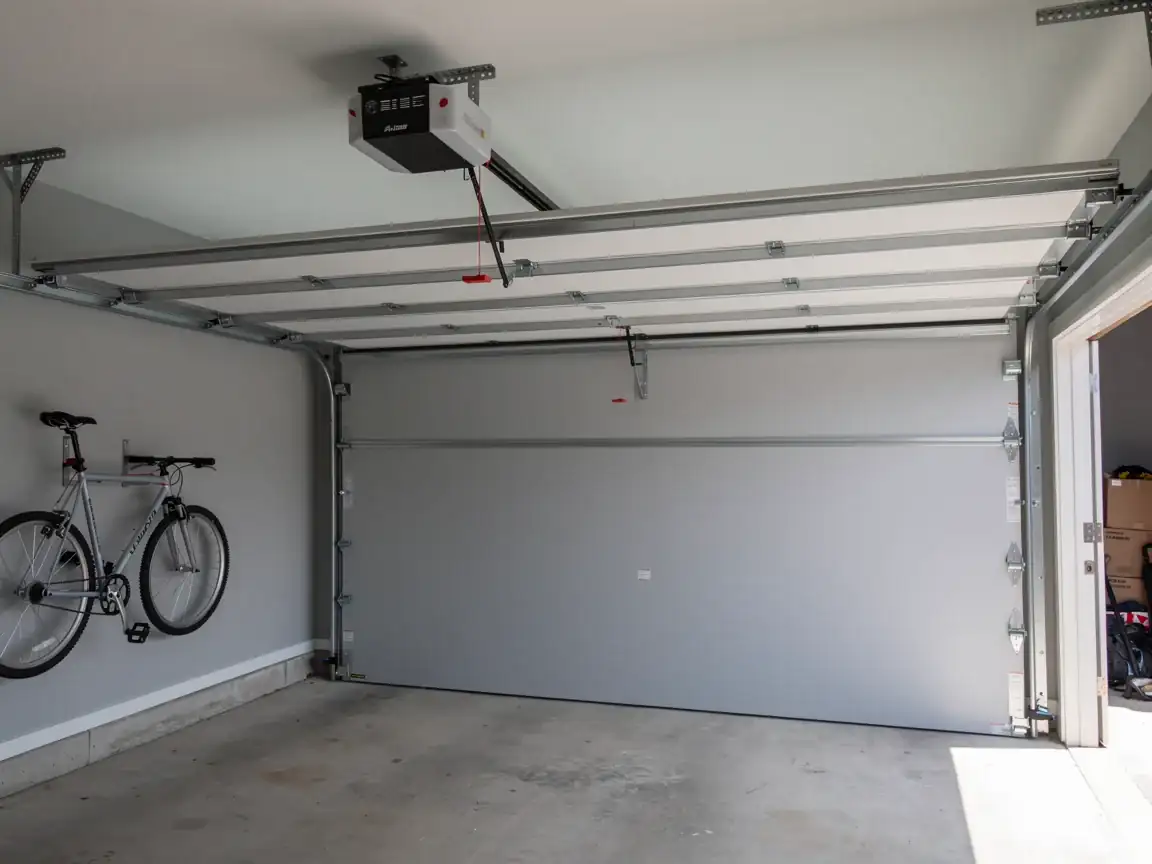
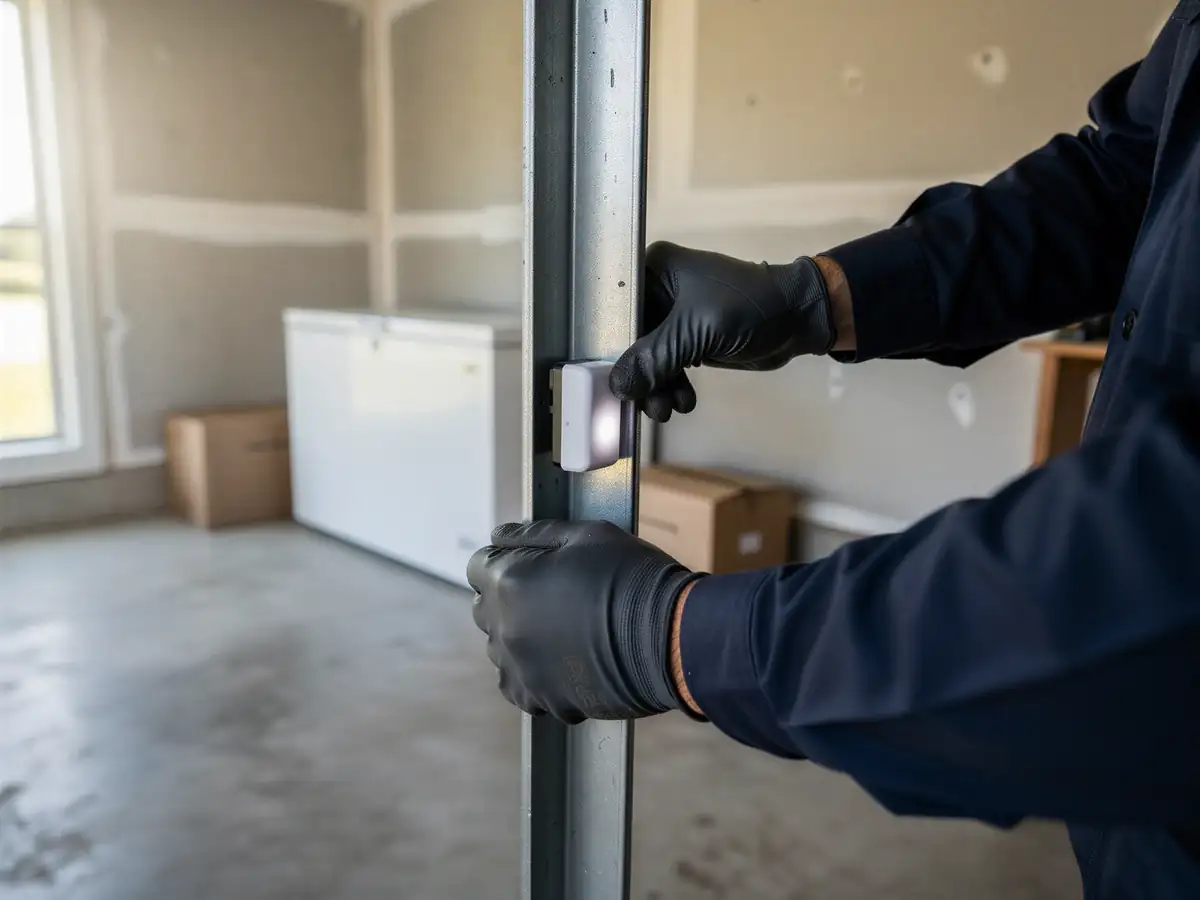
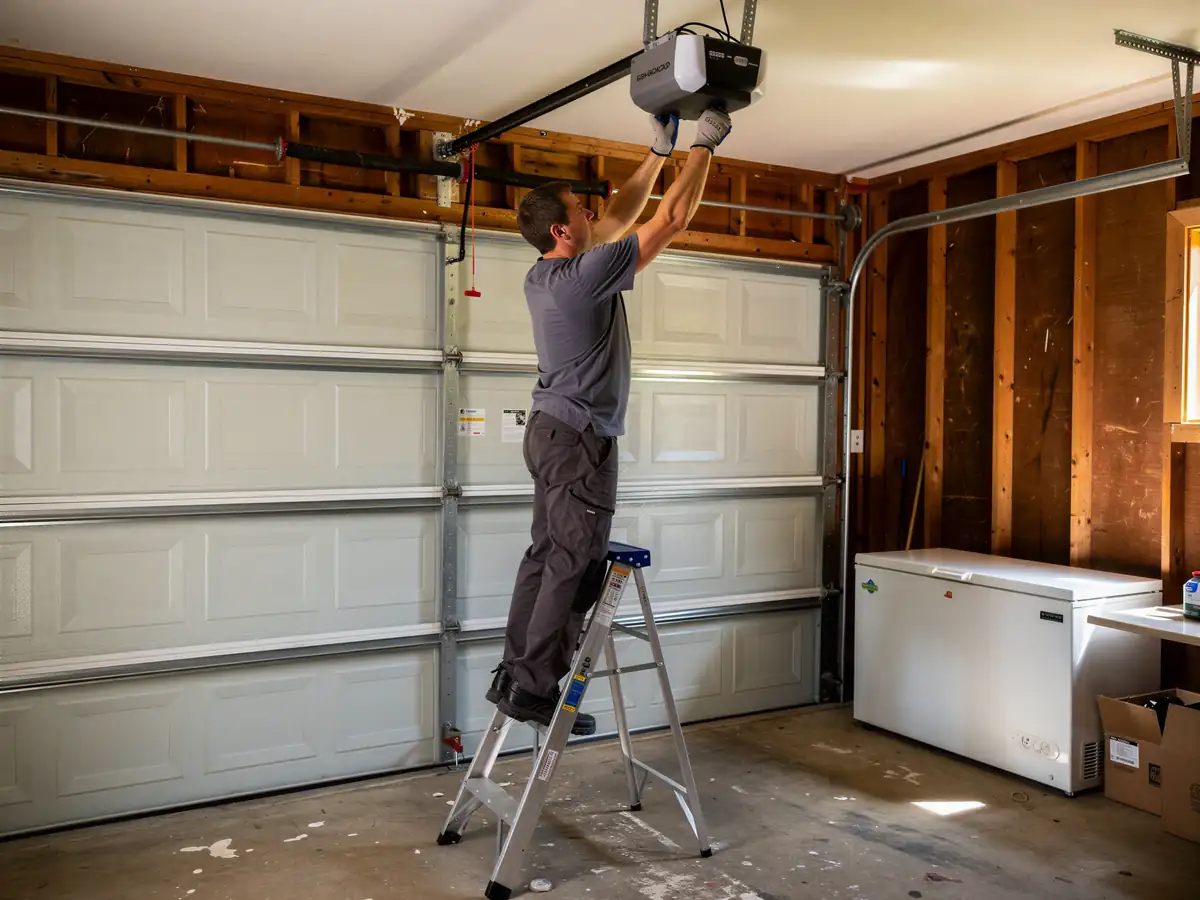
The most common snag on a Hollins installation is an opening that was never square to begin with, which is common in houses from the 1976 era where framing tolerances were looser than they are today. A new door goes in true; the frame around it doesn't always cooperate. We also run into headroom issues on older openers mounted low, and on houses where a previous owner added insulation or a second layer of drywall to the garage ceiling without accounting for the opener's swing clearance. None of this is unusual for a town built out mostly in one stretch of decades, but it does mean a quote based on a phone call can shift once we're standing in the garage. We'd rather flag that now than surprise you with it on install day.
How We Fix It
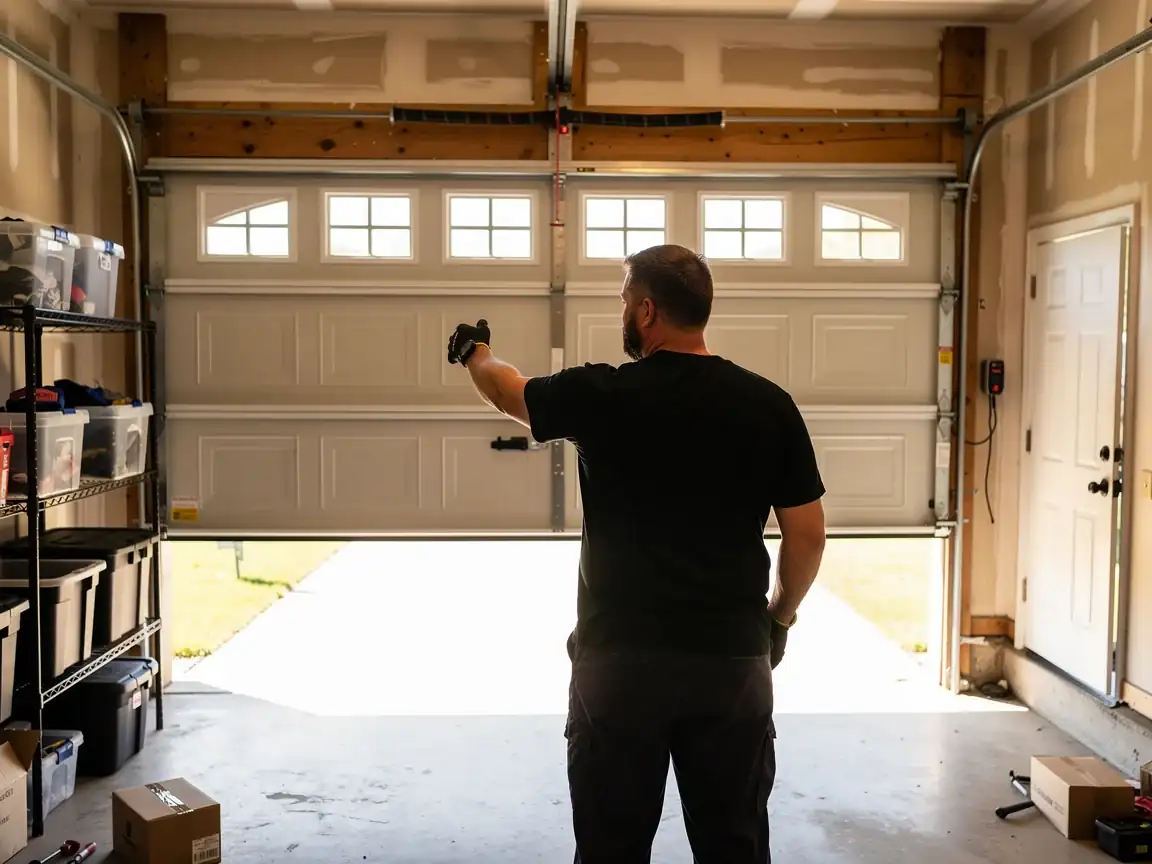
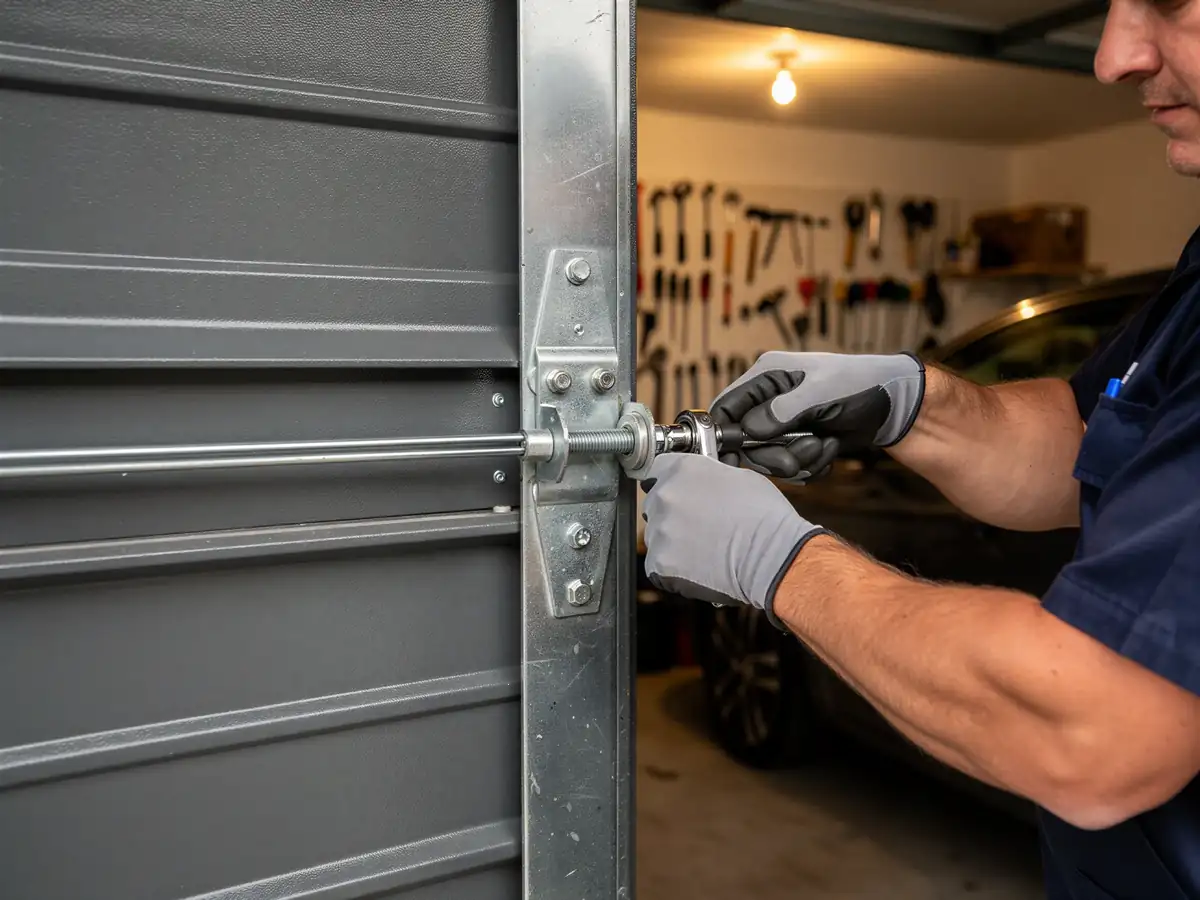
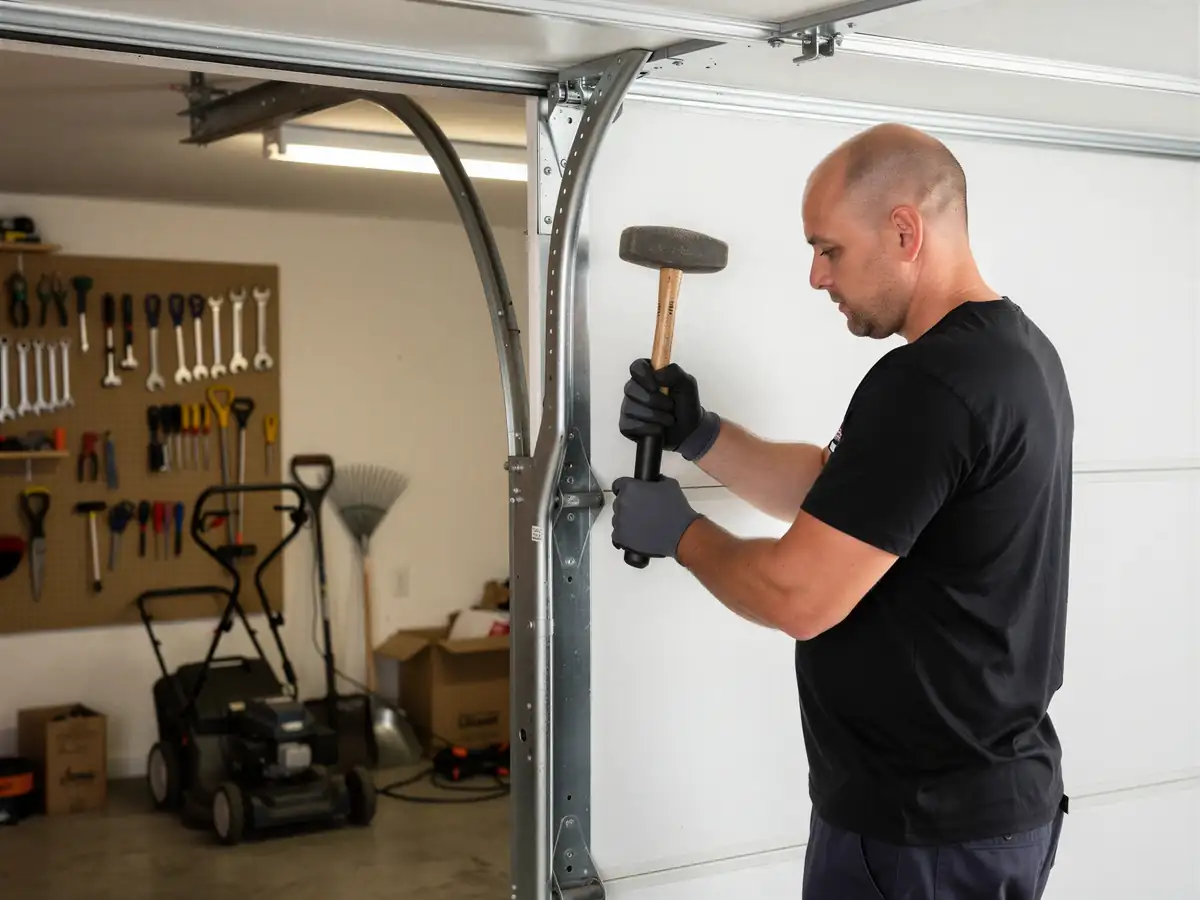
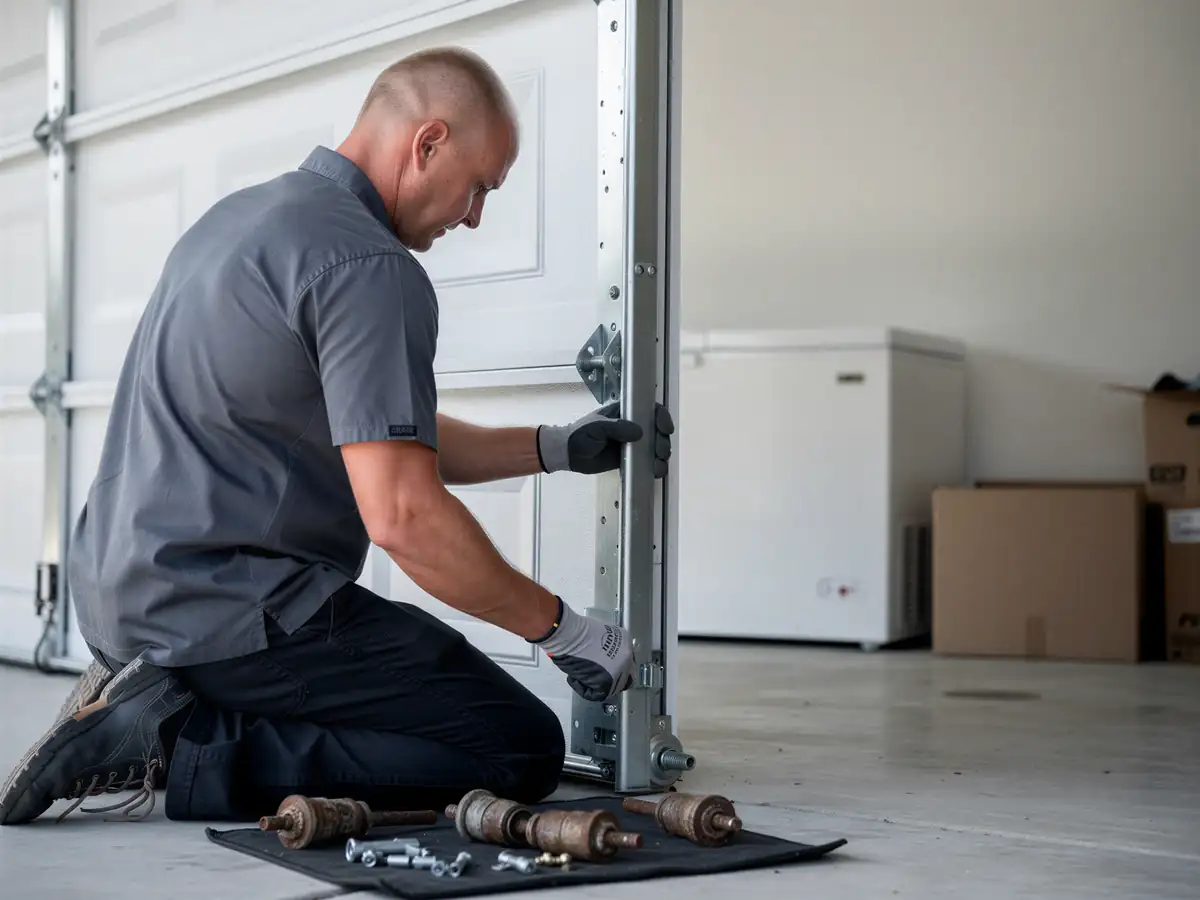
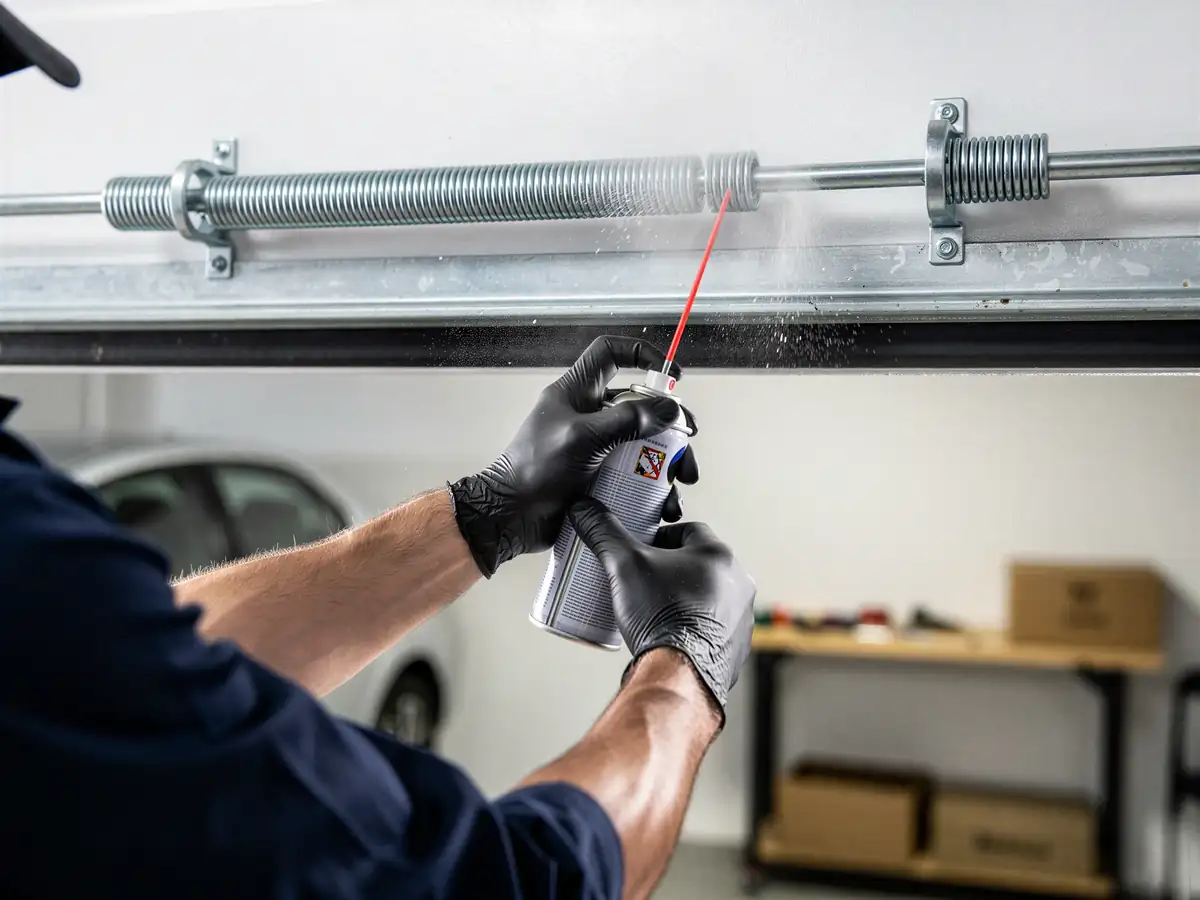
We start with the opening itself - measure it, check square, check headroom, and match the new door and track to what the house actually needs rather than what the old door happened to be. For a house built in the 1970s, that often means upgrading the torsion spring size to handle a heavier insulated panel than the original door ever carried, plus new end bearing plates since the originals are rarely worth reusing at that age. Opener mounting gets checked against ceiling clearance before anything goes up, not after. The crew comes from Roanoke, a short run to Hollins, so there's no separate dispatch delay built into the quote - the schedule is about the job itself, not the drive.