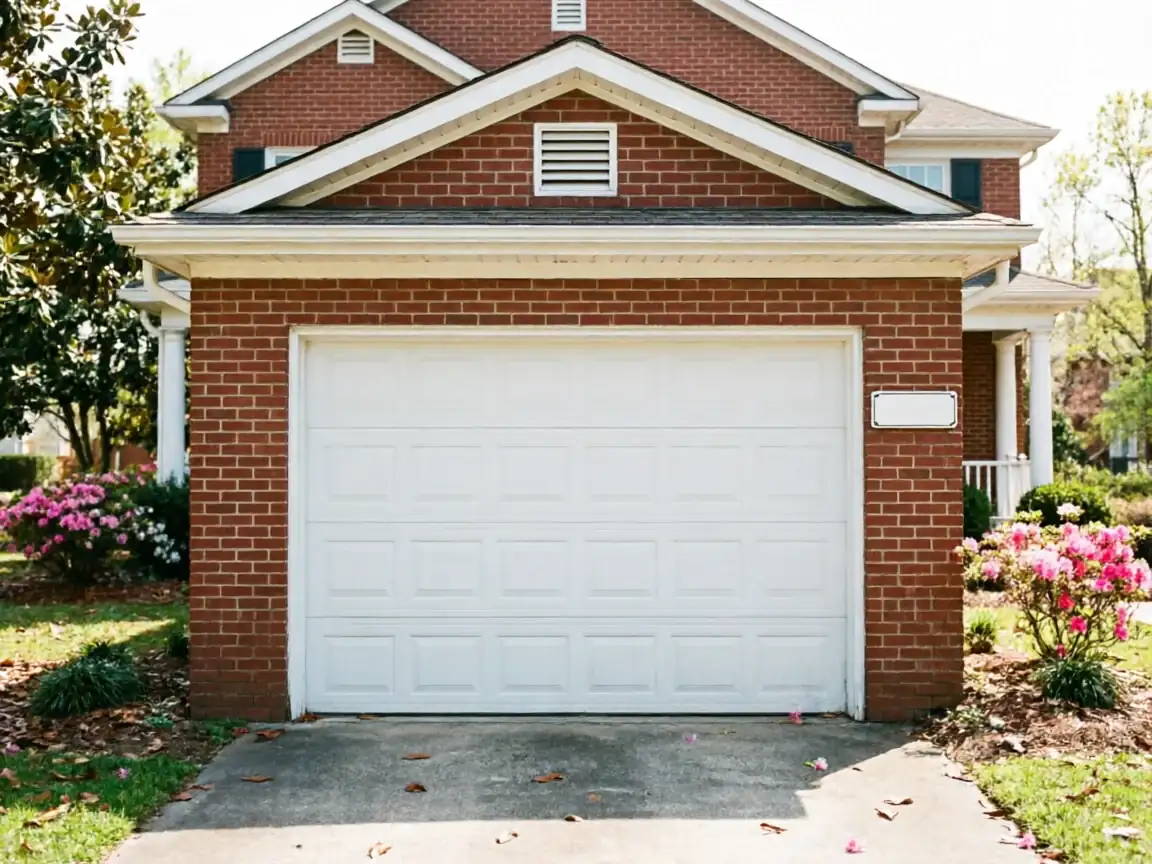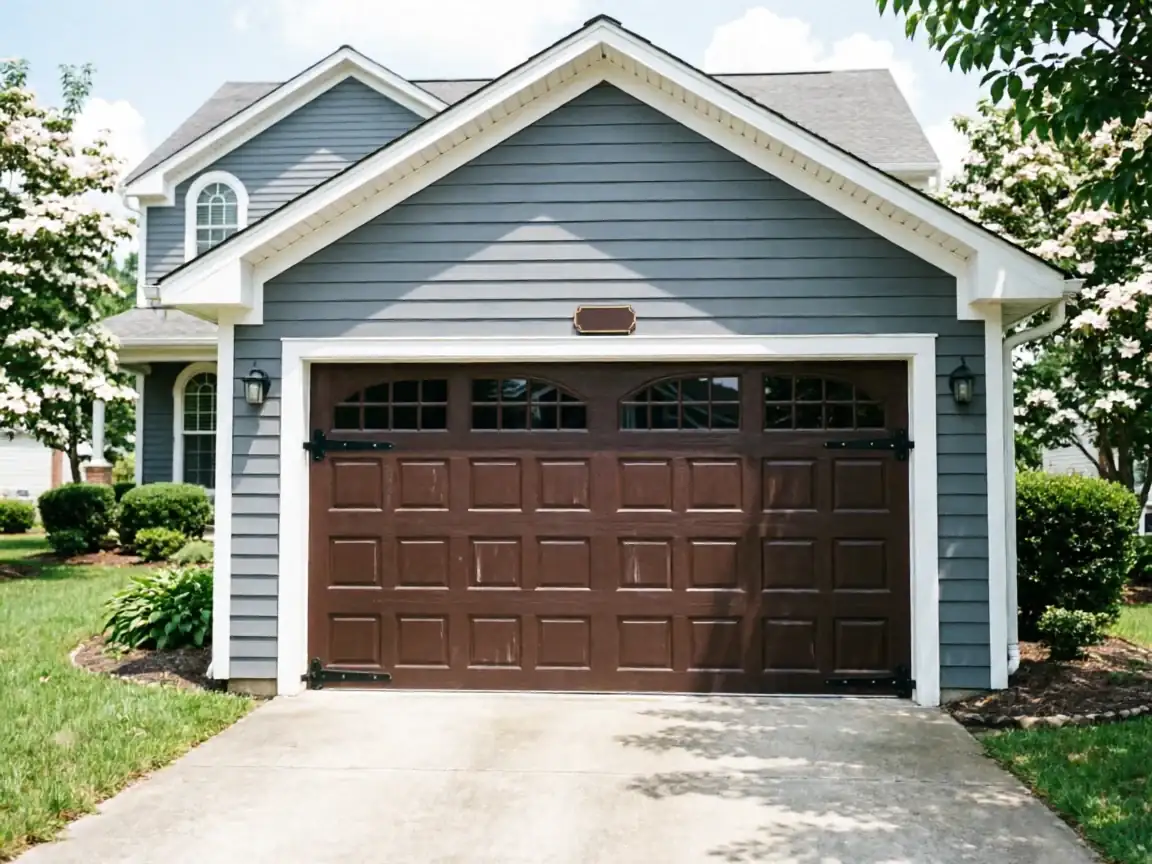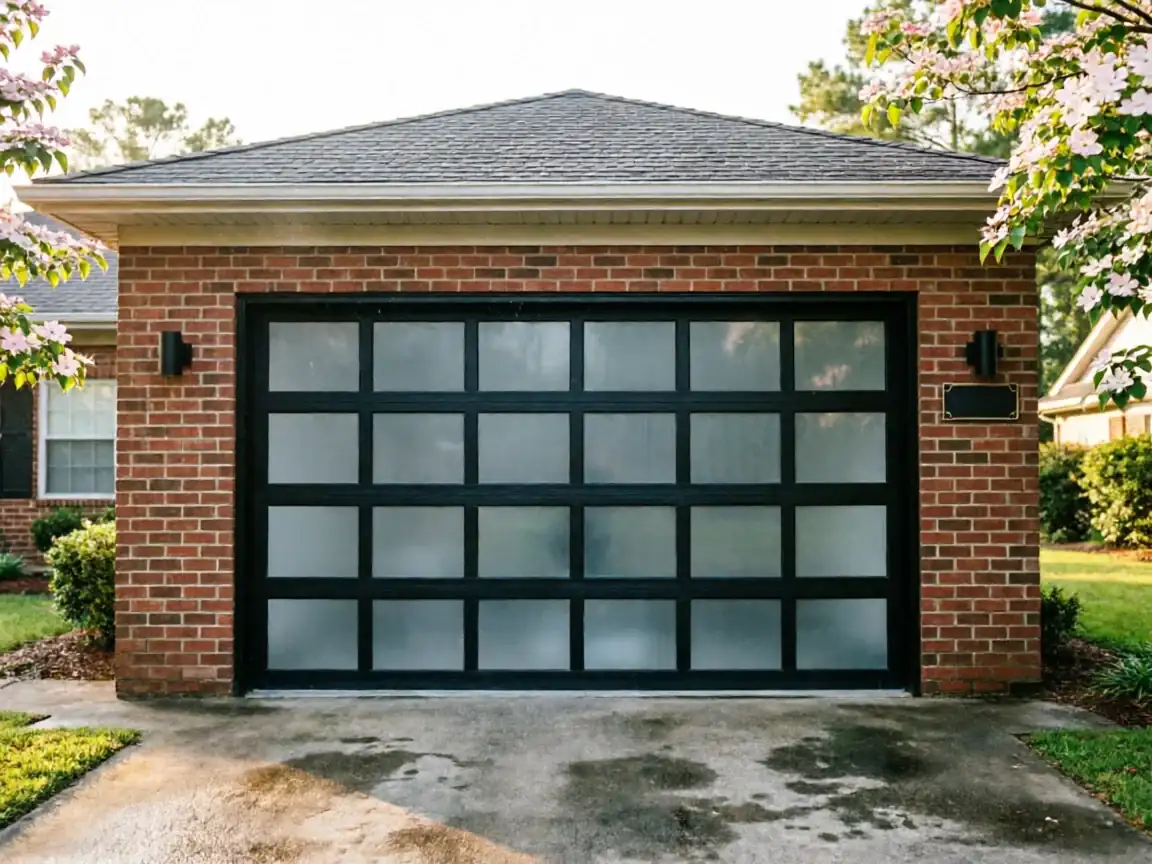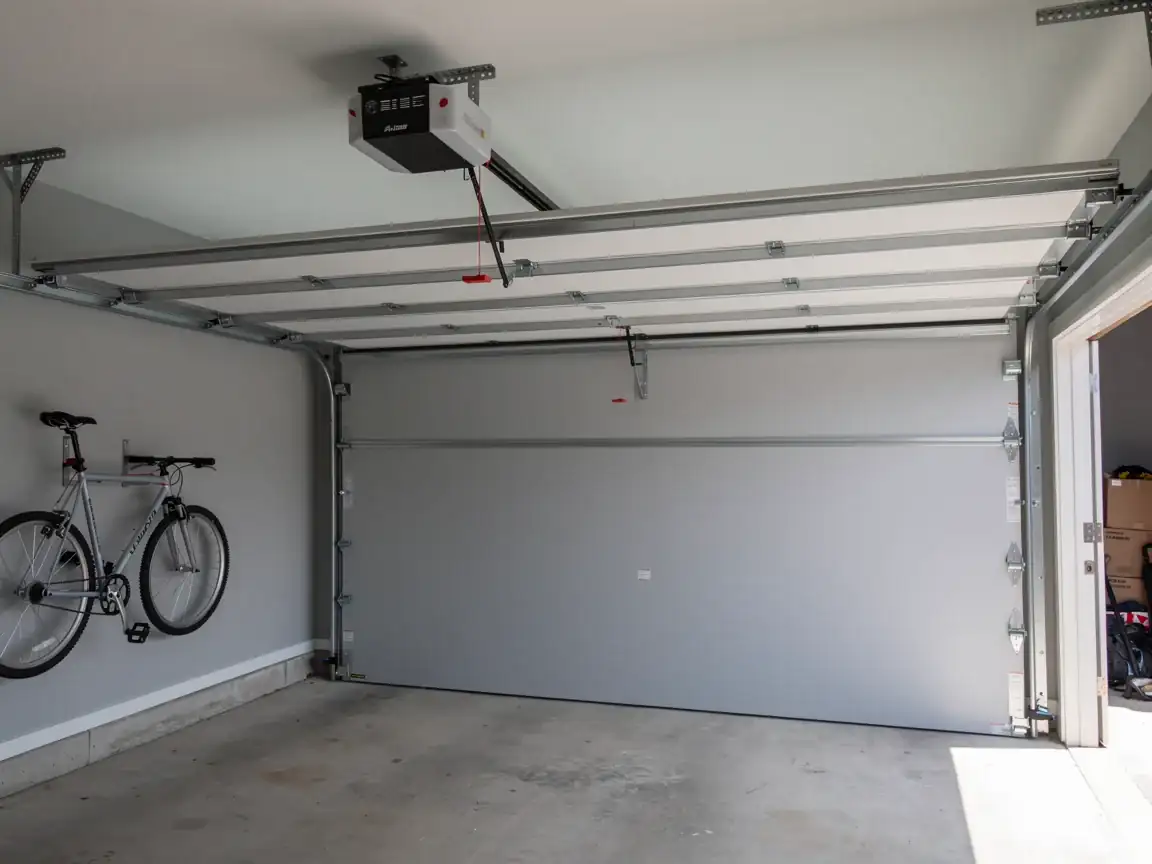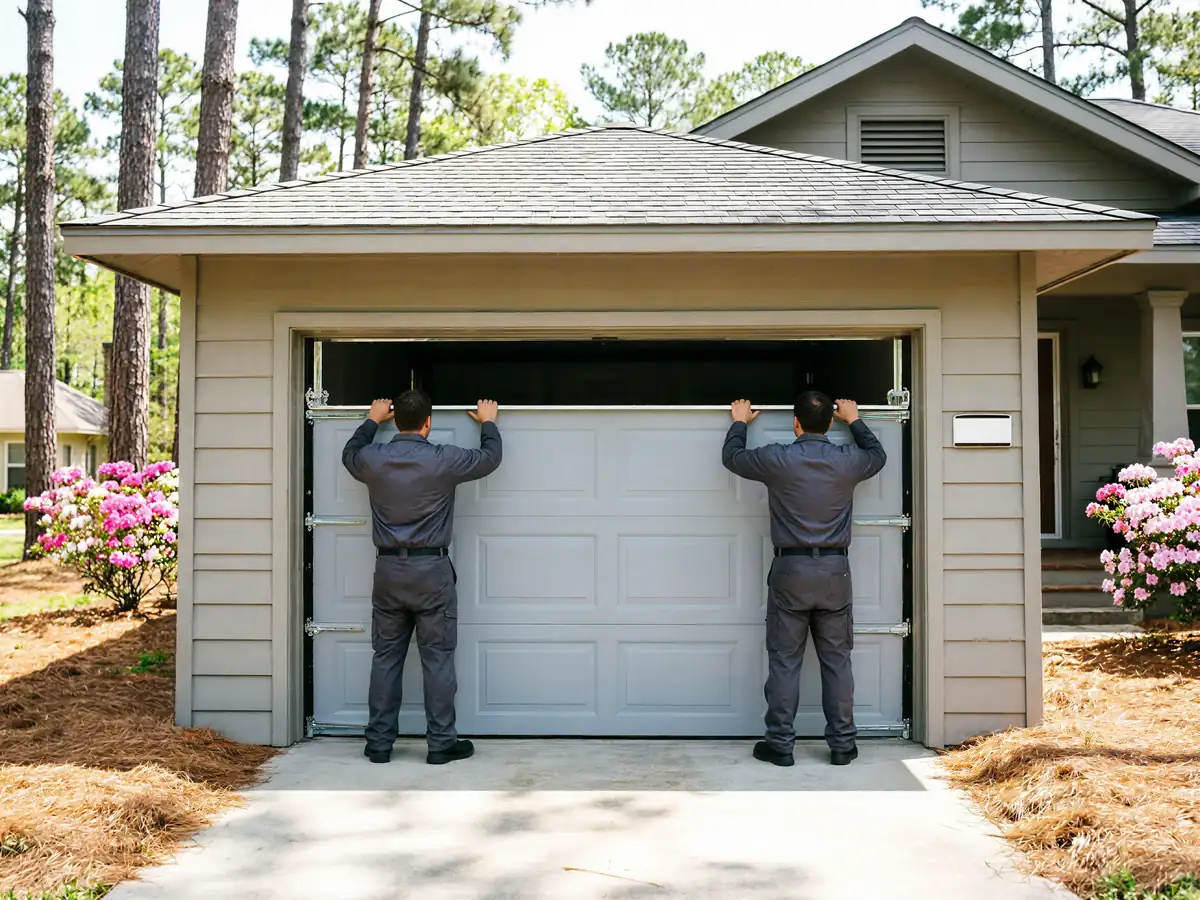
What Causes It Around Here
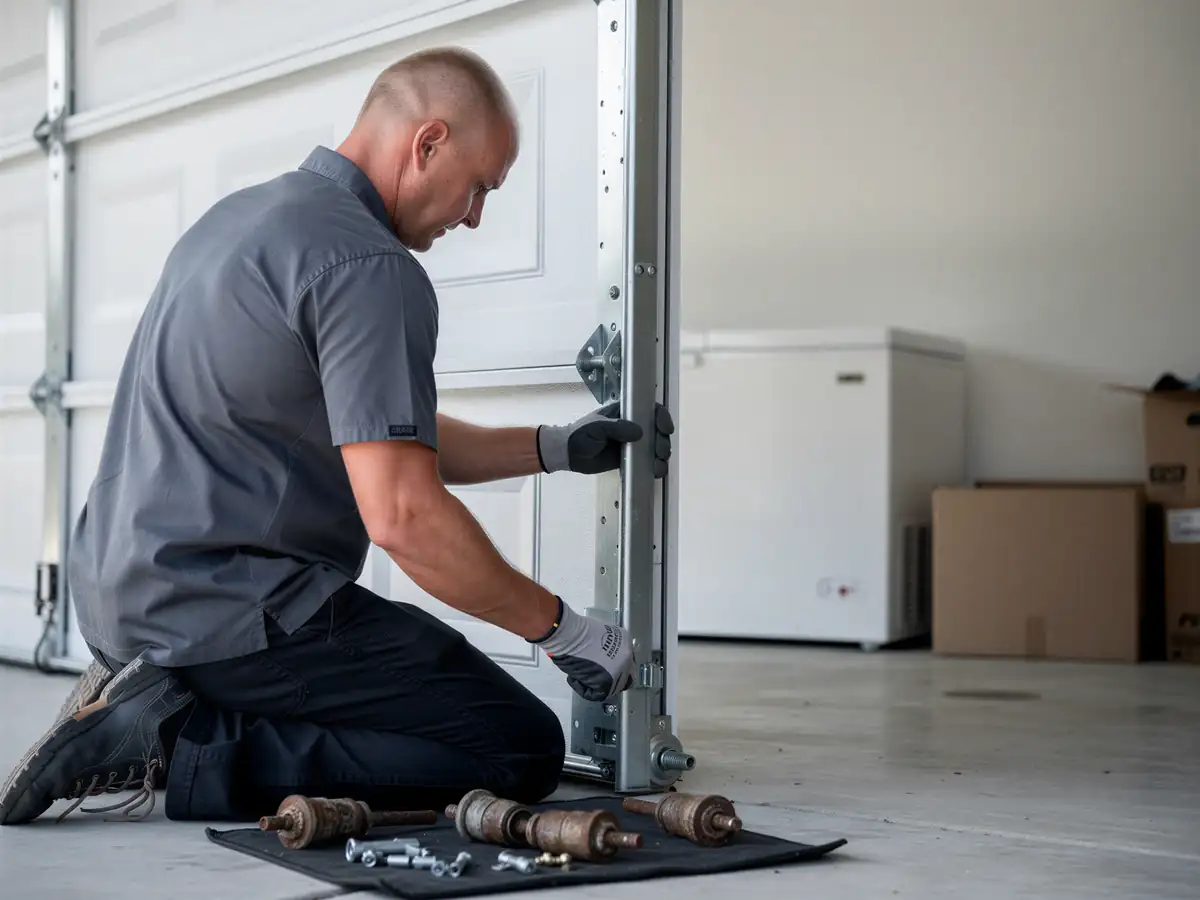
Salem sits about 5 miles from our shop in Roanoke, which matters less for how fast we can get there and more for what we find when we do. The houses in this part of the valley were mostly built in the 1960s and 70s, with a median build year around 1971 - right in the middle of the broader service area's 1953-2002 range. That generation of house came with torsion springs sized for lighter steel doors and openers that have usually been swapped out once or twice since, which means the original hardware and the current opener often don't match up well. Add a winter that counts as cold-moderate on the federal climate scale, and steel contracts enough in January that a spring already near the end of its cycle picks that week to let go. We see a lot of the same failure here: a spring rated for the original door working against a heavier insulated replacement panel installed sometime in the last decade. That mismatch is the single most common reason for a snapped spring or a strained opener motor on this side of Roanoke.
What You Are Seeing
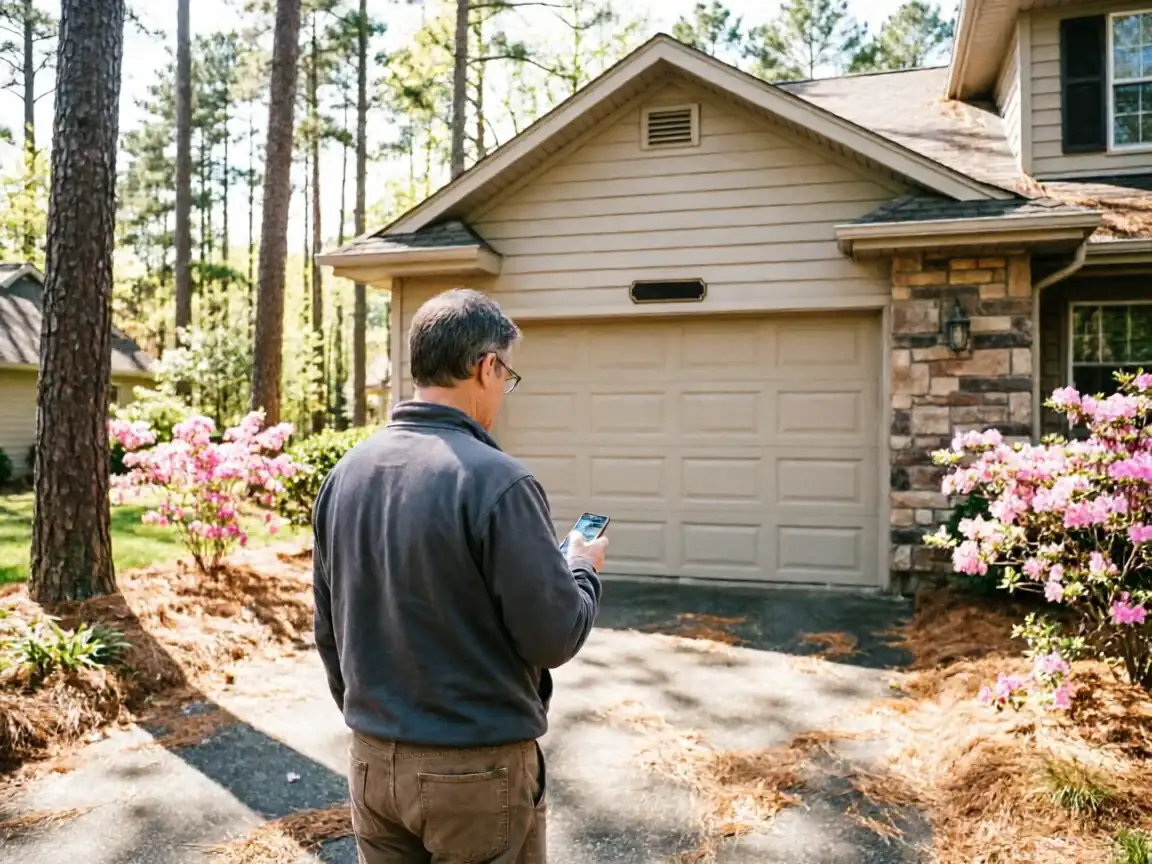
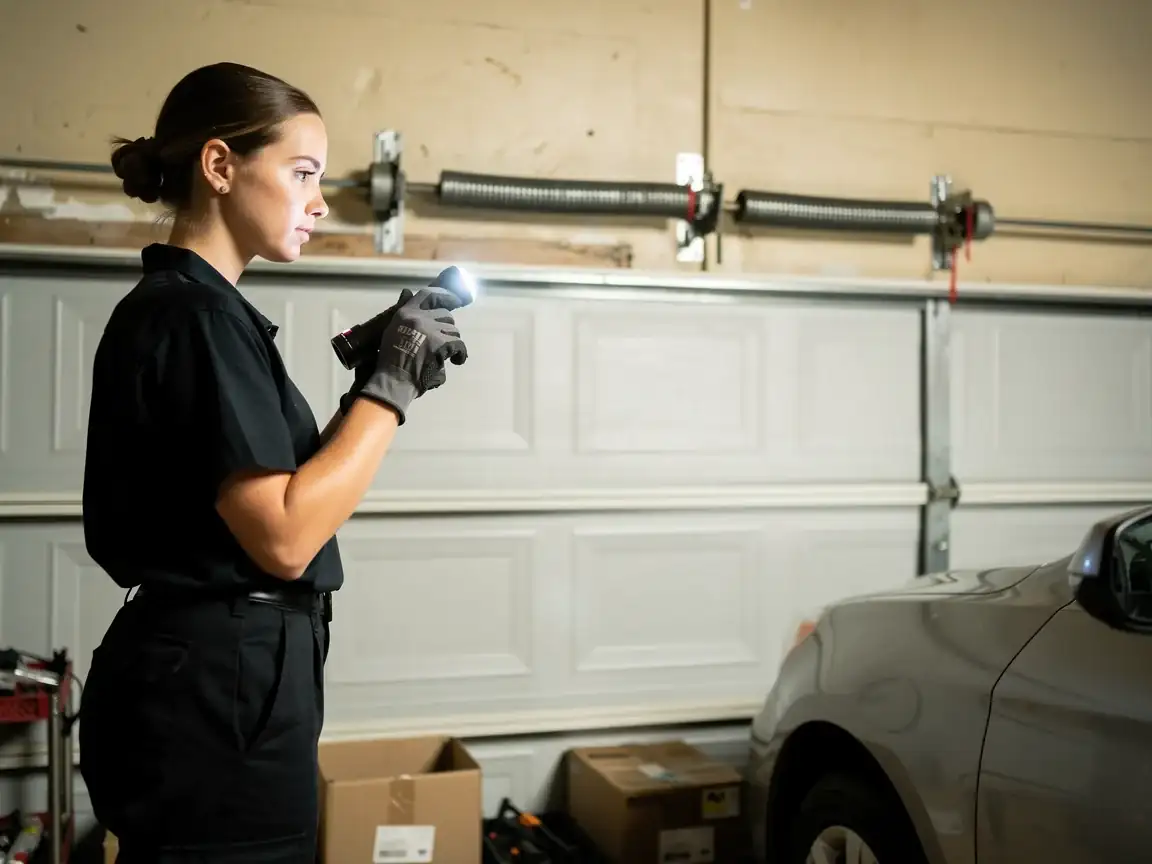
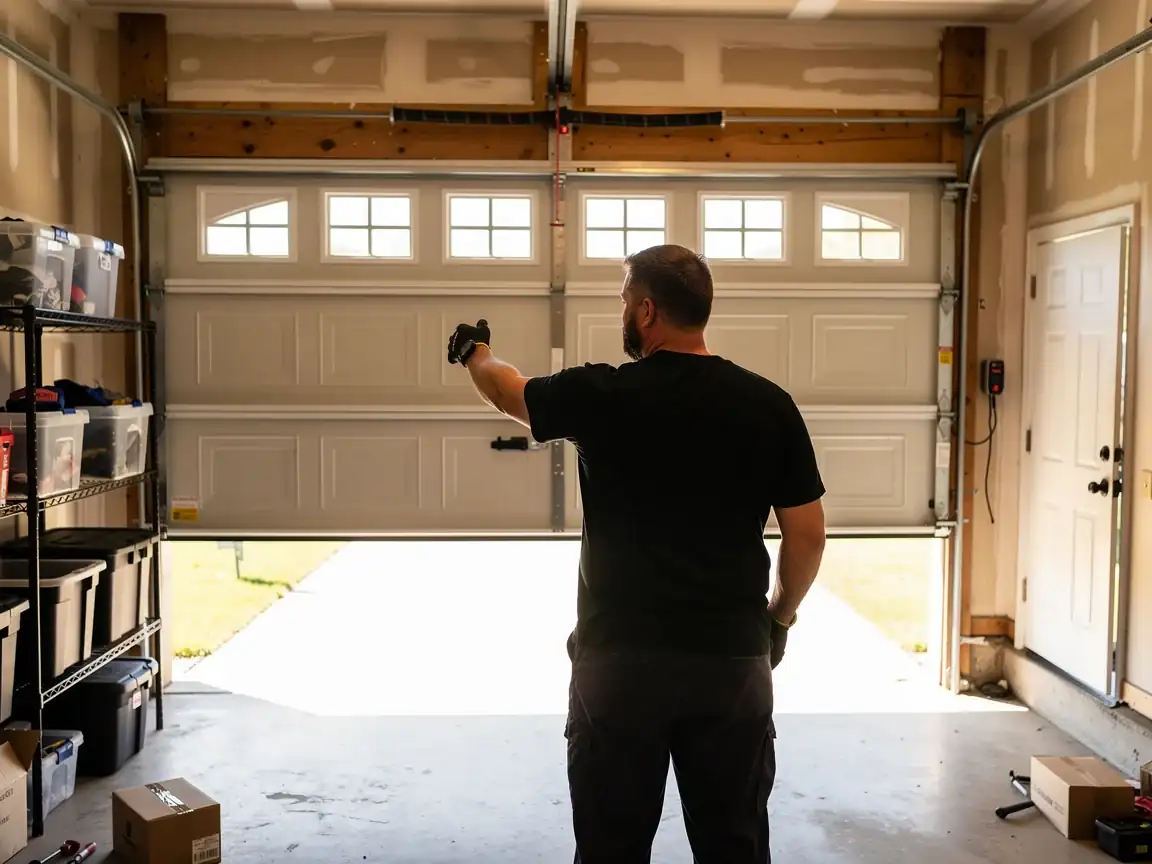
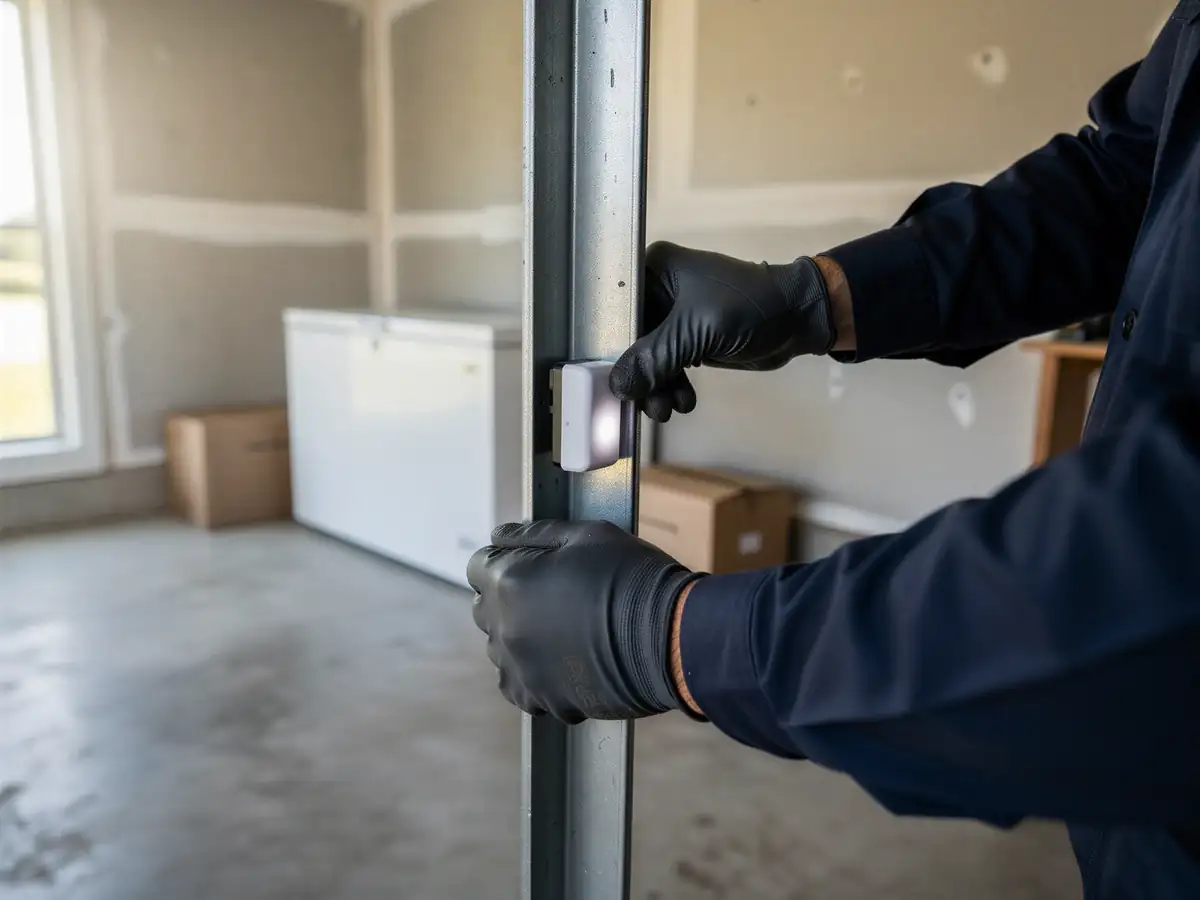
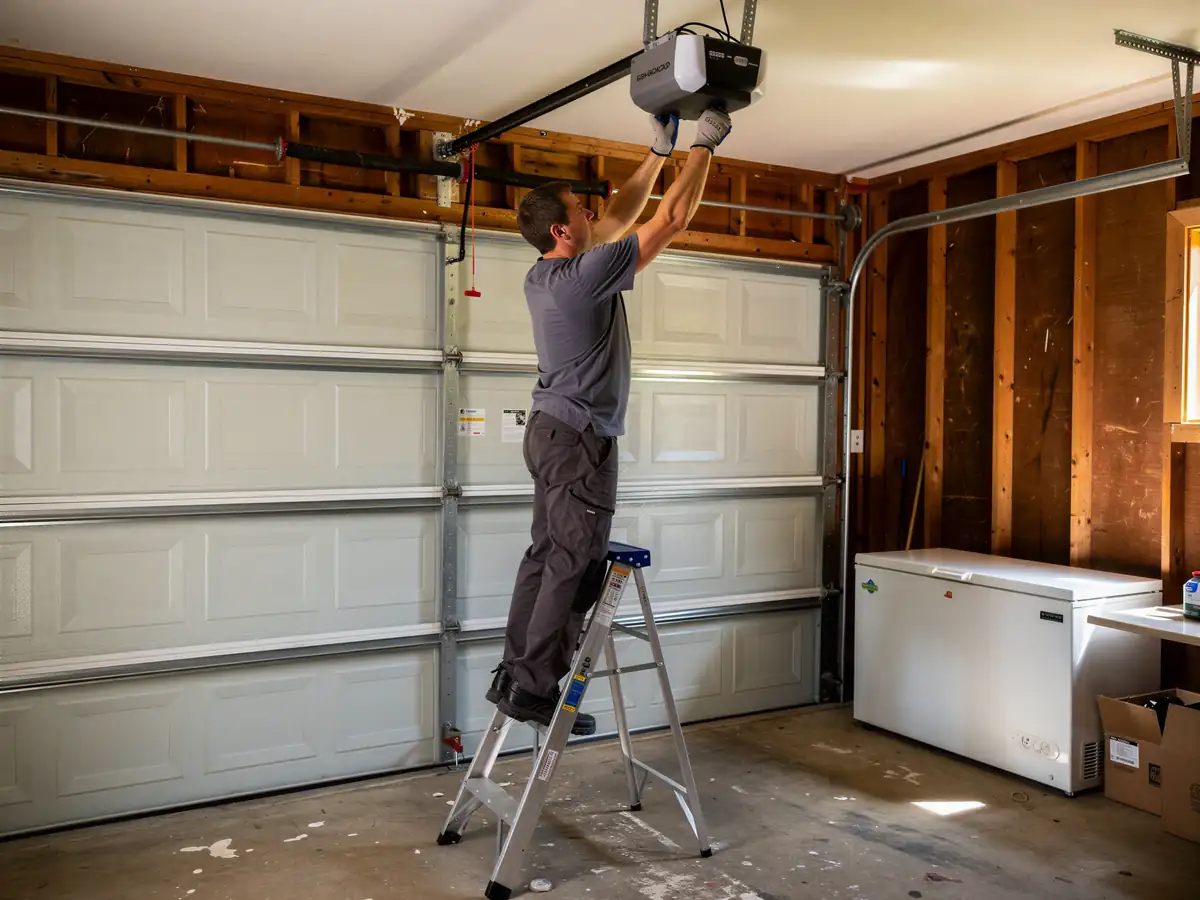
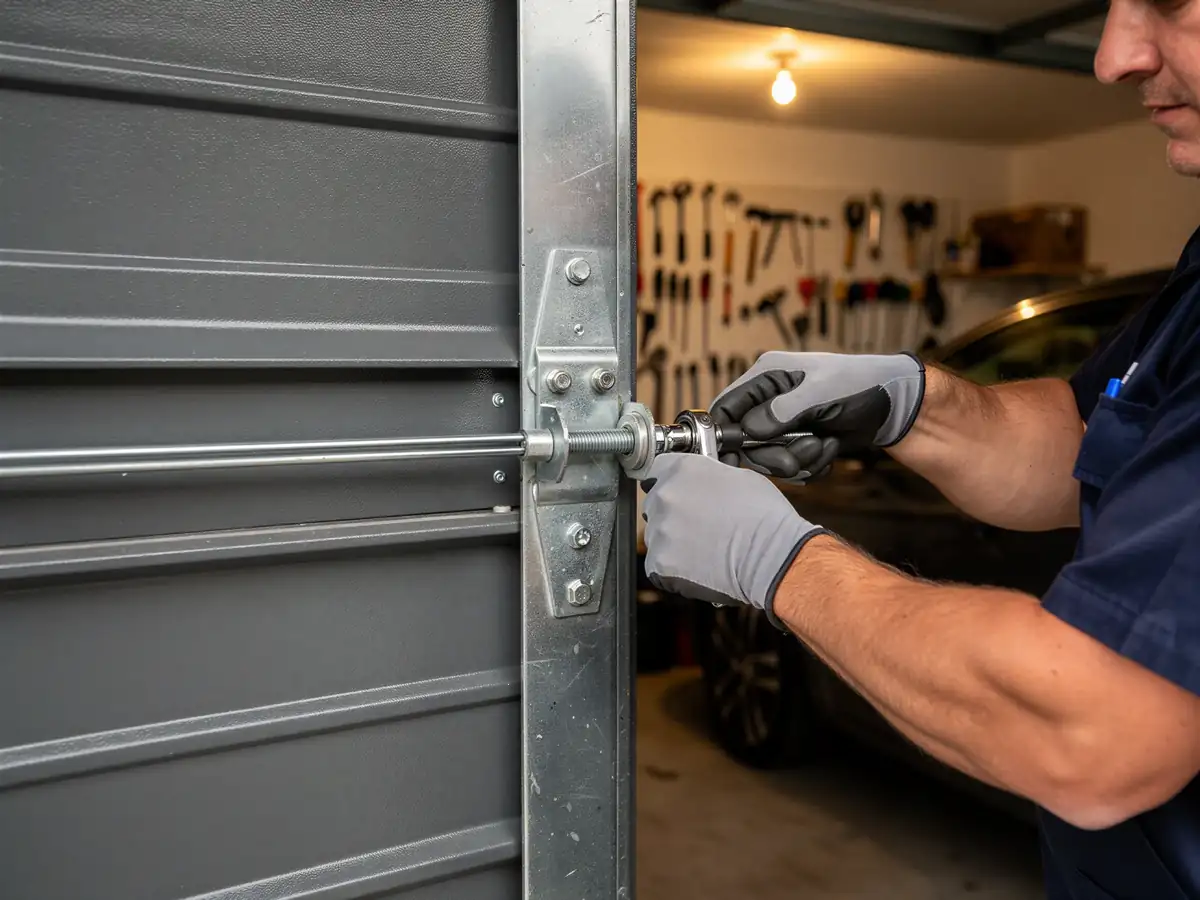
If your door won't budge and the opener motor hums without moving the door, that's almost always a broken torsion spring - common on houses from this era because the spring and the door no longer weigh what they did when they were paired. A door that shudders, drifts to one side, or comes off track partway up usually means a roller or cable has given out, not the opener itself. If the door reverses right after it touches the floor, the travel limits or the safety sensors need adjusting, and that's a service call, not a part swap. One thing we won't do is replace a spring that still has life left just because the door is noisy - a loud roller or a dry hinge is a five-dollar fix, not a system replacement, and we'll tell you that on the phone before we drive out.
Doing It Yourself
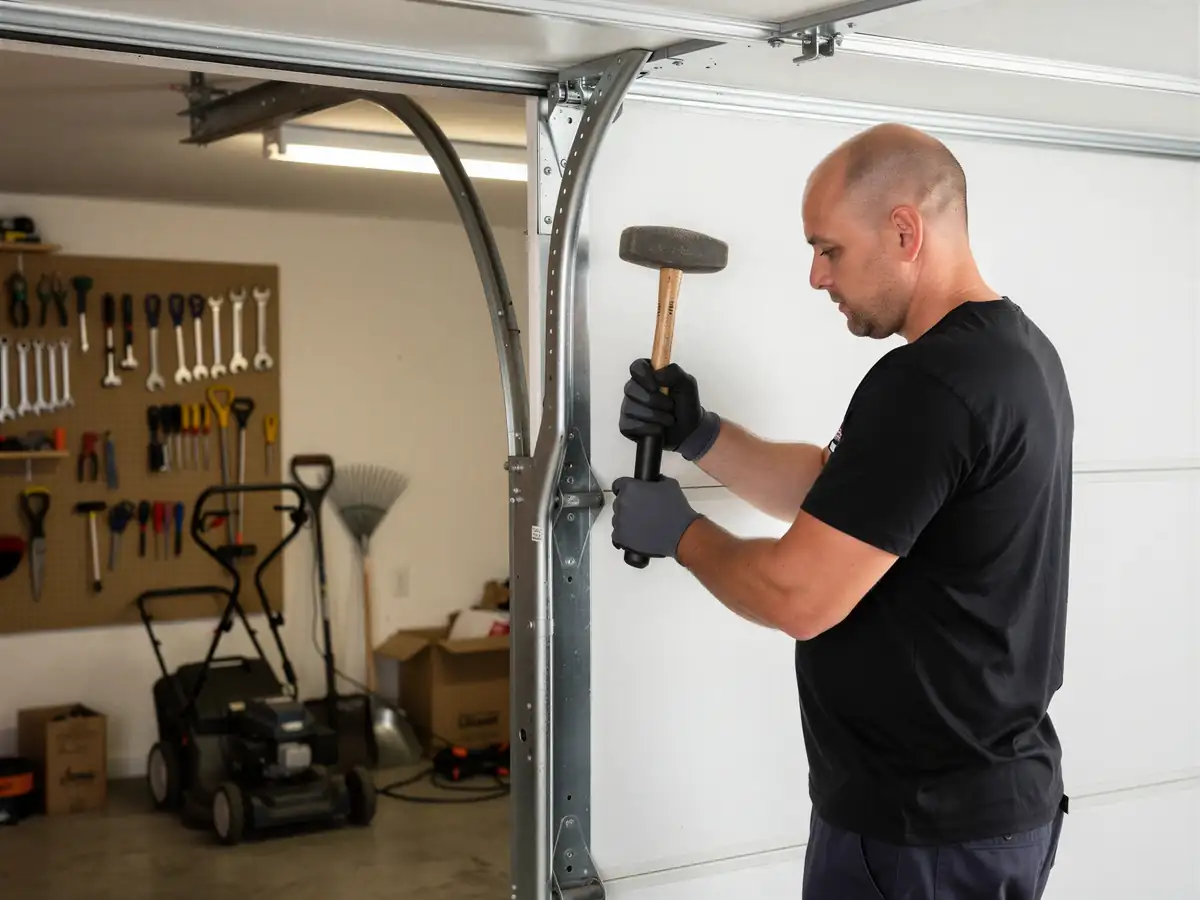
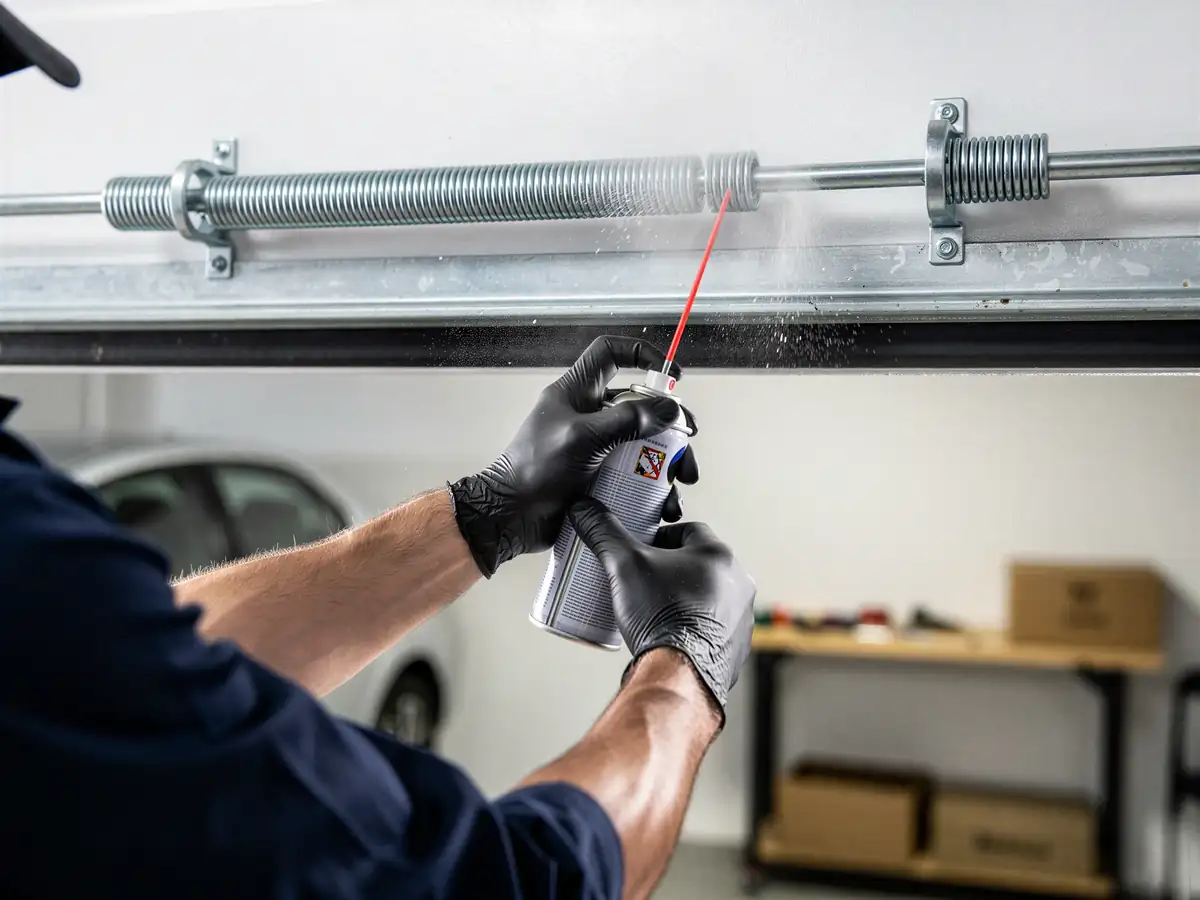
Lubricating rollers and hinges, tightening loose hardware, and clearing the photo-eye sensors of dust are all reasonable DIY jobs, and they prevent a fair number of service calls. Torsion springs are not on that list. A spring under tension on a standard double door carries enough force to break bones or worse if the winding bars slip, and the springs sized for houses built in this 1960s-70s stretch of Salem are often heavier gauge than what's sold at a hardware store. If the door is off its track or a cable has come loose from the drum, leave it alone and call - that's not a weekend project, it's a way to warp the track or crush a finger.
What It Costs
We don't publish flat prices here because spring weight, door size, and opener age all change the number, and guessing at it over the internet does nobody any favors. What we can tell you is that with median household income in the area around $66,716, most of the repairs we do are priced to be a fix, not a decision that competes with a full door replacement. If a door's torsion hardware and panels are both failing at once, we'll say so plainly, because sinking money into a second repair on a door that's done isn't a service - it's a delay.