What Causes It Around Here
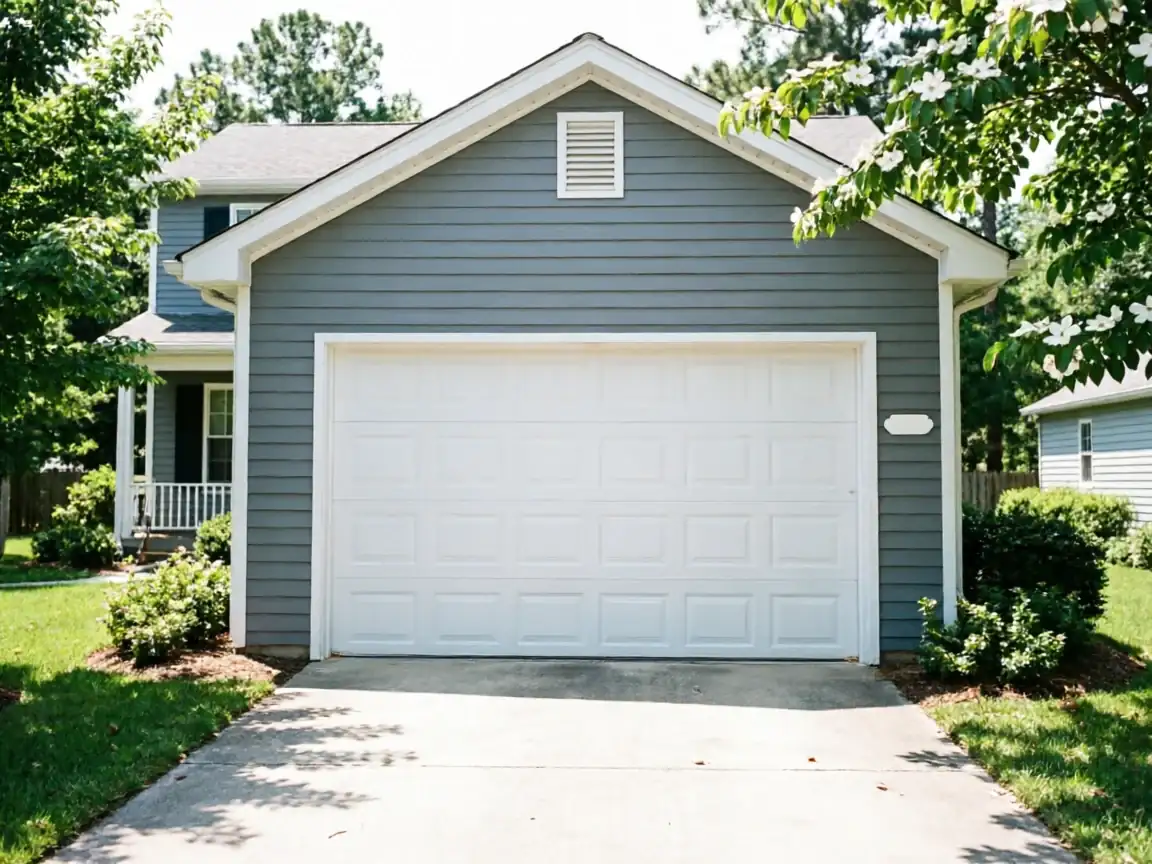
Salem's median year built sits around 1971, which puts it a decade or more ahead of a lot of the older Roanoke neighborhoods we also service. That matters for maintenance because a door and opener installed in 1971 has been through fifty-plus winters of a cold, moderate climate band, and the hardware from that era wasn't built with sealed bearings or galvanized cable standard. What we find in Salem tends to be worn rollers and dry-rotted weatherseal rather than the ancient one-piece slab doors you still see on some of the oldest streets closer to the city. The springs have usually been replaced once or twice already, but the track alignment and hinge wear often haven't been touched since the house was built. Cold-season temperature swings are the real driver - steel contracts, grease stiffens, and a door that rolled fine in August starts binding in January. None of this is dramatic failure; it's slow wear that a yearly look-over catches before it turns into a 10pm call. Salem sits about 5 miles from Roanoke, close enough that a maintenance visit doesn't cost you a half-day wait, but far enough that nobody local is checking your door between visits unless you ask someone to.
What You Are Seeing
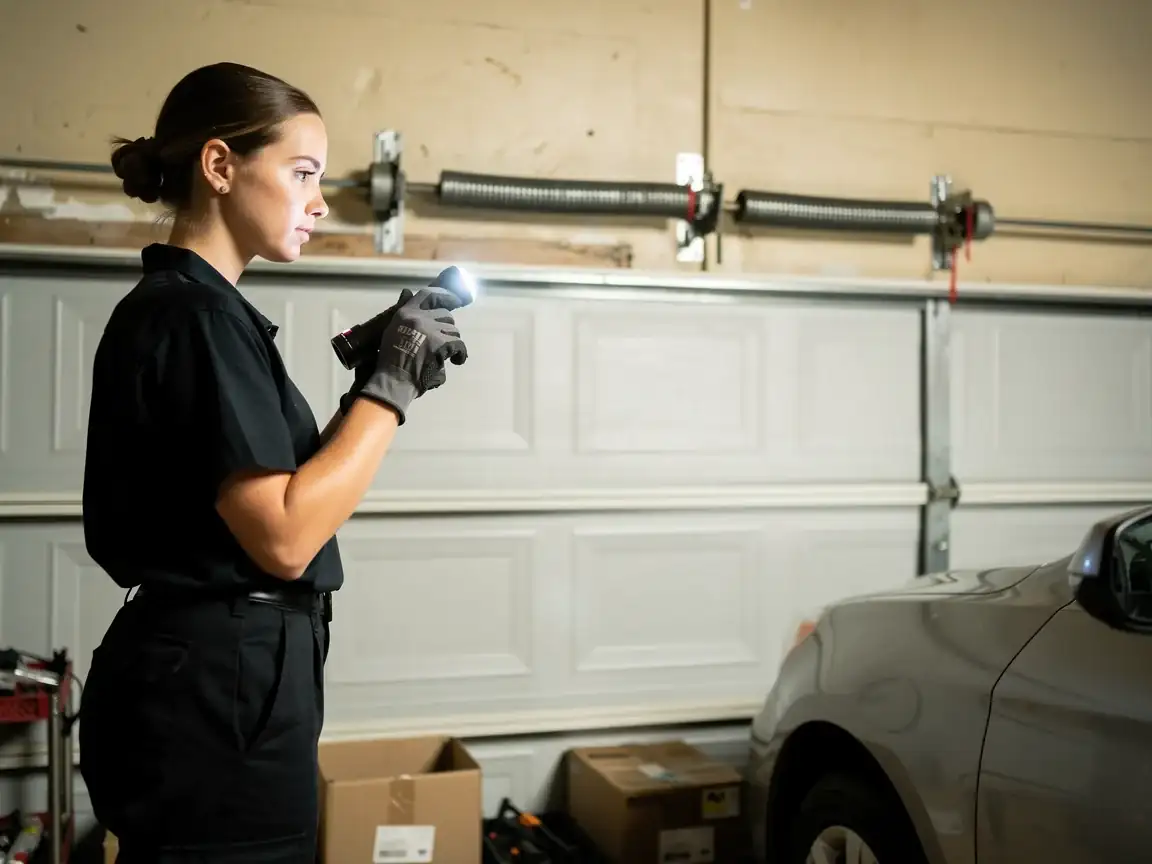
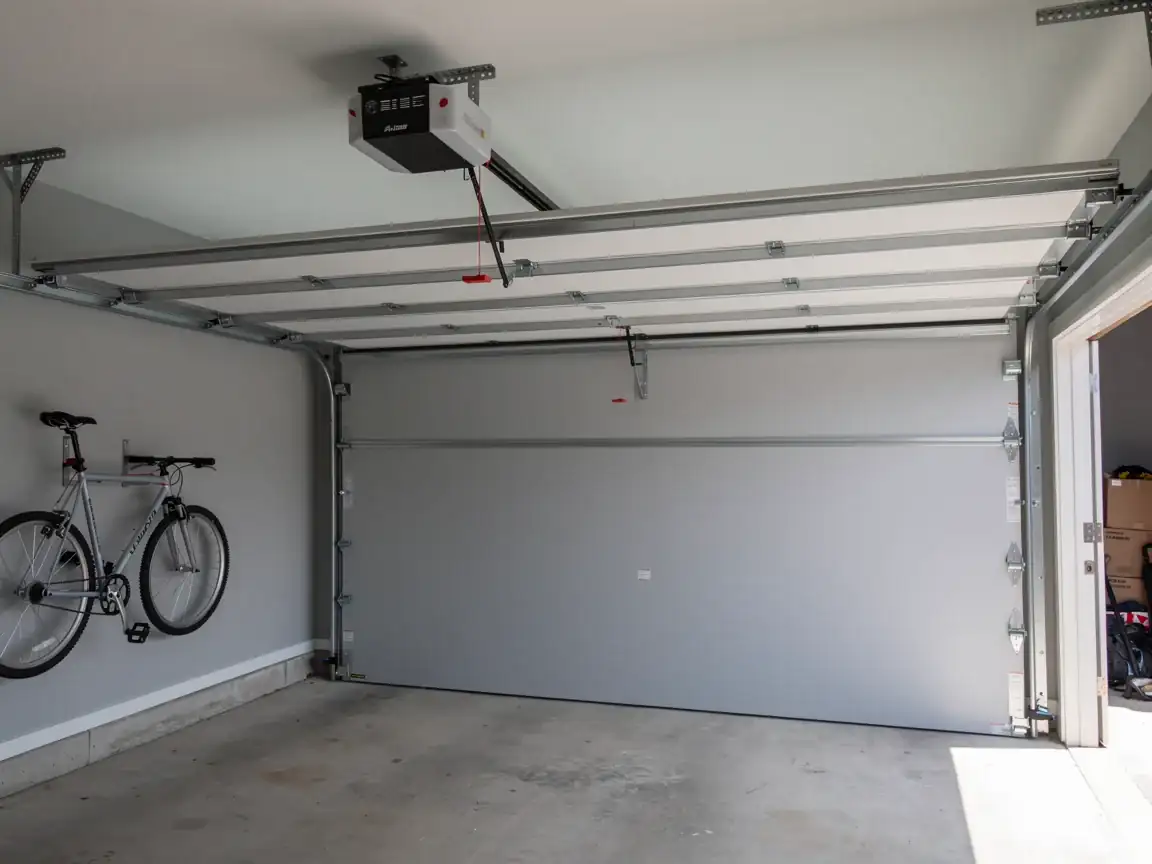
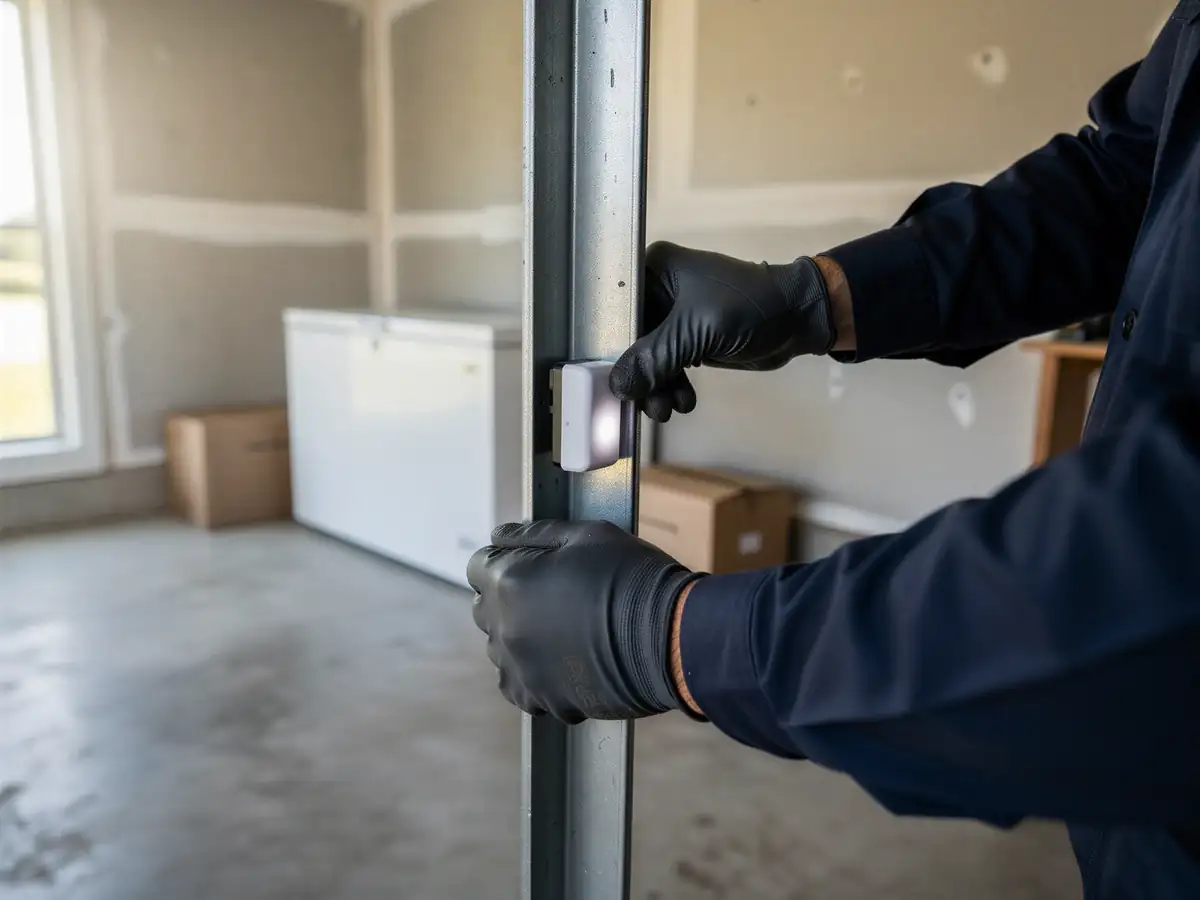
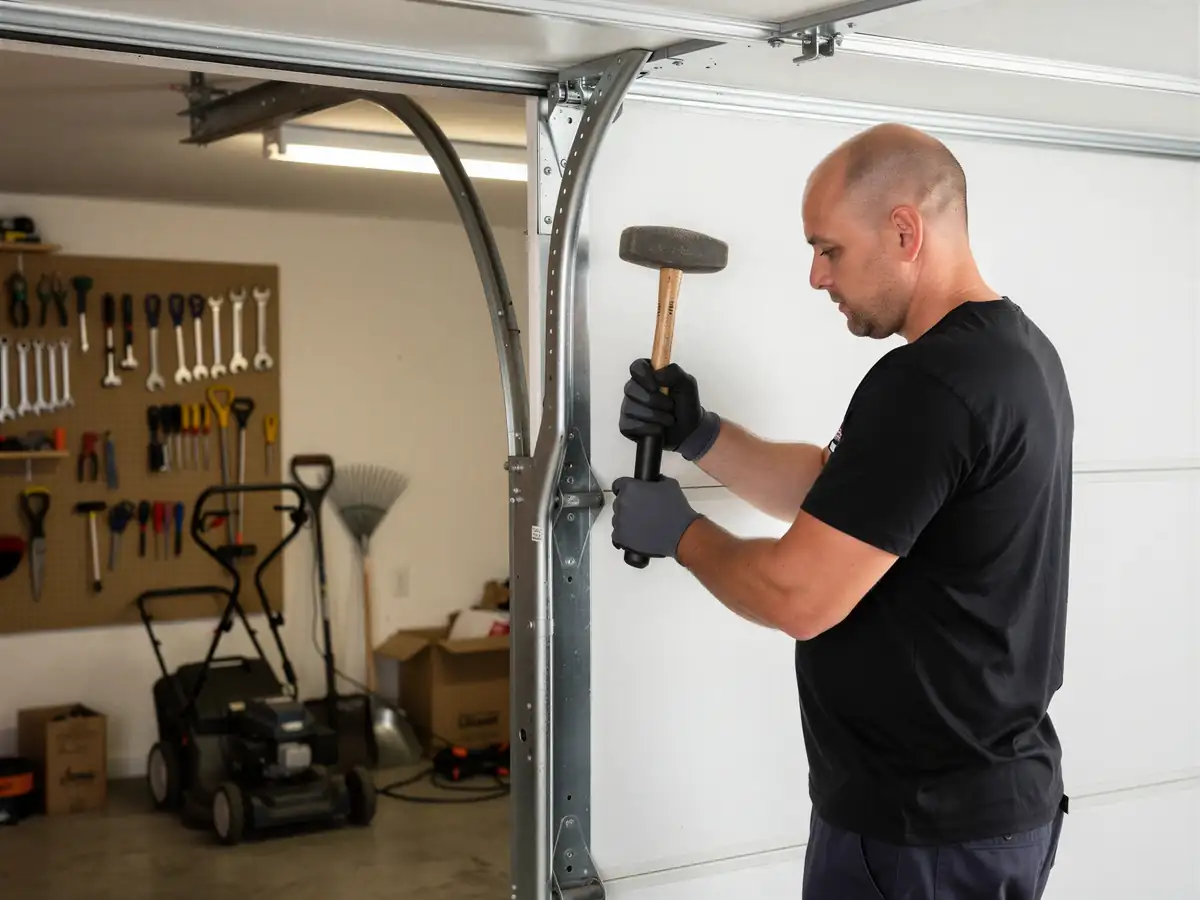
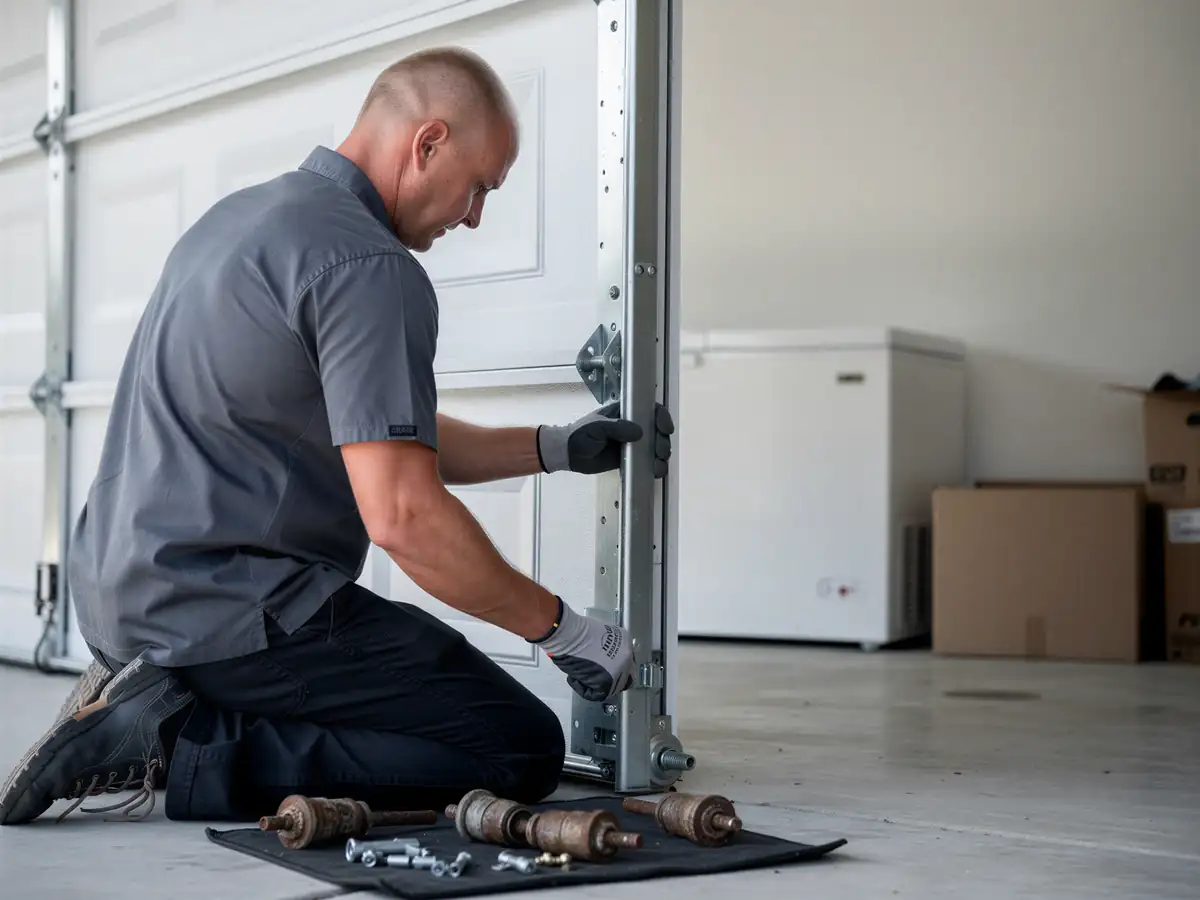
If your door came with the house, you're probably dealing with original or first-generation-replacement hardware: steel rollers instead of nylon, a chain-drive opener from a decade or two back, and a torsion spring that's done thousands of cycles. Common signs in Salem's housing stock: a door that shudders partway up, a louder-than-it-used-to-be opener, or a gap at the bottom seal that lets in draft during the cold months. Track brackets loosen slightly every year from thermal cycling, which is subtle until the door starts walking sideways in the opening. None of these mean the door is done - they mean it's due for adjustment, not replacement.
Doing It Yourself
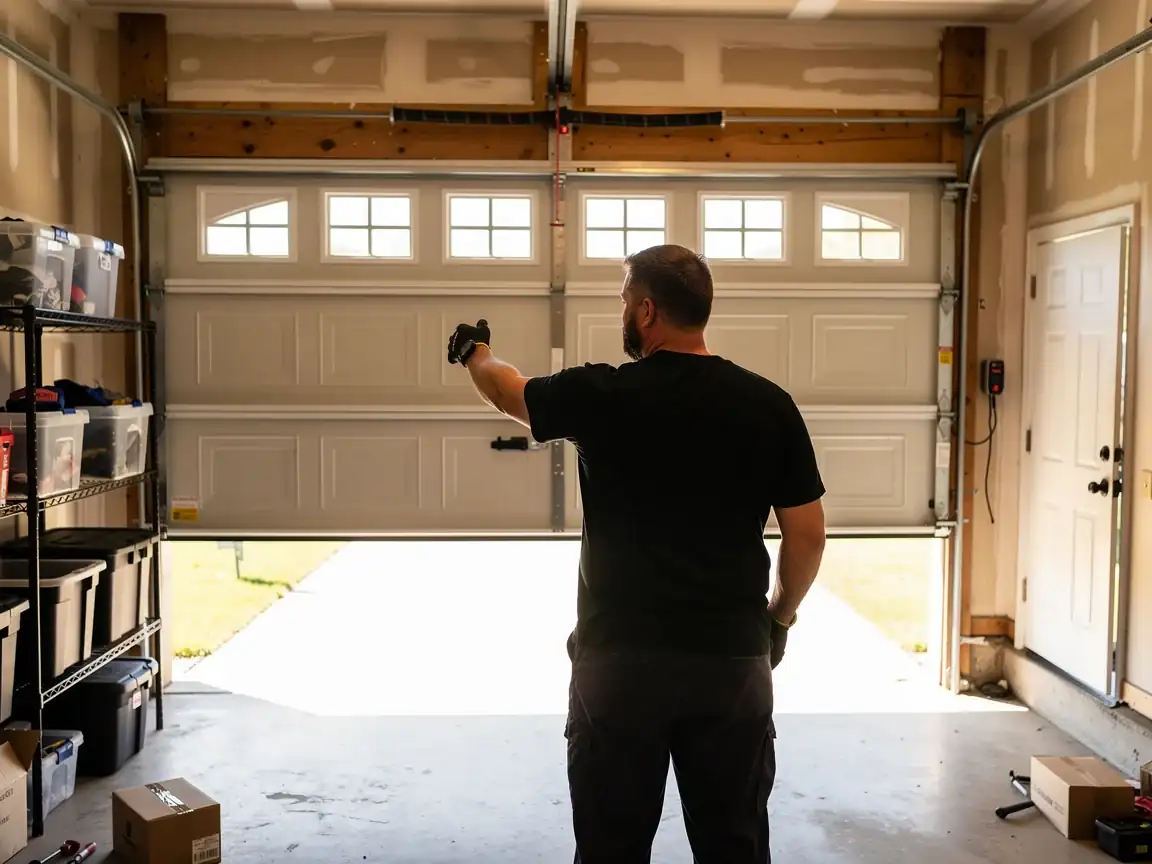
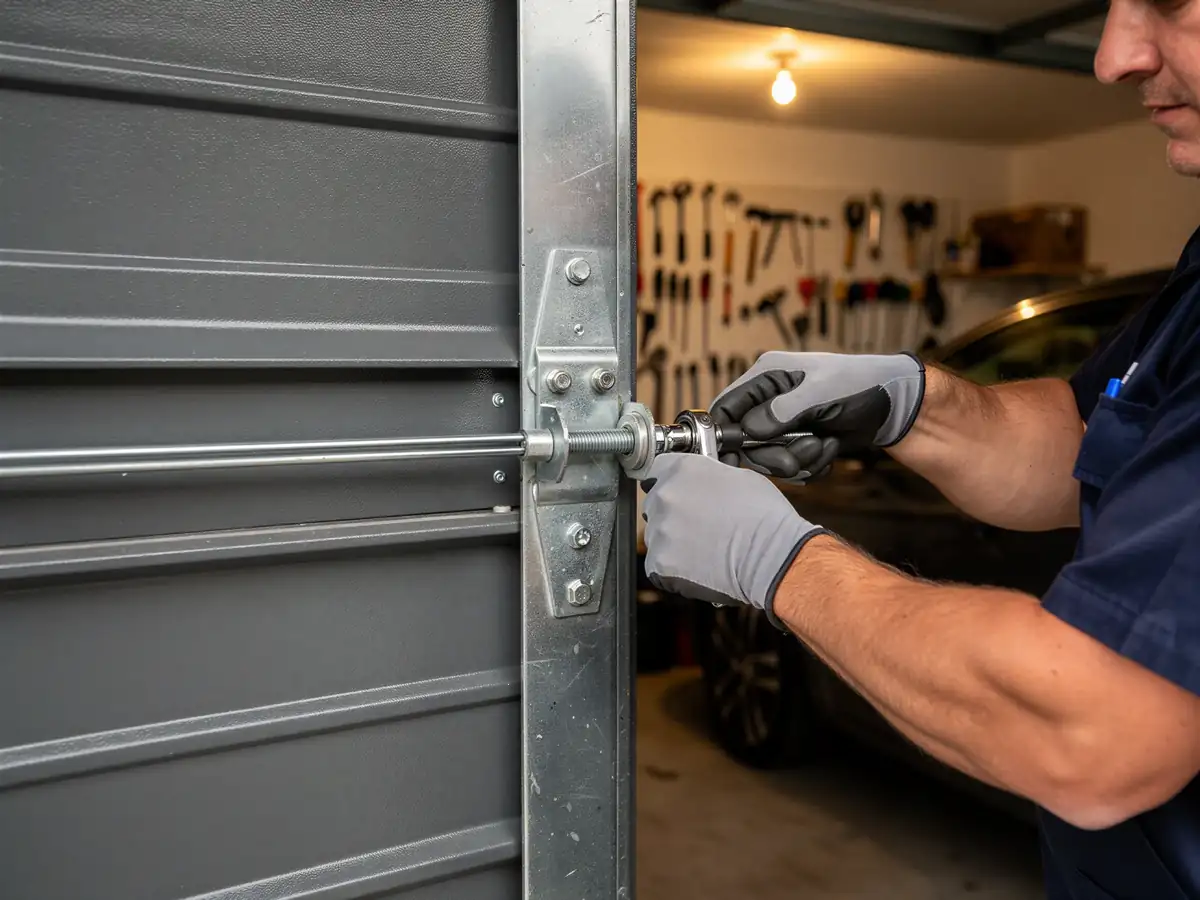
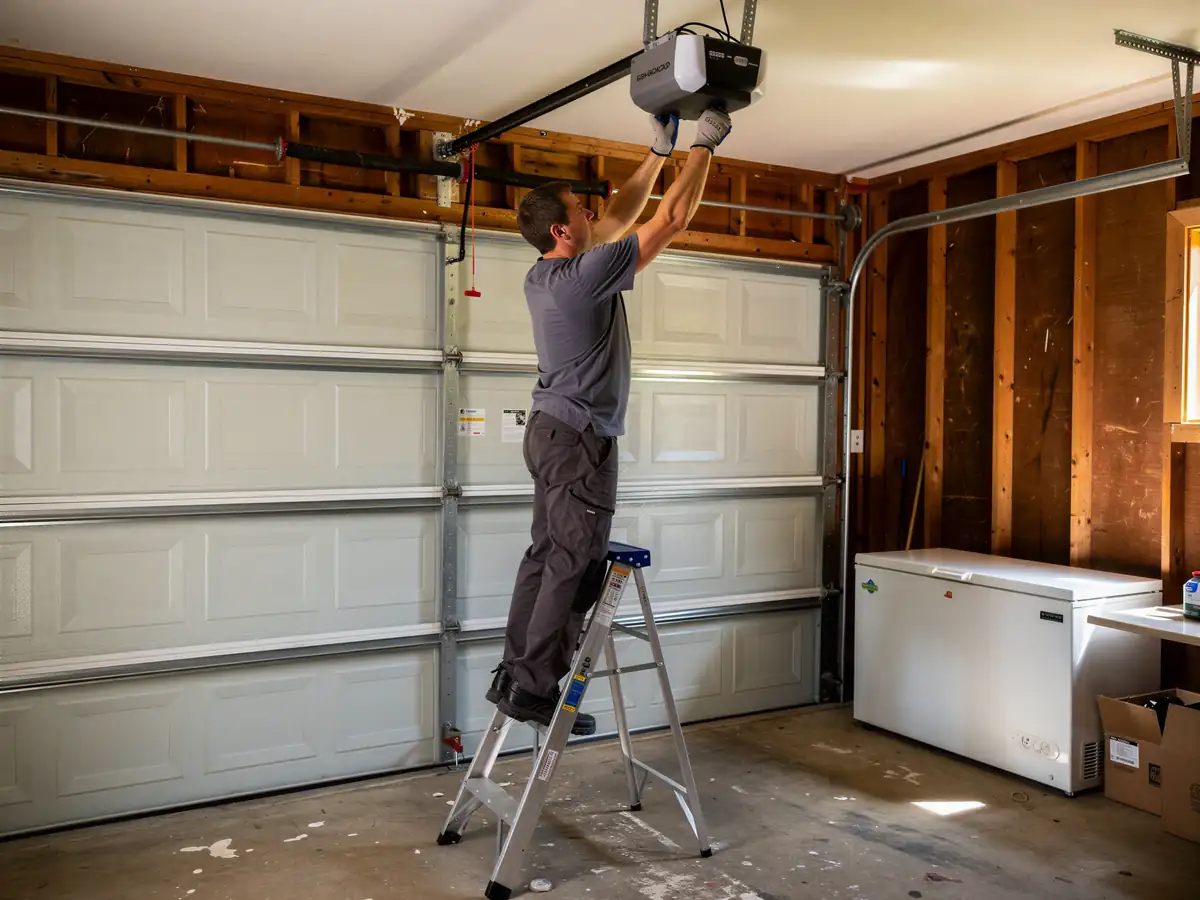
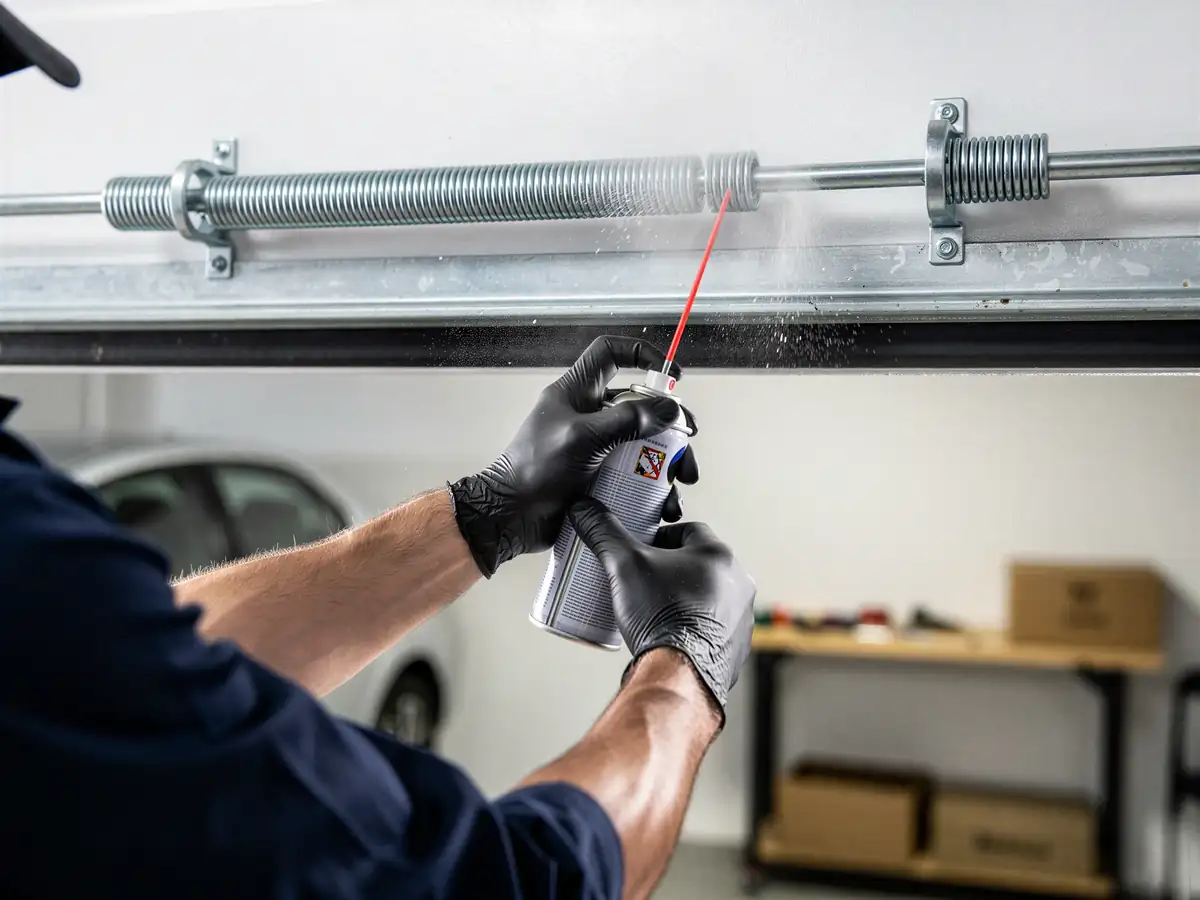
You can do some of this yourself: wipe down and lubricate the rollers and hinges with a silicone or lithium-based spray (not WD-40, which washes out grease), check the weatherseal at the bottom for cracking, and test the auto-reverse safety feature by placing a block under the door. What you shouldn't touch is the torsion spring - on a door from the early 1970s, that spring has absorbed decades of cycles and the tension stored in it can cause serious injury if you don't know what you're doing. If your opener is original to the house, also leave the circuit board and motor alone; parts for openers that old aren't always available off the shelf, and guessing wrong can mean a full opener swap instead of a simple fix.
What It Costs
We don't have a posted price for Salem specifically, and we won't make one up. What we can tell you is that cost on a maintenance call depends on what we find once we're under the door - a tune-up with no surprises costs less than one where we find a cracked panel or a spring near the end of its life. Given Salem's housing stock, with houses averaging around 1971, expect to budget more toward the inspection-and-adjustment end than the parts-replacement end, unless the opener itself is original to the house.