What Causes It Around Here
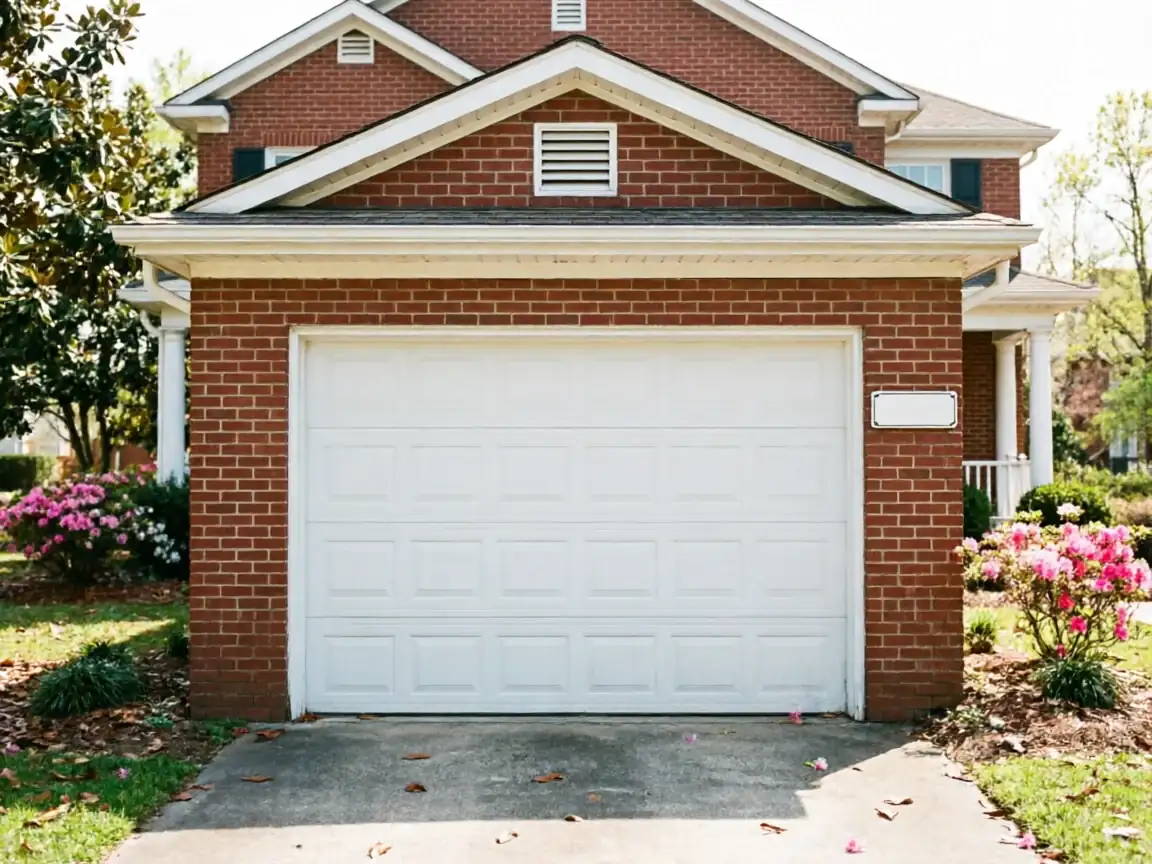
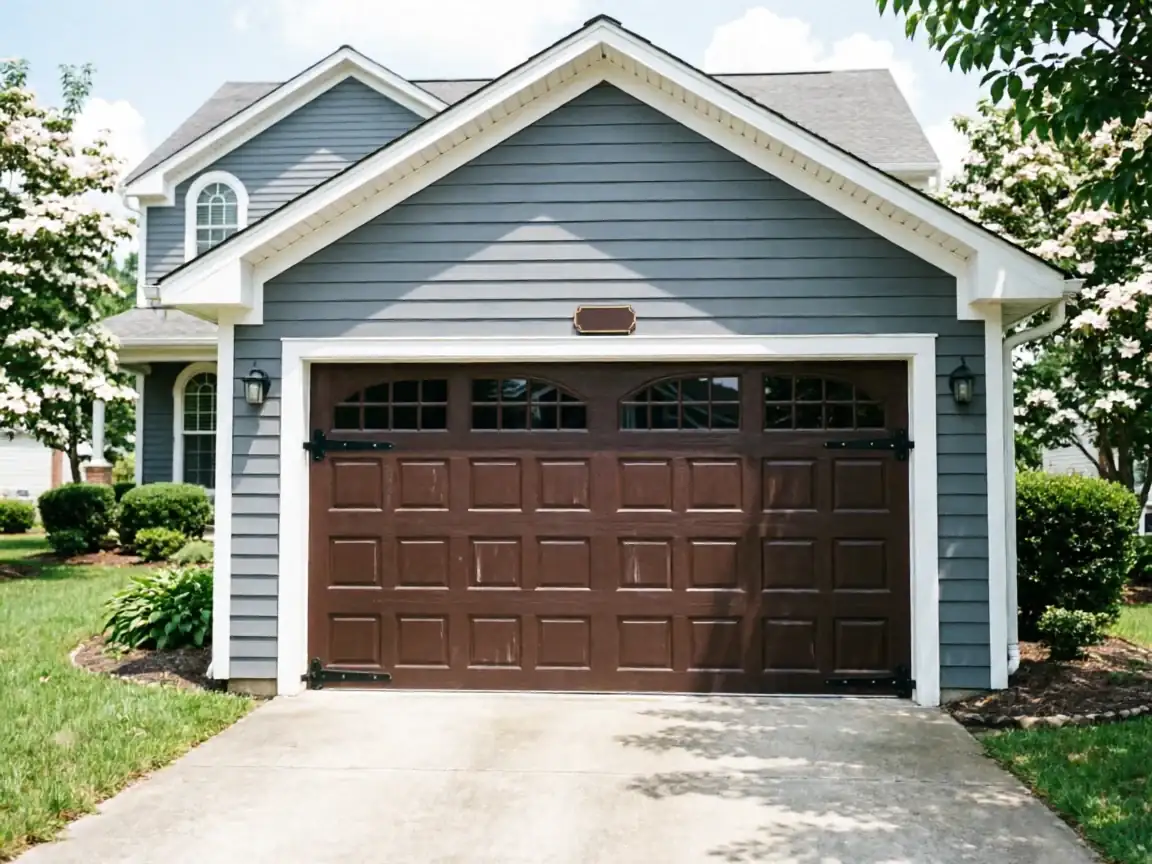
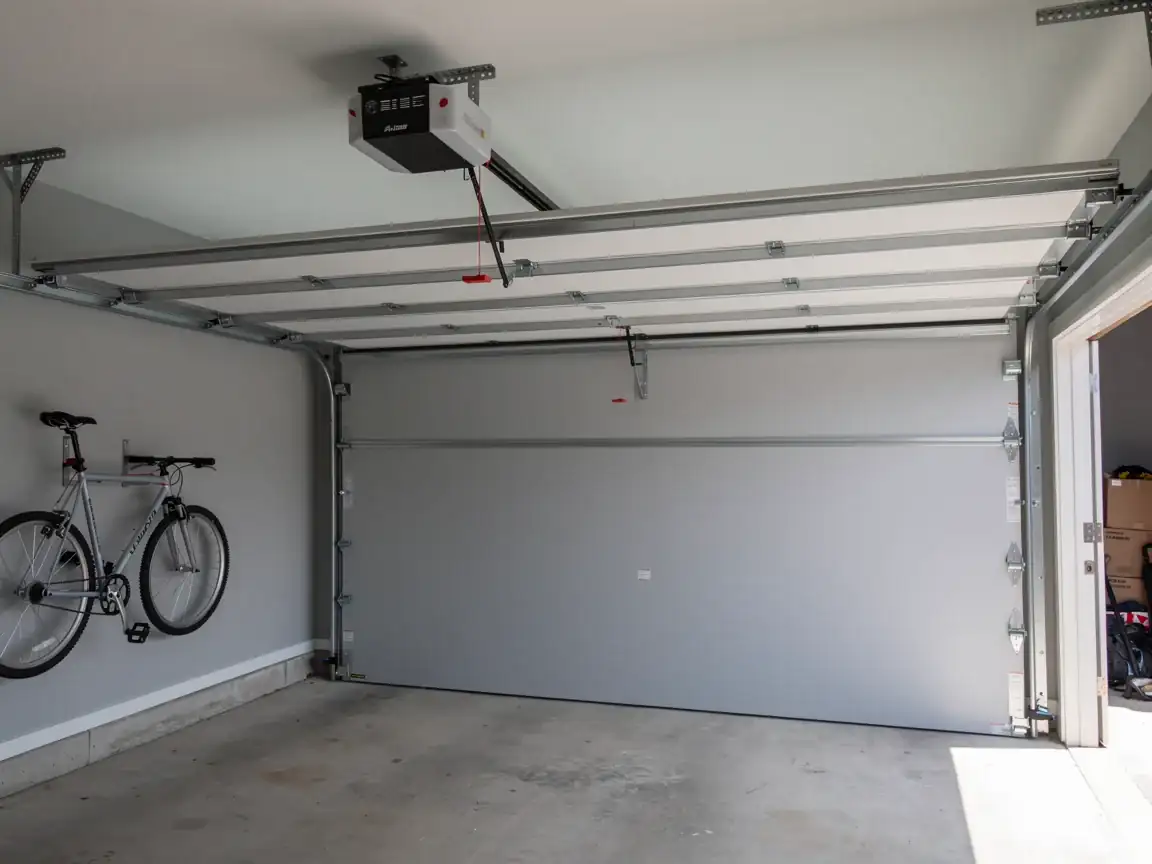
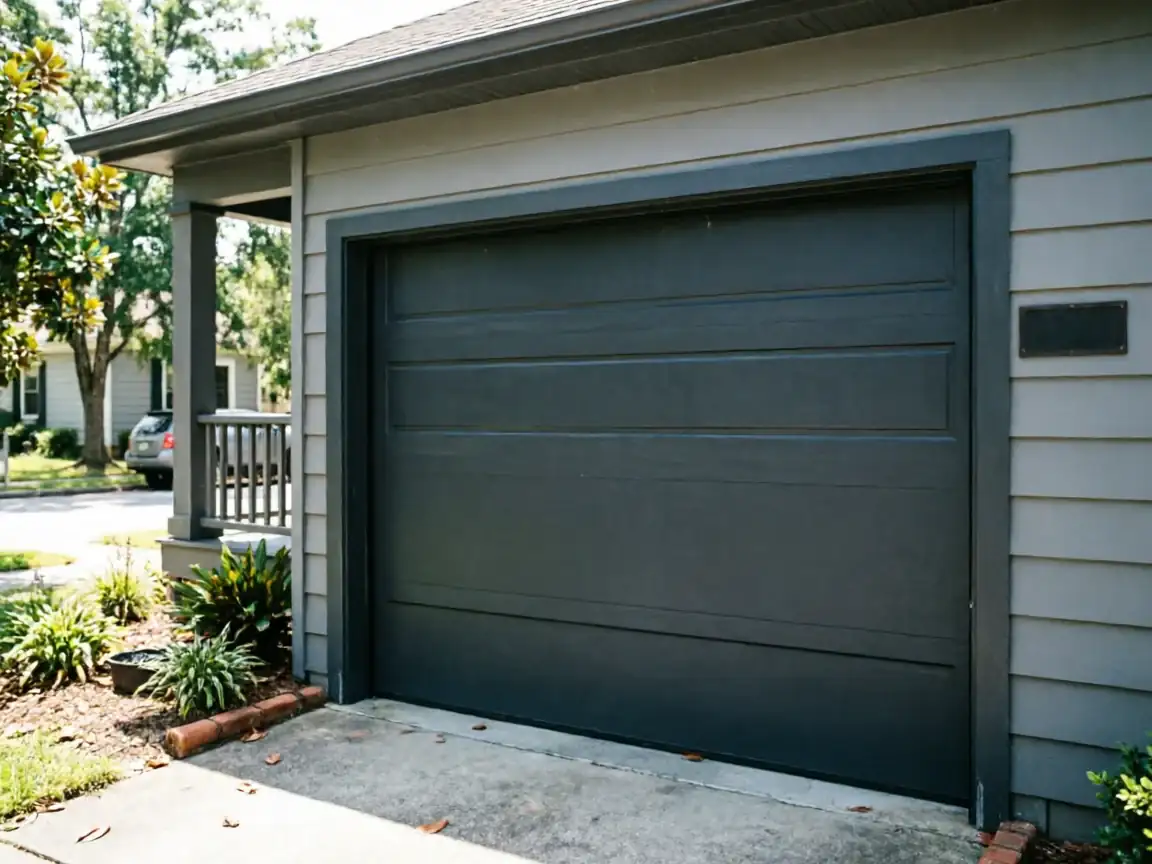
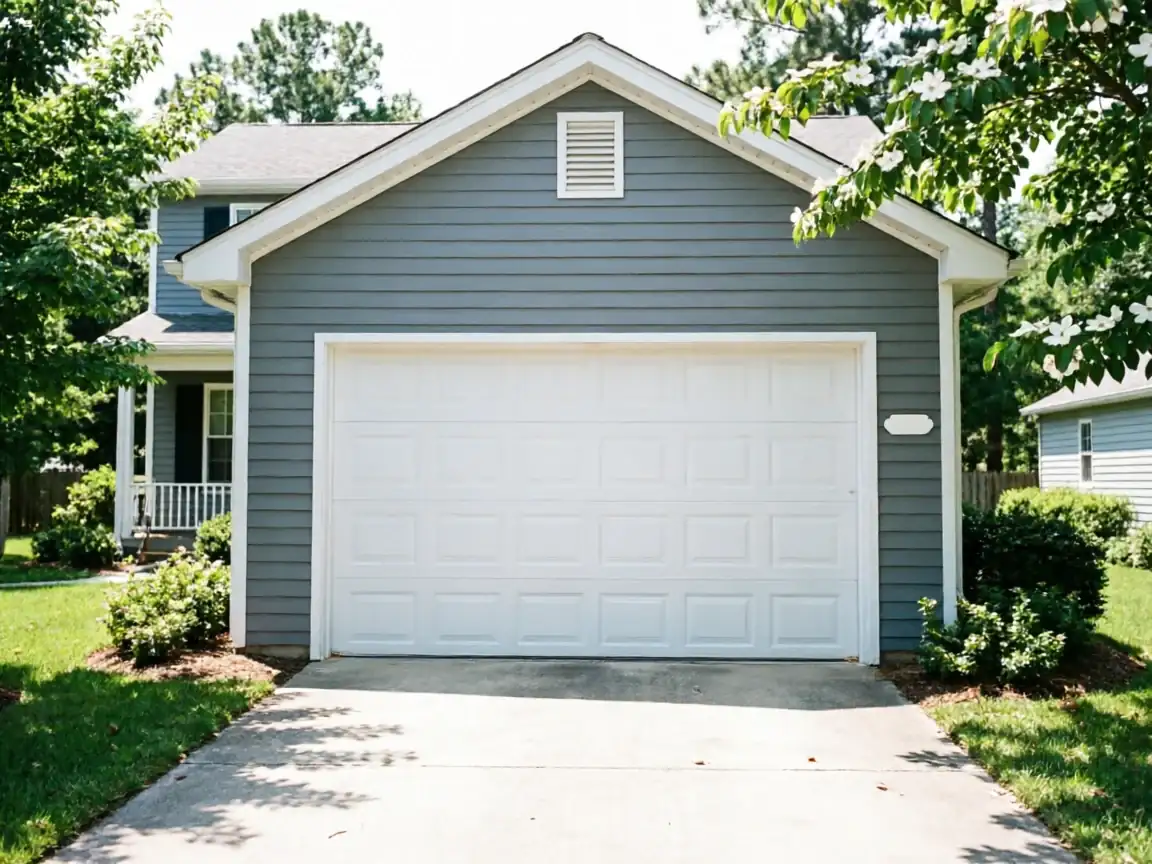
Salem's housing stock centers on 1971, which means a lot of garage doors here are still the original heavy steel or wood-composite panels sized for that era's two-car layout, often a single 16x7 door rather than two separate bays. Those doors are thicker and heavier than the lighter-gauge steel most manufacturers use now, so the opener fighting them every day takes more wear on the drive gear and the trolley than it would on a newer, lighter door. A lot of these homes also still run the chain-drive units that came standard when the house was built or a straightforward replacement decades later - not the belt-drive, smart-enabled units going into newer construction further out. Chain drives stretch, the gear that turns the sprocket wears down to a nub, and the capacitor in the motor gives out from age before anything else fails. Add in a winter that sits in the cold-moderate band for this part of Virginia, and the grease in an old gearbox thickens up enough that the motor strains to pull a heavy, decades-old door - sometimes it just hums and the door doesn't move at all. None of this is dramatic. It's a door and an opener that were matched to each other in the 1970s, both aging on the same clock, and when one wears out it usually takes the other down with it.
What You Are Seeing
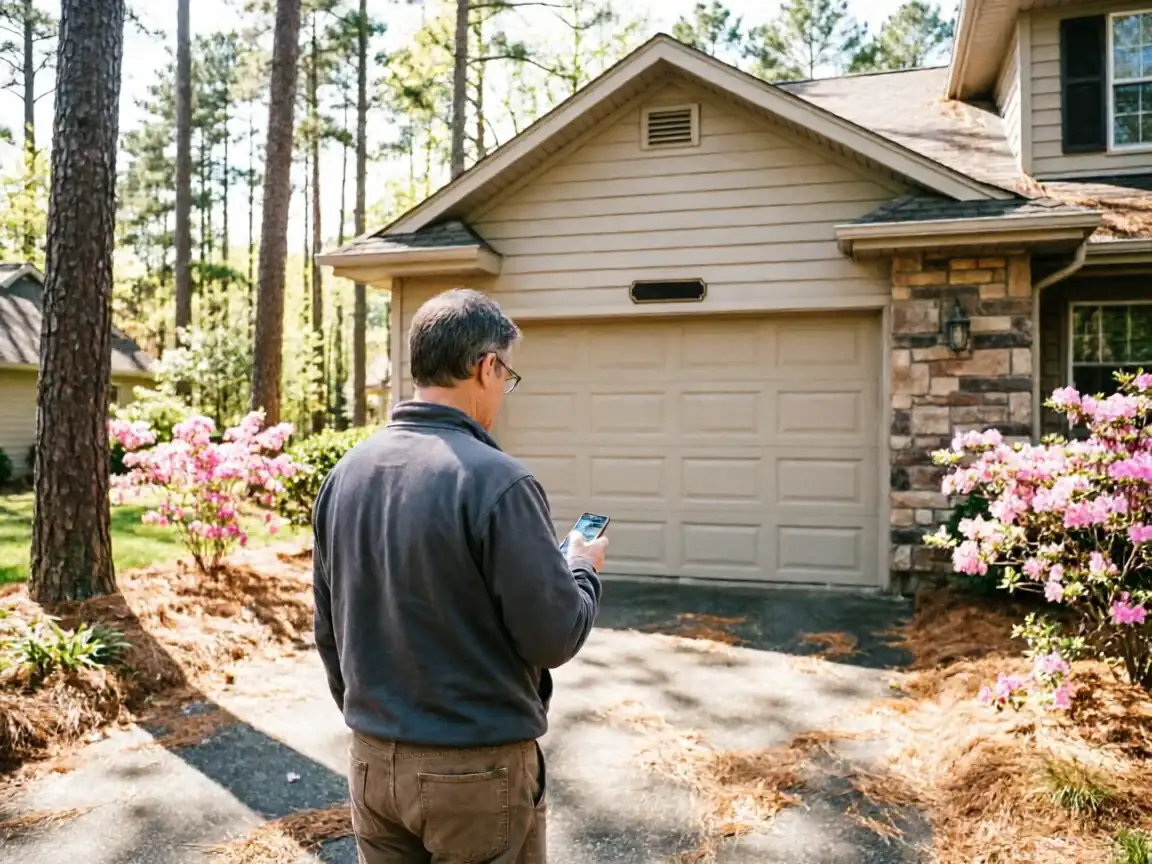
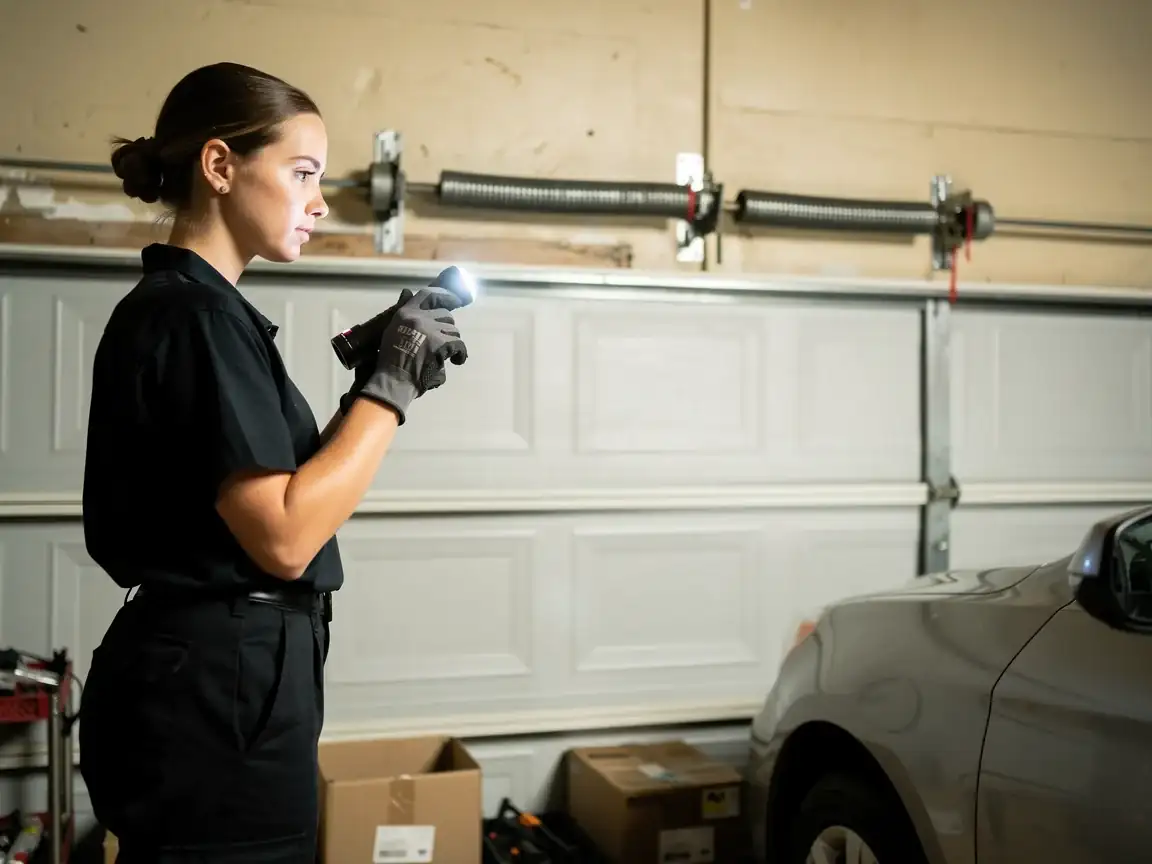
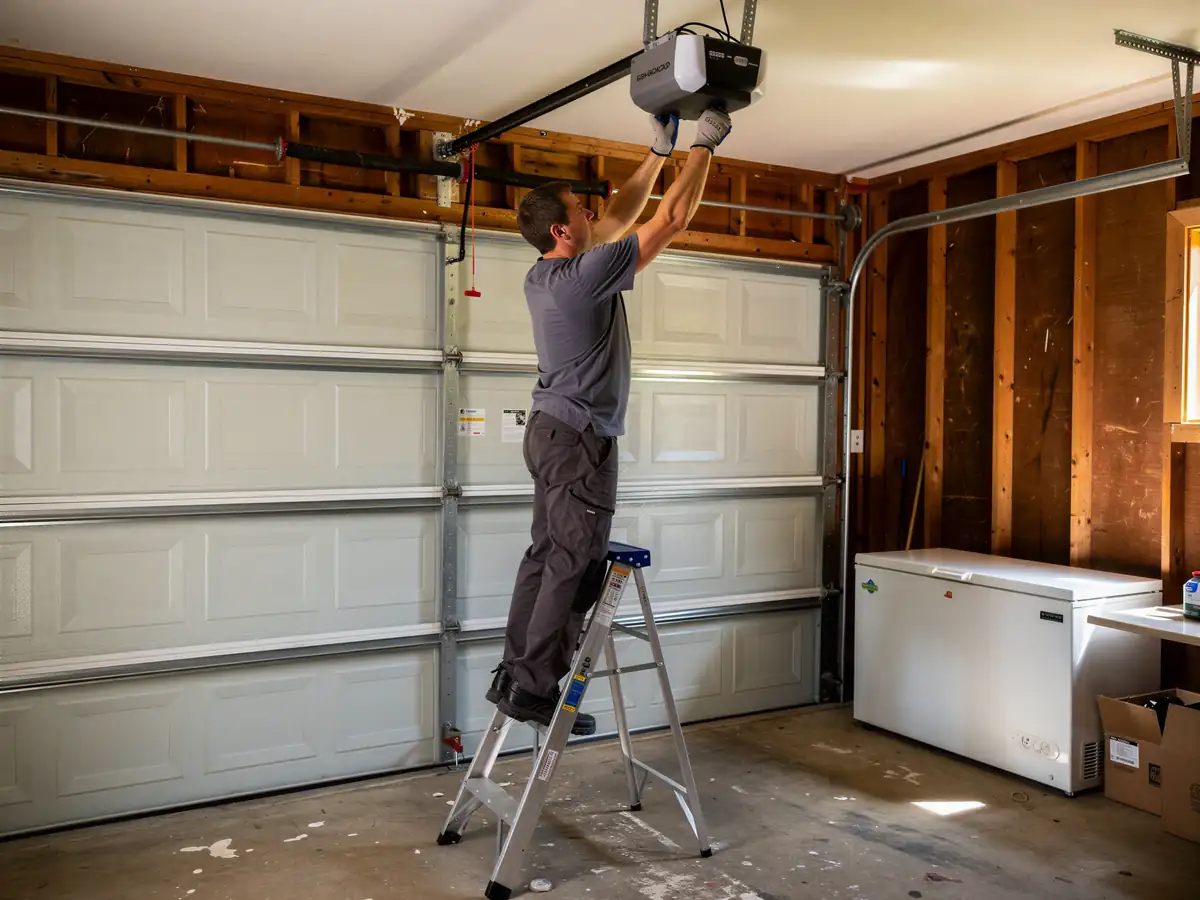
The usual pattern on a Salem-era door: the opener runs but the door doesn't lift, or it lifts a few inches and reverses. On a 50-year-old chain-drive unit, that's almost always a stripped plastic gear inside the motor housing - a $10 part that takes the whole unit down because nobody replaces it before it goes. You might also hear a grinding or clicking from the motor housing itself, which is the sprocket chewing on a worn gear rather than turning it cleanly. If the door is a heavy original steel panel and the opener strains, groans, or trips the circuit breaker on a cold morning, that's the motor working harder than it's built for against a door that's heavier than what current openers are designed to lift. Dead silence when you hit the remote is usually the capacitor or the circuit board, not the door itself. We don't guess at which one from a phone call - it depends on the model and the age of the unit, which varies house to house even on the same street.
Doing It Yourself
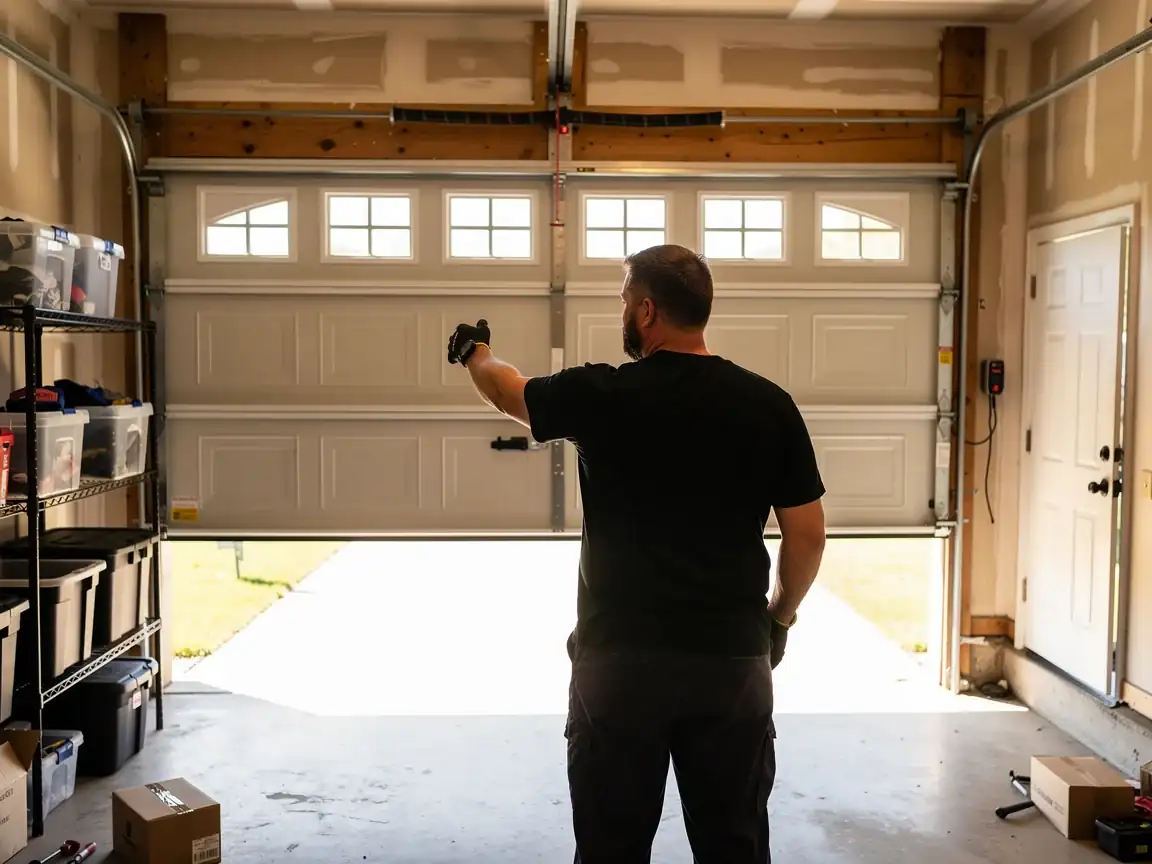
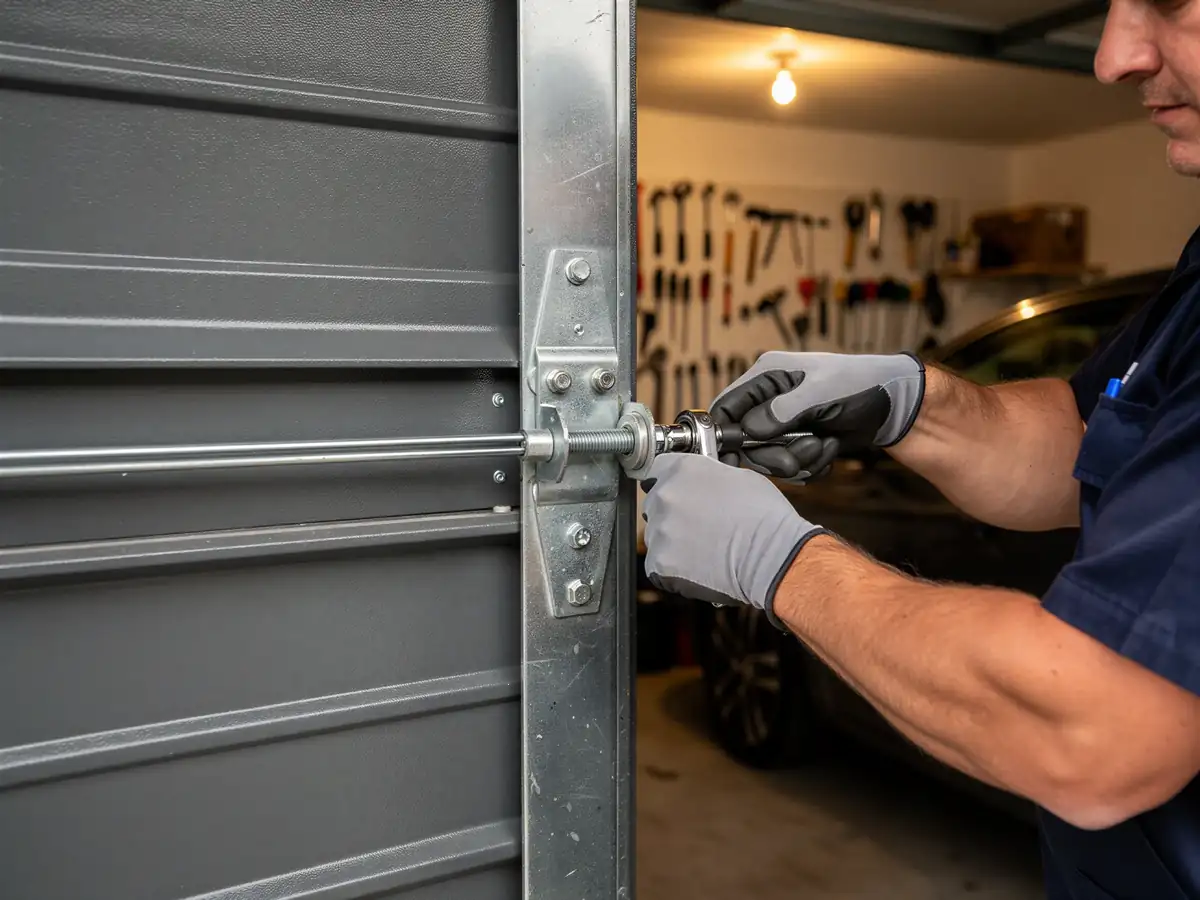
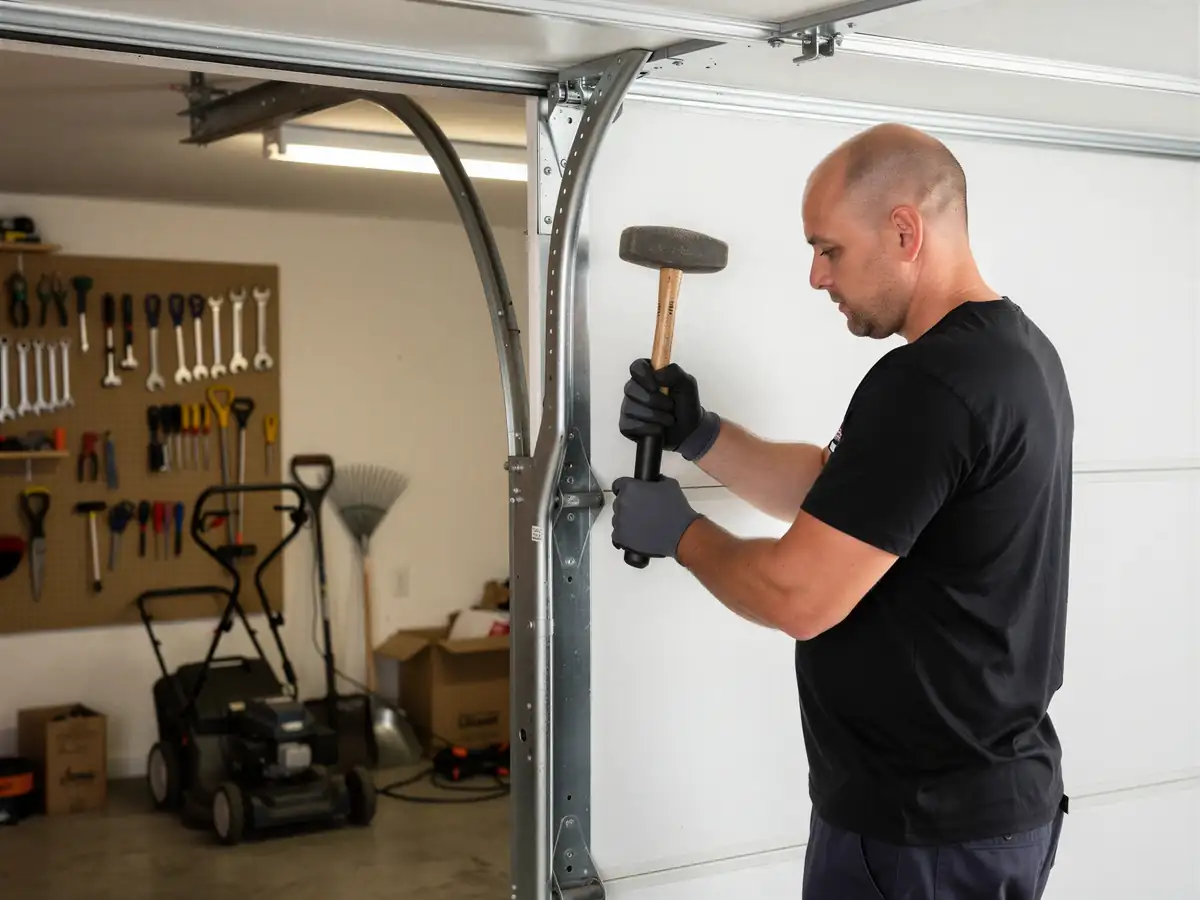
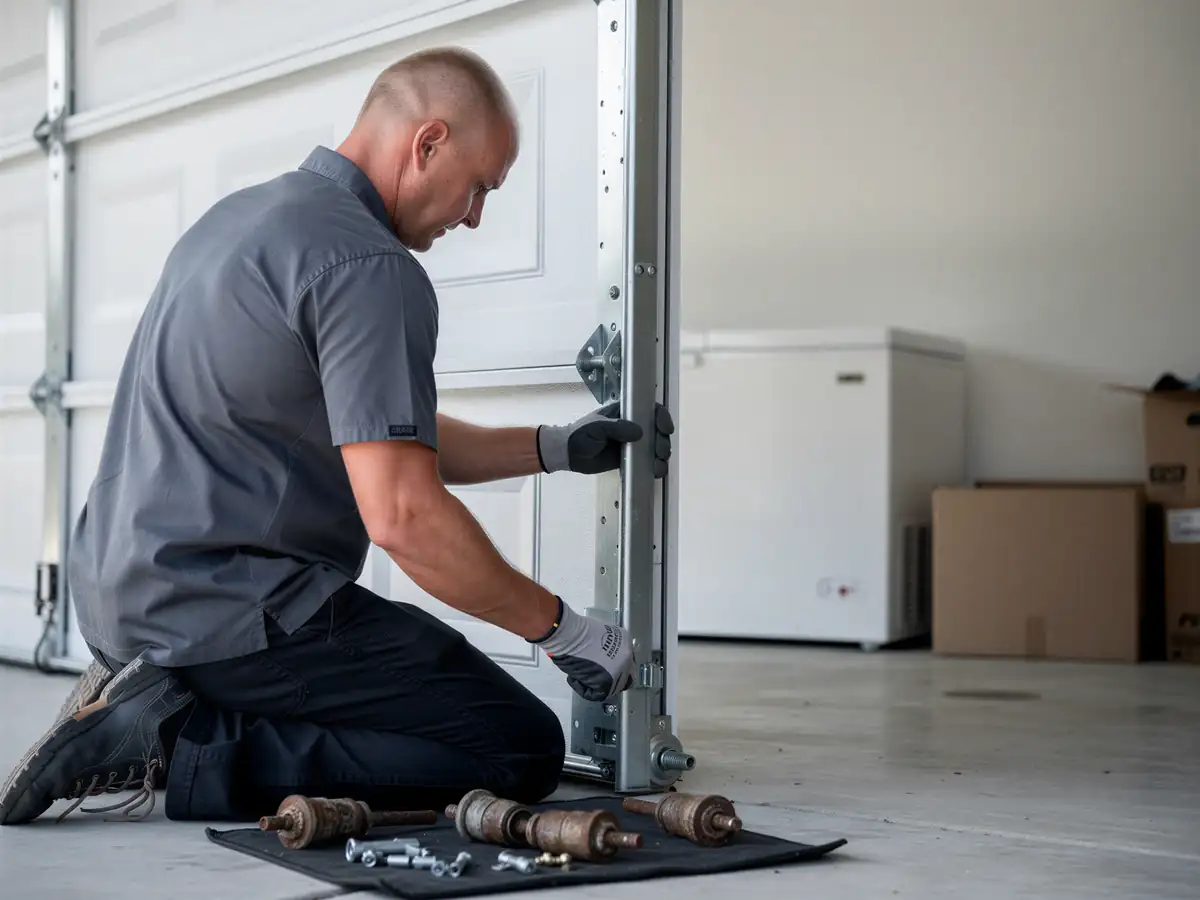
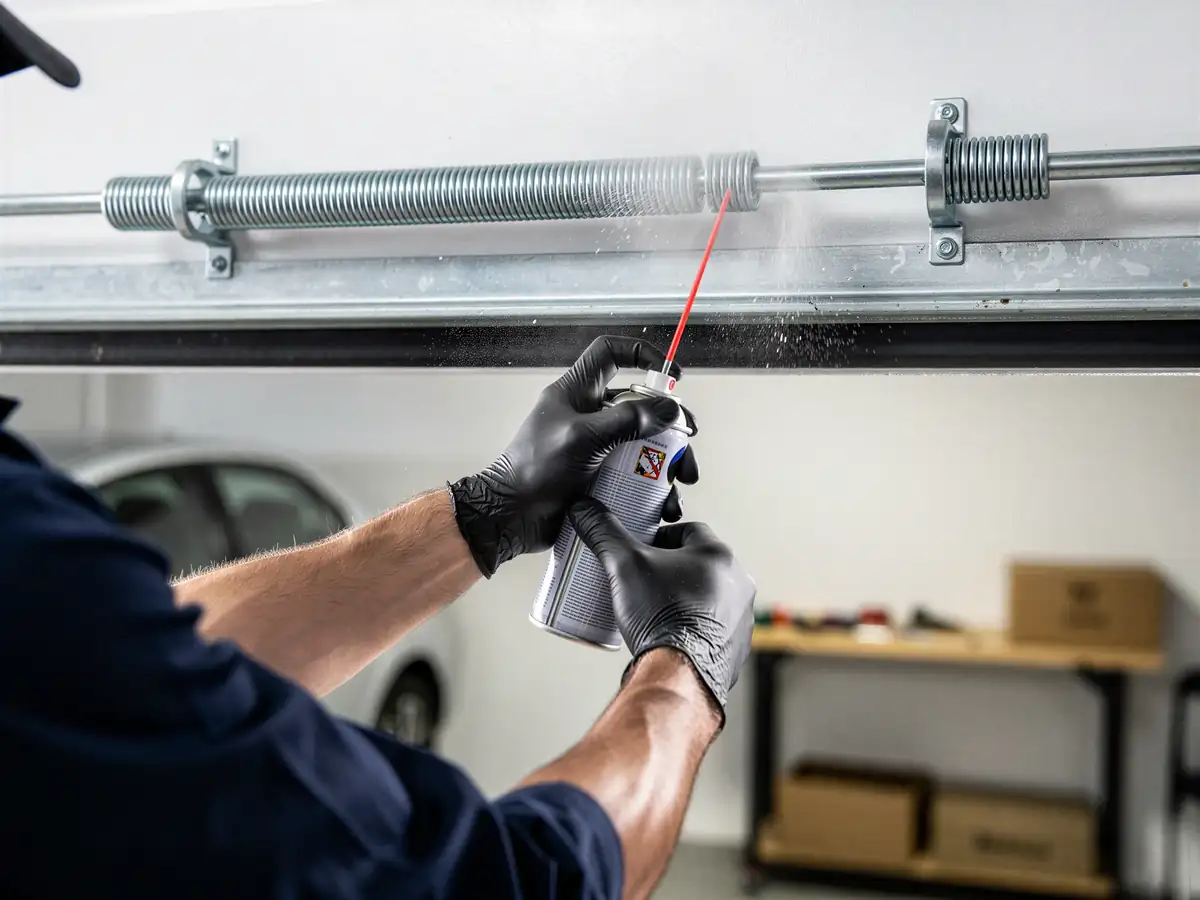
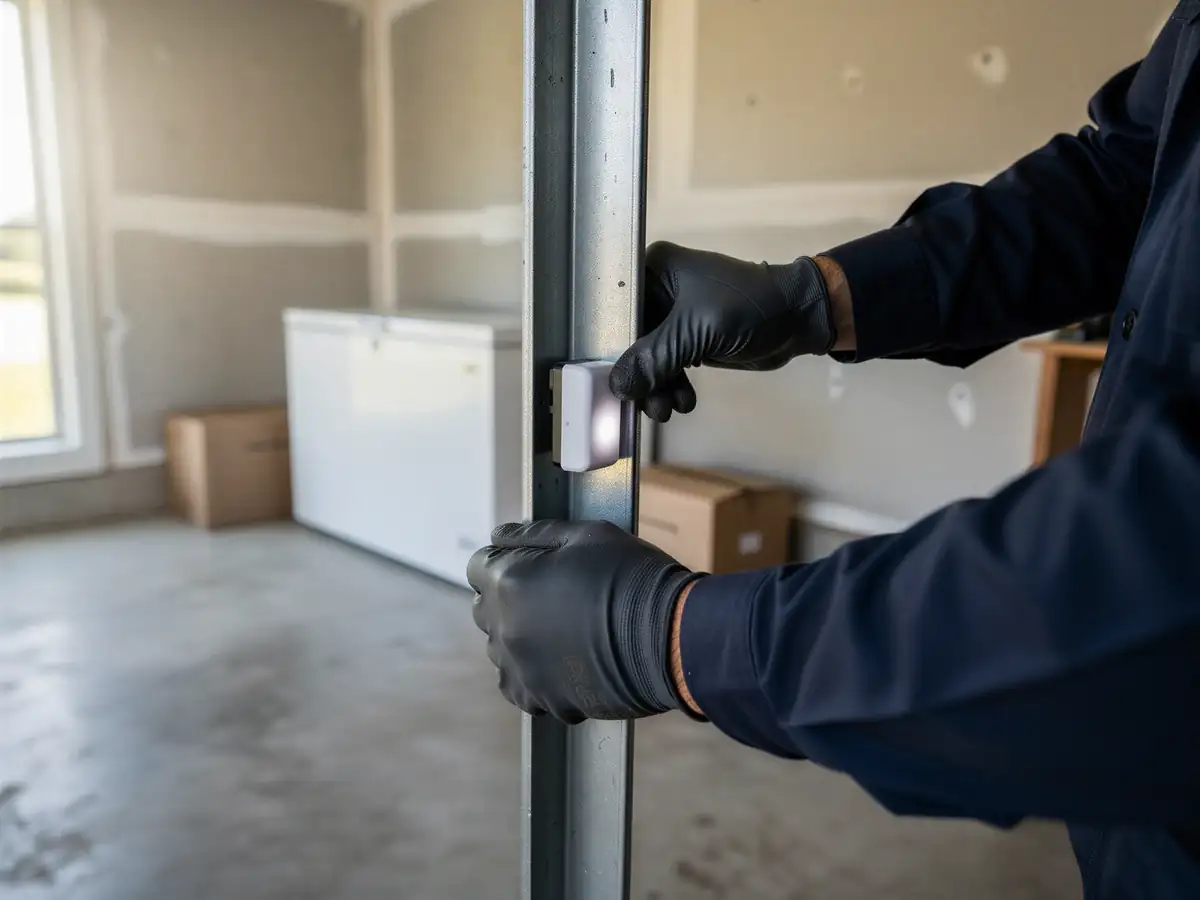
Replacing the drive gear and sprocket kit yourself is possible if you can find the exact model number on the motor housing, which on a unit this old is sometimes worn off or painted over. The part itself is cheap. The part that trips people up is the chain tension afterward - too loose and the door reverses halfway up, too tight and you're back to grinding down a new gear in a year. Sensor alignment is genuinely a DIY job: two LED eyes a few inches off the floor, loosen the wing nut, aim them at each other until the light goes solid. What we'd tell you not to touch is anything involving the high-voltage side of the motor housing or a torsion spring bracket near the opener rail - that's not a repair, that's an ER visit waiting to happen.
What It Costs
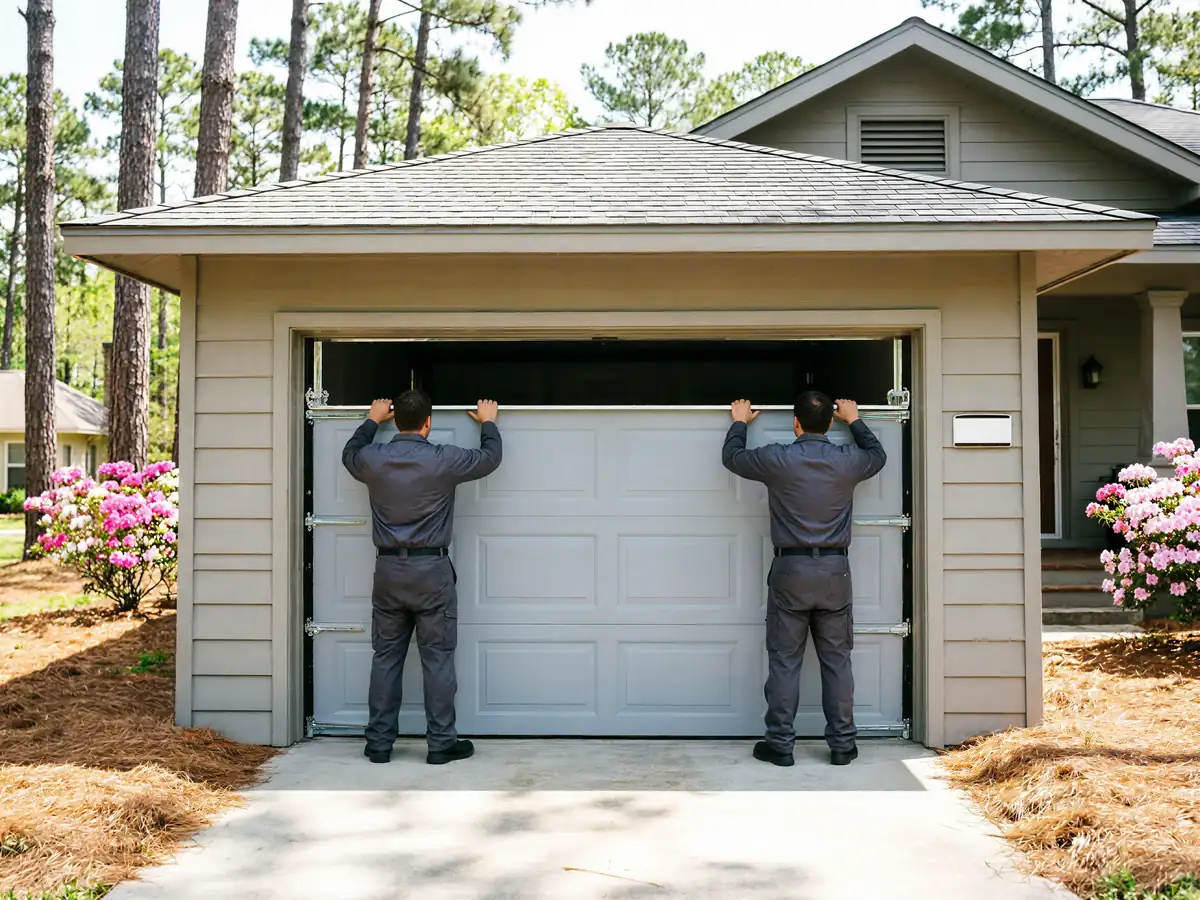
We don't have a flat number to put on this page, because a gear-and-sprocket fix and a full opener replacement on a hardwired 1970s unit are two different bills, and the second depends on whether your bracket and wiring need rework to accept a current model. What we can tell you is that in a service area where median household income runs in the high $60,000s to low $70,000s, we see people make both calls - fix the old unit when the door and drive train are sound, replace the whole opener when the motor's dying on a door that's due for replacement anyway. We'll tell you honestly which one you're looking at before we start, not after.